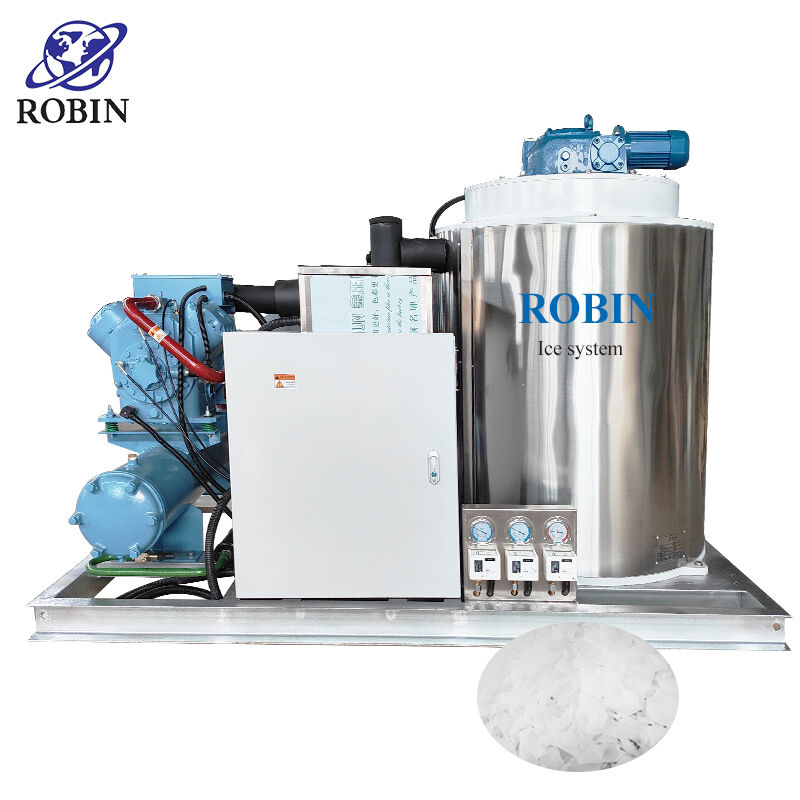
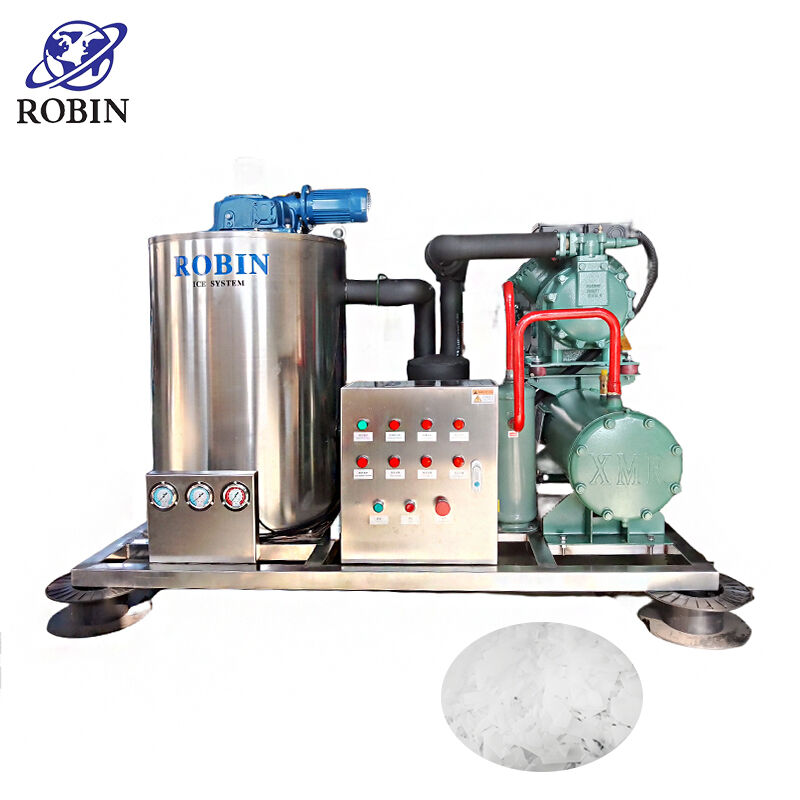
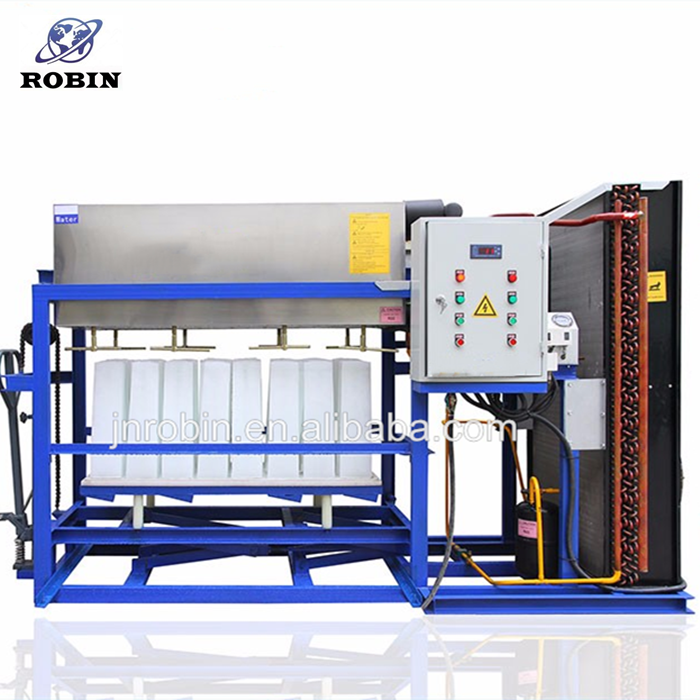
sea water flake ice machine
A sea water flake ice machine represents an innovative refrigeration solution specifically engineered to produce high-quality flake ice using seawater as the primary raw material. This specialized equipment transforms saline water directly into thin, flat ice crystals that measure approximately 1 to 2 millimeters in thickness. The machine operates through an advanced evaporator drum system where seawater flows over a refrigerated cylinder, freezing instantly upon contact and then being scraped off by rotating blades to form delicate ice flakes. The technology behind these machines incorporates corrosion-resistant materials throughout the construction, including titanium evaporators and stainless steel components that withstand the harsh marine environment and prevent degradation from salt exposure. The main function of a sea water flake ice machine centers on delivering immediate cooling capacity for marine industries, fishing operations, and coastal processing facilities. These machines eliminate the need for freshwater sources, making them ideal for vessels at sea and remote coastal locations where freshwater availability is limited or expensive. The flake ice produced maintains a large surface area relative to its mass, enabling rapid heat transfer and efficient temperature reduction for preserving seafood, maintaining product freshness, and supporting various industrial cooling applications. Technological features include automated control systems that monitor ice production rates, adjust refrigeration cycles based on ambient conditions, and provide self-cleaning mechanisms to prevent salt buildup. Modern sea water flake ice machines incorporate energy-efficient compressors, intelligent defrost systems, and remote monitoring capabilities that allow operators to track performance metrics and receive maintenance alerts. Applications span commercial fishing boats, fish processing plants, aquaculture facilities, offshore platforms, desalination plants, and coastal food distribution centers where maintaining cold chain integrity is essential for product quality and safety standards.

 EN