
 EN


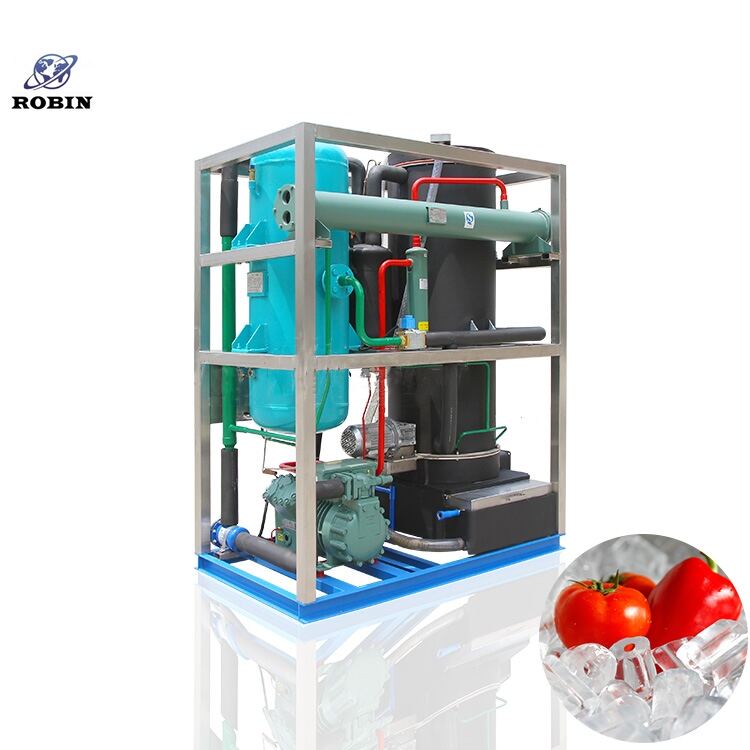
In food processing and manufacturing environments, maintaining a reliable and uninterrupted supply of ice is not a luxury — it is an operational necessity. From chilling fresh produce to controlling temperatures during meat processing, the demand for ice runs continuously across shifts, seasons, and production cycles. Among the various ice-making technologies available today, the ice tube machine has emerged as the preferred choice for food factories that cannot afford gaps in their ice supply. Understanding why requires a closer look at how this technology is engineered and what it delivers in real industrial conditions.
The ice tube machine produces hollow cylindrical ice pieces that are dense, slow-melting, and structurally consistent. These characteristics make tube ice particularly well-suited for food factory applications where both hygiene and thermal performance are critical. Unlike flake ice or crushed ice, tube ice maintains its form longer under ambient conditions, reducing melt loss and improving efficiency across the cold chain. Food factories across the globe have recognized these advantages and increasingly standardized their operations around this technology to ensure continuous, dependable ice output throughout every production hour.
The Operational Demands of Food Factories and Why Continuous Ice Supply Matters
Round-the-Clock Production Requires Round-the-Clock Ice
Modern food factories rarely operate on a single shift. Many facilities run 24-hour production cycles to meet retail, export, and wholesale demand. In these environments, ice is consumed continuously — used to cool dough during mixing, chill fish and seafood on processing lines, maintain safe temperatures for poultry, and preserve freshness during packaging. Any interruption in ice supply can slow or halt production, leading to product loss and compliance failures.
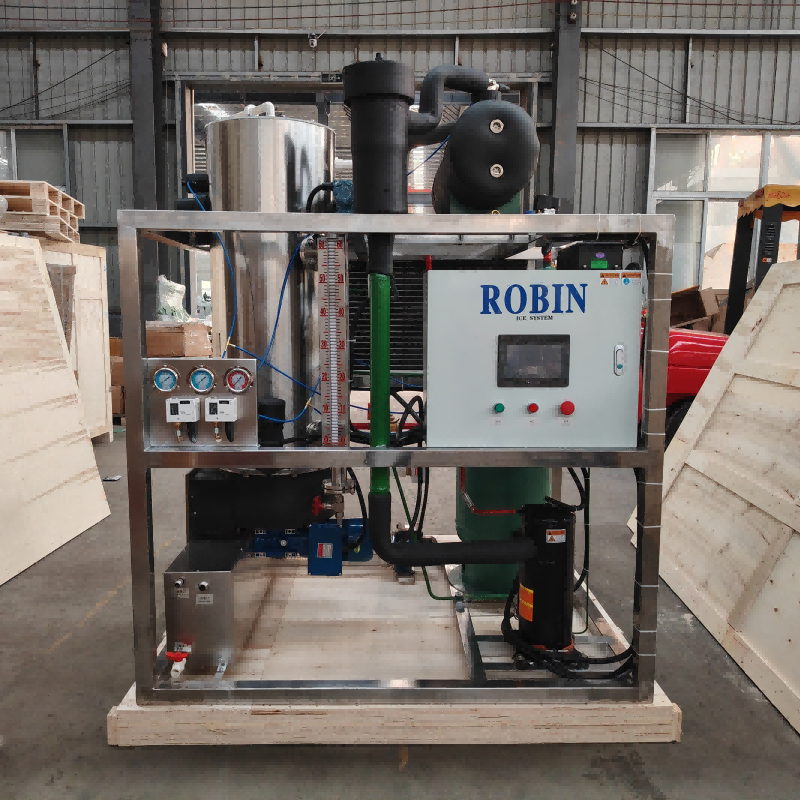
The ice tube machine is specifically designed for continuous-duty operation. Its refrigeration cycle and water distribution system are engineered to produce ice without stopping, making it inherently compatible with the non-stop rhythm of industrial food production. Unlike batch-based systems that require downtime between cycles, a properly sized ice tube machine delivers a steady output that matches the factory's consumption rate in real time.
This continuous production capability is one of the most decisive reasons food factory managers choose the ice tube machine over alternative formats. When production lines depend on ice availability, reliability is not negotiable, and the ice tube machine is built to deliver exactly that.
Scalable Output to Match Variable Demand
Food factories do not always consume ice at a fixed rate. Seasonal peaks, new product lines, and expanded processing capacity all create fluctuating ice demand. The ice tube machine is available in a wide range of production capacities, from small-scale units producing a few hundred kilograms per day to large industrial systems capable of generating multiple tons of tube ice every 24 hours.
This scalability allows food factories to right-size their ice production infrastructure. A facility can start with a single ice tube machine and add units as demand grows, without overhauling the entire system. The modular nature of tube ice production equipment makes capacity planning straightforward and cost-effective over the long term.
For factory managers responsible for both operational continuity and capital efficiency, the ability to scale ice production incrementally is a significant practical advantage that reinforces the case for the ice tube machine as a long-term infrastructure investment.
Hygiene and Food Safety Standards That Tube Ice Naturally Supports
Closed-System Ice Formation Reduces Contamination Risk
Food safety regulations in most markets require that any ice coming into direct contact with food products must meet potable water standards and be produced under hygienic conditions. The ice tube machine produces ice through a closed evaporator system where water is frozen inside vertical tubes under controlled conditions. This closed-loop formation process significantly reduces the risk of airborne contamination, dust, or microbial exposure during ice production.
Because the ice is formed inside sealed tubes and then harvested through a controlled release mechanism, the finished product is handled minimally before reaching storage or the production line. This design philosophy aligns naturally with HACCP principles and food safety management systems that food factories are required to maintain.
The structural integrity of tube ice also contributes to hygiene. Its dense, smooth surface is less porous than flake or crushed ice, which means it absorbs fewer contaminants from the surrounding environment during storage and transport within the facility. For food factories operating under strict audit conditions, this characteristic is a meaningful differentiator.
Compatibility with Sanitary Storage and Distribution Systems
An ice tube machine integrates cleanly with insulated storage bins, pneumatic conveying systems, and automated dispensing equipment commonly used in food processing facilities. The uniform cylindrical shape of tube ice allows it to flow predictably through pipes and chutes without bridging or clumping, which is a common problem with irregularly shaped ice formats.
This compatibility with automated handling systems reduces the need for manual ice scooping and direct human contact with the ice, further supporting hygiene objectives. In facilities processing ready-to-eat foods or products with strict microbial limits, minimizing human touchpoints in the ice supply chain is a critical control measure.
Food factories that have invested in automated cold chain infrastructure find that the ice tube machine fits seamlessly into their existing systems, reducing integration costs and operational complexity while maintaining the hygiene standards their certifications require.
Thermal Efficiency and Slow Melt Rate as Production Advantages
Why Slow-Melting Ice Reduces Waste and Improves Yield
One of the most practically important properties of tube ice is its slow melt rate. Because tube ice is produced at a lower temperature and has a higher density than flake or crushed ice, it retains its cooling capacity for a significantly longer period. In food factory applications, this translates directly into reduced ice consumption per unit of product cooled.
When ice melts too quickly, factories must apply more ice to achieve the same cooling effect, increasing both ice consumption and the volume of meltwater that must be managed on the production floor. Excess meltwater creates slip hazards, accelerates equipment corrosion, and complicates drainage management. The slow melt rate of tube ice from a well-maintained ice tube machine reduces all of these secondary costs.
For seafood processors, meat packers, and fresh produce handlers, the extended cooling duration of tube ice means that products can be held at safe temperatures for longer periods during processing, staging, and pre-shipment inspection without requiring constant ice replenishment. This operational efficiency compounds over time into measurable cost savings.
Consistent Ice Size Supports Predictable Cooling Performance
The ice tube machine produces ice pieces of consistent diameter and length, determined by the machine's tube dimensions and harvest cycle settings. This dimensional consistency means that every batch of ice behaves predictably in terms of surface area, melt rate, and cooling capacity. For food factories that have optimized their cooling protocols around specific ice characteristics, this consistency is operationally valuable.
Inconsistent ice size, which is common with some alternative production methods, introduces variability into cooling performance. A batch of oversized ice pieces may not cool product surfaces evenly, while undersized pieces may melt too quickly and leave gaps in coverage. The ice tube machine eliminates this variability by producing geometrically uniform output every cycle.
Process engineers and quality managers in food factories appreciate this predictability because it allows them to standardize cooling procedures, reduce the need for manual adjustment, and maintain consistent product quality across production runs and operator shifts.
Energy Efficiency and Long-Term Operating Economics
Lower Energy Consumption Per Kilogram of Ice Produced
Energy cost is a significant operating expense for any ice production system running continuously in an industrial setting. The ice tube machine is recognized for its relatively favorable energy efficiency compared to other continuous ice production formats. The vertical tube evaporator design allows for efficient heat transfer, and modern ice tube machine models incorporate variable-speed compressors and optimized refrigerant circuits that reduce power consumption during partial-load operation.
For food factories operating in regions with high electricity costs or under sustainability mandates, the energy efficiency of the ice tube machine contributes directly to lower operating costs and a smaller carbon footprint. Over a machine lifespan of ten to fifteen years, the cumulative energy savings from a more efficient ice tube machine can be substantial relative to less efficient alternatives.
Procurement teams evaluating ice production equipment increasingly look beyond the initial purchase price to total cost of ownership. The ice tube machine's combination of durability, low maintenance requirements, and energy efficiency positions it favorably in these lifecycle cost analyses.
Reduced Maintenance Downtime Protects Production Continuity
Maintenance downtime on an ice production system directly threatens production continuity in a food factory. The ice tube machine is designed with relatively few moving parts in its core ice-making mechanism, which reduces the frequency and complexity of maintenance interventions. The primary wear components — water distribution nozzles, harvest valves, and refrigerant circuit seals — are accessible and replaceable without specialized tooling in most models.
Preventive maintenance schedules for the ice tube machine are well-established and predictable, allowing factory maintenance teams to plan service activities during scheduled downtime rather than responding to unexpected failures. This planned maintenance approach is far preferable in food factory environments where unplanned stoppages carry significant cost implications.
The combination of mechanical simplicity, accessible components, and predictable service intervals makes the ice tube machine a low-risk choice for food factories where operational continuity is a primary concern. Facilities that have operated ice tube machines over multiple years consistently report high uptime rates and manageable maintenance costs.
Application Fit Across Key Food Processing Sectors
Seafood and Fish Processing
Seafood processing is one of the most demanding applications for any ice production system. Fish and shellfish must be chilled rapidly after harvest and maintained at near-freezing temperatures throughout processing to prevent bacterial growth and preserve quality. The ice tube machine is widely used in seafood processing facilities because its output volume, ice density, and slow melt rate are well-matched to the thermal demands of this sector.
Tube ice can be applied directly to fish on processing tables, packed into boxes for storage, and used in display cases without damaging delicate flesh. Its smooth surface and consistent size make it easy to distribute evenly around product, ensuring uniform cooling without pressure points that could bruise or deform the fish. For seafood processors operating under export certification requirements, the hygienic production characteristics of the ice tube machine are equally important.
Meat Processing and Poultry Operations
In meat and poultry processing, ice serves multiple functions beyond simple product chilling. It is used to control the temperature of meat emulsions during mixing and grinding, where frictional heat must be managed to prevent protein denaturation and fat smearing. The ice tube machine provides a consistent supply of dense, slow-melting ice that can be metered into mixing equipment at controlled rates.
Poultry chilling systems, particularly immersion chillers used in large-scale operations, require continuous ice input to maintain water temperatures within regulatory limits. The ice tube machine's ability to produce ice without interruption makes it a natural fit for these systems, where any gap in ice supply would cause chiller water temperatures to rise and potentially trigger a production hold.
Across both red meat and poultry operations, the ice tube machine supports food safety compliance, product quality, and operational efficiency simultaneously — a combination that explains its widespread adoption in this sector.
FAQ
What makes the ice tube machine better suited for continuous operation than other ice types?
The ice tube machine is engineered for uninterrupted production through a continuous refrigeration and harvest cycle. Unlike batch systems, it does not require downtime between production runs. Its mechanical design prioritizes reliability and consistent output, which is why food factories with 24-hour operations consistently choose the ice tube machine over alternatives that cannot sustain the same production rhythm.
How does tube ice from an ice tube machine compare to flake ice in food processing applications?
Tube ice is denser and melts more slowly than flake ice, which means less ice is needed to achieve the same cooling effect over a given time period. Flake ice has a larger surface area and melts faster, which can be advantageous for rapid initial chilling but results in higher ice consumption and more meltwater. For applications requiring sustained cooling over extended periods, the ice tube machine's output is generally more efficient and cost-effective.
Can a single ice tube machine supply an entire food factory, or are multiple units typically needed?
This depends entirely on the factory's ice consumption rate and production layout. A single large-capacity ice tube machine may be sufficient for smaller facilities, while larger operations often deploy multiple units to distribute ice production closer to points of use and to provide redundancy. The modular nature of ice tube machine systems makes it straightforward to add capacity as the facility grows or as demand increases seasonally.
What hygiene certifications or standards should a food factory look for when selecting an ice tube machine?
Food factories should look for ice tube machine models that comply with relevant food safety standards in their market, such as NSF/ANSI certification in North America or CE marking in Europe. Materials in contact with ice — including evaporator tubes, water distribution components, and storage surfaces — should be food-grade stainless steel or approved food-safe plastics. Compliance with HACCP principles in the machine's design and documentation is also an important selection criterion for facilities operating under formal food safety management systems.
Table of Contents
- The Operational Demands of Food Factories and Why Continuous Ice Supply Matters
- Hygiene and Food Safety Standards That Tube Ice Naturally Supports
- Thermal Efficiency and Slow Melt Rate as Production Advantages
- Energy Efficiency and Long-Term Operating Economics
- Application Fit Across Key Food Processing Sectors
-
FAQ
- What makes the ice tube machine better suited for continuous operation than other ice types?
- How does tube ice from an ice tube machine compare to flake ice in food processing applications?
- Can a single ice tube machine supply an entire food factory, or are multiple units typically needed?
- What hygiene certifications or standards should a food factory look for when selecting an ice tube machine?