
 EN


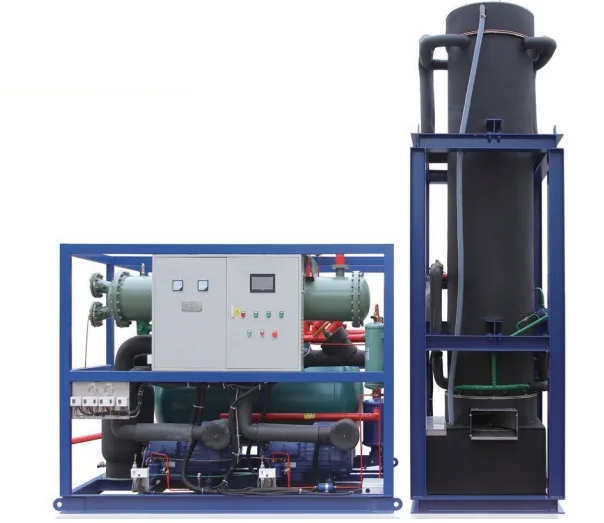
Industrial cooling is one of the most operationally critical and cost-sensitive challenges across manufacturing, food processing, chemical production, and logistics. When facilities struggle with inconsistent temperature control, product spoilage, or inefficient refrigeration cycles, the consequences ripple through productivity, quality, and profitability. One technology that has gained significant traction in addressing these challenges is the ice tube machine, a purpose-built system designed to produce cylindrical ice in continuous, high-volume quantities suited for demanding industrial environments.
The short answer to whether an ice tube machine can improve cooling efficiency in industrial operations is yes — but the reasons behind that answer are more nuanced than a simple product endorsement. The efficiency gains come from the specific physical properties of tube ice, the way it integrates into existing cooling workflows, and how it reduces dependency on less reliable or more energy-intensive alternatives. Understanding these factors helps operations managers and procurement teams make informed decisions about whether this technology fits their specific cooling requirements.
What Makes Tube Ice Physically Suited for Industrial Cooling
The Geometry of Tube Ice and Its Thermal Advantages
Tube ice is produced in a hollow cylindrical shape, typically ranging from 22mm to 35mm in diameter with a central hole running through its length. This geometry is not arbitrary — it directly influences how the ice performs as a cooling medium. The hollow core increases the total surface area relative to the ice volume, which means more contact area is available for heat exchange when the ice is applied to products, fluids, or surfaces.
In industrial cooling applications, surface area is a primary driver of heat transfer rate. A greater surface area means the ice absorbs ambient or product heat more rapidly, reducing the time required to bring temperatures down to target levels. This is particularly relevant in fish processing, concrete cooling, and beverage production, where rapid temperature reduction is both a quality requirement and an operational efficiency metric.
The ice tube machine produces ice with a consistent wall thickness and uniform density, which ensures predictable melting behavior. Unlike flake ice, which melts quickly and unevenly, tube ice maintains its structural integrity longer under ambient conditions. This slower, more controlled melt rate translates directly into extended cooling duration per unit of ice consumed, reducing the total volume of ice needed to achieve the same cooling outcome.
Hardness and Durability Under Operational Conditions
One of the practical limitations of softer ice forms in industrial settings is their tendency to clump, compact, or melt prematurely during transport and storage. An ice tube machine produces a harder, denser ice form that resists compaction and maintains free-flowing characteristics even after extended storage in insulated bins or silos. This is critical in operations where ice must be conveyed, pumped, or distributed across large facility footprints.
The structural hardness of tube ice also makes it suitable for direct contact with products that require physical support alongside cooling, such as fresh seafood displayed in retail or wholesale environments. The ice holds its shape under the weight of product loads, preventing the collapse and pooling that can occur with softer ice types. For industrial operations that rely on ice as both a cooling and a presentation medium, this dual functionality adds measurable operational value.
How an Ice Tube Machine Integrates Into Industrial Cooling Workflows
On-Site Production Versus External Ice Supply
Many industrial facilities historically sourced ice from external suppliers, accepting the logistical complexity, variable pricing, and supply reliability risks that come with that model. Installing an ice tube machine on-site fundamentally changes this dynamic by converting ice from a purchased commodity into a self-produced utility. This shift has direct implications for cooling efficiency because it eliminates the delays, temperature losses, and handling degradation associated with transported ice.
Ice that is produced on-site and used immediately is colder and drier than ice that has been transported in bulk containers over distance. The thermal efficiency of freshly produced tube ice is measurably higher because it has not yet absorbed ambient heat during transit. For operations where cooling precision matters — such as pharmaceutical cold chain staging or fresh produce packing — this difference in ice quality at the point of use translates into better temperature control outcomes.
An ice tube machine also allows production to be matched to actual demand in real time. Rather than ordering fixed quantities that may exceed or fall short of daily needs, facility managers can adjust production schedules to align with operational throughput. This demand-responsive production model reduces ice waste, lowers energy consumption per unit of cooling delivered, and ensures that ice is always available when and where it is needed.
Compatibility With Existing Refrigeration and Distribution Infrastructure
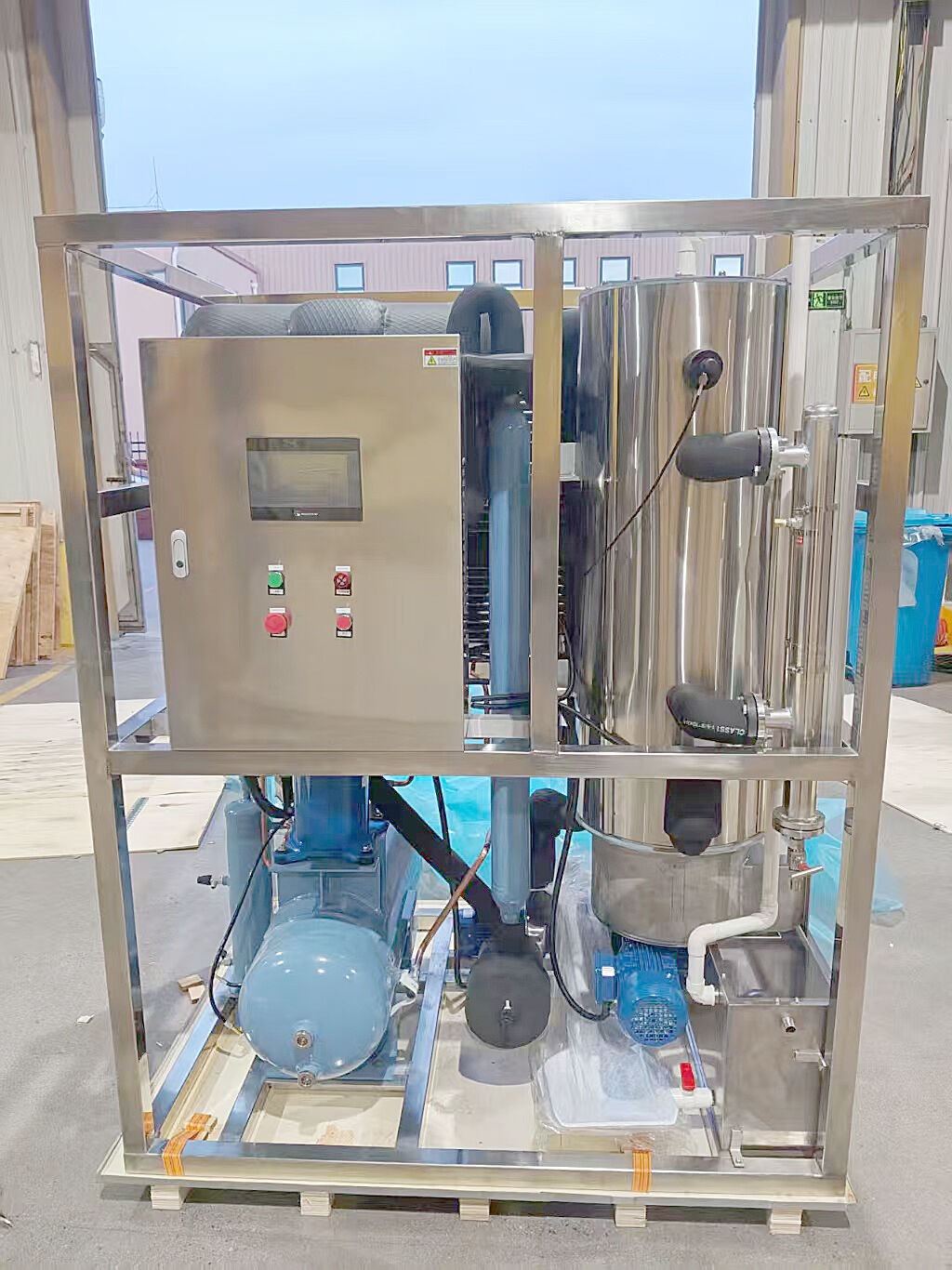
A well-designed ice tube machine is engineered to connect with standard industrial refrigeration infrastructure, including ammonia or freon-based refrigerant systems, automated ice storage silos, and pneumatic or mechanical ice conveyance systems. This compatibility means that facilities upgrading from block ice or flake ice systems can often integrate an ice tube machine without requiring a complete overhaul of their existing cold chain infrastructure.
The cylindrical shape of tube ice also flows more predictably through conveyance systems than irregular ice forms, reducing blockages and mechanical wear on distribution equipment. In large-scale operations such as fish processing plants or concrete batching facilities, where ice must be moved continuously across multiple production lines, this flow consistency contributes to overall system uptime and reduces maintenance interruptions that would otherwise compromise cooling continuity.
Energy Efficiency Implications of Using an Ice Tube Machine
Production Energy Consumption Compared to Alternative Ice Forms
Energy consumption is a central concern in any industrial cooling strategy, and the ice tube machine compares favorably against several alternative ice production methods when evaluated on a per-kilogram-of-cooling-capacity basis. The vertical evaporator design used in most ice tube machine configurations allows water to freeze in a thin, uniform layer around the evaporator tubes, which is an inherently efficient heat transfer geometry. This design minimizes the energy required to achieve full ice formation compared to plate ice or block ice systems that freeze thicker masses.
Modern ice tube machine models incorporate variable-speed compressors, automated defrost cycles, and insulated storage systems that collectively reduce standby energy losses. When production is matched to demand rather than running at constant maximum output, the energy savings compound over time. For facilities operating 24 hours a day, even a modest improvement in production efficiency per cycle translates into significant annual energy cost reductions.
Reducing Indirect Energy Costs Through Better Cooling Performance
The efficiency of an ice tube machine extends beyond its own energy consumption to the indirect energy costs it influences throughout the facility. When ice performs its cooling function more effectively — absorbing heat faster, lasting longer, and distributing more evenly — the mechanical refrigeration systems that support the broader cold chain do not need to work as hard to maintain target temperatures. This reduction in refrigeration load can lower compressor runtime, reduce peak demand charges, and extend the service life of refrigeration equipment.
In concrete cooling applications, for example, using tube ice to pre-cool aggregate and mixing water reduces the heat of hydration in the final concrete mix. This allows the concrete to be poured at lower temperatures without requiring additional chilled water systems or extended curing time under refrigeration. The ice tube machine effectively substitutes for more energy-intensive cooling methods, delivering the same thermal outcome at lower total energy cost.
Industry-Specific Applications Where Tube Ice Delivers Measurable Efficiency Gains
Seafood and Aquaculture Processing
The seafood industry is one of the most demanding environments for ice performance, where temperature control directly determines product shelf life, quality grade, and regulatory compliance. An ice tube machine is particularly well-suited to this sector because tube ice's combination of hardness, surface area, and controlled melt rate aligns precisely with the requirements of fish preservation. The ice surrounds product without crushing delicate flesh, maintains consistent contact for even cooling, and lasts long enough to support extended display or transport periods.
Processing facilities that have transitioned from purchased block ice to on-site ice tube machine production consistently report reductions in ice consumption per ton of product processed, along with improvements in product temperature at the point of dispatch. These outcomes reflect both the superior physical performance of tube ice and the operational advantages of on-demand production. The ice tube machine effectively becomes a core piece of quality assurance infrastructure rather than simply a utility.
Construction and Concrete Cooling
Large-scale concrete pours in hot climates or during summer months require precise temperature management to prevent premature setting, cracking, and structural weakness. The ice tube machine has become a standard tool in major infrastructure projects because it can produce the high volumes of ice needed to cool aggregate, sand, and mixing water to specification. The hollow tube geometry allows ice to mix thoroughly with dry materials, distributing cooling evenly throughout the batch rather than creating cold spots around large ice blocks.
Construction project managers value the ice tube machine for its ability to scale production to match pour schedules, which can vary significantly based on weather conditions, crew availability, and structural requirements. The ability to produce ice on-site at the construction location eliminates the logistical complexity of coordinating ice deliveries to remote or access-restricted sites, further improving operational efficiency and reducing project timeline risk.
FAQ
How much ice does a typical industrial ice tube machine produce per day?
Industrial ice tube machine models are available in a wide range of capacities, from small units producing around 1 ton per day to large-scale systems capable of producing 50 tons or more per day. The appropriate capacity depends on the specific cooling load of the operation, the number of production lines being served, and whether the facility requires continuous 24-hour ice availability or operates on a shift-based schedule. Selecting the right capacity is critical to achieving the efficiency gains that make an ice tube machine a sound investment.
Is an ice tube machine suitable for food-contact applications?
Yes, ice tube machine systems designed for food processing and seafood applications are built to produce ice that meets food-grade hygiene standards. This includes the use of food-safe materials in the evaporator and water distribution components, along with filtration systems that ensure the source water meets potable water quality requirements. Facilities operating under food safety certifications should verify that the specific ice tube machine model they select complies with the relevant standards applicable to their market and product category.
What maintenance does an ice tube machine require to sustain efficiency?
Routine maintenance for an ice tube machine typically includes periodic cleaning of the evaporator surfaces to prevent scale buildup, inspection and replacement of water distribution nozzles, refrigerant system checks, and lubrication of mechanical components. Scale accumulation on evaporator tubes is one of the most common causes of reduced production efficiency, as it acts as an insulating layer that slows heat transfer. Establishing a regular descaling schedule based on local water hardness is one of the most effective ways to maintain consistent ice tube machine performance over time.
Can an ice tube machine operate in high-ambient-temperature environments?
Ice tube machine systems are available in configurations designed for high-ambient-temperature operation, which is particularly relevant for facilities in tropical climates or those located in hot industrial environments. These configurations typically use higher-capacity condensers, enhanced refrigerant circuits, and thermally insulated storage systems to maintain production efficiency when ambient temperatures are elevated. Specifying the correct ambient temperature rating when selecting an ice tube machine is essential to ensuring that the system delivers its rated production capacity under actual operating conditions rather than only under ideal laboratory conditions.