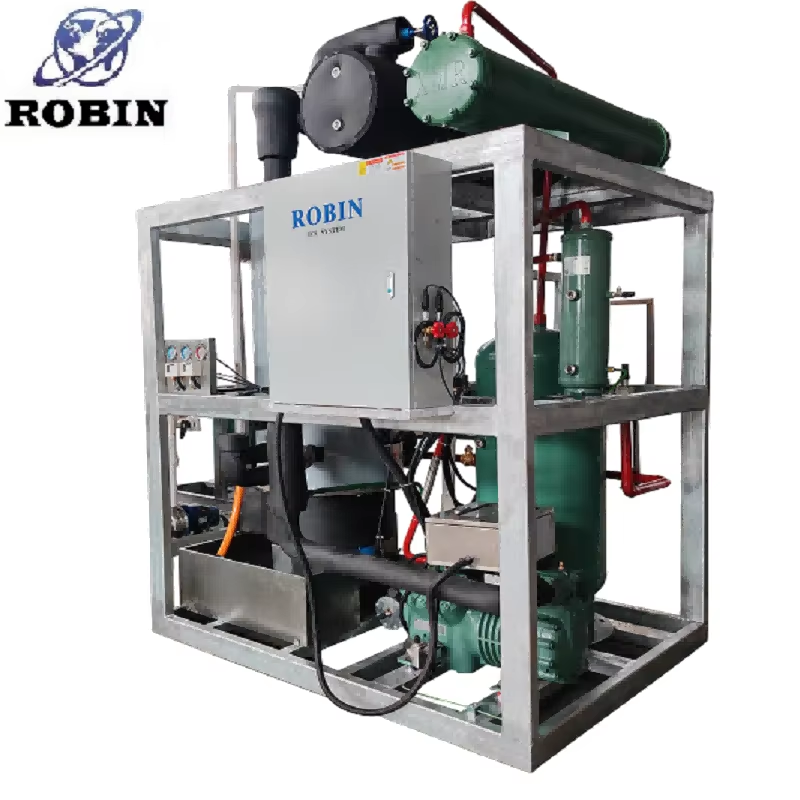
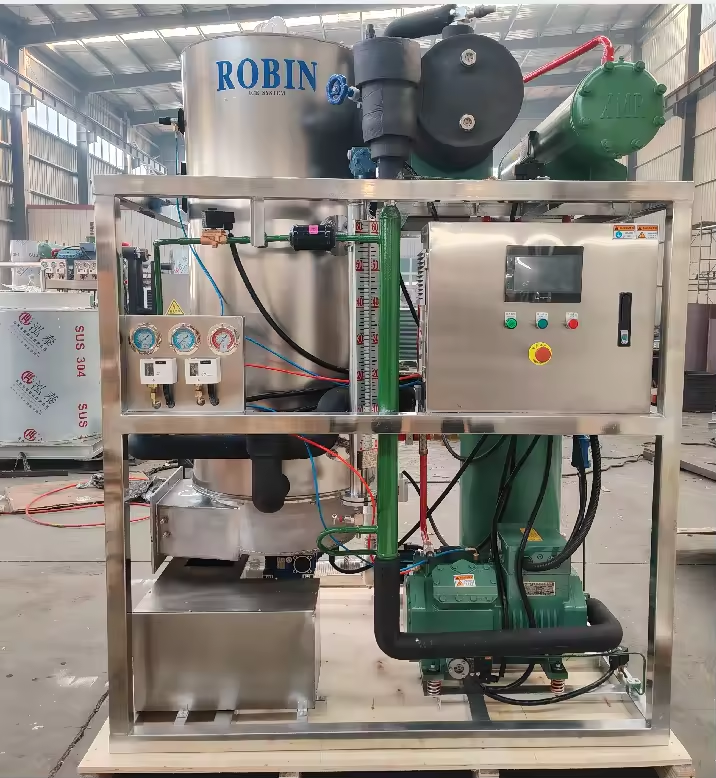
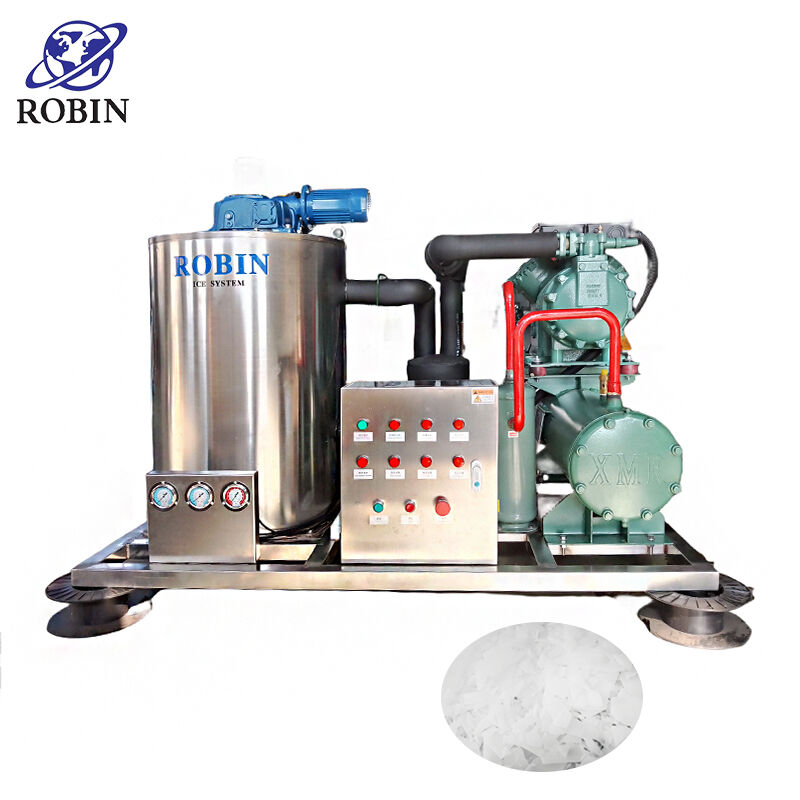
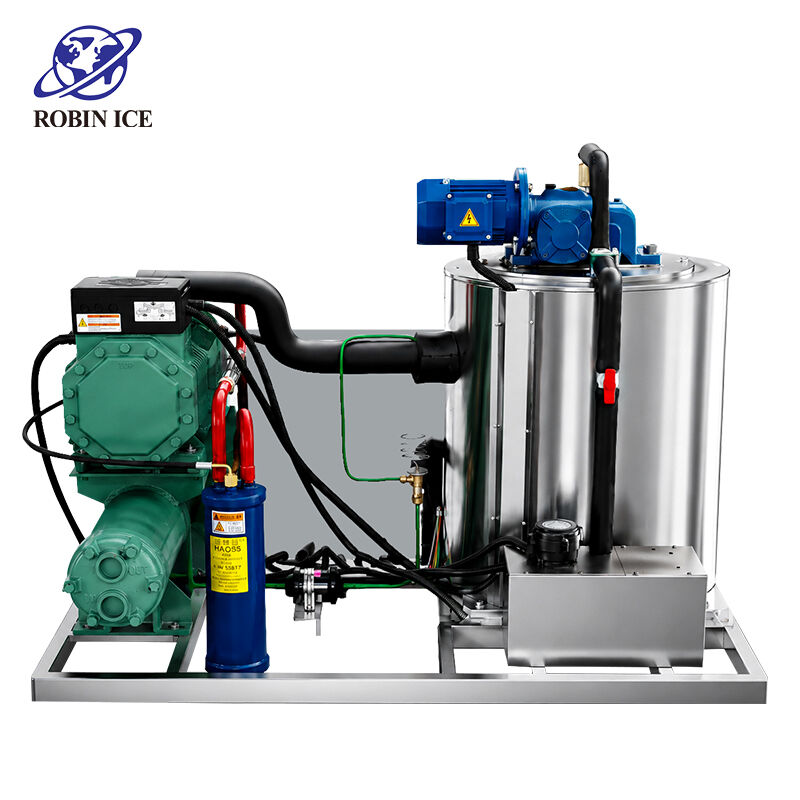
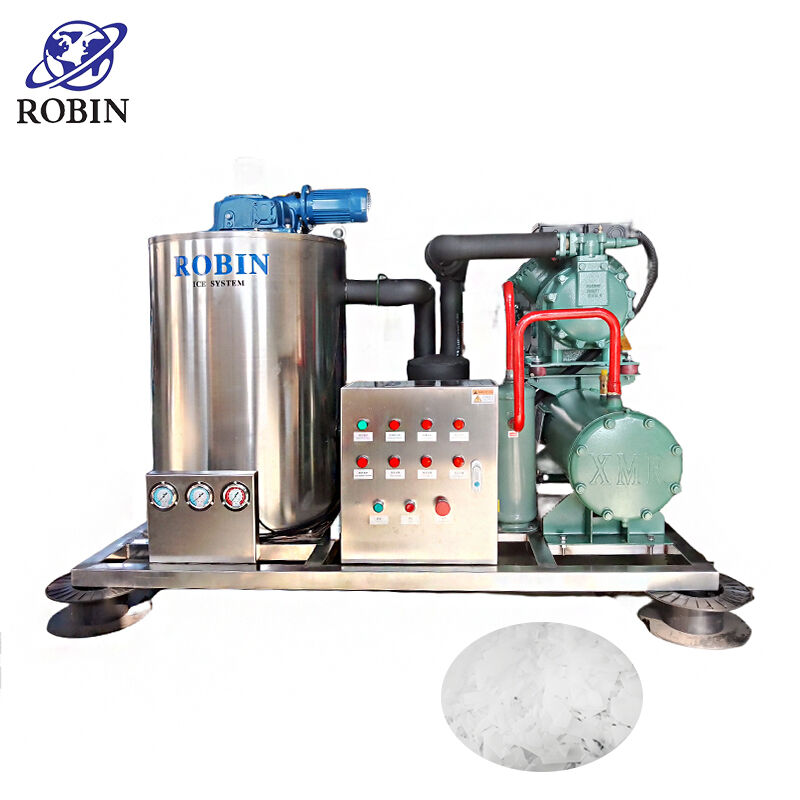
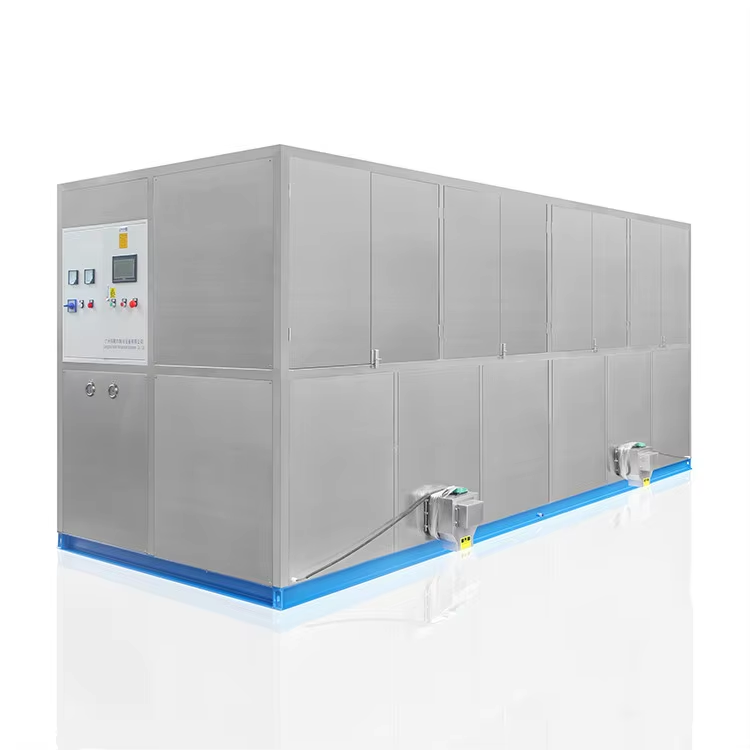
industrial sea water flake ice machine
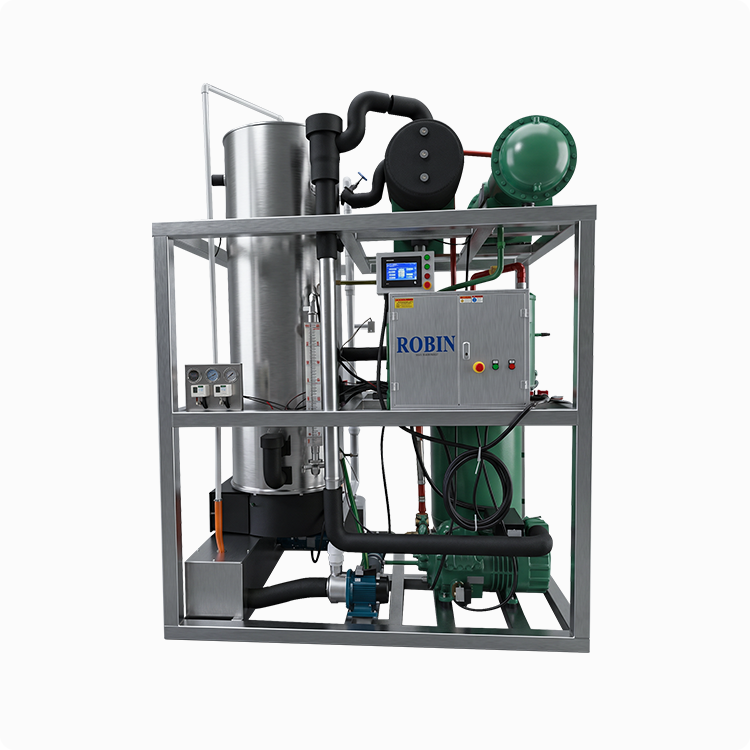
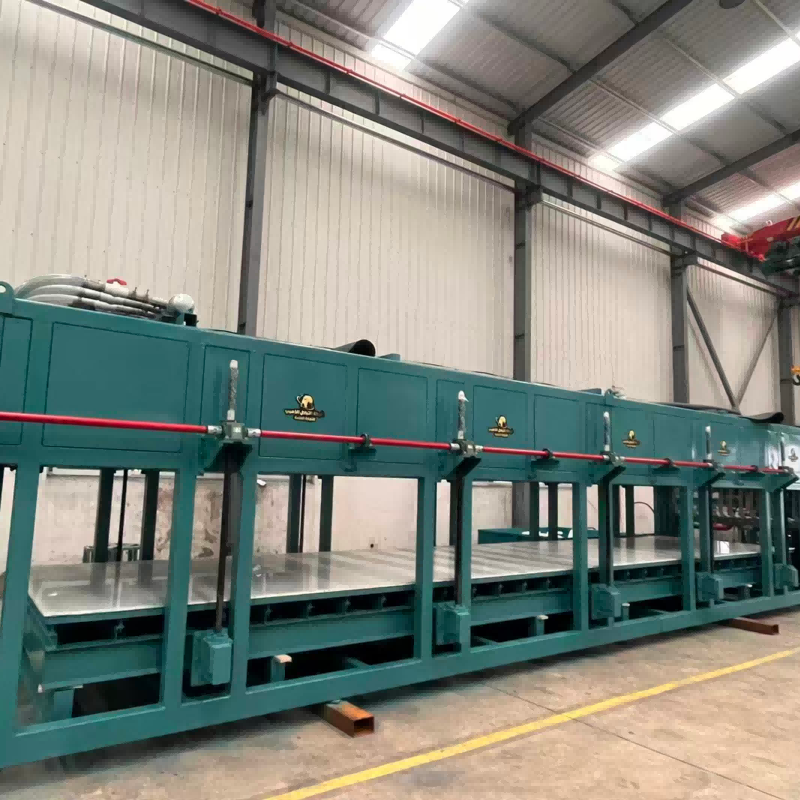
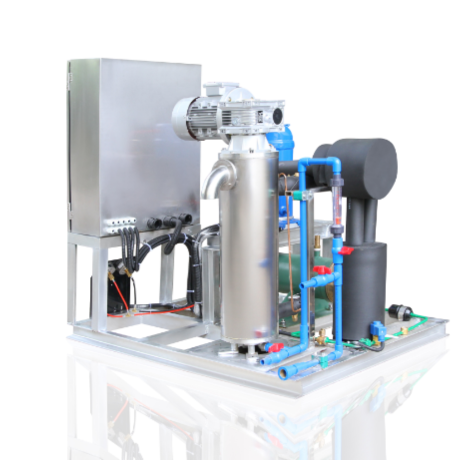
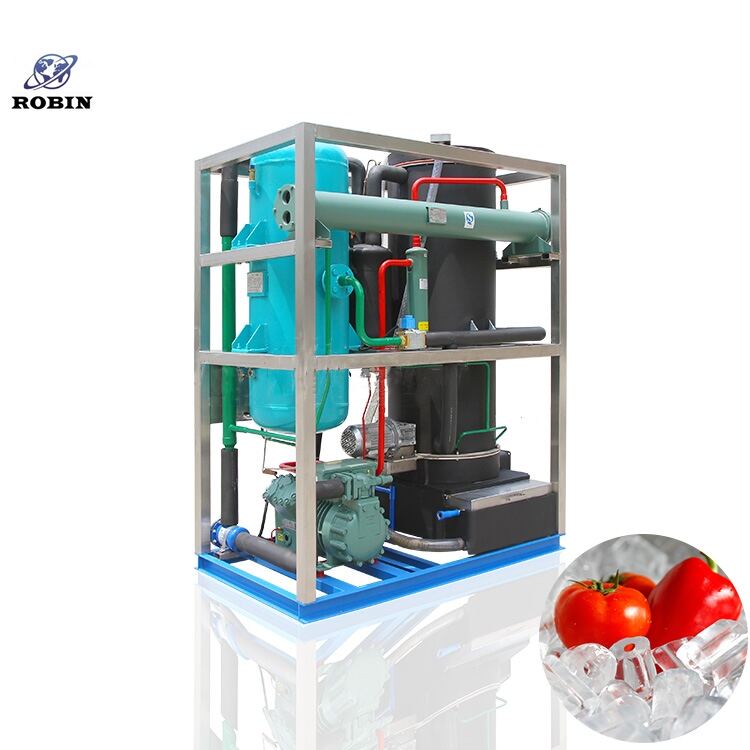
The industrial sea water flake ice machine represents a specialized refrigeration system engineered to produce flake ice directly from sea water without requiring desalination or pre-treatment processes. This innovative equipment transforms saline water into thin, flat ice crystals that measure approximately 1.5 to 2.5 millimeters in thickness, creating a versatile cooling medium suitable for marine industries, fishing operations, and coastal processing facilities. The machine operates through an advanced evaporator drum system where sea water flows over a refrigerated cylinder, freezing instantly upon contact and then being scraped off by rotating blades to form delicate ice flakes. Unlike traditional freshwater ice makers, the industrial sea water flake ice machine incorporates corrosion-resistant materials throughout its construction, including titanium evaporators, stainless steel frameworks, and specialized coatings that withstand the harsh chemical properties of ocean water. The primary function extends beyond simple ice production, serving as an essential preservation tool that maintains product freshness during transportation and storage. These machines deliver continuous ice output ranging from 1 ton to 60 tons per day depending on model specifications, making them adaptable to operations of varying scales. The technology features automated control systems that monitor water salinity levels, refrigerant pressures, and ice thickness to ensure consistent quality output. Applications span commercial fishing vessels where immediate catch preservation proves critical, seafood processing plants requiring bulk cooling capacity, concrete cooling in coastal construction projects, and aquaculture facilities maintaining optimal water temperatures. The industrial sea water flake ice machine eliminates the logistical challenges and costs associated with transporting freshwater to remote maritime locations, providing an economical solution that leverages the abundant resource surrounding coastal operations. Energy efficiency remains a core technological feature, with modern units consuming 85 to 95 kilowatt-hours per ton of ice produced, significantly lower than conventional ice-making methods when factoring in water treatment expenses.

 EN