
 EN


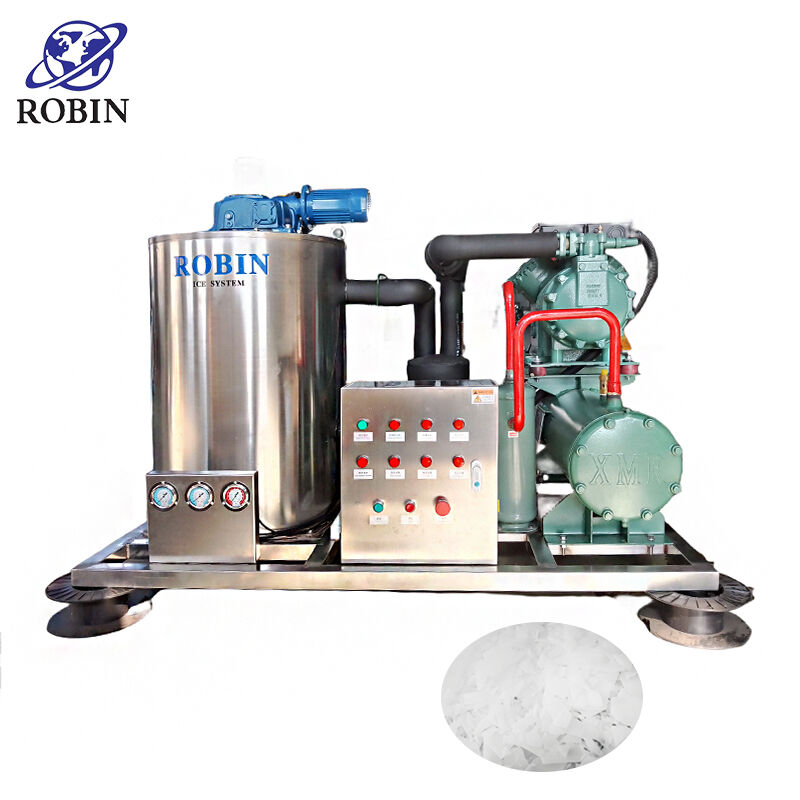
When it comes to preserving freshness and extending the shelf life of seafood products, the choice of ice type and ice-making equipment is far from trivial. Commercial seafood markets operate under strict hygiene standards, high-volume throughput demands, and perishability pressures that require reliable, efficient cooling solutions. The flake ice machine for fish has emerged as one of the most widely adopted technologies in this space, yet many market operators still question whether it genuinely suits the commercial scale and complexity of a busy seafood environment. Understanding the answer requires a close look at how flake ice behaves, how these machines perform under real-world conditions, and what operational demands commercial seafood markets actually place on their ice systems.
The short answer is yes — a flake ice machine for fish is not only suitable but is often considered the preferred solution for commercial seafood markets. However, suitability is not absolute. It depends on scale, configuration, workflow integration, and the specific types of seafood being handled. This article examines the key reasons why flake ice machines align so well with the needs of commercial fish and seafood operations, what conditions maximize their value, and what decision-makers should consider before making a long-term investment in this type of equipment.

Why Flake Ice Is Ideal for Fish Preservation
The Physical Properties That Make Flake Ice Effective
Flake ice is produced in thin, flat pieces typically ranging from 1.5 to 2.5 mm in thickness. This shape gives it a dramatically higher surface-area-to-mass ratio compared to cube or block ice. In fish preservation, surface contact is everything — the more uniformly the ice wraps around the product, the faster and more even the cooling effect becomes. A flake ice machine for fish is specifically designed to produce this soft, conforming ice that molds itself naturally around irregular shapes like whole fish, fillets, and shellfish without causing bruising or damage.
Because of its thin structure, flake ice also has a lower internal temperature than many other ice types, often reaching around -6°C to -8°C at the point of production. This provides an immediate and aggressive chilling effect upon contact with warm or freshly harvested seafood. In a commercial seafood market where fish arrives frequently throughout the day at varying temperatures, this rapid cooling capability reduces the window of bacterial growth and helps products remain visually fresh and commercially viable for longer periods.
The dry, non-clumping nature of flake ice also contributes to its suitability. Unlike wet or crushed ice, flake ice does not melt rapidly into pools of water that can harbor bacteria or create unsanitary display conditions. This matters greatly in commercial settings where hygiene audits and regulatory compliance are ongoing concerns.
Compatibility With Different Seafood Categories
A commercial seafood market typically handles far more than just whole fish. Crustaceans, mollusks, processed fillets, smoked products, and live shellfish all have different thermal and physical handling requirements. The flake ice machine for fish produces an ice type that adapts naturally across all these product categories. Shrimp and crab, for example, benefit from the gentle but thorough coverage that flake ice provides, preventing the mechanical damage that larger or harder ice types can cause during display or transport.
For live shellfish such as oysters and clams, maintaining the right temperature without flooding them in meltwater is critical. Flake ice regulates temperature effectively while draining excess water downward, keeping the display bed cool and moist without submerging the product. This subtle but significant advantage makes a flake ice machine for fish a versatile tool rather than a single-purpose investment. Market operators who handle diverse seafood lines benefit especially from this flexibility.
Commercial Scale Performance and Output Capacity
Meeting High-Volume Demand in Busy Market Environments
Commercial seafood markets are not low-volume operations. A mid-size seafood market may require anywhere from one to ten or more tons of ice per day depending on the size of the display floor, storage rooms, processing areas, and distribution activities. Industrial-grade flake ice machines for fish are specifically engineered to meet this scale. Units designed for commercial deployment can produce continuous outputs of two tons, five tons, or even ten tons per day in a single machine, with modular configurations allowing operators to scale further as the business grows.
This continuous-production design is especially important in markets that operate across multiple shifts or during peak seasons when seafood arrivals spike sharply. Unlike batch-production ice systems that require downtime between cycles, a properly maintained flake ice machine for fish produces ice around the clock. This means display counters can be refreshed as needed without waiting for the next production cycle, reducing the risk of temperature gaps during busy trading hours.
Energy efficiency at this scale is also a commercial consideration. Modern flake ice machines for fish incorporate energy-saving refrigeration compressors and optimized evaporator designs that minimize power consumption per kilogram of ice produced. For a seafood market running its ice system daily throughout the year, the cumulative energy cost is a significant operational expense — and investing in an efficient machine directly affects long-term profitability.
Integration With Storage, Display, and Processing Workflows
A flake ice machine for fish does not operate in isolation. Its value in a commercial seafood market is amplified when it is integrated thoughtfully into the facility's ice storage, distribution, and display workflows. Many commercial setups connect the ice machine to a large insulated ice silo or bin that accumulates and stores ice during off-peak hours, ready to be dispensed on demand during high-traffic periods. This buffering capacity ensures that even a temporary surge in ice demand — during early-morning fish arrivals, for example — can be met without overloading the machine.
In processing areas where fillets are being cleaned, cut, and packed, a flake ice machine for fish positioned nearby allows staff to pack products immediately with ice, reducing the time between processing and refrigeration. This tight integration shortens the critical window during which pathogens can multiply and ensures that the final product meets both internal quality standards and regulatory freshness requirements. The physical softness of flake ice also means it can be packed directly around delicate fillets without damaging texture or appearance.
Hygiene, Food Safety, and Regulatory Alignment
Food-Grade Ice Production Standards
In commercial seafood environments, the ice itself is considered a food contact material. Regulatory agencies in most markets require that ice used in direct contact with food products be produced under food-safe conditions, using potable water and equipment that meets sanitary design standards. A properly designed flake ice machine for fish is built with stainless steel components, sealed water circuits, and surface finishes that resist bacterial biofilm formation. This makes routine cleaning and sanitization more effective and helps operators pass food safety audits with confidence.
Many commercial flake ice machines for fish also include automatic water flushing cycles and drainage systems that minimize the risk of stagnant water contaminating the ice supply. These design features are not optional accessories — they are baseline requirements for any seafood market that takes food safety seriously and faces inspections by health or food safety authorities. Choosing a machine that meets or exceeds these standards protects both the business and its customers.
Temperature Consistency and Cold Chain Compliance
Commercial seafood markets operating within regulated supply chains must demonstrate cold chain compliance — meaning that fish products remain within defined temperature thresholds from arrival to point of sale. A flake ice machine for fish supports cold chain compliance by providing a consistent and measurable source of chilling at key stages. Thermometers embedded in ice beds can be monitored and logged to satisfy regulatory recordkeeping requirements, and the predictable behavior of flake ice makes temperature management across a large display floor more controllable than alternative methods.
When cold chain documentation is required for export markets or premium retail channels, having a reliable flake ice machine for fish in the workflow gives suppliers and market operators a credible, auditable cooling solution. This is especially relevant in seafood export contexts where importing countries scrutinize food safety documentation and temperature records as part of customs clearance procedures.
Practical Considerations Before Investing
Evaluating Capacity Against Actual Market Needs
While a flake ice machine for fish is broadly suitable for commercial seafood markets, suitability must still be calibrated against the actual scale of each operation. Undersizing the machine creates persistent shortfalls that force operators to supplement with purchased ice — an expensive and logistically complicated workaround. Oversizing creates unnecessary capital expenditure and higher fixed maintenance costs. Before selecting a machine, operators should assess daily ice consumption across all end uses: display counters, cold storage top-up, processing area packing, and distribution vehicle loading.
A general rule applied by many seafood facility planners is to size the ice machine at 20 to 30 percent above the calculated average daily requirement to accommodate seasonal peaks and unexpected demand spikes. For a market operating in a warm climate or during summer months, this buffer is even more important, as ambient temperatures accelerate ice melt on display surfaces and in holding areas. A correctly sized flake ice machine for fish removes the uncertainty from daily operations and ensures that ice is never the bottleneck in an otherwise well-run facility.
Installation, Maintenance, and Total Cost of Ownership
The long-term suitability of a flake ice machine for fish also depends heavily on how well the equipment is maintained over time. Commercial-grade machines require periodic cleaning of evaporator surfaces, refrigerant system checks, water filter replacements, and inspections of moving parts such as the auger and drive motor. Facilities that establish a proactive maintenance schedule experience significantly fewer unplanned breakdowns compared to those that operate reactively.
Installation requirements should also be evaluated carefully. A large flake ice machine for fish requires adequate space for airflow around the refrigeration unit, access to a stable water supply with appropriate filtration, drainage capacity, and electrical infrastructure rated for the machine's power draw. Facilities being retrofitted with new ice equipment may need to budget for infrastructure upgrades in addition to the machine itself. Factoring all of these costs into the total cost of ownership analysis gives a more accurate picture of the investment's financial logic over a five- or ten-year horizon.
FAQ
Is a flake ice machine for fish suitable for both indoor markets and outdoor seafood stalls?
Indoor markets with controlled environments are the most straightforward application for a flake ice machine for fish, as temperature and humidity can be regulated to maximize ice retention. Outdoor seafood stalls can also benefit, but operators must account for higher ambient temperatures that accelerate ice melt and may require more frequent ice replenishment or insulated display containers. The machine itself should be installed in a sheltered, well-ventilated space rather than exposed directly to outdoor conditions.
How does a flake ice machine for fish compare to using block ice for commercial seafood display?
Block ice requires crushing or chipping before use, which introduces labor costs and inconsistent ice particle sizes. Flake ice machines for fish produce ready-to-use ice continuously and at a consistent quality, reducing labor and improving display uniformity. Flake ice also provides better surface contact with irregular seafood shapes and melts more slowly in display beds due to its lower moisture content compared to crushed block ice. For commercial markets operating at scale, flake ice machines typically offer a more cost-effective and operationally simpler solution.
What water quality requirements apply to operating a flake ice machine for fish?
A flake ice machine for fish requires potable water that meets local drinking water standards. High mineral content can cause scale buildup on the evaporator drum, reducing efficiency and increasing maintenance frequency. Water softeners or filtration systems are commonly installed upstream of the machine to address hard water conditions. Operators should have their water supply tested before installation and implement the recommended filtration solution to protect the machine's performance and the food safety of the ice it produces.
Can a flake ice machine for fish be used for applications beyond seafood display?
Yes. While the flake ice machine for fish is designed and optimized for seafood handling, the ice it produces is equally applicable to other food processing operations including poultry cooling, fresh produce storage, meat processing, and beverage cooling in food service environments. Commercial seafood markets that also handle prepared foods or operate adjacent food retail sections can extend the utility of a single ice machine across multiple operational needs, improving the return on investment and simplifying their ice supply chain.
Table of Contents
- Why Flake Ice Is Ideal for Fish Preservation
- Commercial Scale Performance and Output Capacity
- Hygiene, Food Safety, and Regulatory Alignment
- Practical Considerations Before Investing
-
FAQ
- Is a flake ice machine for fish suitable for both indoor markets and outdoor seafood stalls?
- How does a flake ice machine for fish compare to using block ice for commercial seafood display?
- What water quality requirements apply to operating a flake ice machine for fish?
- Can a flake ice machine for fish be used for applications beyond seafood display?