
 EN


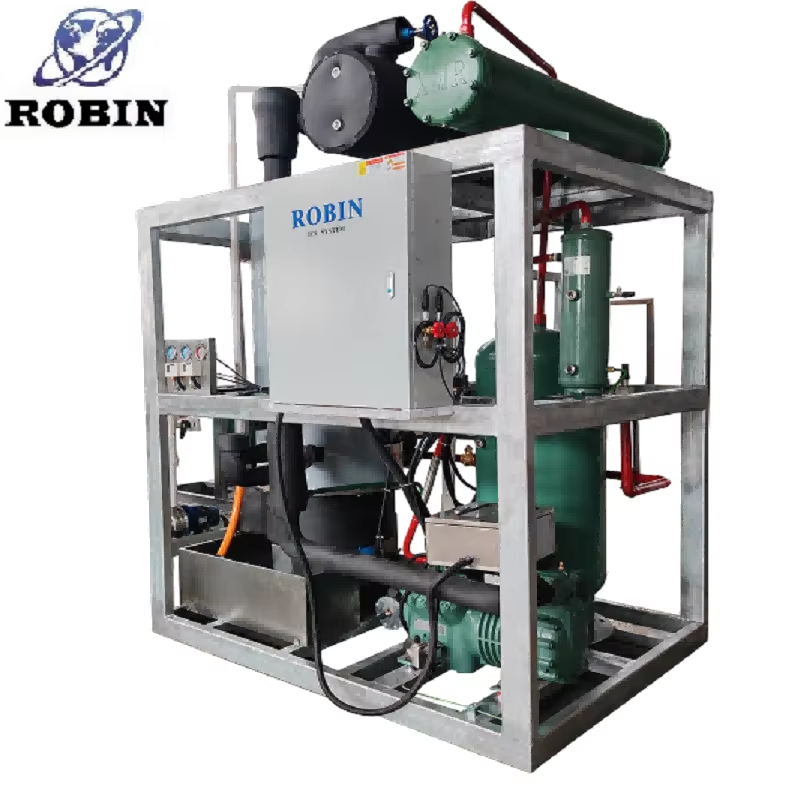
Commercial facilities that rely on consistent, high-volume ice supply face ongoing pressure to meet demand efficiently without sacrificing quality or operational reliability. Whether the context is food processing, beverages, fisheries, chemical cooling, or large-scale hospitality, the ability to produce the right type and volume of ice on-site can directly affect productivity and profitability. The tube ice maker machine has emerged as one of the most effective solutions for facilities that need dependable, scalable ice production built into their daily operations.
The answer to whether a tube ice maker machine can improve ice production in commercial facilities is a clear yes — but the extent and manner of that improvement depends on how the machine is matched to facility-specific conditions, load requirements, and operational workflows. This article breaks down how a tube ice maker machine delivers measurable improvements across key performance areas, what conditions make it most effective, and what commercial operators should understand before integrating one into their facility infrastructure.
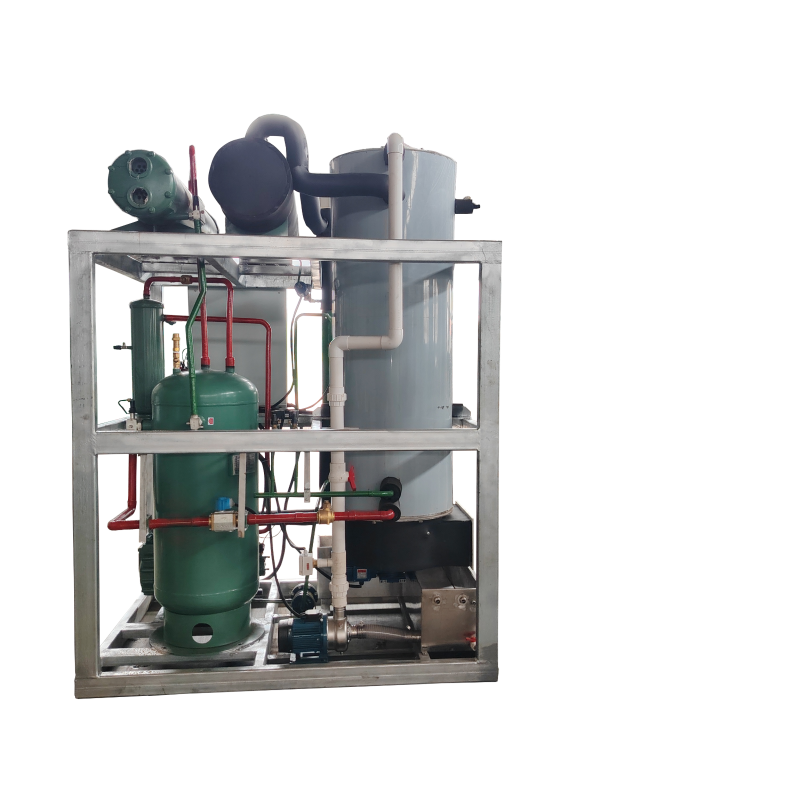
Understanding the Core Mechanism of a Tube Ice Maker Machine
How Tube Ice Is Formed
A tube ice maker machine produces ice in hollow cylindrical shapes by freezing water inside vertical tubes within an evaporator assembly. Refrigerant flows around the outside of these tubes, causing the water inside to freeze gradually from the outside inward. Once the tube ice reaches the desired wall thickness, a hot gas defrost cycle releases the formed ice, which is then cut into standardized lengths by a cutter mechanism before being discharged into a storage bin.
This formation method is fundamentally different from flake or block ice production, and it gives tube ice a distinct advantage in terms of structural integrity. The resulting hollow cylinder shape allows the ice to absorb and transfer cold efficiently, making it ideal for both direct product contact and indirect cooling applications in commercial environments.
The tube ice maker machine operates continuously in automated cycles, meaning facilities do not need manual intervention to maintain output. This automation is one of the primary reasons commercial operators see an immediate improvement in production consistency once the equipment is installed and calibrated.
Automated Production Cycles and Output Consistency
One of the defining characteristics of a tube ice maker machine is its ability to maintain uninterrupted production cycles without operator input between batches. Commercial facilities that previously relied on purchased ice or less automated systems often experience output gaps, quality inconsistencies, and logistical delays. A tube ice maker machine addresses all three of these issues by keeping ice output synchronized with demand throughout the operating day.
Modern tube ice maker machine designs incorporate sensors, automated water supply controls, and programmable operating parameters that allow facility managers to set target output levels and let the machine operate within those specifications. This level of process control translates directly into measurable production improvement, especially in high-throughput environments where ice supply disruptions carry downstream costs.
Production Capacity Improvements Across Commercial Applications
Scaling Output to Match Facility Demand
A tube ice maker machine is available in a range of production capacities, from smaller units producing one or two tons per day to large industrial systems capable of delivering tens of tons daily. This scalability is a critical factor in production improvement, because it allows commercial facilities to match ice output precisely to their operational requirements rather than over-purchasing or under-supplying.
For a seafood processing plant, for example, having a tube ice maker machine sized to meet peak production demands ensures that every processing shift has sufficient ice coverage for product preservation without reliance on third-party delivery schedules. For a beverage manufacturer, consistent ice availability from an on-site tube ice maker machine means production lines run without interruption caused by ice shortages during high-demand periods.
The ability to scale up by installing additional tube ice maker machine units or upgrading to higher-capacity models gives commercial operators a long-term production roadmap that adapts to business growth. This flexibility is a practical advantage that directly supports production improvement over time.
Continuous Operation and Reduced Downtime
Production improvement in commercial facilities is not just about volume — it is equally about uptime. A tube ice maker machine is engineered for continuous duty operation, meaning it can run for extended periods without mandatory shutdown intervals. This contrasts with some alternative ice production methods that require more frequent maintenance cycles or manual restocking procedures that interrupt output.
Many commercial-grade tube ice maker machine models also feature self-cleaning functions and accessible component layouts that make routine maintenance faster and less disruptive to production schedules. When maintenance time is reduced and machine uptime is extended, the overall ice production output per day increases — a direct and quantifiable improvement for the facility.
Downtime also carries indirect costs in commercial settings, including labor inefficiencies and product losses. A tube ice maker machine with a reliable operational track record reduces these hidden costs and contributes to a more stable production environment.
Ice Quality and Its Impact on Commercial Operational Efficiency
Physical Characteristics That Drive Downstream Performance
The quality of ice produced by a tube ice maker machine directly influences operational efficiency in many commercial applications. Tube ice has a low surface-to-volume ratio and a hollow center, which gives it excellent thermal retention properties compared to crushed or flake ice. It melts more slowly, maintains its shape under pressure, and does not compact into solid masses during storage or transport.
In fisheries and seafood logistics, this means fish and shellfish remain properly cooled for longer without the soggy, melt-heavy conditions that come with faster-melting ice types. In concrete cooling applications, the controlled melt rate of tube ice from a tube ice maker machine helps regulate concrete temperature during mixing with greater precision. In food processing, the slow-melt characteristic reduces water contamination in products that need to stay dry during chilling.
These quality advantages translate into real production improvements because they reduce rework, spoilage, and process variability. The tube ice maker machine does not just produce more ice — it produces better ice that performs reliably across diverse commercial conditions.
Hygienic Production Standards for Food-Grade Applications
Commercial facilities in food, beverage, pharmaceutical, and healthcare sectors must meet strict hygiene standards for any material that contacts products or production environments. A tube ice maker machine designed for food-grade applications uses stainless steel components in the ice contact zone, closed-loop water systems, and enclosed production chambers that prevent contamination from ambient air, pests, or personnel.
This hygienic design directly improves production quality by ensuring that ice leaving the tube ice maker machine meets the purity standards required for food safety compliance. Facilities that previously sourced ice from external suppliers had limited visibility into the production and handling hygiene of that ice. An on-site tube ice maker machine gives operators full control over ice quality from production through storage and use.
Hygiene compliance is also a production improvement driver in a regulatory sense. Facilities that can demonstrate on-site ice production from a certified, hygienic tube ice maker machine face fewer compliance risks and audits related to ice sourcing, which reduces administrative overhead and potential production holds.
Energy Efficiency and Cost Impact on Commercial Ice Production
Operating Cost Reduction Through Efficient Refrigeration Design
For a commercial facility evaluating whether a tube ice maker machine can improve their ice production, the energy and cost dimensions are central to the business case. A tube ice maker machine uses a refrigeration cycle specifically optimized for the tube ice formation process, which is generally more energy-efficient per kilogram of ice produced compared to systems that rely on less efficient thermal cycles.
Modern tube ice maker machine units are often compatible with high-efficiency compressors, environmentally responsible refrigerants, and variable-capacity operation that adjusts power consumption to real-time demand. These features reduce electricity costs over the machine's operational life, which is a meaningful improvement for facilities where energy forms a significant portion of production overhead.
The cost comparison also extends to the elimination of purchased ice logistics. When a commercial facility installs a tube ice maker machine on-site, it removes the cost of buying ice from third-party suppliers, paying for delivery, and managing the storage and handling associated with external ice supply chains. This transition often produces a clear return on investment within a defined payback period.
Long-Term Production Economics and Capital Justification
A tube ice maker machine represents a capital investment, and commercial facilities must evaluate whether that investment yields a net improvement in production economics over time. The answer typically depends on current ice consumption volumes, the cost differential between purchased and self-produced ice, and the value placed on supply reliability and quality control.
Facilities with consistent, high daily ice consumption almost universally find that a tube ice maker machine pays for itself within a reasonable operational timeframe. The combination of lower per-unit ice cost, improved production reliability, and better ice quality creates a compounding economic benefit that strengthens the case for the investment.
For facilities planning to expand operations or enter new markets that require reliable ice supply, installing a tube ice maker machine as part of the infrastructure build-out locks in production capability from the start and avoids the supply constraints that can limit growth when relying on purchased ice.
Integration and Operational Conditions That Maximize Improvement
Facility Layout and Infrastructure Compatibility
The degree to which a tube ice maker machine improves commercial ice production also depends on how well it is integrated into the facility's physical and mechanical infrastructure. Key considerations include access to a reliable water supply with appropriate quality, drainage capacity for the defrost water discharge, sufficient electrical supply matching the machine's power requirements, and ambient temperature conditions within the recommended operating range.
A tube ice maker machine installed in an environment where ambient temperatures are extreme or where water quality is poor without pretreatment will operate below its rated capacity and may experience accelerated component wear. Proper site preparation, including water filtration, climate control in the machine room, and correctly sized electrical connections, ensures the tube ice maker machine performs at its designed output level.
Facilities that invest in proper integration planning typically see the full production improvement that the tube ice maker machine is designed to deliver. Facilities that install the machine without addressing infrastructure prerequisites may see suboptimal results that underrepresent the machine's actual capability.
Operator Training and Maintenance Protocols
Even the most technically advanced tube ice maker machine requires informed operators who understand basic maintenance schedules, cleaning protocols, and performance monitoring. Commercial facilities that establish clear maintenance routines from the outset experience consistently higher ice output and machine longevity compared to those that treat the machine as a set-and-forget installation.
Routine tasks for a tube ice maker machine typically include checking water inlet filters, inspecting cutting blades for wear, monitoring refrigerant pressure readings, cleaning the water distribution system, and verifying that sensors and controls are functioning within specified parameters. None of these tasks require specialized engineering skills, but they do require consistent attention from trained facility personnel.
When operators understand how the tube ice maker machine works and what normal operating parameters look like, they can detect early signs of component wear or efficiency decline and address them before they cause unplanned downtime. This proactive approach is itself a production improvement strategy that extends the productive life of the machine.
FAQ
What types of commercial facilities benefit most from a tube ice maker machine?
Commercial facilities that benefit most include seafood processing plants, fisheries, concrete batching operations, food and beverage manufacturers, supermarkets with large fresh food sections, hospitals, and large-scale catering operations. Any facility that requires consistent access to high volumes of hygienic, slow-melting ice with minimal supply chain dependency will find that a tube ice maker machine provides meaningful production improvement.
How does a tube ice maker machine compare to other on-site ice production methods in terms of output quality?
Tube ice produced by a tube ice maker machine offers superior structural integrity and slower melt rates compared to flake or crushed ice. It does not compact or clump during storage, making it easier to handle and distribute throughout a facility. For applications requiring direct product contact, the consistent shape and hardness of tube ice also make it easier to manage in automated production and packaging lines.
Can a tube ice maker machine be scaled up if production requirements increase?
Yes. One of the practical advantages of a tube ice maker machine is that additional units can be installed alongside existing machines as production requirements grow. Many commercial facilities begin with a single tube ice maker machine sized for current demand and add capacity incrementally. This modular approach avoids over-investment at initial installation while ensuring that production improvement keeps pace with business expansion.
What maintenance schedule should a commercial facility expect for a tube ice maker machine?
A typical tube ice maker machine maintenance schedule includes daily visual checks, weekly cleaning of water distribution components, monthly inspection of cutting mechanisms and refrigerant pressures, and periodic professional servicing of the compressor and refrigeration circuit. Following the manufacturer's recommended maintenance schedule is the most reliable way to sustain the production improvement gains that come from installing a tube ice maker machine in the first place.
Table of Contents
- Understanding the Core Mechanism of a Tube Ice Maker Machine
- Production Capacity Improvements Across Commercial Applications
- Ice Quality and Its Impact on Commercial Operational Efficiency
- Energy Efficiency and Cost Impact on Commercial Ice Production
- Integration and Operational Conditions That Maximize Improvement
-
FAQ
- What types of commercial facilities benefit most from a tube ice maker machine?
- How does a tube ice maker machine compare to other on-site ice production methods in terms of output quality?
- Can a tube ice maker machine be scaled up if production requirements increase?
- What maintenance schedule should a commercial facility expect for a tube ice maker machine?