
 EN


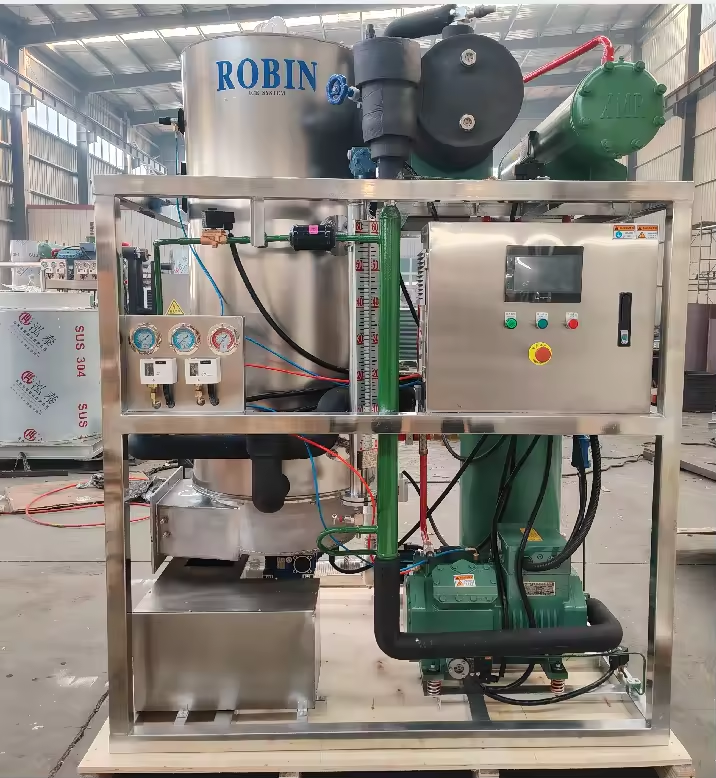
In food processing, healthcare, fisheries, and beverage production, the integrity of ice directly affects product safety and regulatory compliance. A tube ice maker machine is engineered from the ground up to meet the demanding hygiene standards that modern industrial and commercial operations require. Unlike flake or block ice alternatives, tube ice is produced through a closed, automated process that minimizes human contact and environmental contamination at every stage of the production cycle. Understanding how this equipment supports hygienic ice supply operations helps procurement managers, facility operators, and quality assurance teams make informed decisions about their cold chain infrastructure.
The design philosophy behind a tube ice maker machine prioritizes containment, consistency, and cleanability. Each unit produces hollow cylindrical ice pieces within sealed evaporator tubes, ensuring that the ice never comes into contact with open air, unfiltered water sources, or manual handling equipment during formation. This structural approach to hygiene is not incidental — it is built into the core mechanics of how tube ice is made. For operations where contamination risk carries serious consequences, this level of process control is not a luxury but a baseline requirement.
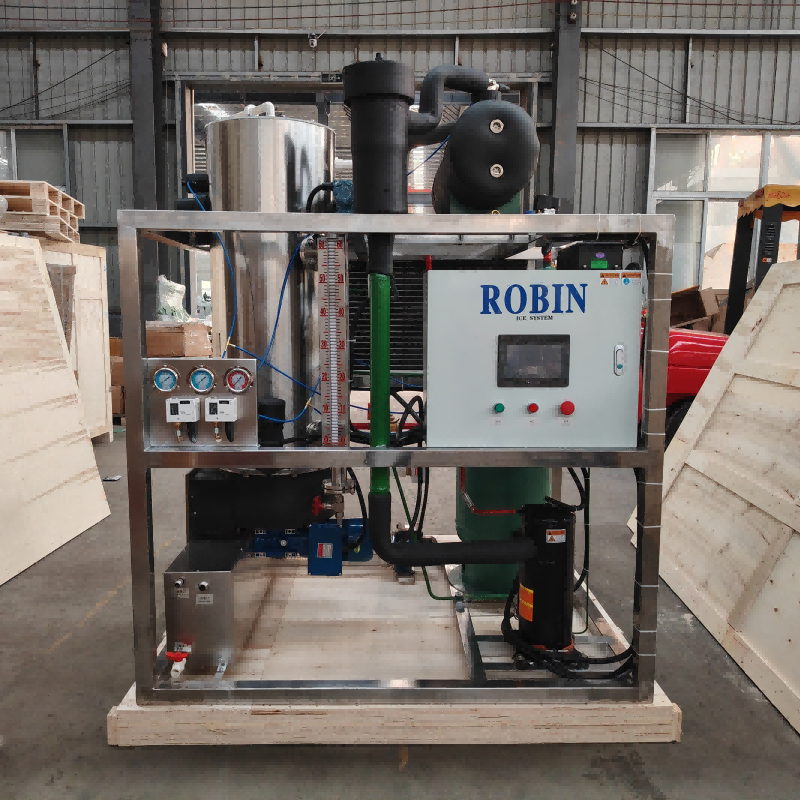
The Closed-System Production Process and Its Hygiene Advantages
How Ice Forms Inside a Sealed Evaporator
The production cycle of a tube ice maker machine begins with filtered water entering a set of vertical evaporator tubes. As refrigerant circulates around the exterior of these tubes, water freezes progressively from the inner wall outward, forming the characteristic hollow cylindrical shape. Because this entire freezing process occurs within a sealed metal environment, airborne particles, dust, insects, and other contaminants found in open production areas cannot reach the ice during formation.
This closed-system design is one of the most significant hygiene advantages a tube ice maker machine offers over open-tray or open-drum ice production methods. In open systems, ice surfaces are exposed to ambient conditions throughout the freezing cycle, creating multiple windows for microbial or particulate contamination. The sealed evaporator eliminates these windows entirely, which is why tube ice is widely accepted in food-grade and pharmaceutical-adjacent applications.
Once the ice reaches the target thickness, warm refrigerant or water is briefly circulated to release the tubes from the evaporator walls. The ice then drops by gravity into a storage bin below, again without requiring manual intervention. This gravity-release mechanism further reduces the number of contact points between the ice and any external surface or human hand.
Water Quality Control at the Input Stage
A tube ice maker machine is typically integrated with pre-filtration systems that treat incoming water before it enters the evaporator. Standard configurations include sediment filters, activated carbon filters, and in some installations, UV sterilization units. These upstream treatment steps ensure that the water used to produce ice meets potable standards before the freezing process begins.
Water quality at the input stage is a critical but often overlooked dimension of hygienic ice supply. Even a well-designed tube ice maker machine cannot compensate for heavily contaminated source water without adequate pre-treatment. Operators who invest in proper water conditioning upstream consistently achieve better microbiological test results in their finished ice, which is essential for facilities subject to third-party food safety audits.
The hollow core of tube ice also plays a functional role here. During the freezing process, dissolved minerals and impurities tend to concentrate in the liquid water at the center of the tube rather than being trapped in the ice crystal structure. When the ice is harvested, this mineral-rich core water drains away, resulting in a cleaner, clearer ice product with lower total dissolved solids than many alternative ice forms.
Automated Operation and Reduced Human Contact
Minimizing Manual Handling Throughout the Production Cycle
One of the most direct ways a tube ice maker machine supports hygienic operations is by automating the entire production sequence from water intake to ice storage. Modern units operate on programmable control systems that manage water fill cycles, refrigeration timing, harvest sequences, and bin level monitoring without requiring operator intervention during normal production runs. This automation dramatically reduces the number of times a human hand needs to interact with the ice or the ice-contact surfaces of the machine.
In high-throughput environments such as seafood processing plants or large-scale beverage facilities, manual ice handling is a recognized contamination risk. Workers who handle ice directly introduce skin flora, glove residues, and cross-contamination from other surfaces into the ice supply. A tube ice maker machine that operates autonomously from production through storage eliminates this risk category almost entirely during the manufacturing phase.
The storage bin integrated into most tube ice maker machine configurations is also designed with hygiene in mind. Bins are typically constructed from food-grade stainless steel or high-density polyethylene, both of which resist bacterial adhesion and are compatible with standard sanitizing agents. Smooth interior surfaces without crevices or joints minimize the areas where biofilm can develop over time.
Continuous Production and Fresh Ice Availability
A tube ice maker machine designed for continuous operation ensures that fresh ice is always available without requiring large pre-made stockpiles that sit in storage for extended periods. Ice that is stored for long durations, particularly in environments with fluctuating temperatures, is more susceptible to surface contamination and partial melting that can concentrate any existing microbial load. Continuous production reduces reliance on stored inventory and keeps the ice supply fresher.
For operations with predictable demand cycles, the ability to match production rate to consumption rate is both a hygiene advantage and an operational efficiency gain. A tube ice maker machine with appropriately sized capacity can produce ice on demand, reducing the need for secondary transport, repackaging, or prolonged bin storage — all of which introduce additional contamination opportunities.
Cleanability and Maintenance Design for Food-Safe Environments
Surface Materials and Sanitation Compatibility
The internal components of a tube ice maker machine that come into contact with water or ice are constructed from materials approved for food contact applications. Stainless steel evaporator tubes, food-grade plastic water distribution components, and corrosion-resistant hardware are standard specifications in machines intended for hygienic environments. These material choices are not merely about durability — they directly affect how effectively the machine can be cleaned and sanitized between production cycles.
Stainless steel surfaces, in particular, are valued in food processing environments because they do not harbor bacteria in the same way that porous or rough materials do, and they withstand the chemical concentrations used in commercial sanitizing protocols. A tube ice maker machine built with these materials can be incorporated into a facility's regular cleaning and sanitation schedule without requiring special handling or chemical restrictions.
Operators should verify that the specific tube ice maker machine model they select carries relevant food safety certifications for their market, such as NSF/ANSI standards in North America or equivalent certifications in other regions. These certifications confirm that the machine's design and materials have been independently evaluated against established food safety criteria.
Scheduled Maintenance and Contamination Prevention
Preventive maintenance is an integral part of keeping a tube ice maker machine operating within hygienic parameters over its service life. Scale buildup inside evaporator tubes, biofilm development in water distribution lines, and filter saturation are the most common maintenance-related hygiene risks. Each of these issues can be managed effectively through scheduled descaling, sanitization cycles, and filter replacement programs.
Most commercial tube ice maker machine models are designed with maintenance access in mind, providing removable panels, accessible water circuits, and clear service documentation. Facilities that establish and follow manufacturer-recommended maintenance intervals consistently maintain better microbiological performance in their ice supply compared to those that treat maintenance as a reactive activity.
Documenting maintenance activities is also important for facilities subject to food safety audits. A well-maintained tube ice maker machine with a complete service log provides auditors with evidence that the ice supply chain has been actively managed, which supports broader HACCP and food safety management system compliance.
Application Contexts Where Hygienic Ice Supply Is Critical
Food Processing and Seafood Preservation
In seafood processing, ice is not merely a cooling medium — it is in direct contact with the product and therefore subject to the same food safety standards as the seafood itself. A tube ice maker machine producing food-grade ice on-site eliminates the logistical and hygiene risks associated with purchasing bagged ice from external suppliers, where cold chain integrity during transport cannot always be verified. On-site production gives facility managers direct control over ice quality from the moment of production.
The shape of tube ice also provides practical advantages in seafood applications. The hollow cylindrical form allows ice to pack around irregular product shapes more effectively than block ice, while the smooth surface reduces the risk of physical damage to delicate fish or shellfish. A tube ice maker machine therefore contributes to both hygiene and product quality outcomes simultaneously.
Beverage Production and Hospitality Operations
In beverage production and hospitality settings, ice that enters a drink is consumed directly by the end customer, making its microbiological status a direct public health concern. A tube ice maker machine installed in a hotel, restaurant, or bottling facility provides a traceable, controlled ice source that can be incorporated into the facility's food safety documentation. This traceability is increasingly expected by health inspectors and food safety certification bodies.
The consistent size and shape of tube ice also supports portion control and presentation standards in hospitality environments. Beyond hygiene, the predictable dimensions of ice produced by a tube ice maker machine allow beverage operations to standardize recipes and cooling performance, which contributes to a consistent customer experience alongside the underlying safety benefits.
FAQ
How does a tube ice maker machine prevent contamination during ice production?
A tube ice maker machine prevents contamination primarily through its closed-system evaporator design, which keeps ice isolated from ambient air and manual contact throughout the freezing process. Combined with upstream water filtration and automated harvest mechanisms, the machine minimizes the number of contamination pathways that exist in open or manual ice production systems.
What maintenance is required to keep a tube ice maker machine hygienic?
Regular maintenance for a tube ice maker machine includes periodic descaling of evaporator tubes, sanitization of water distribution components, replacement of pre-filtration media, and inspection of storage bin surfaces. Following the manufacturer's recommended maintenance schedule and documenting all service activities are the most effective ways to sustain hygienic performance over the machine's operational life.
Is tube ice suitable for direct food contact applications?
Yes, tube ice produced by a properly maintained and certified tube ice maker machine is suitable for direct food contact applications including seafood preservation, food processing cooling, and beverage service. The key requirements are that the machine uses food-grade materials, the source water meets potable standards, and the equipment is maintained and sanitized according to established food safety protocols.
How does on-site tube ice production compare to purchasing bagged ice from a hygiene standpoint?
On-site production with a tube ice maker machine gives facility operators direct control over the entire ice supply chain, from water quality through storage. Purchased bagged ice introduces variables including transport conditions, handling at distribution points, and storage duration that are outside the buyer's control. For operations with strict food safety requirements, on-site production with a tube ice maker machine is generally the more controllable and auditable option.
Table of Contents
- The Closed-System Production Process and Its Hygiene Advantages
- Automated Operation and Reduced Human Contact
- Cleanability and Maintenance Design for Food-Safe Environments
- Application Contexts Where Hygienic Ice Supply Is Critical
-
FAQ
- How does a tube ice maker machine prevent contamination during ice production?
- What maintenance is required to keep a tube ice maker machine hygienic?
- Is tube ice suitable for direct food contact applications?
- How does on-site tube ice production compare to purchasing bagged ice from a hygiene standpoint?