
 EN


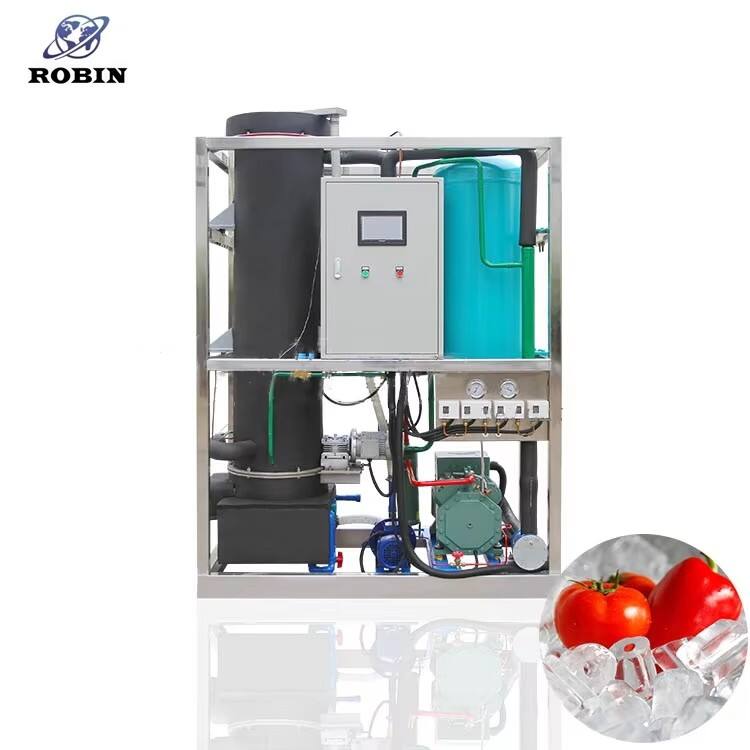
The ice tube machine has become an essential piece of equipment across a wide range of commercial operations, from busy restaurant kitchens to large-scale food processing facilities. Its ability to produce cylindrical ice in consistent shapes and sizes makes it uniquely suited to applications where both cooling efficiency and presentation matter. As the beverage and food industries continue to grow in scale and complexity, understanding exactly how an ice tube machine is deployed in real-world commercial settings has become increasingly important for operators, procurement managers, and facility planners alike.
Unlike flake or cube ice, tube ice is hollow at its core, which gives it a distinctive combination of slow-melt properties and high surface contact area. This structural characteristic directly influences how the ice tube machine is used across different commercial contexts. Whether the goal is to keep beverages cold for extended periods, preserve fresh seafood during transport, or maintain the temperature of food displays, the ice tube machine delivers a reliable and cost-effective solution. This article explores the specific ways this equipment is integrated into commercial beverage and food industry workflows.
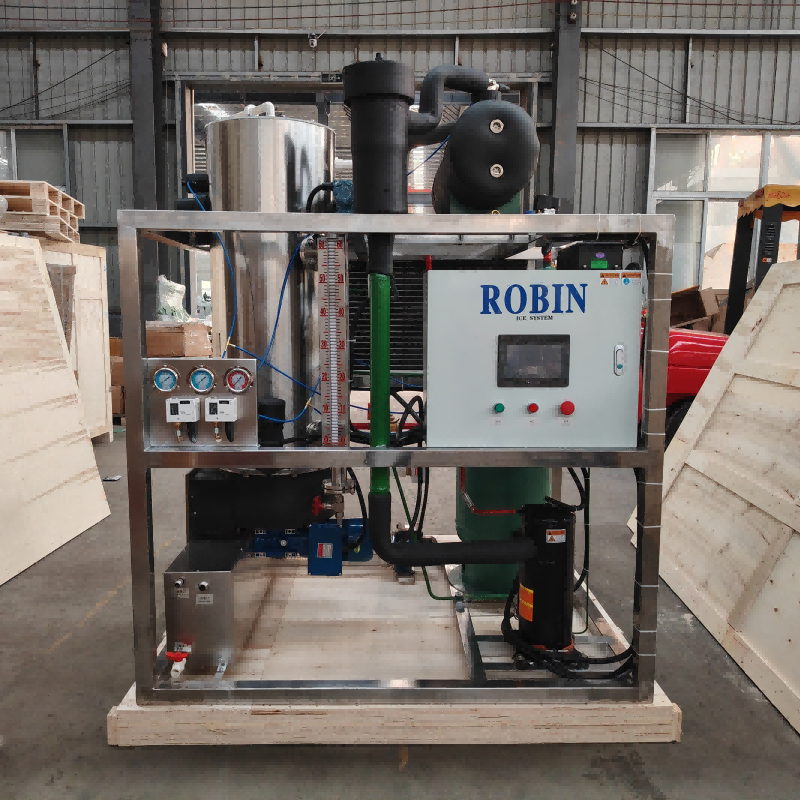
How the Ice Tube Machine Works in Commercial Beverage Service
Bar and Restaurant Drink Preparation
In bars, restaurants, and cafes, the ice tube machine plays a central role in daily drink preparation. The cylindrical shape of tube ice fits naturally into tall glasses and cocktail shakers, allowing bartenders and service staff to work efficiently during high-volume service periods. Because tube ice melts more slowly than crushed or flake ice, beverages maintain their intended temperature and flavor profile for longer without becoming diluted too quickly.
The consistent size and shape produced by an ice tube machine also supports portion control and presentation standards. In upscale dining environments, the visual uniformity of tube ice contributes to a polished customer experience. Operators can rely on the machine to produce a steady output that matches the pace of service, reducing the risk of running short during peak hours.
Commercial beverage outlets often run their ice tube machine continuously during operating hours, storing output in insulated bins for immediate access. The hollow core of tube ice allows cold air to circulate more effectively within the storage bin, helping to maintain ice quality over time. This operational reliability is one of the primary reasons the ice tube machine has become a standard fixture in professional beverage service environments.
Cold Beverage Dispensing and Bottling Operations
Beyond individual drink service, the ice tube machine is widely used in cold beverage dispensing systems and bottling operations. In facilities that produce bottled juices, soft drinks, or ready-to-drink products, tube ice is used to rapidly cool liquids during processing stages. The hollow structure of tube ice increases the contact surface between the ice and the liquid, accelerating the cooling process without introducing excess water too quickly.
Beverage bottling plants often integrate the ice tube machine directly into their production line, using automated conveyors to transfer ice from the machine to cooling tanks or jacketed vessels. This integration reduces manual handling and supports a more hygienic production environment. The ice tube machine's output capacity can be matched to the throughput requirements of the bottling line, ensuring that cooling is never a bottleneck in production.
In large-scale dispensing operations such as stadium concession stands or event catering services, the ice tube machine provides the volume and consistency needed to serve hundreds or thousands of customers efficiently. The slow-melt characteristic of tube ice is particularly valuable in these settings, where ice may sit in dispensers for extended periods before use.
Applications of the Ice Tube Machine in Food Preservation and Processing
Seafood and Perishable Goods Handling
The food processing industry relies heavily on the ice tube machine for the preservation of perishable goods, particularly seafood. Fish markets, processing plants, and cold storage facilities use tube ice to pack and transport fresh catches, maintaining the low temperatures required to slow bacterial growth and preserve product quality. The cylindrical shape of tube ice allows it to pack tightly around irregular shapes like whole fish or shellfish, providing even coverage and consistent cooling.
Because tube ice produced by an ice tube machine is typically made from filtered water and formed under controlled conditions, it meets the hygiene standards required for direct food contact. This is a critical consideration in seafood handling, where contamination risks must be minimized at every stage of the supply chain. Operators can configure the ice tube machine to produce ice that complies with food safety regulations applicable in their market.
In export-oriented seafood operations, the ice tube machine is often used to produce large quantities of ice that are loaded directly into shipping containers alongside the product. The slow-melt rate of tube ice is especially advantageous in long-distance transport scenarios, where maintaining temperature over many hours or days is essential to product integrity and market value.
Supermarket and Retail Food Display
Supermarkets and retail food outlets use the ice tube machine to create attractive and functional display beds for fresh produce, meat, and seafood counters. Tube ice provides a visually appealing presentation surface while simultaneously keeping products at safe temperatures throughout the retail day. The uniform shape and clarity of tube ice enhance the visual appeal of fresh food displays, which directly influences consumer purchasing decisions.
Retail operators typically position the ice tube machine in a back-of-house area and transport ice to display counters as needed. The machine's output is calibrated to match the daily replenishment cycle of the display, ensuring that fresh ice is always available without overproduction. This balance between output and demand is a key operational consideration when selecting and configuring an ice tube machine for retail use.
In warmer climates or during summer months, the demand placed on the ice tube machine increases significantly. Retail operators in these environments often invest in higher-capacity machines or supplementary storage systems to ensure continuity of supply. The ice tube machine's ability to operate continuously and reliably under sustained load makes it well suited to these demanding retail conditions.
Ice Tube Machine Use in Catering, Hospitality, and Large-Scale Events
Hotel and Resort Operations
Hotels and resorts represent one of the most diverse use environments for the ice tube machine. From poolside bars and room service to banquet halls and buffet lines, tube ice is needed in multiple locations simultaneously. Large hospitality properties often install multiple ice tube machines at strategic points throughout the facility to minimize transport distances and ensure that ice is always available where it is needed most.
In hotel kitchens, the ice tube machine supports food preparation tasks such as chilling sauces, cooling cooked proteins rapidly, and maintaining the temperature of cold buffet items. The consistent output of the machine allows kitchen managers to plan ice usage as part of their broader food safety and temperature management protocols. This integration of the ice tube machine into kitchen workflow reflects its versatility as a commercial tool.
Hospitality operators also value the ice tube machine for its relatively low maintenance requirements compared to other ice-making technologies. Routine cleaning and periodic servicing are typically sufficient to keep the machine running at full capacity, which is important in environments where downtime directly affects guest experience and revenue.
Event Catering and Outdoor Food Service
Event catering companies and outdoor food service operators depend on the ice tube machine to supply large volumes of ice for temporary setups such as festivals, corporate events, and outdoor markets. In these contexts, the machine is often used in conjunction with portable storage bins and insulated transport containers to maintain ice quality from the point of production to the point of use.
The slow-melt property of tube ice is particularly valuable in outdoor settings where ambient temperatures are high and ice is exposed to heat for extended periods. Catering operators who use an ice tube machine can extend the effective service window of their ice supply, reducing the frequency of replenishment runs and lowering overall operational costs. This efficiency advantage makes the ice tube machine a preferred choice for high-volume event catering.
For events that involve both food and beverage service, the ice tube machine provides a single ice type that works effectively across both applications. This simplifies logistics and reduces the need to manage multiple ice formats simultaneously, which is a practical benefit in fast-paced event environments where operational simplicity directly supports service quality.
Operational and Efficiency Considerations When Using an Ice Tube Machine
Capacity Planning and Output Matching
Selecting the right ice tube machine for a commercial application requires careful analysis of daily ice demand, peak usage periods, and storage capacity. Operators must account for the fact that ice consumption in food and beverage settings is rarely constant throughout the day. A machine that is correctly sized for average demand may fall short during peak service periods, while an oversized machine may result in unnecessary energy consumption during slower periods.
Most commercial ice tube machine models are available in a range of output capacities, typically measured in kilograms or tons of ice produced per 24-hour period. Operators should calculate their peak daily demand and select a machine with sufficient capacity to meet that demand while maintaining a reasonable buffer. Consulting with equipment specialists during the selection process helps ensure that the chosen ice tube machine aligns with both current needs and anticipated growth.
Storage bin capacity is equally important in capacity planning. Even a high-output ice tube machine will fail to meet demand if the storage system cannot hold enough ice to cover peak periods. Integrated storage solutions that are designed to work with specific ice tube machine models offer the most efficient use of space and the best preservation of ice quality over time.
Hygiene, Maintenance, and Food Safety Compliance
In commercial food and beverage environments, the ice tube machine must be maintained to strict hygiene standards. Ice that is produced in a contaminated machine can pose serious food safety risks, particularly when it comes into direct contact with consumable products. Regular cleaning of the machine's water distribution system, evaporator tubes, and storage components is essential to prevent the buildup of biofilm, scale, and other contaminants.
Many modern ice tube machine models include features that simplify the cleaning process, such as automated flush cycles and accessible internal components. Operators should follow the manufacturer's recommended maintenance schedule and keep records of cleaning activities as part of their broader food safety management system. In regulated markets, compliance with local food safety standards may require periodic third-party inspection of ice-making equipment.
Water quality also plays a significant role in the performance and hygiene of the ice tube machine. Hard water with high mineral content can cause scale buildup on evaporator surfaces, reducing efficiency and potentially affecting ice quality. Installing a water filtration or softening system upstream of the ice tube machine is a common practice in commercial settings and helps extend the operational life of the equipment.
FAQ
What types of businesses benefit most from using an ice tube machine?
Businesses that benefit most from an ice tube machine include restaurants, bars, hotels, seafood processors, supermarkets, beverage bottling plants, and event catering companies. Any commercial operation that requires large, consistent volumes of ice for cooling, preservation, or presentation purposes will find the ice tube machine to be a practical and cost-effective solution.
How does tube ice differ from other types of commercial ice?
Tube ice is cylindrical and hollow at its core, which gives it a slower melt rate and higher surface contact area compared to cube or flake ice. This makes it particularly well suited for applications where prolonged cooling is needed, such as seafood transport, beverage service, and food display. The ice tube machine produces this distinctive shape through a controlled freezing process around vertical evaporator tubes.
How often does an ice tube machine need to be cleaned in a commercial setting?
In most commercial food and beverage environments, an ice tube machine should be cleaned and sanitized at least once every one to three months, depending on usage intensity and local water quality. High-volume operations or facilities in areas with hard water may require more frequent cleaning. Always follow the specific maintenance guidelines provided by the equipment manufacturer and comply with applicable food safety regulations.
Can an ice tube machine operate continuously in a high-demand environment?
Yes, commercial-grade ice tube machines are designed for continuous operation and can run around the clock to meet sustained demand. The key is to select a machine with the appropriate output capacity for the application and to ensure that the water supply, drainage, and ventilation systems are correctly configured. Regular maintenance is essential to sustain reliable performance over extended operating periods.