Superior Heat Transfer Efficiency Through Maximum Surface Contact
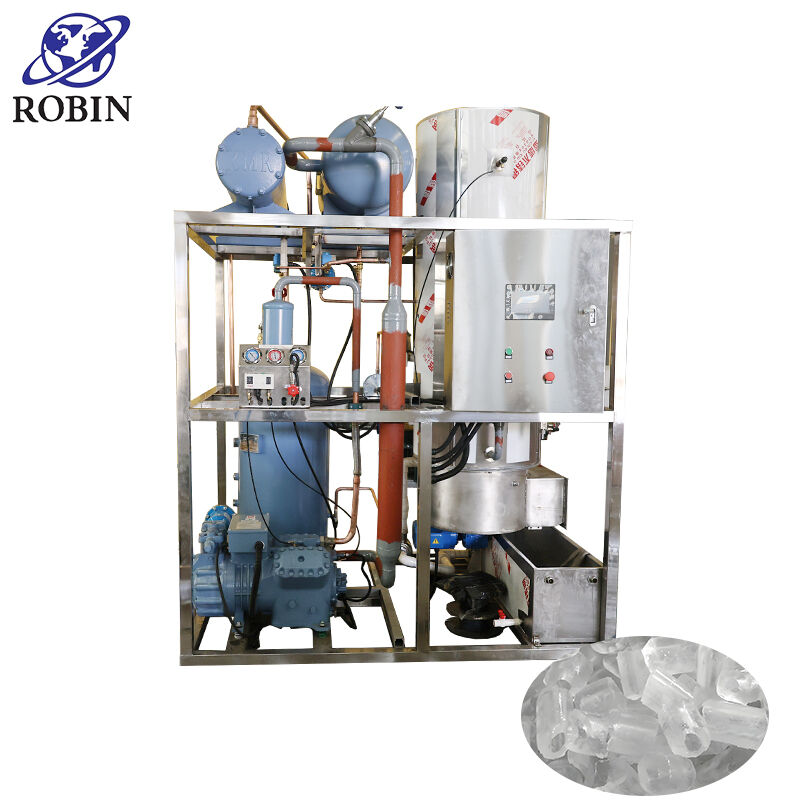
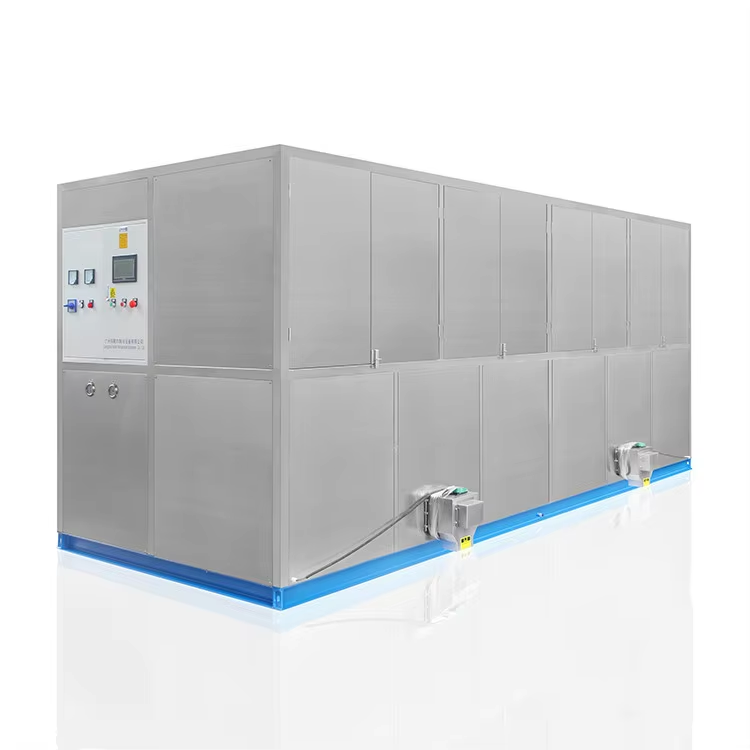
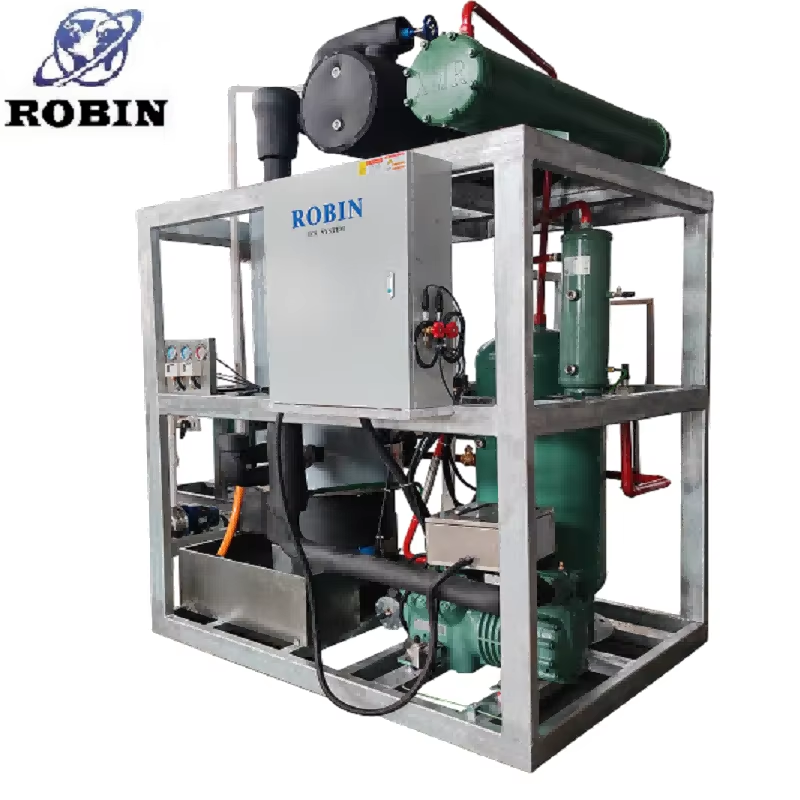
The flake ice machine for poultry cooling produces ice with an exceptionally high surface area to volume ratio that revolutionizes heat transfer efficiency in poultry processing applications. Each ice flake measures approximately 1 to 2 millimeters thick with irregular edges that interlock when packed around poultry products. This unique geometry creates intimate contact between ice and meat surfaces, eliminating air gaps that would otherwise insulate products and slow cooling rates. The thin profile allows flakes to conform to complex poultry shapes, wrapping around wings, legs, and body cavities where traditional ice forms cannot reach effectively. When flake ice contacts warm poultry tissue, the minimal thickness enables rapid heat conduction through the ice crystal structure, accelerating the phase change from solid to liquid. This melting process absorbs substantial thermal energy, pulling heat away from poultry at rates that exceed other cooling methods by significant margins. Processing facilities measure core temperature reductions of 15 to 20 degrees within the first hour of flake ice application, compared to 8 to 12 degrees with alternative approaches. The flake ice machine for poultry cooling maintains this performance advantage throughout the cooling cycle, ensuring products reach safe storage temperatures before bacterial proliferation can begin. The increased surface contact also distributes cooling uniformly across all product surfaces, preventing hot spots that compromise quality in specific areas. Breast meat, thigh portions, and organ cavities all receive equivalent cooling attention, resulting in consistent product quality across entire batches. This uniformity proves especially valuable for facilities processing premium poultry products where quality consistency commands higher market prices. The flake ice machine for poultry cooling enables processors to meet strict temperature requirements for export markets and specialty retail channels. Beyond initial cooling, the superior surface contact maintains stable temperatures during storage and transportation phases. Flake ice packed around poultry in shipping containers creates a continuous cold envelope that responds dynamically to temperature fluctuations. As ambient temperatures rise, additional ice melts to absorb the excess heat, while cooler conditions preserve remaining ice for extended protection. This self-regulating behavior provides insurance against cold chain breaks that could spoil entire shipments.

 EN