Block Ice Machine for Food Processing - Industrial Cooling Solutions for Freshness

Get a Free Quote

Our representative will contact you soon.
Email
Name
Company Name
Message
0/1000

block ice machine for food processing

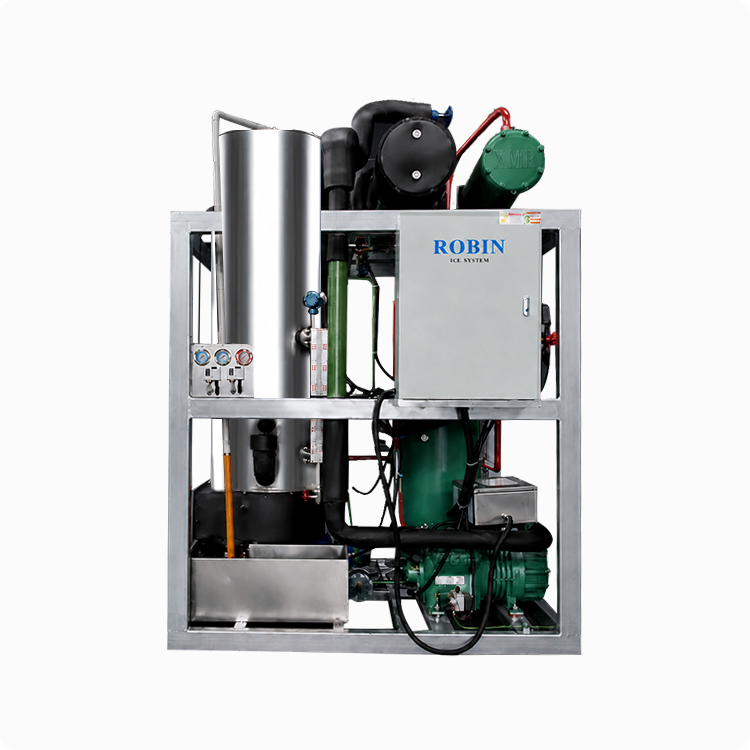
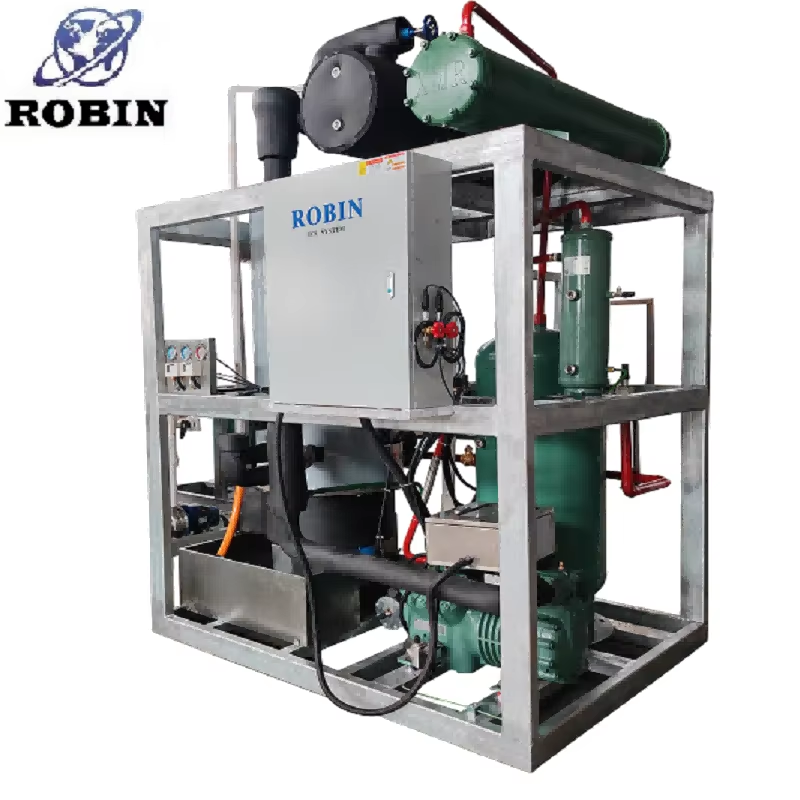
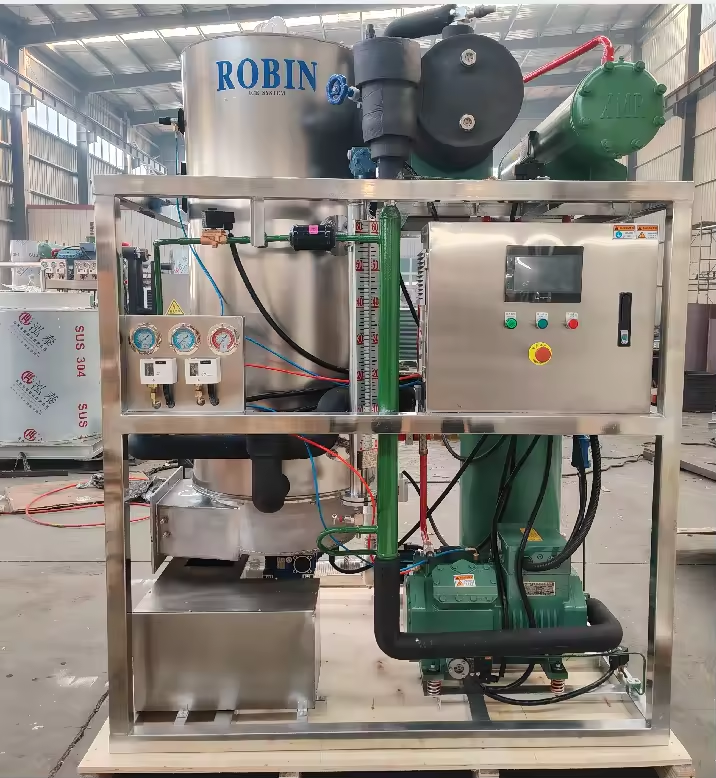
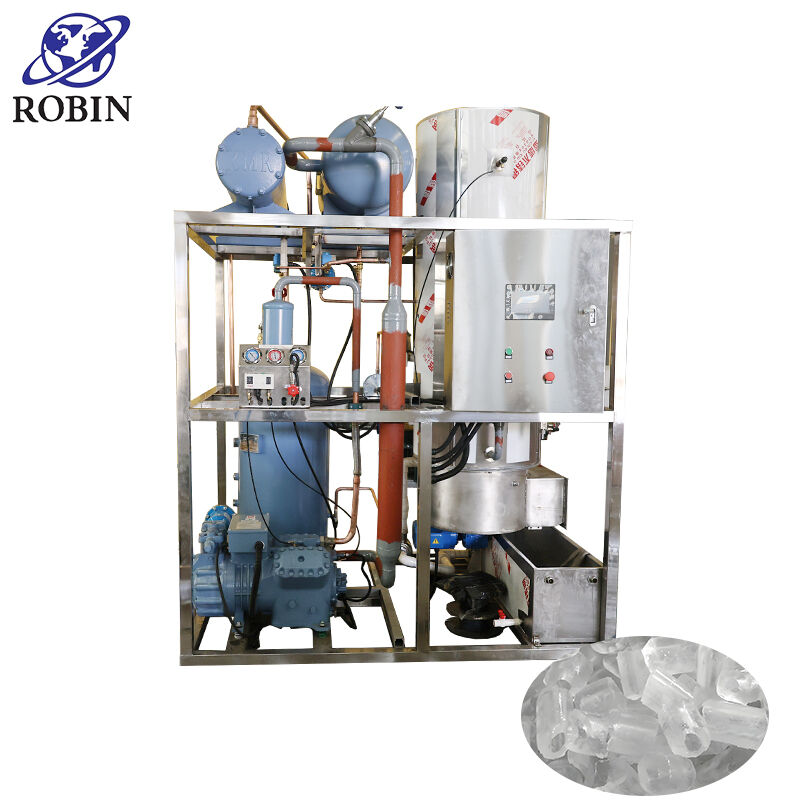
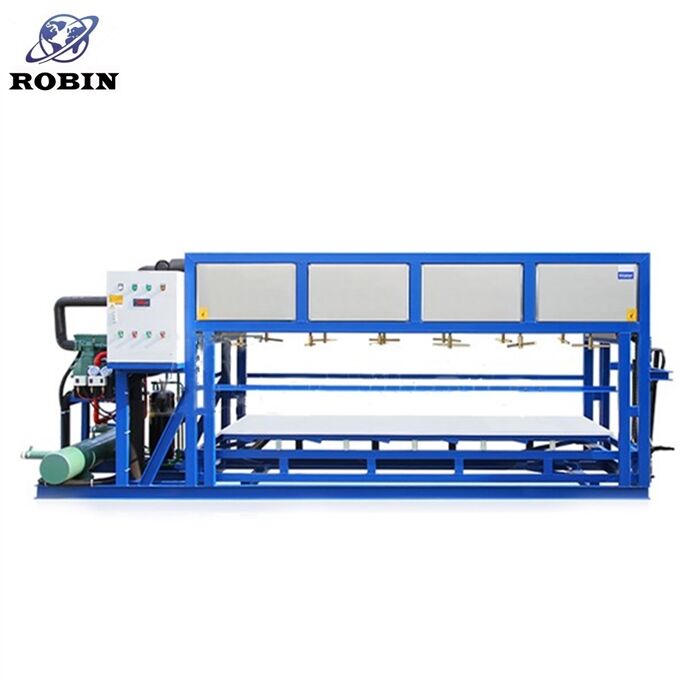
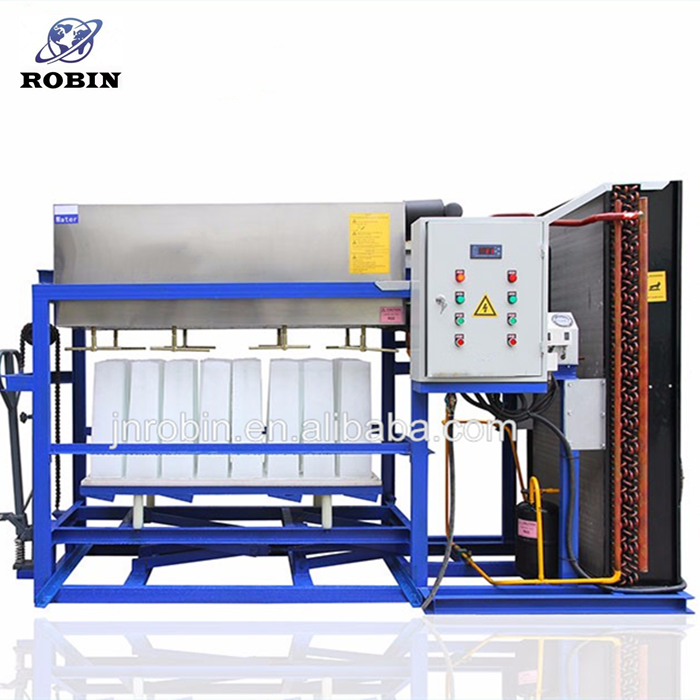
A block ice machine for food processing represents a specialized refrigeration system designed to produce large, solid blocks of ice that serve critical functions in commercial food handling, preservation, and distribution operations. These industrial-grade machines create ice blocks typically ranging from 25 to 300 pounds, depending on the specific model and operational requirements. The primary function of a block ice machine for food processing centers on generating dense, slow-melting ice that maintains consistent temperatures for extended periods, making it ideal for preserving seafood, meat, poultry, produce, and other perishable goods throughout the supply chain. The technological framework of these machines incorporates advanced refrigeration cycles, automated water distribution systems, and precision temperature controls that ensure uniform freezing and optimal ice quality. Modern block ice machine for food processing units utilize energy-efficient compressors, corrosion-resistant materials, and automated harvesting mechanisms that streamline production while minimizing labor requirements. The applications span diverse sectors within the food industry, including fishing vessels, seafood processing plants, meat packing facilities, wholesale markets, cold storage warehouses, and food distribution centers. These machines prove particularly valuable in regions with limited cold chain infrastructure, where block ice serves as a portable refrigeration solution. The ice blocks produced can be crushed, shaved, or used whole depending on specific cooling needs, offering versatility that adapts to various food processing scenarios. The robust construction of industrial block ice machine for food processing equipment ensures reliable operation in demanding environments, from tropical climates to high-volume processing facilities. The technology continues to evolve with innovations in automation, energy efficiency, and sanitation standards, reflecting the food industry's growing emphasis on food safety, sustainability, and operational efficiency in preservation methods.


New Product Recommendations

The block ice machine for food processing delivers substantial cost savings through reduced energy consumption compared to alternative cooling methods, as the dense ice structure melts slowly and maintains temperatures longer, requiring less frequent replacement and minimizing refrigeration expenses. Businesses benefit from lower operational costs because these machines operate with straightforward mechanics that reduce maintenance requirements and extend equipment lifespan, translating to better return on investment over time. The portability advantage cannot be overstated, as ice blocks can be transported to remote locations, fishing boats, or temporary processing sites where electrical refrigeration proves impractical or unavailable, expanding operational flexibility for food businesses. Food safety improves dramatically because the block ice machine for food processing creates pure, contaminant-free ice when properly maintained, ensuring that products remain uncontaminated during cooling and storage processes, which protects brand reputation and consumer health. The versatility of block ice accommodates multiple applications within a single facility, from direct product contact cooling to ambient temperature control in storage areas, eliminating the need for multiple specialized cooling systems. Production scalability allows businesses to match ice output with seasonal demand fluctuations, ramping up capacity during peak harvest or processing periods without overinvesting in permanent infrastructure. The simplicity of operation means staff require minimal training to manage the block ice machine for food processing effectively, reducing labor costs and minimizing errors that could compromise product quality. Temperature consistency achieved through block ice surpasses many alternative methods because the large thermal mass resists rapid temperature fluctuations, protecting sensitive products from freeze-thaw cycles that degrade quality. Environmental benefits emerge from the elimination of chemical refrigerants in the cooling process itself, as ice provides natural, non-toxic refrigeration that aligns with sustainability goals and regulatory requirements. The durability of commercial-grade block ice machine for food processing equipment withstands harsh processing environments, including high humidity, temperature extremes, and frequent washdowns, ensuring continuous operation without frequent breakdowns. Space efficiency becomes apparent when comparing the footprint of a block ice machine for food processing against the equivalent cooling capacity of multiple smaller ice makers or refrigeration units, optimizing facility layouts. The economic advantage extends to product quality preservation, as properly iced products command premium prices in markets where freshness directly impacts value, improving profit margins for processors and distributors. Businesses gain competitive advantages through faster processing times, as abundant ice availability eliminates bottlenecks in cooling operations, allowing higher throughput during critical processing windows when product freshness matters most.

Latest News

Is Tube Ice Maker Machine Suitable for High-Capacity Ice Manufacturing?

08

May

Is Tube Ice Maker Machine Suitable for High-Capacity Ice Manufacturing?

When industrial buyers and plant managers evaluate large-scale ice production systems, one question consistently surfaces: is a tube ice maker machine genuinely capable of meeting high-capacity manufacturing demands? The answer is not simply yes or n...
View More
How Does Tube Ice Maker Machine Support Hygienic Ice Supply Operations?

12

May

How Does Tube Ice Maker Machine Support Hygienic Ice Supply Operations?

In food processing, healthcare, fisheries, and beverage production, the integrity of ice directly affects product safety and regulatory compliance. A tube ice maker machine is engineered from the ground up to meet the demanding hygiene standards that...
View More
Can Tube Ice Maker Machine Improve Ice Production in Commercial Facilities?

14

May

Can Tube Ice Maker Machine Improve Ice Production in Commercial Facilities?

Commercial facilities that rely on consistent, high-volume ice supply face ongoing pressure to meet demand efficiently without sacrificing quality or operational reliability. Whether the context is food processing, beverages, fisheries, chemical cool...
View More
How Is Flake Ice Machine for Fish Used in Seafood Processing Facilities?

26

May

How Is Flake Ice Machine for Fish Used in Seafood Processing Facilities?

In seafood processing facilities, temperature control is not a preference — it is a biological necessity. From the moment a fish is harvested to the point it reaches a consumer's plate, maintaining a consistently low temperature determines whet...
View More

Get a Free Quote

Our representative will contact you soon.
Email
Name
Company Name
Message
0/1000

block ice machine for food processing

Superior Temperature Maintenance for Extended Freshness

Superior Temperature Maintenance for Extended Freshness

The block ice machine for food processing excels at producing large, dense ice formations that deliver unmatched temperature stability for perishable goods throughout the distribution chain. Unlike smaller ice formats that melt rapidly and create temperature fluctuations, block ice maintains consistent cooling for 24 to 48 hours or longer depending on insulation conditions, which proves critical for preserving seafood, meat, and produce quality during transport and storage. This extended cooling capacity stems from the favorable surface-area-to-volume ratio of large ice blocks, where less surface area relative to total mass means slower heat transfer and reduced melting rates. Food processors benefit directly from this characteristic because products remain in the optimal temperature zone that inhibits bacterial growth, enzymatic degradation, and moisture loss that compromise texture, flavor, and nutritional value. The block ice machine for food processing creates ice with minimal air pockets and uniform density, further enhancing thermal performance compared to flake or tube ice that contains more air and melts faster. This superior performance translates to reduced product loss from spoilage, which directly impacts profitability in industries where margins depend on delivering premium-quality goods to market. Fishing operations particularly value this advantage, as vessels can load block ice before departure and maintain catch quality for extended trips without requiring onboard refrigeration systems that consume fuel and require maintenance. The consistent temperature environment created by block ice also prevents the formation of ice crystals within product tissues, preserving the cellular structure that determines texture quality in seafood and meat products. Wholesale markets and distribution centers leverage this benefit to extend display times for fresh products, reducing waste while maintaining the visual appeal and freshness indicators that drive consumer purchasing decisions. The block ice machine for food processing thus serves as a foundational technology for businesses competing on quality differentiation, where superior freshness commands premium pricing and builds customer loyalty. The economic impact multiplies across the supply chain, as reduced spoilage rates improve inventory turnover, decrease disposal costs, and enhance sustainability metrics that increasingly influence purchasing decisions in food service and retail sectors.
Robust Construction for Demanding Processing Environments

Robust Construction for Demanding Processing Environments

Industrial block ice machine for food processing equipment features heavy-duty construction specifically engineered to withstand the challenging conditions prevalent in food processing facilities, including constant moisture exposure, temperature variations, chemical cleaning agents, and continuous operation cycles. Manufacturers utilize corrosion-resistant stainless steel, food-grade plastics, and specialized coatings that prevent rust, bacterial colonization, and material degradation even after years of intensive use in harsh environments. This durability proves essential because food processing operations cannot afford extended downtime for equipment repairs or replacements, as production schedules align with harvest cycles, market demands, and perishable inventory that cannot wait for maintenance completion. The block ice machine for food processing incorporates sealed electrical components, waterproof control panels, and drainage systems designed for frequent washdowns that meet sanitation standards without compromising operational integrity. The refrigeration systems employ industrial-grade compressors rated for continuous duty cycles, capable of producing ice 24 hours daily throughout peak seasons without overheating or mechanical failure. This reliability directly impacts business continuity, as consistent ice availability prevents processing bottlenecks that could force facilities to reject incoming product or compromise cooling protocols. The structural framework of these machines typically includes reinforced steel frames, vibration-dampening mounts, and heavy-gauge materials that maintain alignment and performance despite the physical stresses of ice production and harvesting cycles. Food processors appreciate the reduced total cost of ownership that results from this robust construction, as fewer repairs, longer replacement intervals, and minimal unscheduled downtime translate to better financial performance over the equipment's operational life. The block ice machine for food processing also incorporates safety features such as automatic shutoffs, pressure relief valves, and insulated surfaces that protect workers while maintaining compliance with occupational safety regulations. The ease of maintenance built into these systems, including accessible service panels, standardized replacement parts, and clear diagnostic indicators, further reduces operational disruptions and allows facility maintenance teams to perform routine servicing without specialized expertise. This combination of durability and serviceability makes the block ice machine for food processing a strategic asset rather than merely a functional tool, supporting long-term business planning and capital investment strategies. The confidence that comes from reliable equipment performance allows food processors to accept larger contracts, expand into new markets, and build reputations for consistent quality that drives business growth and market positioning.
Flexible Production Capacity Matching Business Needs

Flexible Production Capacity Matching Business Needs

The block ice machine for food processing offers scalable production capabilities that align with the variable demands characteristic of food processing operations, where ice requirements fluctuate dramatically based on seasonal harvests, market conditions, and processing schedules. Modern systems provide adjustable production rates, multiple block size options, and modular configurations that allow businesses to customize ice output without overinvesting in excess capacity that sits idle during slower periods. This flexibility proves particularly valuable for processors handling seasonal products like seafood, where peak demand periods require maximum ice production while off-seasons need minimal output, making fixed-capacity systems economically inefficient. The block ice machine for food processing can be configured with multiple molds operating independently, enabling operators to produce different block sizes simultaneously to serve various applications within the same facility, from large blocks for bulk storage to smaller blocks for retail packaging. This adaptability eliminates the need for multiple specialized ice-making systems, consolidating equipment investment and reducing facility space requirements while maintaining operational versatility. Businesses can start with baseline capacity and add modules as operations expand, protecting initial capital investment while preserving growth options that respond to market opportunities without requiring complete system replacements. The production scheduling flexibility inherent in block ice machine for food processing systems allows operators to shift ice-making to off-peak electrical rate periods, reducing energy costs while building ice inventory for daytime processing activities. This load-shifting capability delivers significant operational savings in regions with time-of-use electricity pricing, improving overall cost competitiveness. The ability to adjust production parameters such as freezing time, water temperature, and cycle duration enables operators to optimize ice quality for specific applications, producing harder, denser blocks for long-distance transport or faster-freezing blocks for immediate use in processing lines. Food processors gain strategic advantages from this flexibility, as they can respond quickly to unexpected opportunities like surplus product availability or emergency orders without being constrained by ice production limitations. The block ice machine for food processing thus functions as an enabler of business agility, supporting opportunistic decision-making that capitalizes on market conditions while maintaining the operational discipline necessary for consistent quality and cost control. The scalability extends to facility planning, as businesses can design processing layouts around modular ice production that grows incrementally rather than requiring large upfront investments in oversized equipment that may not reach full utilization for years.

Get a Free Quote

Our representative will contact you soon.
Email
Name
Company Name
Message
0/1000