Industrial Ice Making Machine Price Guide: Cost, Features, and Value Analysis

Get a Free Quote

Our representative will contact you soon.
Email
Name
Company Name
Message
0/1000

industrial ice making machine price

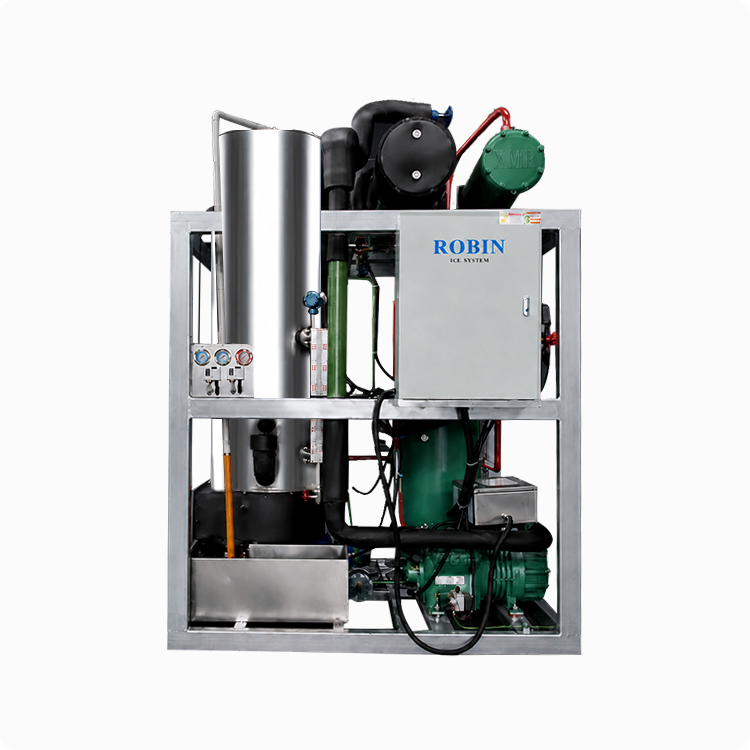
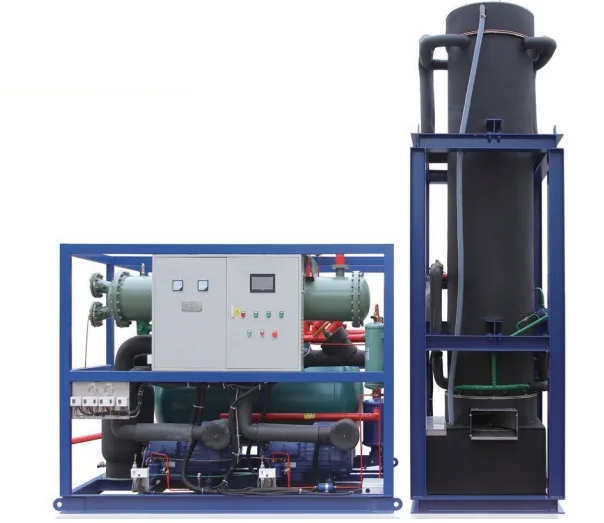
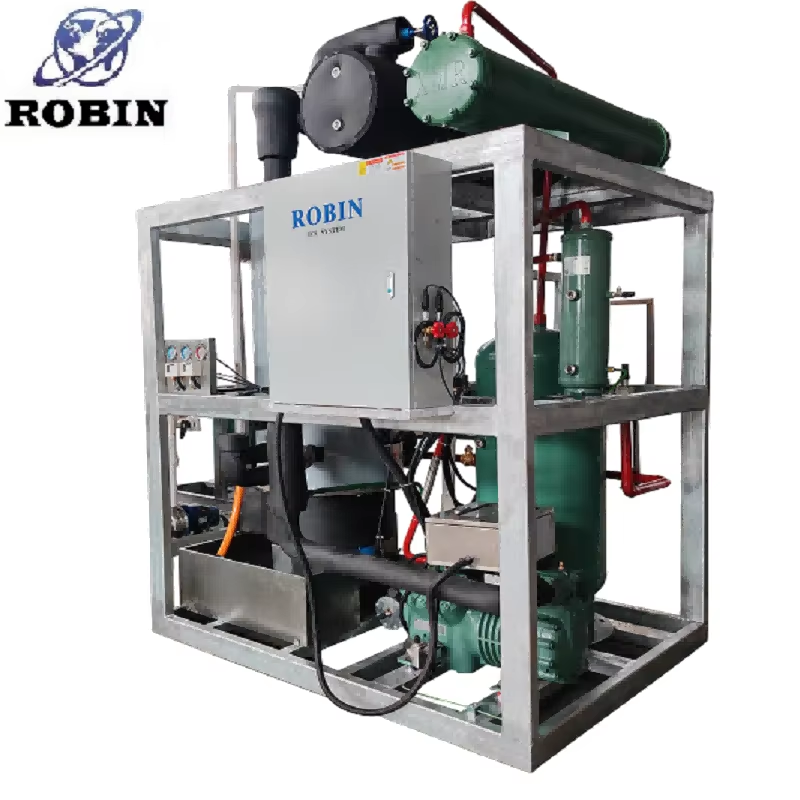
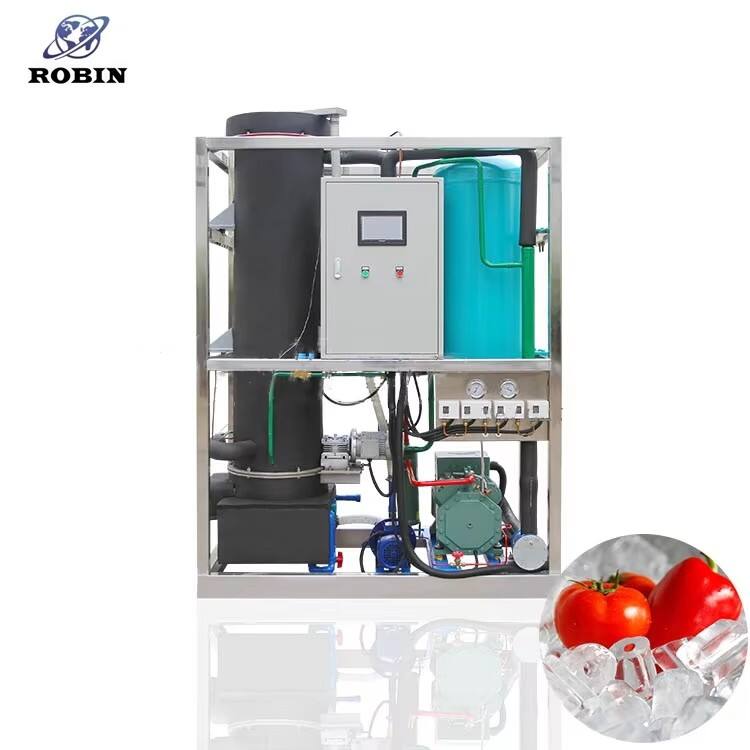
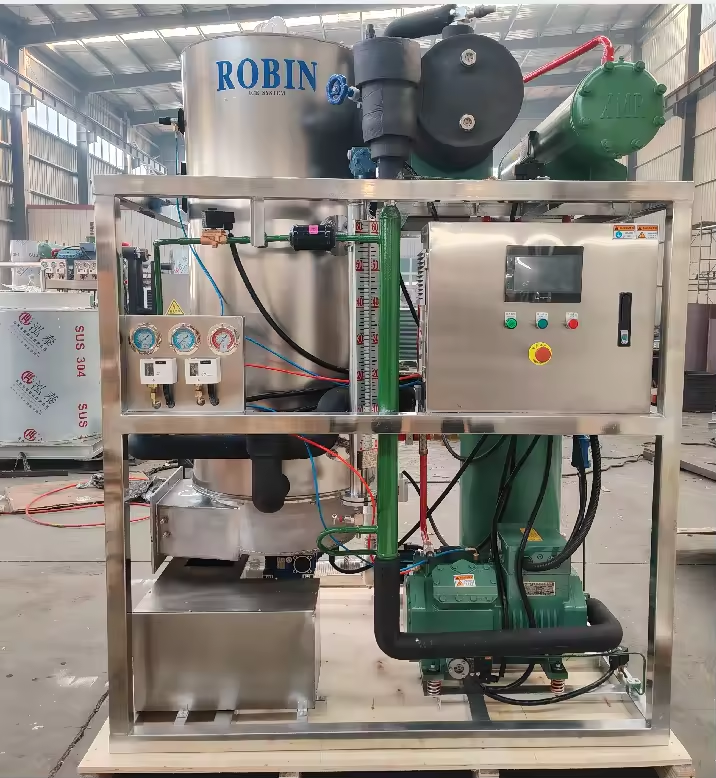
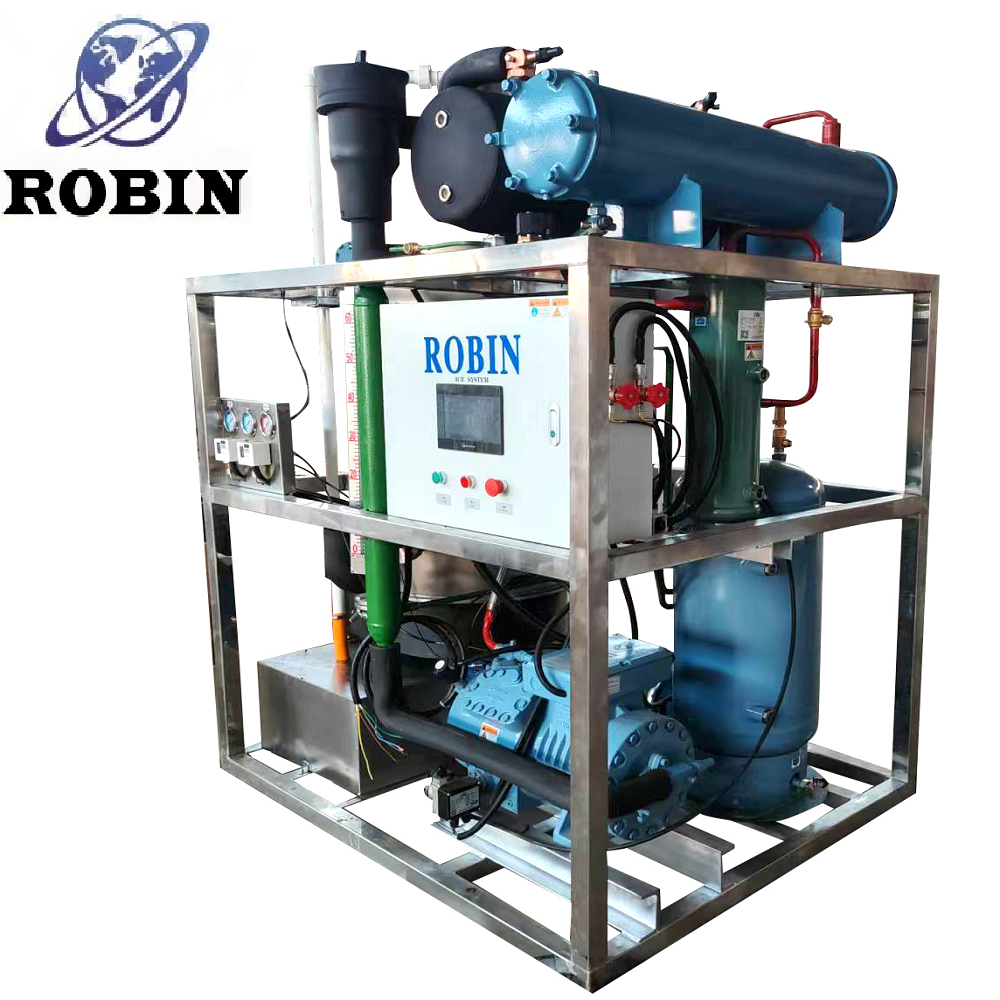
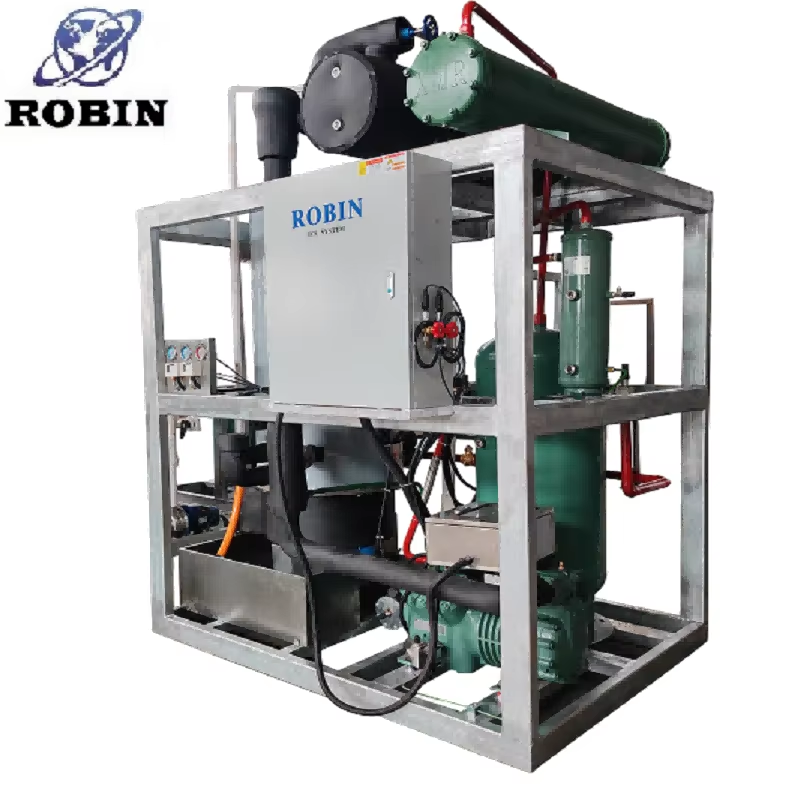
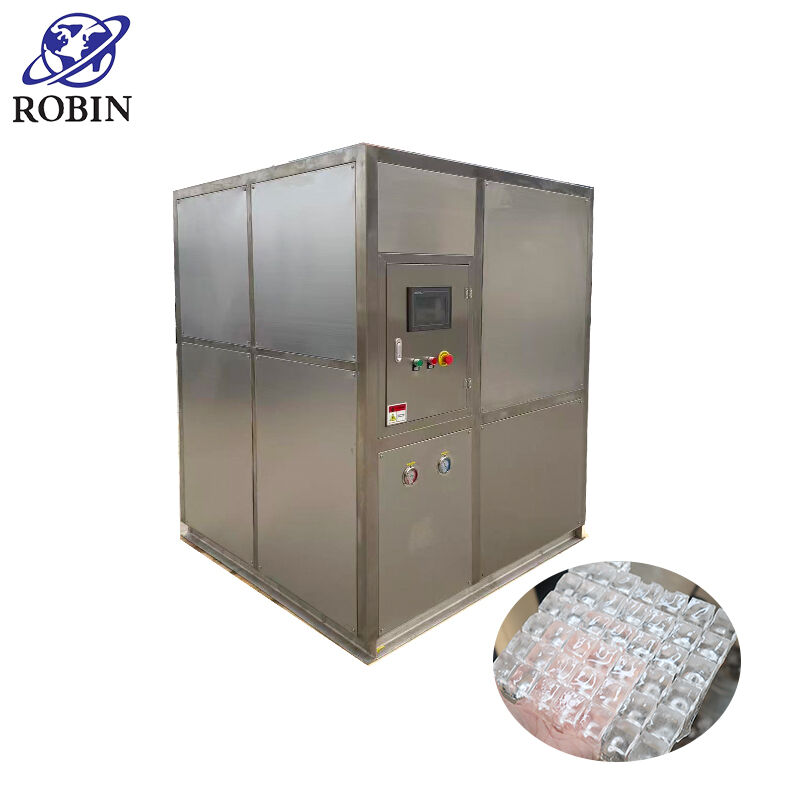
Understanding industrial ice making machine price requires examining multiple factors that influence cost and value. These sophisticated systems represent significant investments for businesses across food service, hospitality, healthcare, and manufacturing sectors. The industrial ice making machine price typically ranges from several thousand to tens of thousands of dollars, depending on production capacity, technology type, and feature sets. Modern industrial ice makers utilize advanced refrigeration technology to produce large quantities of ice efficiently, with daily outputs ranging from 500 pounds to several tons. The pricing structure reflects not just the equipment itself but also the engineering behind consistent ice production, energy efficiency ratings, and durability for continuous commercial operation. When evaluating industrial ice making machine price, buyers must consider the type of ice produced, whether cube, flake, nugget, or tube ice, as each style requires different manufacturing processes and affects the final cost. Production capacity stands as the primary price determinant, with higher-output machines commanding premium prices due to more powerful compressors, larger evaporators, and robust construction materials. The industrial ice making machine price also encompasses technological features such as automated cleaning cycles, smart monitoring systems, water filtration integration, and energy-saving modes that reduce operational costs over time. Installation requirements factor into total investment, including water line connections, drainage systems, electrical specifications, and ventilation needs. Commercial-grade components ensure reliability under demanding conditions, with stainless steel construction, commercial compressors, and industrial-grade water pumps contributing to higher upfront costs but delivering superior longevity. The industrial ice making machine price reflects warranty coverage, with comprehensive service agreements adding value through reduced downtime and maintenance support. Businesses must balance initial investment against long-term operational savings, as energy-efficient models with higher purchase prices often deliver lower utility costs and faster return on investment through reduced electricity and water consumption.

New Products

Investing in quality equipment at a competitive industrial ice making machine price delivers substantial operational benefits that justify the initial expenditure. First, these machines provide reliable ice production that meets consistent demand without interruption, eliminating the costly problem of running out of ice during peak business hours. The industrial ice making machine price includes engineering that ensures continuous operation, with many models producing ice around the clock to maintain adequate supply for high-volume operations. Energy efficiency represents a major advantage, as modern units incorporate advanced insulation, optimized refrigeration cycles, and smart defrost systems that minimize electricity consumption compared to older technology. This efficiency directly impacts operating costs, with premium models at higher industrial ice making machine price points often paying for themselves through utility savings within several years. Automated features reduce labor requirements, as these machines operate independently with minimal supervision, freeing staff to focus on customer service and core business activities rather than ice management. The industrial ice making machine price reflects sanitation capabilities, with antimicrobial components, self-cleaning functions, and easy-access designs that maintain food safety standards and reduce contamination risks. Durability stands as another significant advantage, with commercial-grade construction withstanding the rigors of continuous use in demanding environments, from busy restaurant kitchens to medical facilities requiring sterile ice production. The industrial ice making machine price encompasses versatility, as many units offer adjustable ice thickness, multiple production modes, and compatibility with various water sources and quality levels. Space efficiency matters for businesses with limited square footage, and compact designs maximize production capacity within minimal footprints, delivering excellent output relative to floor space occupied. Maintenance accessibility reduces service costs, with well-designed machines featuring removable panels, clearly labeled components, and diagnostic systems that simplify troubleshooting and repairs. The industrial ice making machine price includes water conservation technology, with recirculation systems and efficient freeze cycles minimizing waste, an increasingly important consideration as water costs rise and environmental regulations tighten. Noise reduction engineering creates quieter operation suitable for front-of-house installations and noise-sensitive environments, expanding placement options within facilities. Temperature tolerance allows these machines to function effectively across varying ambient conditions, maintaining consistent production even in hot kitchens or inadequately climate-controlled spaces. The industrial ice making machine price reflects smart technology integration, with remote monitoring capabilities, predictive maintenance alerts, and performance tracking that optimize operations and prevent unexpected failures. Scalability provides growth flexibility, as businesses can add capacity by installing additional units or upgrading to higher-output models as demand increases, protecting the initial investment while accommodating expansion.

Practical Tips

Can Ice Tube Machine Improve Cooling Efficiency in Industrial Operations?

04

May

Can Ice Tube Machine Improve Cooling Efficiency in Industrial Operations?

Industrial cooling is one of the most operationally critical and cost-sensitive challenges across manufacturing, food processing, chemical production, and logistics. When facilities struggle with inconsistent temperature control, product spoilage, or...
View More
Is Tube Ice Maker Machine Suitable for High-Capacity Ice Manufacturing?

08

May

Is Tube Ice Maker Machine Suitable for High-Capacity Ice Manufacturing?

When industrial buyers and plant managers evaluate large-scale ice production systems, one question consistently surfaces: is a tube ice maker machine genuinely capable of meeting high-capacity manufacturing demands? The answer is not simply yes or n...
View More
How Is Ice Tube Machine Used in Commercial Beverage and Food Industries?

06

May

How Is Ice Tube Machine Used in Commercial Beverage and Food Industries?

The ice tube machine has become an essential piece of equipment across a wide range of commercial operations, from busy restaurant kitchens to large-scale food processing facilities. Its ability to produce cylindrical ice in consistent shapes and siz...
View More
How Does Tube Ice Maker Machine Support Hygienic Ice Supply Operations?

12

May

How Does Tube Ice Maker Machine Support Hygienic Ice Supply Operations?

In food processing, healthcare, fisheries, and beverage production, the integrity of ice directly affects product safety and regulatory compliance. A tube ice maker machine is engineered from the ground up to meet the demanding hygiene standards that...
View More

Get a Free Quote

Our representative will contact you soon.
Email
Name
Company Name
Message
0/1000

industrial ice making machine price

Production Capacity and Output Efficiency

Production Capacity and Output Efficiency

The relationship between industrial ice making machine price and production capacity represents the most critical consideration for businesses evaluating equipment investments. Production capacity, measured in pounds of ice per 24-hour period, directly correlates with pricing, as higher-output machines require more powerful refrigeration systems, larger evaporator surfaces, and more robust mechanical components. Entry-level commercial units producing 500 to 800 pounds daily suit small restaurants, cafes, and bars with moderate ice needs, while mid-range machines generating 1,000 to 2,000 pounds daily serve larger establishments, catering operations, and healthcare facilities. High-capacity industrial systems producing 3,000 pounds or more daily meet the demands of hotels, large-scale food processing, concrete cooling applications, and distribution centers. The industrial ice making machine price scales proportionally with capacity, but the cost per pound of daily production typically decreases at higher outputs, making larger units more economical for high-volume operations. Understanding actual ice consumption patterns proves essential, as oversizing leads to unnecessary capital expenditure and energy waste, while undersizing creates operational bottlenecks and customer dissatisfaction. Peak demand periods require careful analysis, as machines must handle maximum usage times without running continuously at full capacity, which accelerates wear and reduces equipment lifespan. The industrial ice making machine price reflects production speed, with some models completing freeze cycles in minutes while others require longer periods, affecting how quickly the machine recovers after heavy usage. Storage capacity works in tandem with production rate, as adequate bin size ensures sufficient ice availability during peak periods even if production temporarily pauses. The industrial ice making machine price includes bin insulation quality, which determines how long ice remains frozen without melting, reducing waste and maintaining supply consistency. Businesses operating multiple shifts or 24-hour operations benefit from machines with higher production rates relative to storage capacity, ensuring continuous availability without requiring oversized bins. The industrial ice making machine price encompasses the efficiency of the harvest cycle, as faster ice release mechanisms increase overall productivity and reduce energy consumption per pound produced. Water quality significantly impacts production efficiency, with hard water, high mineral content, or impurities reducing output and increasing maintenance frequency, making water treatment systems a valuable consideration in total cost analysis. The industrial ice making machine price reflects the type of refrigerant used, with environmentally friendly options meeting current regulations while delivering reliable performance across temperature ranges. Ambient temperature tolerance affects real-world production capacity, as machines rated for specific outputs under ideal conditions may produce less in hot environments, making it essential to verify specifications match actual installation conditions.
Energy Efficiency and Operating Cost Reduction

Energy Efficiency and Operating Cost Reduction

The industrial ice making machine price directly relates to energy efficiency features that determine long-term operating expenses and environmental impact. Modern ice makers incorporate advanced technologies that significantly reduce electricity consumption compared to older models, with Energy Star certified units delivering 10 to 20 percent lower energy use while maintaining equivalent production capacity. The industrial ice making machine price reflects compressor technology, with variable-speed compressors adjusting output to match demand rather than cycling on and off repeatedly, reducing energy spikes and extending component life. Insulation quality throughout the machine, including the ice storage bin, evaporator chamber, and refrigeration lines, minimizes thermal loss and reduces the workload on cooling systems. The industrial ice making machine price includes hot gas defrost systems that use waste heat from the refrigeration cycle to clear ice from evaporators, eliminating the need for electric heating elements and reducing defrost energy consumption by up to 50 percent. Water-cooled versus air-cooled configurations present different cost profiles, with water-cooled units offering higher efficiency in hot environments but requiring adequate water supply and drainage, while air-cooled models provide installation flexibility with slightly higher energy use. The industrial ice making machine price encompasses smart controls that optimize freeze and harvest cycles based on ice demand patterns, ambient conditions, and water temperature, automatically adjusting operations to minimize energy waste. Standby modes reduce power consumption during low-demand periods, with machines entering energy-saving states while maintaining ice quality and availability. The industrial ice making machine price reflects the efficiency of the condenser system, with larger coil surfaces, enhanced fin designs, and optimized airflow patterns improving heat rejection and reducing compressor runtime. LED lighting replaces traditional bulbs in storage bins, reducing heat generation and electricity use while providing better visibility. The industrial ice making machine price includes water efficiency features, as machines that use less water per pound of ice produced reduce both water and sewer costs, with recirculation systems capturing and reusing water that would otherwise drain away. Businesses in regions with high utility rates find that premium models at higher industrial ice making machine price points deliver faster payback through operational savings, with some installations recovering the price difference within two to three years. The industrial ice making machine price encompasses diagnostic systems that identify efficiency problems early, alerting operators to issues like dirty condensers, refrigerant leaks, or water flow restrictions that increase energy consumption if left unaddressed. Proper sizing relative to actual demand maximizes efficiency, as oversized machines cycle more frequently and waste energy, while undersized units run continuously at maximum capacity, both scenarios increasing per-pound production costs. The industrial ice making machine price reflects the quality of thermal expansion valves and refrigerant metering devices that precisely control refrigerant flow, optimizing cooling efficiency across varying load conditions and ambient temperatures.
Durability, Maintenance, and Total Cost of Ownership

Durability, Maintenance, and Total Cost of Ownership

The industrial ice making machine price must be evaluated within the context of total cost of ownership, encompassing durability, maintenance requirements, and expected service life. Commercial-grade construction using stainless steel exteriors, corrosion-resistant components, and food-safe materials ensures machines withstand harsh operating environments, from humid kitchens to chemical-laden industrial settings. The industrial ice making machine price reflects the quality of the evaporator, with nickel-plated or stainless steel evaporators resisting scale buildup and corrosion better than standard materials, reducing cleaning frequency and extending operational life. Compressor quality represents a major durability factor, with commercial-grade hermetic compressors designed for continuous operation delivering years of reliable service, while residential-grade components in budget models fail prematurely under commercial demands. The industrial ice making machine price includes the robustness of water pumps, solenoid valves, and electronic controls, with commercial-rated components tolerating frequent cycling and varying water conditions without degradation. Accessibility for maintenance significantly impacts long-term costs, as machines with removable panels, clearly labeled components, and logical layouts reduce service time and labor charges. The industrial ice making machine price encompasses self-diagnostic capabilities that identify problems before they cause failures, displaying error codes and performance metrics that simplify troubleshooting and minimize downtime. Preventive maintenance requirements vary by model, with some machines needing monthly cleaning and others operating for extended periods between service intervals, affecting labor costs and operational disruption. The industrial ice making machine price reflects the availability and cost of replacement parts, with popular models from established manufacturers offering readily available components at competitive prices, while proprietary or discontinued models may require expensive special-order parts. Warranty coverage provides insight into manufacturer confidence and expected reliability, with comprehensive warranties covering parts and labor for multiple years indicating superior construction and lower failure rates. The industrial ice making machine price includes the design of water distribution systems, with even flow across evaporator surfaces ensuring uniform ice formation and reducing stress on components, while poor distribution causes uneven freezing, increased energy use, and premature wear. Scale and mineral buildup represent major maintenance challenges, with machines featuring automatic cleaning cycles or easy-access cleaning ports reducing the labor and chemical costs associated with descaling. The industrial ice making machine price encompasses the quality of seals, gaskets, and door mechanisms on storage bins, with superior designs maintaining temperature and preventing contamination while withstanding thousands of opening cycles. Modular construction allows component replacement without removing entire assemblies, reducing repair costs and minimizing downtime when service becomes necessary. The industrial ice making machine price reflects the sophistication of water filtration integration, with machines designed to work with filtration systems protecting internal components from sediment, chlorine, and minerals that accelerate wear and reduce efficiency. Training and documentation quality affect maintenance costs, with comprehensive manuals, video tutorials, and responsive technical support enabling in-house staff to perform routine maintenance rather than requiring expensive service calls for simple procedures.


Get a Free Quote

Our representative will contact you soon.
Email
Name
Company Name
Message
0/1000