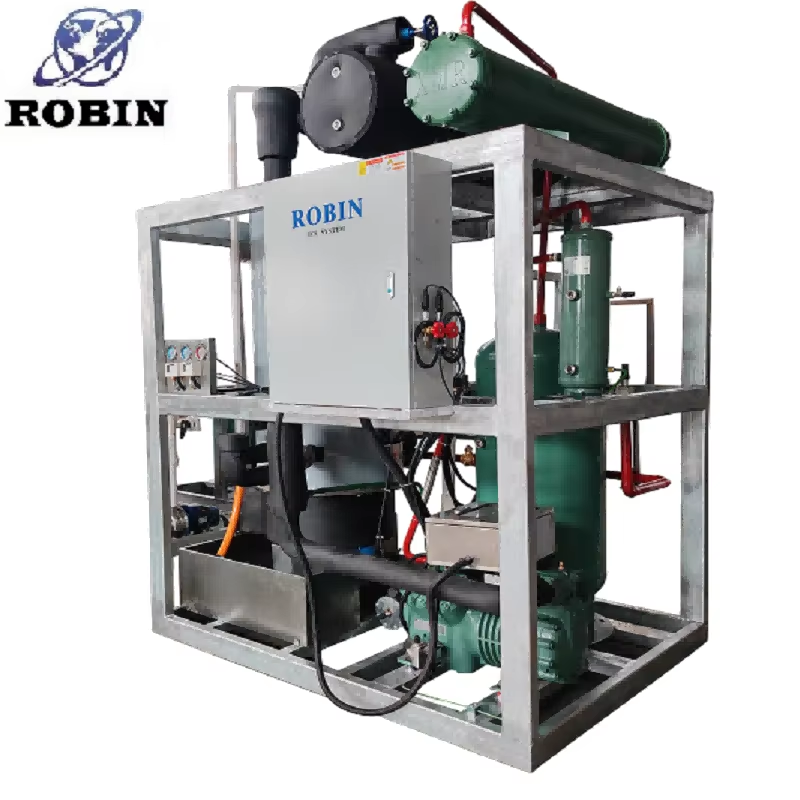
Hygienic Design and Food Safety Compliance
Hygiene and food safety represent paramount concerns for any business serving ice to customers, and industrial ice cube makers are specifically engineered to meet the strictest sanitation standards required by health departments and food safety regulations. The enclosed production environment of these machines provides the first line of defense against contamination, creating a sealed chamber where ice forms without exposure to airborne particles, dust, or human contact that could introduce bacteria or other pathogens. Stainless steel construction dominates the interior surfaces of quality industrial ice cube makers, chosen not only for durability but for its non-porous properties that prevent bacterial growth and resist corrosion from constant water exposure. These smooth stainless surfaces are easily cleaned and sanitized, allowing staff to maintain proper hygiene with simple cleaning protocols that fit into regular maintenance schedules. Many industrial ice cube makers incorporate antimicrobial components in critical areas, utilizing materials treated with silver ions or other agents that actively inhibit microbial growth on surfaces where moisture accumulates. The water filtration systems integrated into these machines play a crucial role in producing safe, clean ice by removing sediment, chlorine, minerals, and potential contaminants before water enters the freezing chamber. Multi-stage filtration can include sediment filters, carbon filters, and even ultraviolet sterilization in premium models, ensuring the ice produced meets or exceeds drinking water quality standards. Automatic cleaning cycles built into advanced industrial ice cube makers periodically flush the system with cleaning solutions, removing mineral deposits and biofilm that could harbor bacteria if left unchecked. These self-cleaning features reduce the burden on staff while ensuring consistent sanitation between manual deep-cleaning sessions. The ice storage bins that accompany industrial ice cube makers are designed with sloped floors and drain systems that prevent water accumulation where bacteria could multiply, keeping stored ice fresh and safe until dispensed. Removable components throughout the machine facilitate thorough cleaning, with tool-free access panels and dishwasher-safe parts that simplify sanitation procedures. Air filters protect the condenser and internal components from dust accumulation while also preventing airborne contaminants from entering the ice production area. The separation between mechanical components and the ice-making chamber ensures that lubricants, refrigerants, and other maintenance materials never contact ice or water pathways. Documentation and compliance certifications that accompany industrial ice cube makers provide businesses with proof of food safety standards adherence, essential for passing health inspections and maintaining operating licenses. NSF International certification, a globally recognized standard for food equipment, verifies that machines meet rigorous requirements for materials, design, and construction that protect public health. Regular maintenance supported by manufacturer guidelines helps businesses maintain these high sanitation standards throughout the equipment's operational life, with replacement schedules for filters and wear components that prevent hygiene degradation over time.

 EN