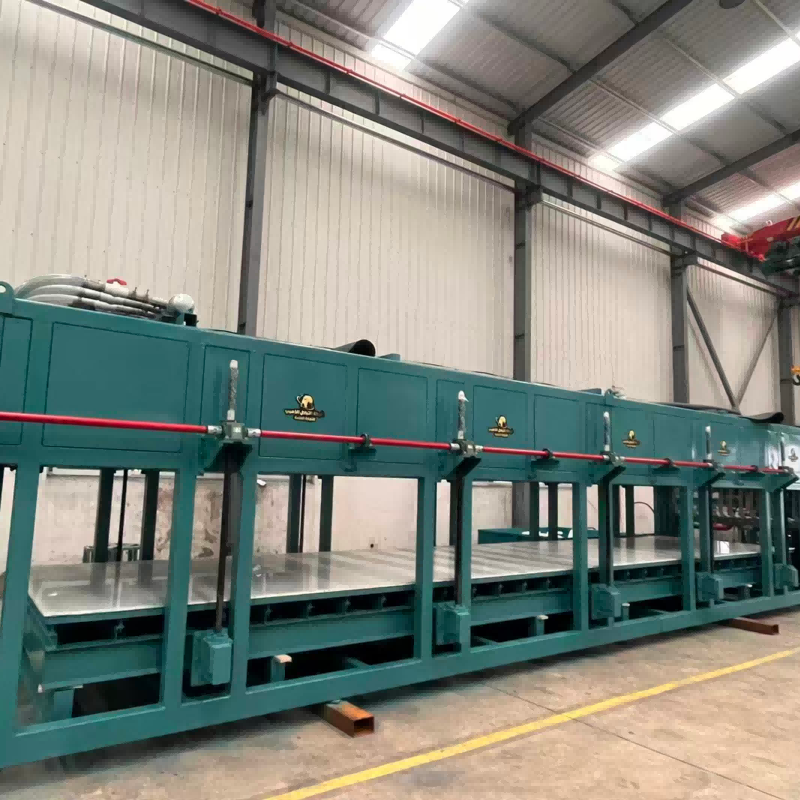
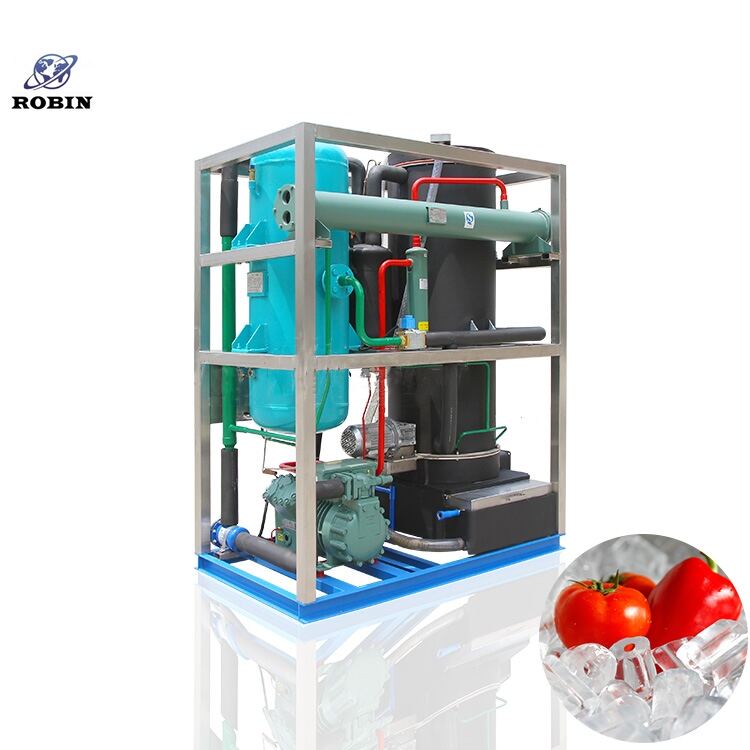
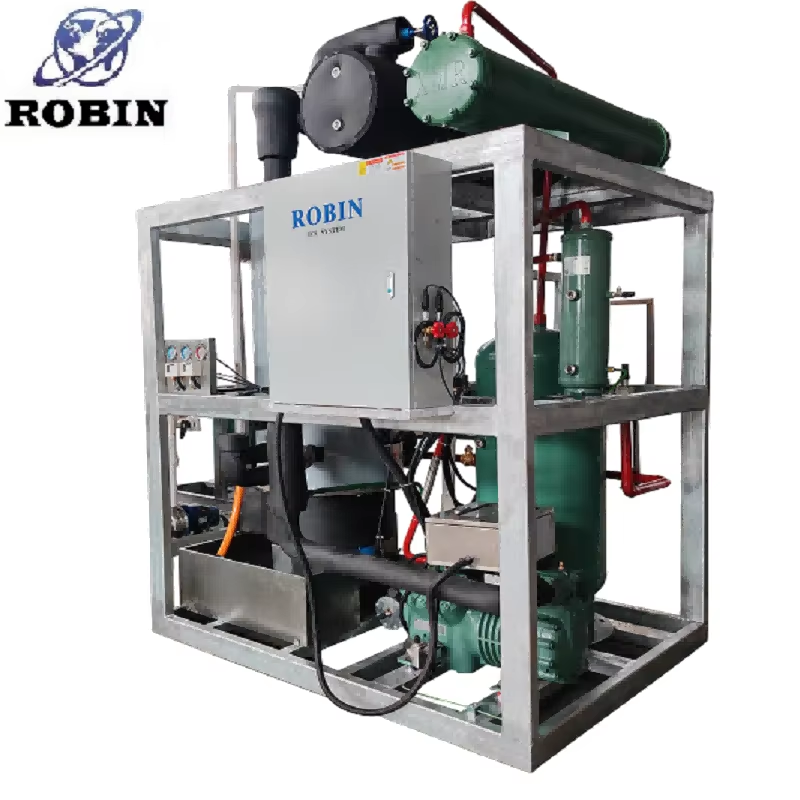
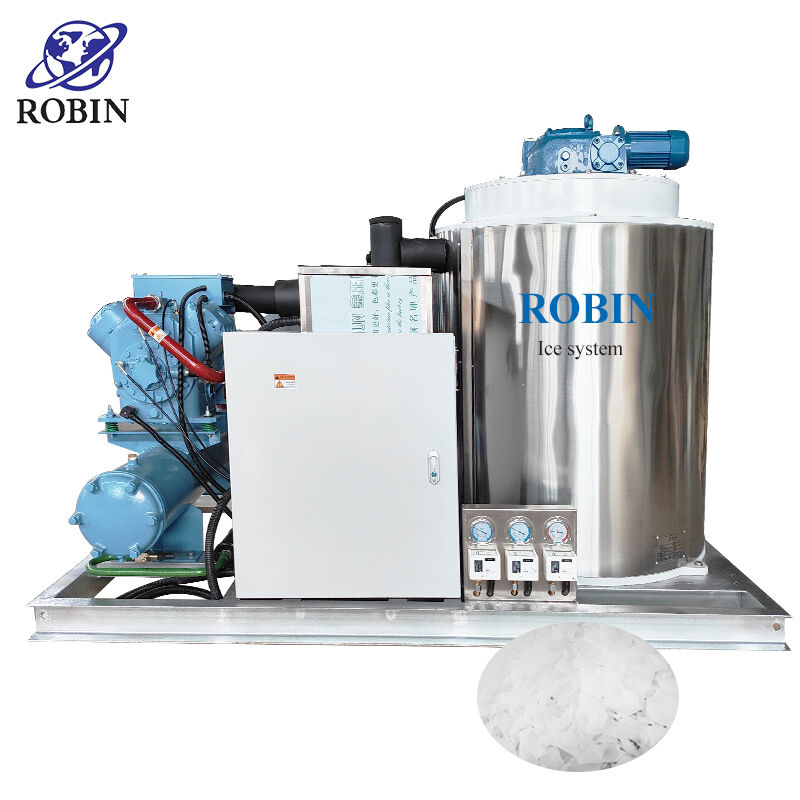
industrial ice cube making machine
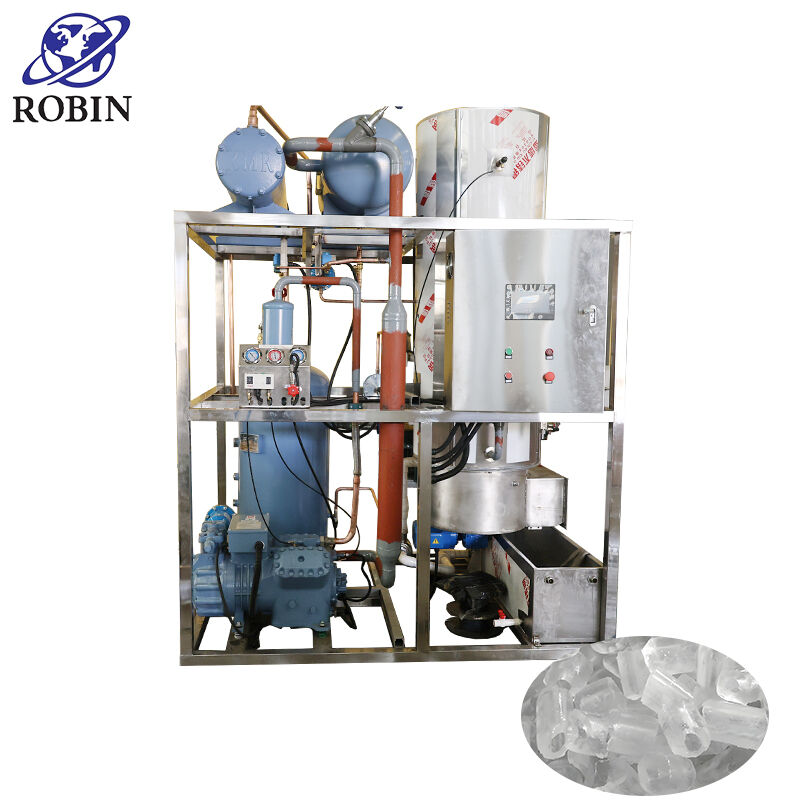
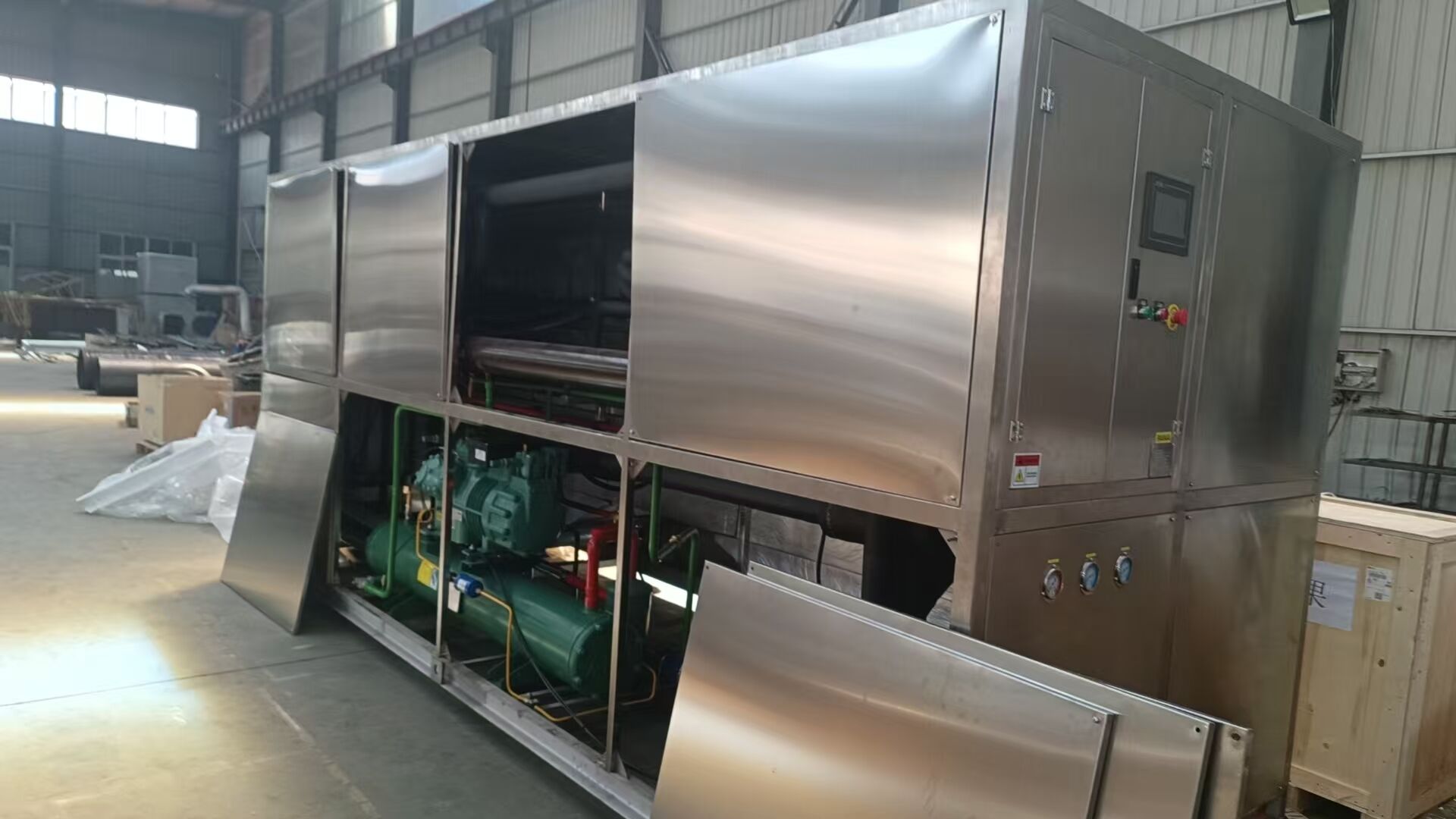
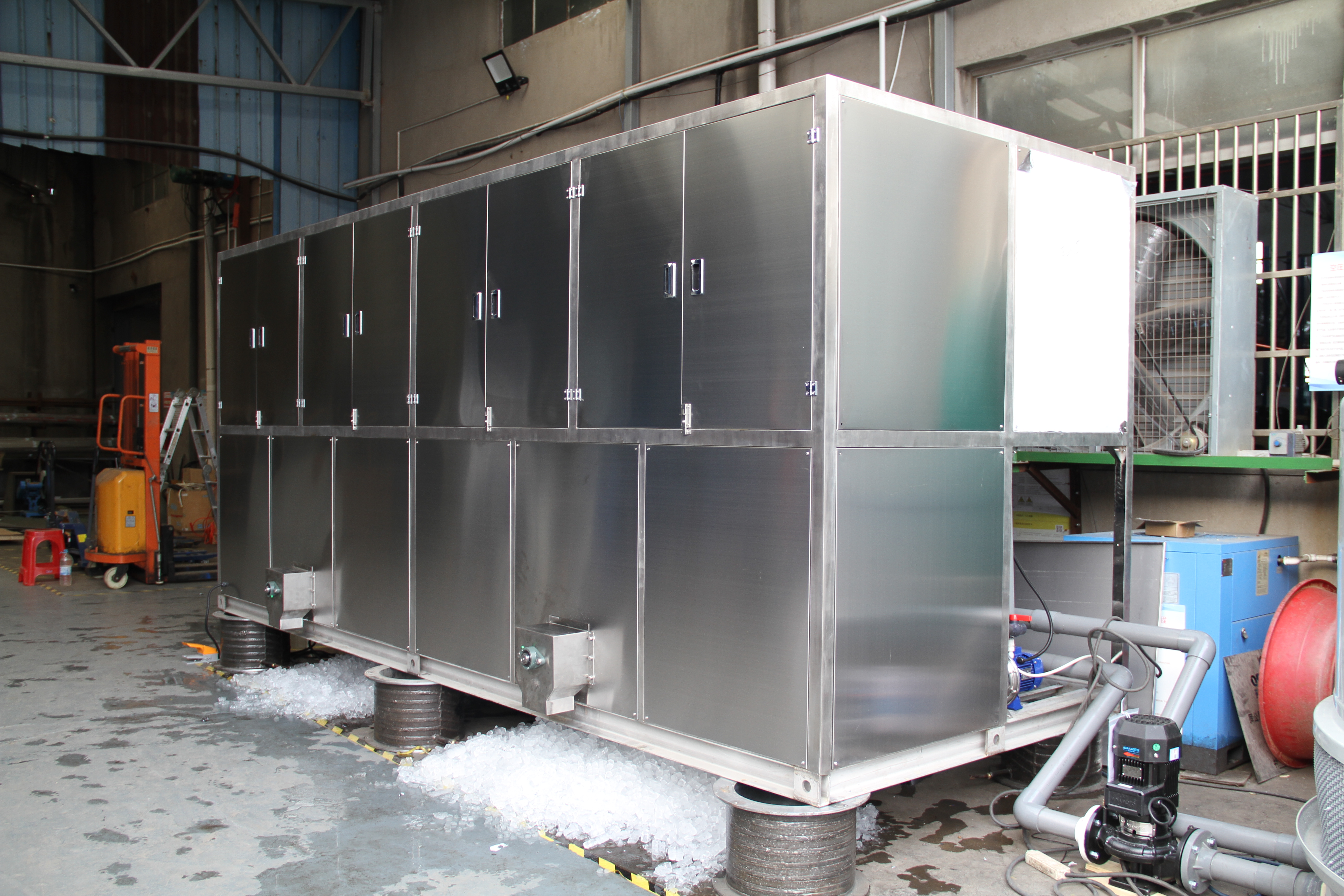
An industrial ice cube making machine represents a sophisticated refrigeration system designed to produce large quantities of ice cubes for commercial and industrial applications. These robust machines operate through advanced cooling technology that transforms water into perfectly formed ice cubes at remarkable speeds, meeting the demanding requirements of businesses that depend on consistent ice supply. The primary function of an industrial ice cube making machine centers on automated ice production, where water enters the system, gets distributed across evaporator plates, and freezes into uniform cube shapes before automatic harvesting mechanisms release the finished product into storage bins. Modern industrial ice cube making machines incorporate intelligent control systems that monitor production cycles, water quality, and temperature parameters to ensure optimal performance. The technological features embedded within these machines include stainless steel construction for hygiene and durability, energy-efficient compressors that reduce operational costs, and programmable logic controllers that allow operators to customize ice cube sizes and production schedules. Many industrial ice cube making machines also feature self-cleaning functions, water filtration systems, and diagnostic displays that simplify maintenance procedures. Applications for industrial ice cube making machines span numerous sectors including hospitality venues such as hotels and restaurants where beverage service demands constant ice availability, healthcare facilities requiring ice for therapeutic purposes and specimen preservation, food processing plants using ice for product cooling and transportation, fishing industries needing ice for catch preservation, and entertainment venues like bars and nightclubs serving high volumes of chilled beverages. The versatility of an industrial ice cube making machine makes it indispensable for any operation where ice production must be reliable, sanitary, and scalable to match fluctuating demand patterns throughout different seasons and business cycles.

 EN