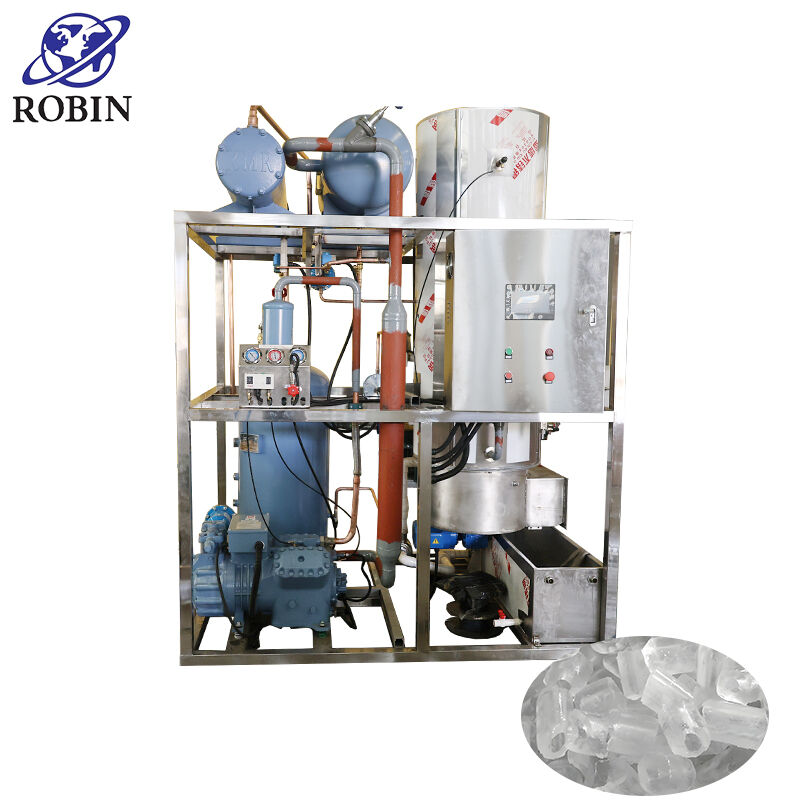
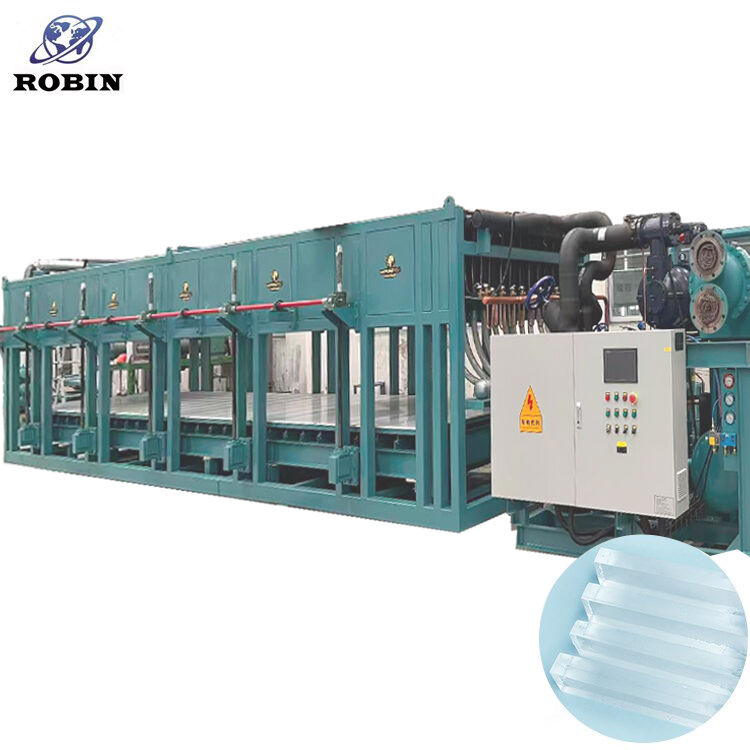
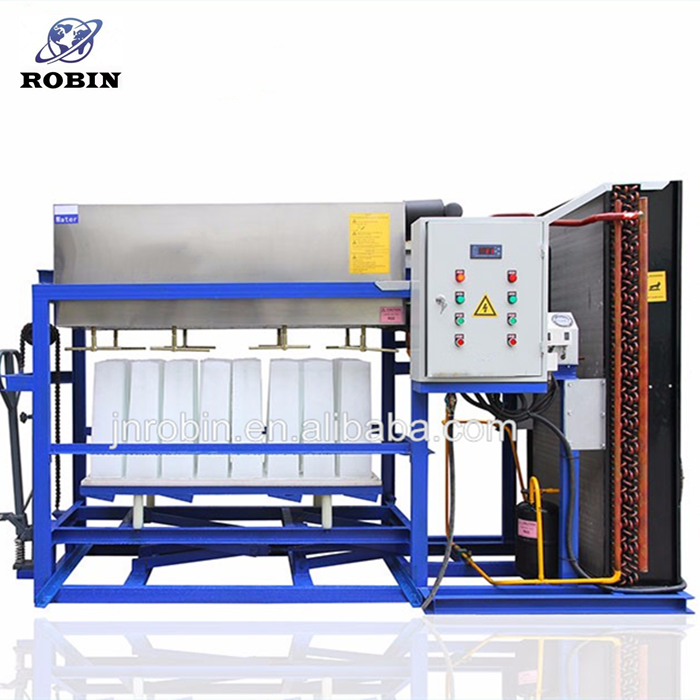
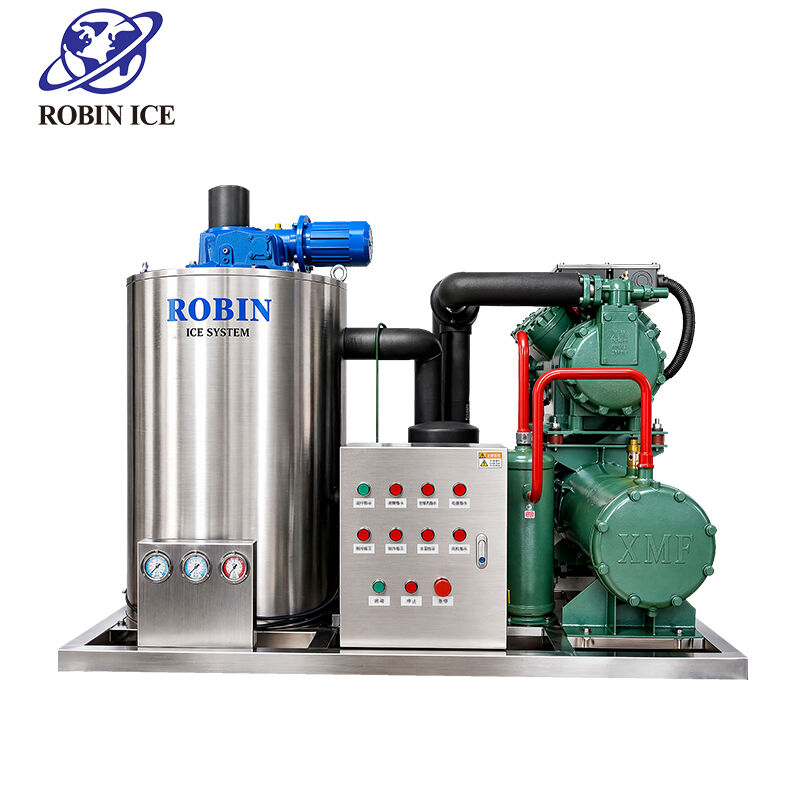
industrial block ice machine
An industrial block ice machine represents a sophisticated refrigeration system engineered to produce large-scale ice blocks for commercial and industrial applications. These robust machines transform water into solid ice blocks through advanced freezing technology, delivering consistent output for businesses requiring substantial ice quantities. The primary function centers on creating dense, uniform ice blocks that maintain their structural integrity during storage and transportation. Modern industrial block ice machines incorporate automated water filling systems, precise temperature controls, and efficient refrigeration cycles that optimize energy consumption while maximizing production capacity. The technological framework includes heavy-duty compressors, corrosion-resistant evaporators, and intelligent control panels that monitor every stage of the freezing process. These machines accommodate various block sizes, typically ranging from 25 kilograms to 100 kilograms per block, allowing operators to customize production according to specific requirements. The freezing chamber utilizes direct refrigeration methods where brine solution or aluminum plates facilitate rapid heat extraction from water-filled containers. This process ensures uniform freezing from all directions, preventing air pockets and creating crystal-clear ice blocks with superior density. Applications span multiple industries including fisheries, food processing, concrete cooling, chemical manufacturing, and large-scale food preservation. Fishing vessels and seafood processing facilities rely on these machines to preserve catches during extended voyages and storage periods. Construction companies utilize ice blocks for concrete temperature management in hot climates, preventing premature curing and structural weaknesses. The pharmaceutical sector employs industrial block ice machines for temperature-sensitive product transportation, while hospitality businesses use them for beverage cooling and ice sculpture creation. The machines feature durable stainless steel construction that withstands harsh operating environments and maintains hygiene standards essential for food-grade applications. Advanced models integrate smart monitoring systems that provide real-time production data, maintenance alerts, and remote operation capabilities through digital interfaces.

 EN