Direct Cooling Block Ice Maker - Industrial Ice Production Systems for Commercial Applications

Get a Free Quote

Our representative will contact you soon.
Email
Name
Company Name
Message
0/1000

direct cooling block ice maker

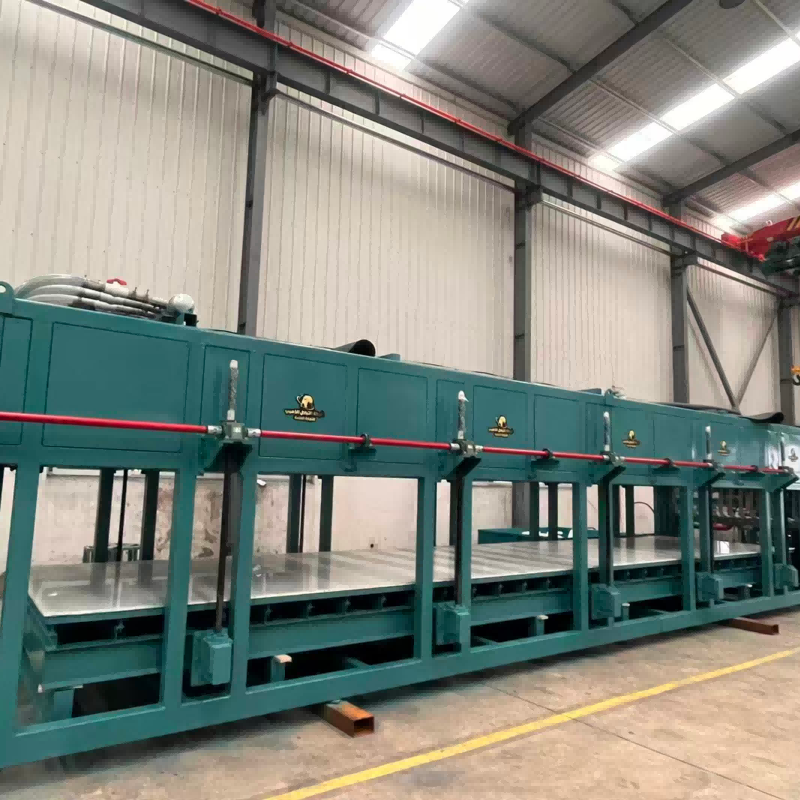
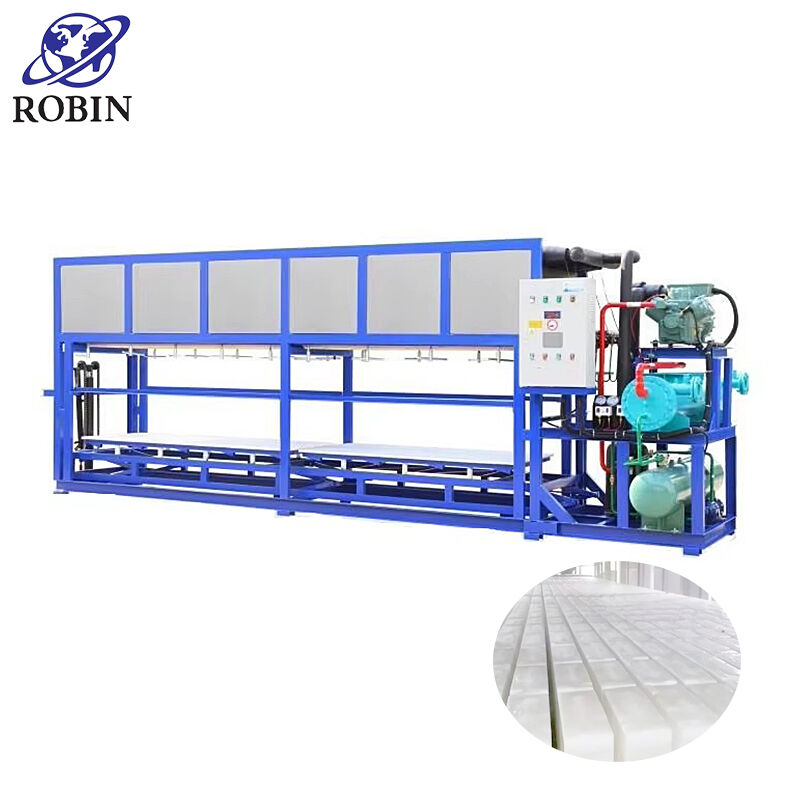
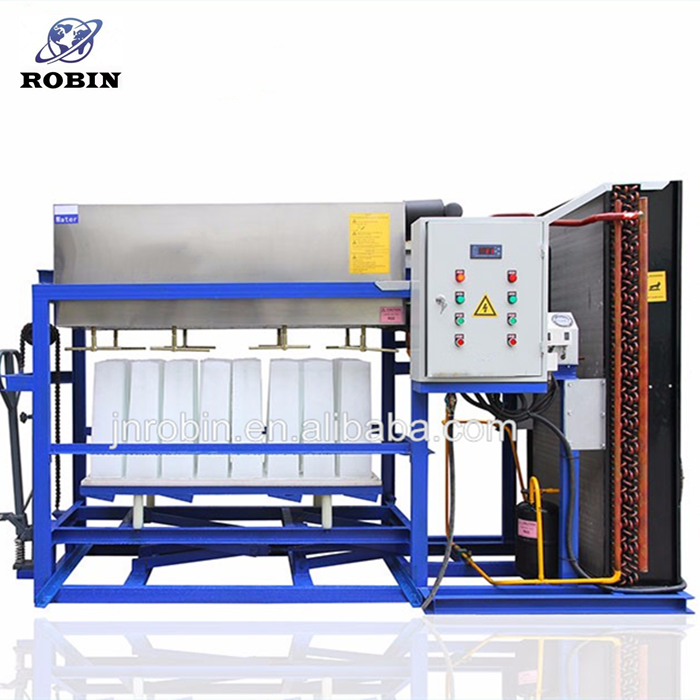
The direct cooling block ice maker represents a sophisticated ice production system designed to manufacture large, dense blocks of ice through an efficient refrigeration process. This industrial-grade equipment operates by circulating refrigerant directly through cooling plates or coils that come into contact with water-filled containers, creating solid ice blocks that typically range from 25 to 300 pounds depending on the machine specifications. Unlike traditional ice-making methods that rely on indirect cooling or brine solutions, the direct cooling block ice maker uses a streamlined approach where the evaporator coils are positioned directly against the ice molds, ensuring rapid heat extraction and uniform freezing throughout the entire block. These machines find extensive use across multiple industries including food preservation, concrete cooling in construction projects, fishing operations, chemical processing, and large-scale event management. The technology behind the direct cooling block ice maker incorporates advanced compressor systems, precision temperature controls, and automated harvest cycles that optimize energy consumption while maintaining consistent ice quality. Modern units feature stainless steel construction for durability and hygiene compliance, digital control panels for easy operation monitoring, and safety mechanisms that prevent system overload. The ice blocks produced exhibit exceptional clarity and density, with minimal air pockets or impurities, making them ideal for applications requiring slow-melting ice with maximum cooling capacity. Installation flexibility allows these systems to operate in various environmental conditions, from tropical climates to temperate regions, with adjustable production capacities that can be scaled according to demand fluctuations. The direct cooling block ice maker has become an essential asset for businesses requiring reliable, high-volume ice production with minimal maintenance requirements and operational complexity.


New Products

Investing in a direct cooling block ice maker delivers substantial benefits that directly impact your bottom line and operational efficiency. The primary advantage lies in energy savings, as the direct contact between refrigerant and ice molds eliminates the need for intermediate heat transfer mediums like brine, reducing energy consumption by up to 30 percent compared to conventional systems. This translates to lower electricity bills and a faster return on investment, particularly for businesses with continuous ice production needs. The ice quality produced by these machines surpasses alternatives in both density and purity. Each block freezes uniformly from all sides, creating crystal-clear ice with exceptional hardness that melts significantly slower than cubed or flaked ice, providing extended cooling duration for your products or applications. This superior quality means you need less ice to achieve the same cooling effect, further reducing production costs and storage requirements. Operational simplicity stands out as another major benefit. The direct cooling block ice maker requires minimal training to operate, with intuitive controls that allow staff to monitor production cycles, adjust settings, and perform routine maintenance without specialized technical knowledge. Automated harvest systems eliminate manual intervention, reducing labor costs and minimizing the risk of workplace injuries associated with ice handling. The robust construction of these machines ensures longevity and reliability. Built with corrosion-resistant materials and industrial-grade components, a well-maintained direct cooling block ice maker can operate efficiently for 15 to 20 years, providing consistent performance throughout its lifespan. Maintenance requirements remain straightforward, typically involving periodic cleaning, refrigerant level checks, and component inspections that can be scheduled during off-peak hours without disrupting production. Flexibility in production capacity allows businesses to scale ice output according to seasonal demands or growth trajectories. Many models offer adjustable cycle times and multiple mold configurations, enabling you to produce different block sizes for various applications without purchasing additional equipment. The compact footprint of modern direct cooling block ice makers optimizes floor space utilization, making them suitable for facilities with limited square footage. Environmental considerations also favor this technology, as the direct cooling method reduces refrigerant requirements and eliminates the disposal challenges associated with brine solutions. The extended lifespan and energy efficiency contribute to a smaller carbon footprint, aligning with sustainability goals while maintaining profitability. For businesses in food service, fishing, or industrial sectors, the direct cooling block ice maker provides a competitive advantage through reliable ice availability, consistent quality, and cost-effective operation that supports business growth and customer satisfaction.

Tips And Tricks

Can Ice Tube Machine Improve Cooling Efficiency in Industrial Operations?

04

May

Can Ice Tube Machine Improve Cooling Efficiency in Industrial Operations?

Industrial cooling is one of the most operationally critical and cost-sensitive challenges across manufacturing, food processing, chemical production, and logistics. When facilities struggle with inconsistent temperature control, product spoilage, or...
View More
Is Tube Ice Maker Machine Suitable for High-Capacity Ice Manufacturing?

08

May

Is Tube Ice Maker Machine Suitable for High-Capacity Ice Manufacturing?

When industrial buyers and plant managers evaluate large-scale ice production systems, one question consistently surfaces: is a tube ice maker machine genuinely capable of meeting high-capacity manufacturing demands? The answer is not simply yes or n...
View More
How Is Ice Tube Machine Used in Commercial Beverage and Food Industries?

06

May

How Is Ice Tube Machine Used in Commercial Beverage and Food Industries?

The ice tube machine has become an essential piece of equipment across a wide range of commercial operations, from busy restaurant kitchens to large-scale food processing facilities. Its ability to produce cylindrical ice in consistent shapes and siz...
View More
Is Flake Ice Machine for Fish Suitable for Commercial Seafood Markets?

18

May

Is Flake Ice Machine for Fish Suitable for Commercial Seafood Markets?

When it comes to preserving freshness and extending the shelf life of seafood products, the choice of ice type and ice-making equipment is far from trivial. Commercial seafood markets operate under strict hygiene standards, high-volume throughput dem...
View More

Get a Free Quote

Our representative will contact you soon.
Email
Name
Company Name
Message
0/1000

direct cooling block ice maker

Superior Energy Efficiency Through Direct Refrigeration Technology

Superior Energy Efficiency Through Direct Refrigeration Technology

The direct cooling block ice maker revolutionizes ice production economics through its innovative refrigeration approach that eliminates unnecessary energy waste. Traditional ice-making systems rely on brine tanks or secondary coolant loops that create thermal barriers between the refrigeration system and the water being frozen. These intermediate steps cause significant energy losses as heat must transfer through multiple mediums before reaching the ice molds. The direct cooling block ice maker removes these inefficiencies by positioning evaporator coils or cooling plates in immediate contact with the ice containers, creating a direct thermal pathway that accelerates freezing while consuming substantially less power. This engineering advantage becomes particularly valuable for high-volume operations where ice production runs continuously throughout the day. The energy savings compound over time, with many businesses reporting 25 to 35 percent reductions in electricity costs compared to their previous ice-making equipment. The system achieves these savings without compromising production speed or ice quality, maintaining optimal output even during peak demand periods. Advanced insulation surrounding the freezing chambers further enhances efficiency by preventing ambient heat infiltration, ensuring that every watt of energy contributes directly to ice formation rather than compensating for thermal losses. Modern direct cooling block ice makers incorporate variable-speed compressors that adjust refrigeration capacity based on actual cooling requirements, avoiding the energy waste associated with constant on-off cycling found in fixed-speed systems. Smart temperature sensors throughout the freezing chambers provide real-time data to the control system, enabling precise refrigerant flow adjustments that maintain ideal freezing conditions while minimizing energy expenditure. The environmental benefits extend beyond operational costs, as reduced energy consumption translates to lower greenhouse gas emissions and a smaller carbon footprint for your facility. For businesses committed to sustainability initiatives or seeking green certifications, the direct cooling block ice maker provides measurable environmental improvements that can be documented and reported to stakeholders. The initial investment in this technology typically achieves payback within two to four years through accumulated energy savings alone, not accounting for additional benefits like reduced maintenance costs and improved ice quality that further enhance the value proposition.
Unmatched Ice Quality and Density for Extended Cooling Performance

Unmatched Ice Quality and Density for Extended Cooling Performance

The ice blocks produced by a direct cooling block ice maker exhibit superior physical characteristics that deliver tangible performance advantages across diverse applications. The direct freezing method creates ice with exceptional density and clarity, free from the cloudiness and air pockets that plague ice made through slower or less controlled processes. This crystal-clear appearance results from the uniform freezing pattern that occurs when cold transfers evenly from all surfaces of the mold simultaneously, preventing the formation of internal fractures or weak points that compromise structural integrity. The density of these ice blocks significantly exceeds that of cubed, crushed, or flaked ice, containing more frozen water per cubic inch and therefore more cooling capacity per unit volume. This translates directly to practical benefits for end users who require sustained cooling over extended periods. A dense block from a direct cooling block ice maker melts at approximately half the rate of equivalent-weight cubed ice, maintaining lower temperatures for twice as long in coolers, display cases, or transportation containers. For fishing operations, this extended melting time means catches remain fresh throughout longer voyages without requiring ice replenishment, reducing operational costs and expanding viable fishing ranges. Food service establishments benefit from ice that maintains beverage temperatures without excessive dilution, preserving flavor profiles and customer satisfaction. The purity of ice produced by direct cooling block ice makers meets stringent food safety standards, as the controlled freezing environment prevents contamination and the solid block format minimizes surface area exposure to airborne particles or handling contact. Industrial applications particularly value the predictable melting characteristics of these dense blocks, which allow precise calculations for concrete cooling, chemical process temperature control, and emergency cooling scenarios where reliability cannot be compromised. The structural strength of properly frozen blocks enables safe handling and transportation without cracking or fragmenting, reducing product loss and workplace hazards associated with sharp ice shards. Storage efficiency improves dramatically when using dense blocks rather than loose ice forms, as the solid format stacks securely and occupies less volume per pound of ice, maximizing freezer capacity and reducing storage costs. The consistent quality output from a direct cooling block ice maker eliminates the variability that plagues other ice production methods, ensuring every block meets specifications regardless of ambient conditions or production volume fluctuations.
Simplified Operation and Minimal Maintenance Requirements

Simplified Operation and Minimal Maintenance Requirements

The direct cooling block ice maker distinguishes itself through user-friendly operation that requires minimal technical expertise while delivering consistent results across extended service periods. The simplified mechanical design inherent to direct cooling systems reduces the number of components subject to wear or failure, creating a more reliable machine with fewer maintenance interventions required throughout its operational lifespan. Unlike complex brine-based systems that demand regular solution monitoring, chemical balancing, and corrosion management, the direct cooling block ice maker operates with standard refrigeration principles that most facility maintenance personnel already understand. The automated production cycle manages the entire ice-making process from water filling through freezing completion and block harvesting, requiring operator involvement only for initial setup and periodic quality checks. Digital control panels display real-time system status including refrigerant pressures, freezing chamber temperatures, cycle progress, and diagnostic alerts that identify potential issues before they escalate into costly failures. This proactive monitoring capability allows maintenance teams to schedule repairs during planned downtime rather than responding to unexpected breakdowns that disrupt production schedules and revenue streams. The stainless steel construction standard in quality direct cooling block ice makers resists corrosion from water exposure and cleaning chemicals, maintaining structural integrity and hygiene compliance throughout decades of service. Cleaning procedures remain straightforward, typically involving periodic sanitization of water contact surfaces and inspection of refrigeration components according to manufacturer-specified intervals. The absence of brine tanks eliminates the disposal challenges and environmental concerns associated with contaminated coolant solutions, simplifying regulatory compliance and reducing operational complexity. Training requirements for new operators remain minimal, as the intuitive interface and automated functions allow personnel to achieve proficiency within hours rather than weeks. This accessibility reduces labor costs and provides operational flexibility when staffing changes occur or cross-training becomes necessary. The modular design of modern direct cooling block ice makers facilitates component replacement when repairs become necessary, with standardized parts availability ensuring minimal downtime and reasonable repair costs. Preventive maintenance schedules typically require only quarterly inspections and annual comprehensive servicing, far less demanding than alternative ice production technologies that need weekly or monthly attention. The reliability of these systems translates to predictable operational costs without surprise repair expenses that strain budgets and disrupt financial planning.

Get a Free Quote

Our representative will contact you soon.
Email
Name
Company Name
Message
0/1000