Operational Efficiency and Cost-Effectiveness for Business Growth
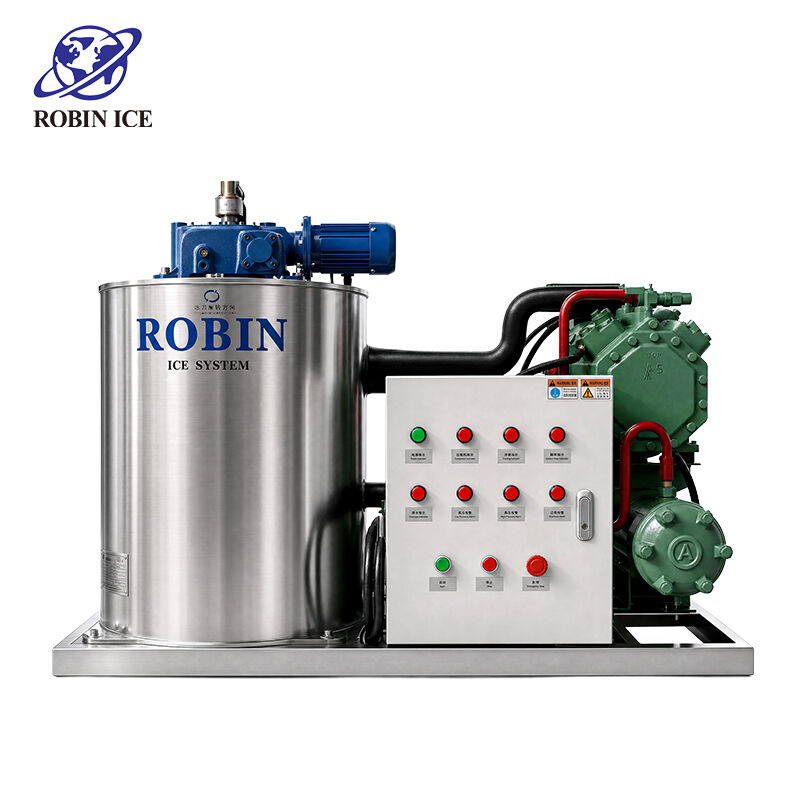
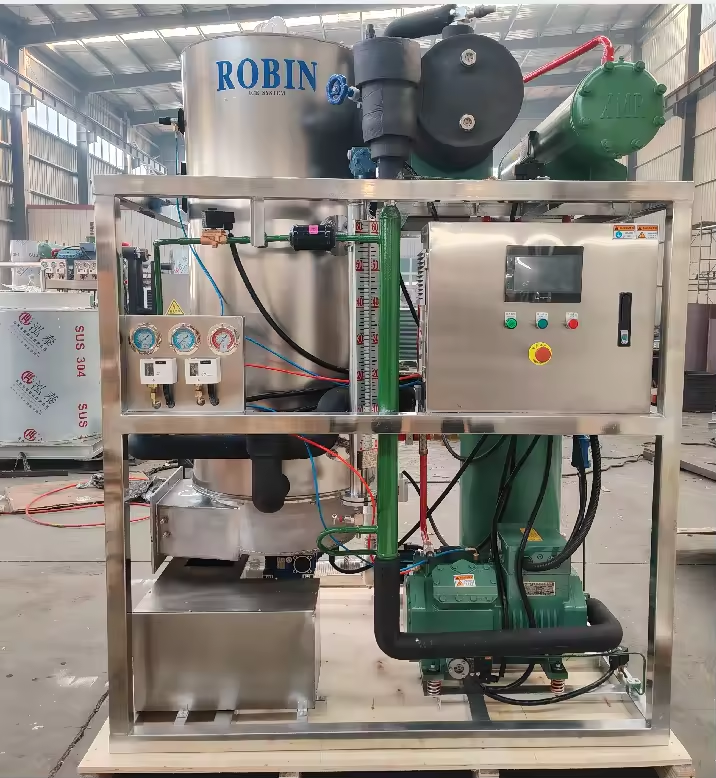
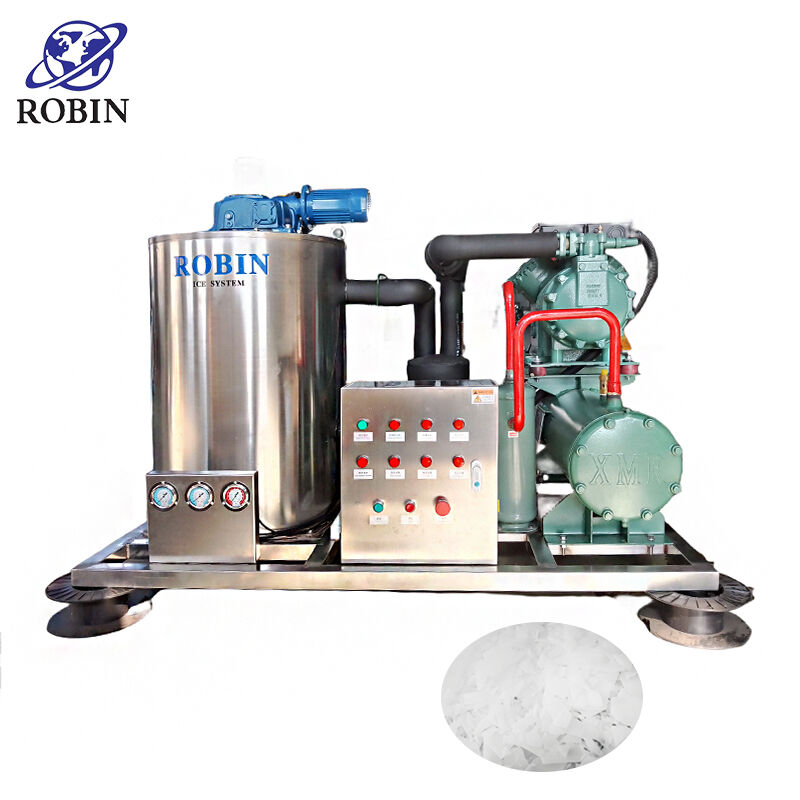
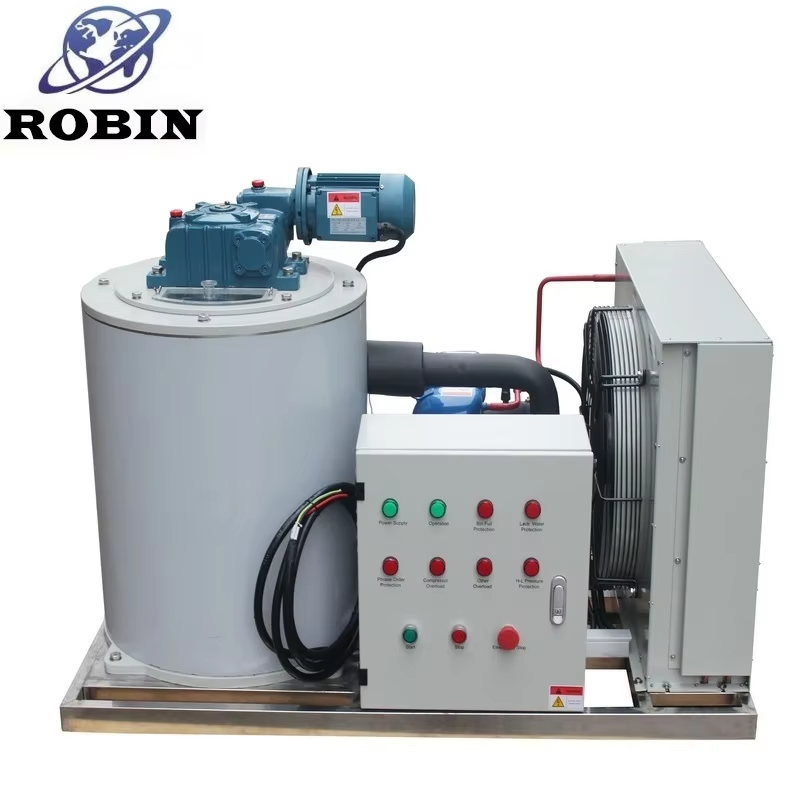
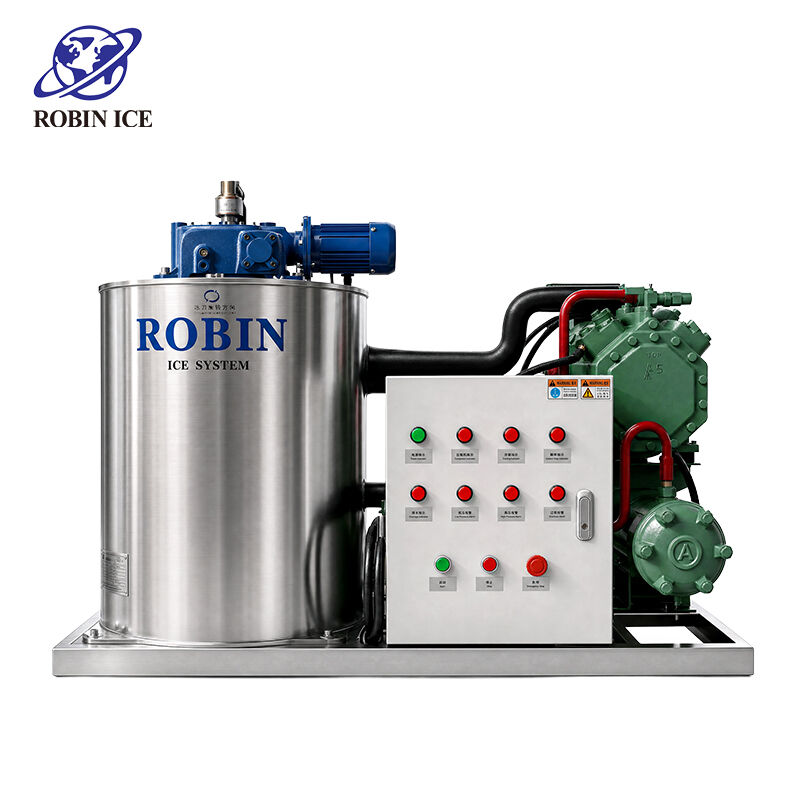
Investing in a fresh water flake ice maker delivers measurable returns through reduced operational expenses, increased productivity, and minimized product loss, making it a strategic asset rather than simply a utility purchase. The efficiency begins with energy consumption, where modern fresh water flake ice makers incorporate variable-speed compressors that adjust cooling capacity to match actual demand rather than cycling on and off at full power. This modulation reduces electrical draw by 25-30 percent compared to fixed-speed systems, translating into substantial savings over the equipment's 10-15 year operational lifespan. Water efficiency also contributes to cost reduction, as the fresh water flake ice maker recirculates water through the freezing process multiple times before discharge, extracting maximum ice yield from each gallon. Advanced models include water treatment systems that filter impurities and adjust mineral content, preventing scale buildup that degrades heat transfer efficiency and necessitates costly maintenance interventions. The production capacity of a properly sized fresh water flake ice maker eliminates the expense and logistical complications of purchasing ice from external suppliers, a practice that introduces quality variability, delivery scheduling constraints, and per-pound costs that accumulate rapidly in high-volume operations. By producing ice on-site, you gain complete control over availability, ensuring that production lines never halt due to ice shortages during peak periods or unexpected demand surges. The fresh water flake ice maker also reduces labor requirements through automation features that handle production monitoring, bin level detection, and cleaning cycles without staff intervention. Employees can focus on value-adding activities rather than ice management tasks, improving overall workforce productivity. Maintenance costs remain predictable and manageable with a fresh water flake ice maker, as the simple mechanical design features fewer moving parts than complex refrigeration systems, and the components that do require periodic replacement are standardized, readily available, and competitively priced. Preventive maintenance schedules typically involve quarterly inspections and annual deep cleaning, procedures that most facility maintenance teams can perform without specialized contractors. The durability of commercial fresh water flake ice makers means that capital expenditure amortizes over many years of reliable service, with properly maintained units often exceeding their rated lifespan by 30-50 percent. Product loss prevention represents perhaps the most significant cost benefit, as the superior cooling performance of a fresh water flake ice maker protects inventory value by maintaining optimal storage conditions that prevent spoilage, discoloration, texture degradation, and other quality issues that force discounting or disposal. For a seafood processor handling 1000 pounds of product daily, even a 2 percent reduction in spoilage saves thousands of dollars monthly, quickly offsetting the fresh water flake ice maker purchase price. The flexibility to scale production capacity by adding modular units allows businesses to match ice-making capability to growth trajectories without overinvesting in excess capacity during early stages, optimizing capital allocation while maintaining the ability to expand as market opportunities develop.

 EN