Uncompromising Hygiene Standards With Fresh Water Ice Production
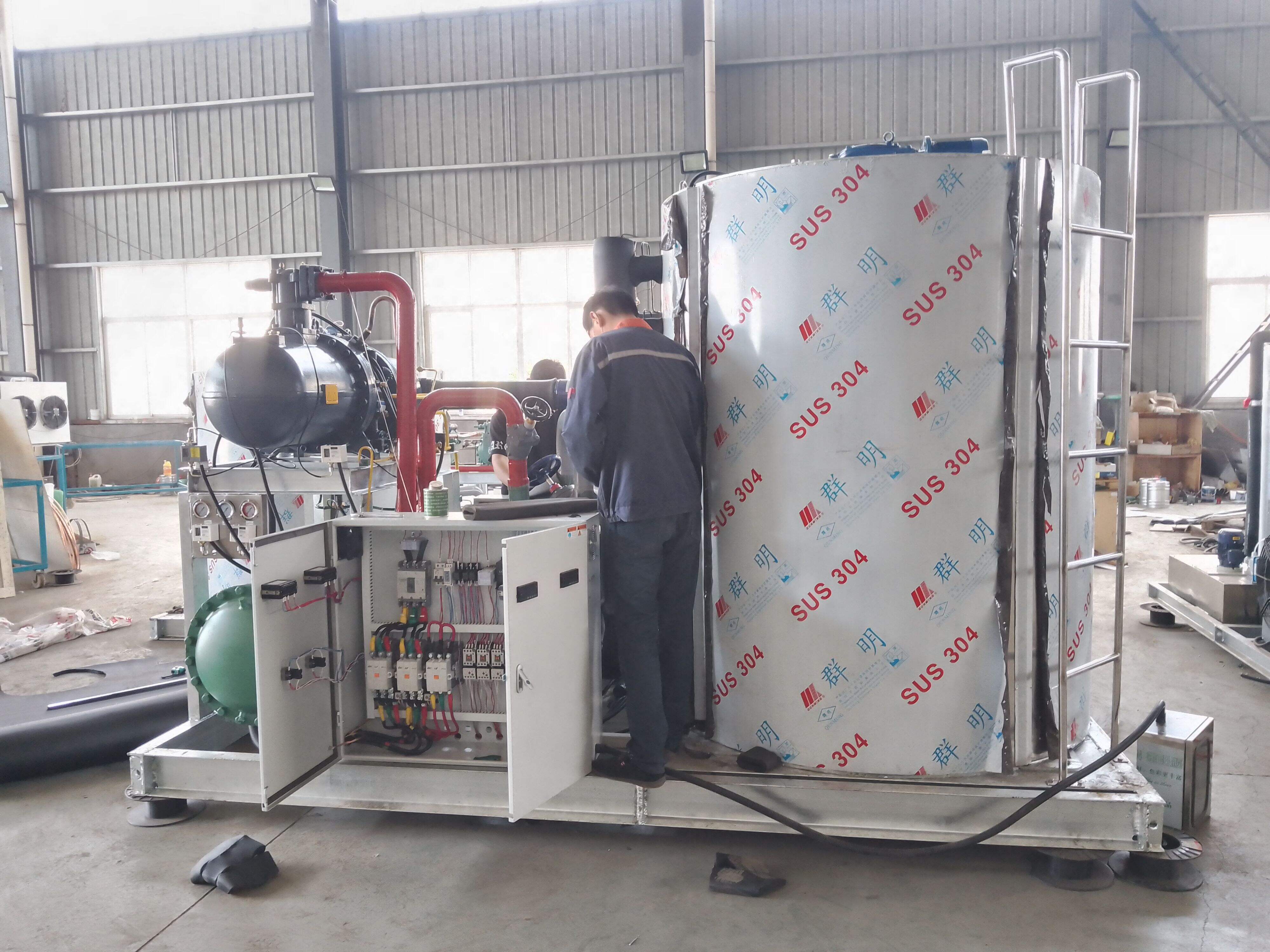
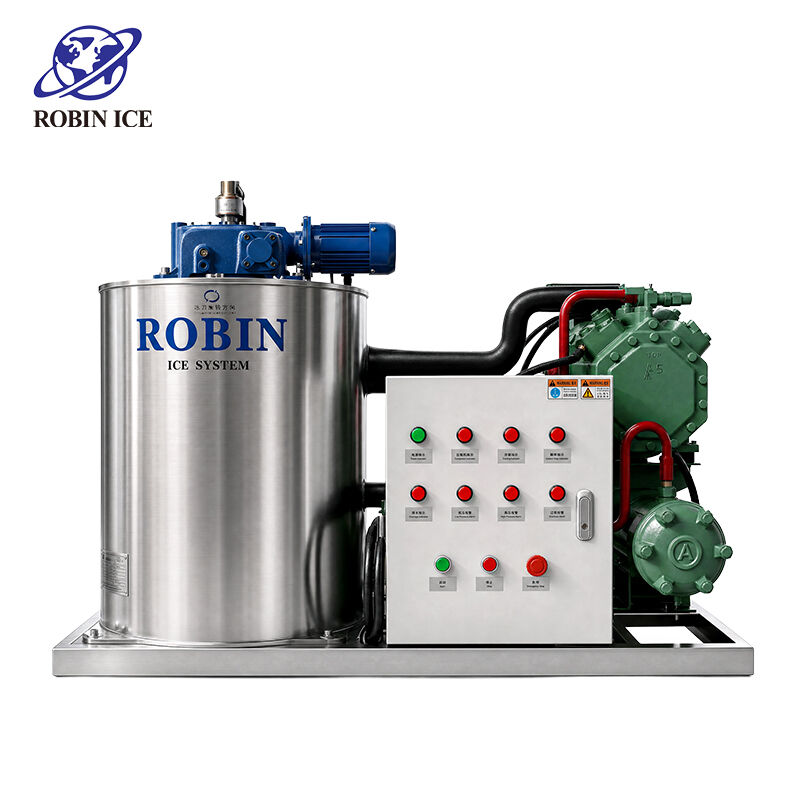
The large fresh water flake ice machine prioritizes sanitation and purity through its exclusive use of fresh water as the ice production medium, addressing critical hygiene requirements across food service, medical, and pharmaceutical applications. Fresh water sourcing eliminates the risk of saltwater contamination, mineral buildup, and biological organisms that can compromise ice quality and safety in systems using alternative water sources. The machine's stainless steel construction throughout all product-contact surfaces provides a non-porous, corrosion-resistant environment that resists bacterial colonization and simplifies cleaning protocols. Food-grade materials in seals, gaskets, and water distribution components ensure that no harmful substances leach into the ice during production, maintaining the purity that fresh water provides from input to output. The continuous production cycle prevents stagnant water conditions that could foster microbial growth, as fresh water flows through the system regularly, undergoes immediate freezing, and exits as ice without prolonged residence time in the machine. Smooth interior surfaces and accessible design features facilitate thorough cleaning during scheduled maintenance, allowing operators to maintain the highest sanitation standards with straightforward procedures. The large fresh water flake ice machine incorporates drainage systems that prevent water accumulation in areas outside the active freezing zone, eliminating potential contamination sources that could affect ice quality. Removable panels and inspection ports provide access to critical areas for verification cleaning effectiveness and early detection of any hygiene concerns. The ice production process itself acts as a purification step, as the freezing action concentrates any impurities in the remaining liquid water, which the system then drains away before it can contaminate finished ice. This natural purification effect, combined with fresh water input, produces ice that meets or exceeds regulatory standards for direct food contact applications. Temperature monitoring systems ensure that ice remains at safe storage temperatures from production through discharge, preventing partial melting and refreezing cycles that could compromise quality. The absence of manual handling during production eliminates a major contamination vector, as ice travels from freezing surface to storage bin through enclosed pathways that protect it from environmental exposure. Compliance with international food safety standards, including HACCP principles and FDA guidelines, comes built into the design philosophy of these machines, providing documentation-ready assurance for facilities subject to regulatory inspection. The fresh water advantage extends beyond initial production, as the resulting ice contains no residual salts or minerals that could affect the taste of beverages, the texture of food products, or the outcomes of chemical processes where water purity matters.

 EN