commercial flake ice machine
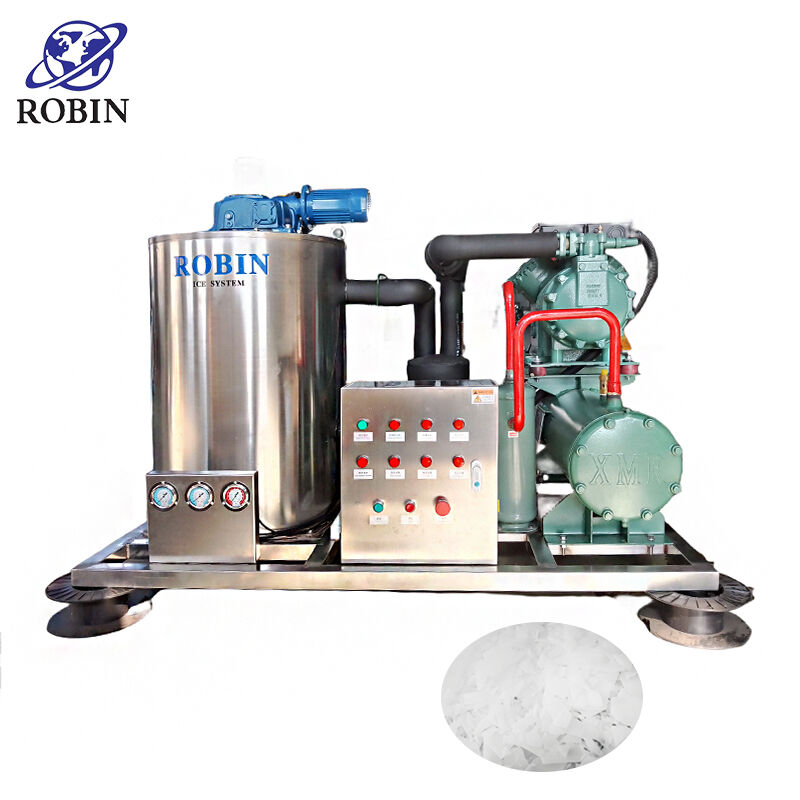
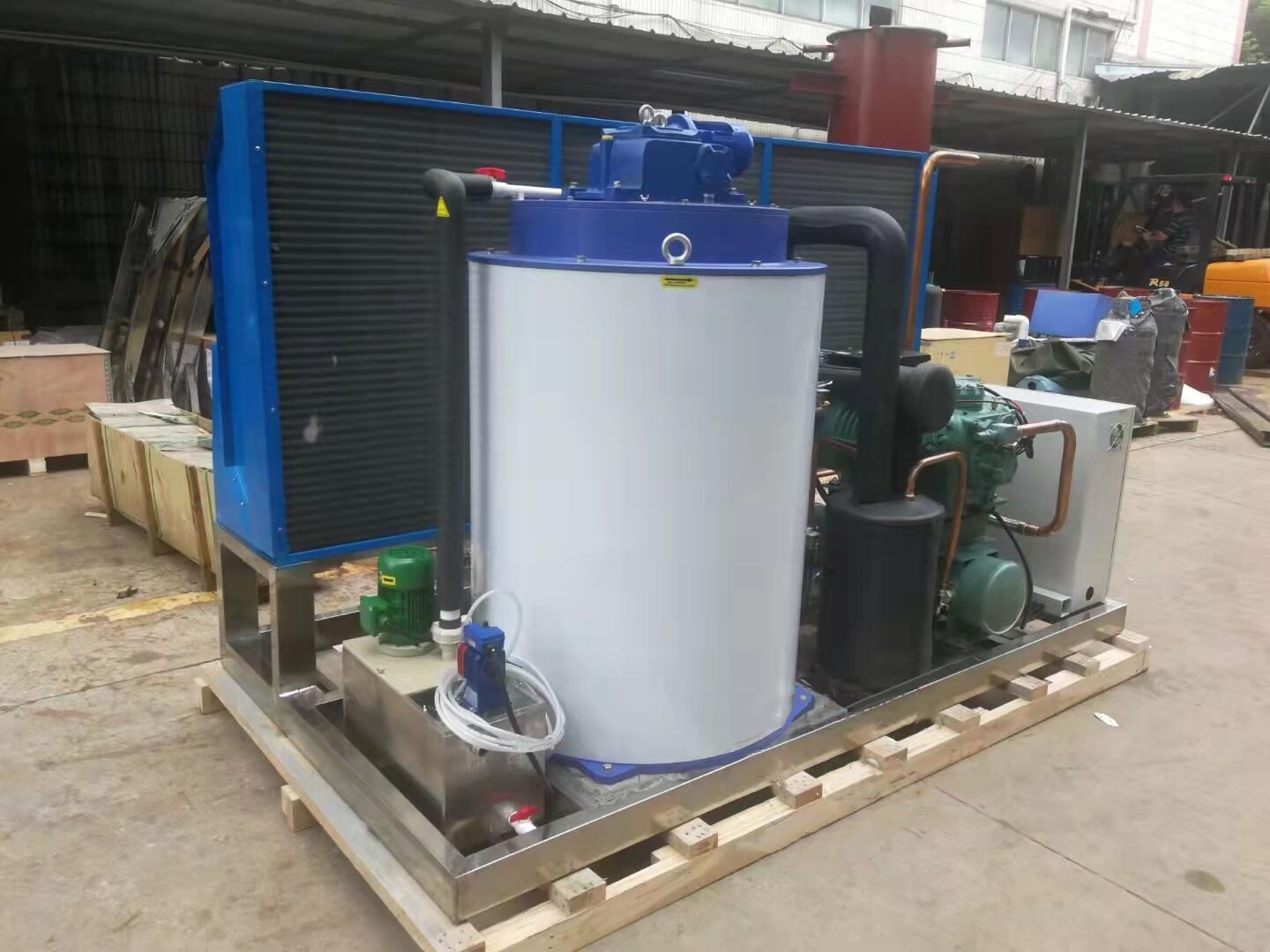
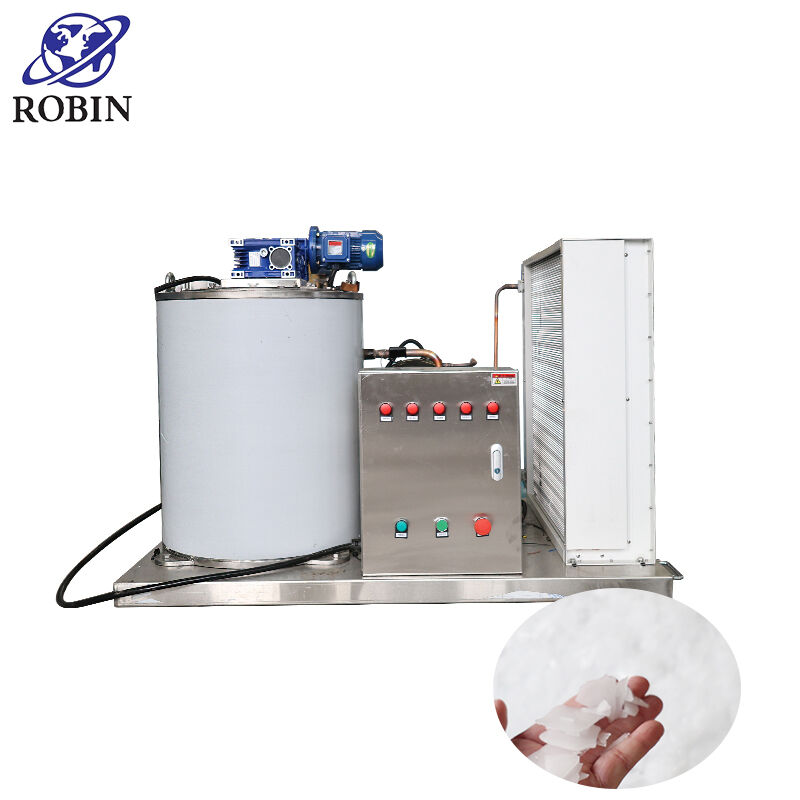
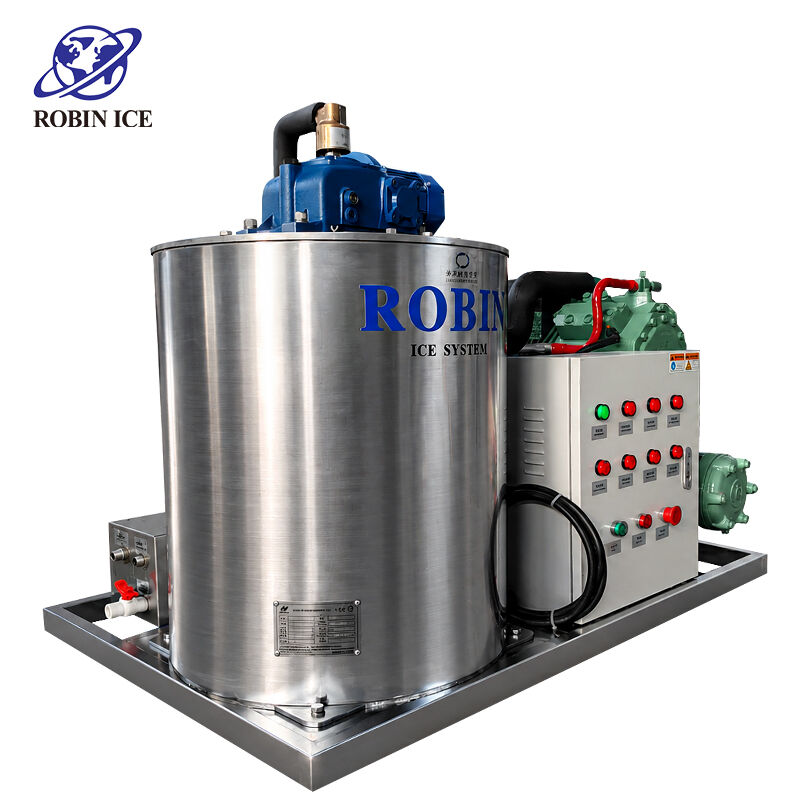
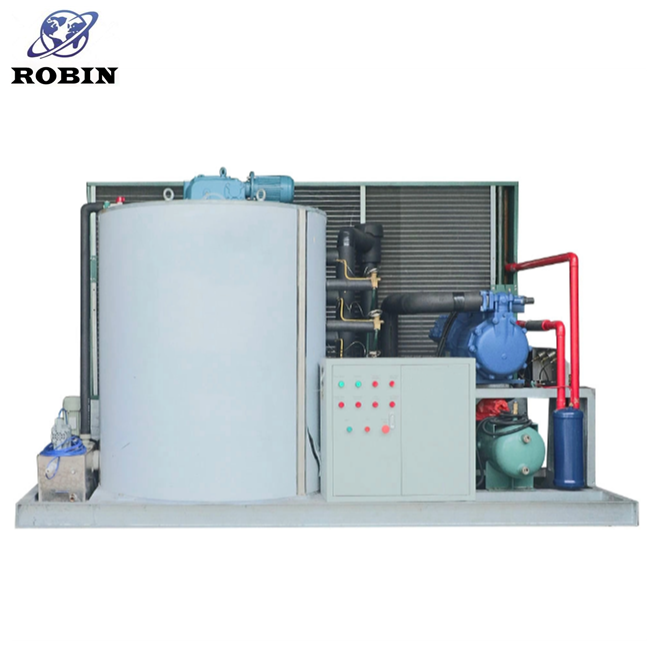
A commercial flake ice machine represents an essential refrigeration solution designed to produce thin, flat ice crystals that offer superior cooling performance across diverse industries. This specialized equipment generates ice in small, irregular flakes typically measuring 1-2mm in thickness, creating a snow-like texture that maximizes surface contact with products requiring rapid temperature reduction. The machine operates through a continuous freezing process where water flows over a refrigerated cylindrical drum, forming a thin ice layer that is immediately scraped off by rotating blades, resulting in consistent flake production throughout operational hours. Modern commercial flake ice machine units incorporate advanced compressor technology, efficient heat exchange systems, and automated control mechanisms that ensure reliable ice production while minimizing energy consumption. These machines are engineered to deliver daily ice output ranging from 200 pounds to several tons, accommodating businesses of varying scales and operational demands. The flake ice produced maintains a temperature of approximately 23 degrees Fahrenheit, providing immediate cooling effects that preserve product freshness and quality. Commercial flake ice machine systems feature stainless steel construction that meets food safety standards, ensuring hygiene compliance in sensitive environments such as food processing facilities, healthcare institutions, and hospitality establishments. The equipment includes integrated water filtration systems that remove impurities, producing clean, odorless ice suitable for direct food contact applications. Advanced models incorporate smart monitoring capabilities that track production cycles, alert operators to maintenance requirements, and optimize performance based on ambient conditions. The versatility of a commercial flake ice machine extends beyond simple ice production, as the unique characteristics of flake ice make it ideal for display purposes, concrete cooling, chemical processing, and therapeutic applications. Installation flexibility allows these machines to fit into various spatial configurations, with options for undercounter, modular, or standalone placements that adapt to existing infrastructure without requiring extensive modifications.

 EN