Exceptional Production Capacity Meets Demanding Commercial Requirements
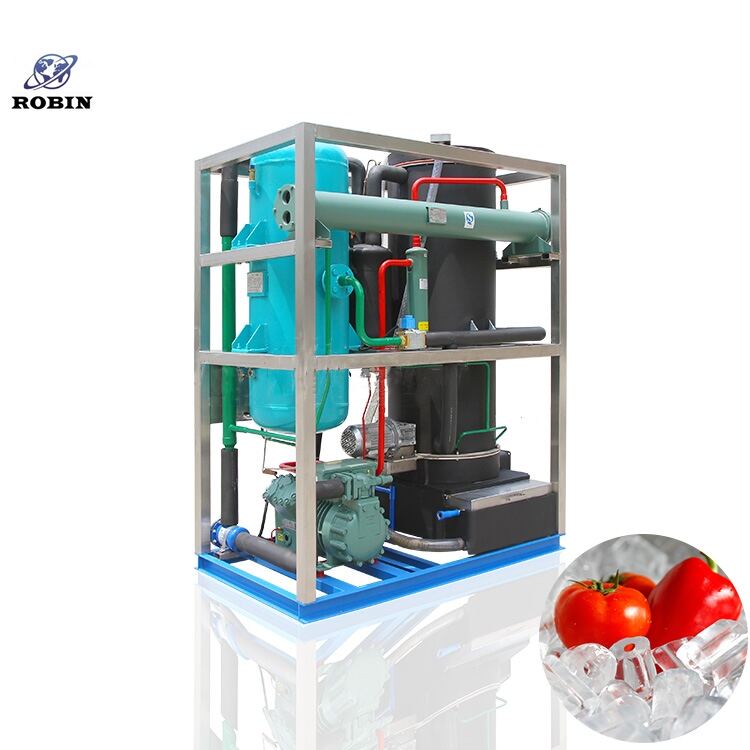
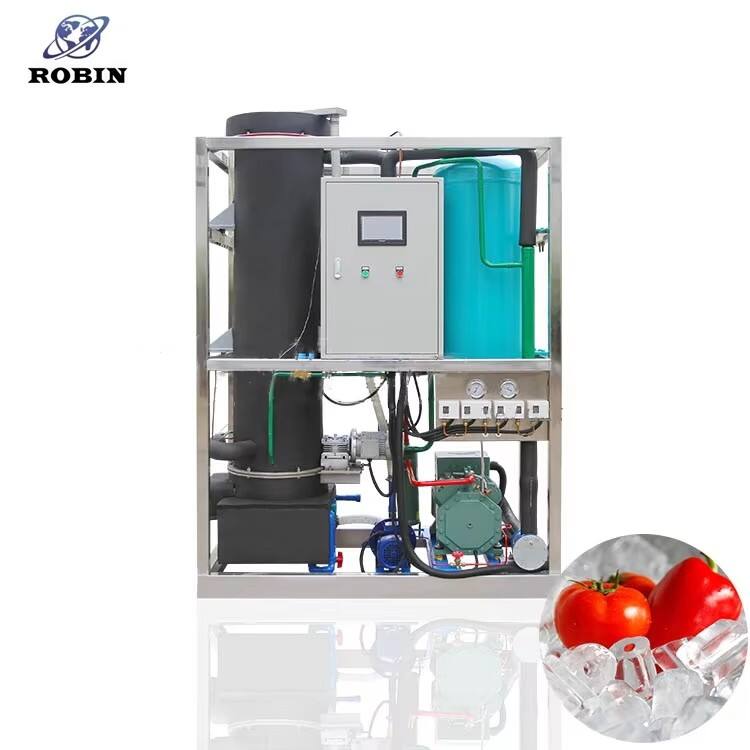
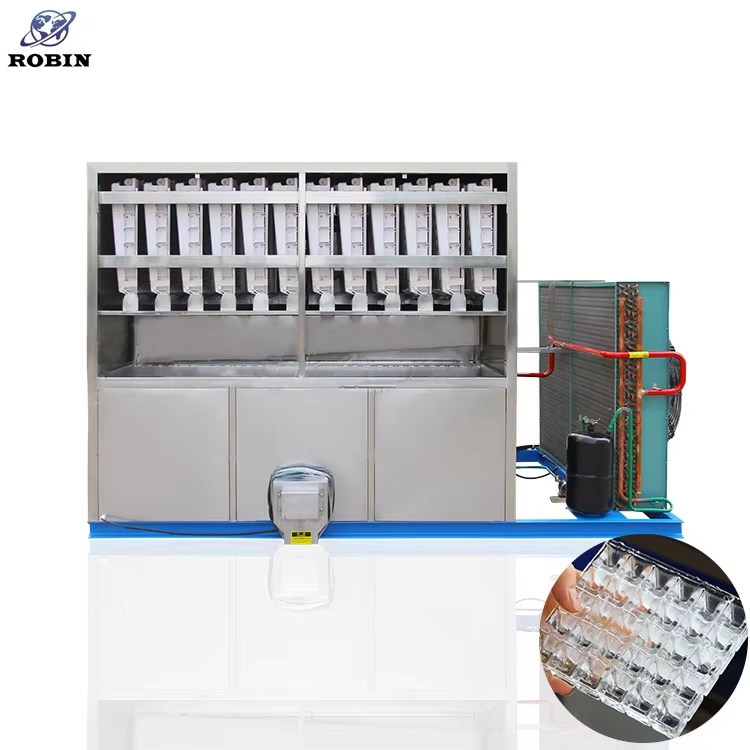
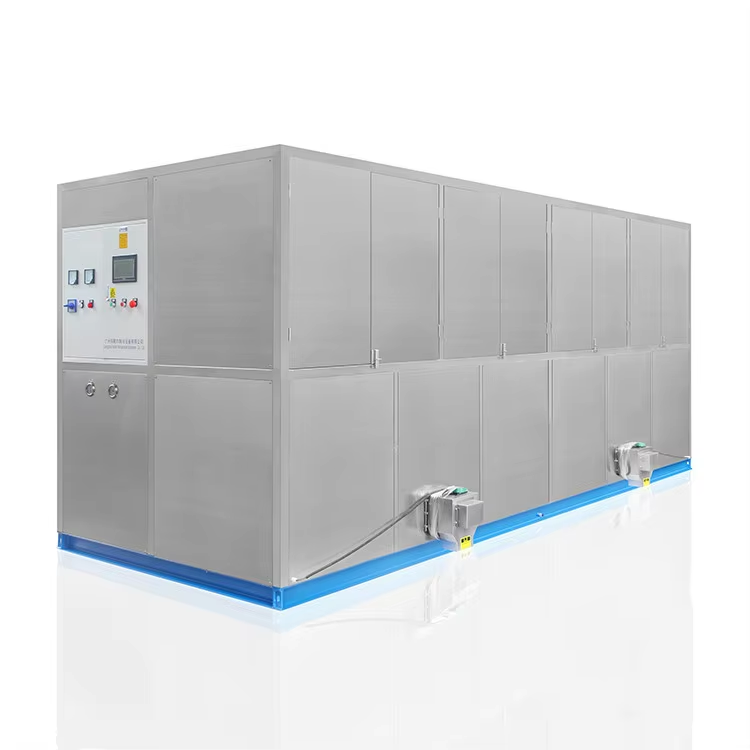
The 3 ton cube ice machine stands out in the commercial ice production landscape through its ability to generate 3,000 kilograms of premium cube ice every 24 hours, a capacity that addresses the most demanding operational scenarios. This production volume supports large-scale hospitality operations, busy healthcare facilities, extensive food processing plants, and high-volume retail environments without requiring multiple smaller units. The engineering behind this capacity involves precision-calibrated evaporator plates, high-efficiency compressors rated for continuous duty cycles, and optimized water circulation systems that maximize freezing surface contact. Unlike lower-capacity machines that struggle during peak demand periods, this robust unit maintains consistent output even when ambient temperatures rise or usage patterns intensify. The production cycle operates on a continuous basis, with ice harvesting occurring automatically at optimal intervals to ensure fresh batches constantly replenish storage bins. This reliability proves invaluable during special events, holiday rushes, or unexpected demand spikes when ice shortages could compromise service quality or operational capabilities. The machine's capacity planning accounts for real-world variables including water temperature fluctuations, ambient heat loads, and electrical supply variations, ensuring rated production levels remain achievable under typical operating conditions. Businesses investing in a 3 ton cube ice machine gain significant operational flexibility, with surplus capacity providing buffer against growth, seasonal variations, or equipment redundancy needs. The substantial output eliminates the stress of rationing ice during busy periods, allowing staff to focus on customer service rather than resource management. From a financial perspective, consolidating ice production into a single high-capacity unit reduces installation costs, simplifies maintenance schedules, and improves energy efficiency compared to operating multiple smaller machines. The production capacity directly correlates with revenue potential in businesses where ice availability limits sales, such as convenience stores, concession stands, or catering operations. Quality remains consistent across the entire production volume, with each cube meeting identical specifications for size, clarity, and hardness regardless of whether it was produced at the beginning or end of a cycle.

 EN