Automated Operation with Intelligent Control Systems
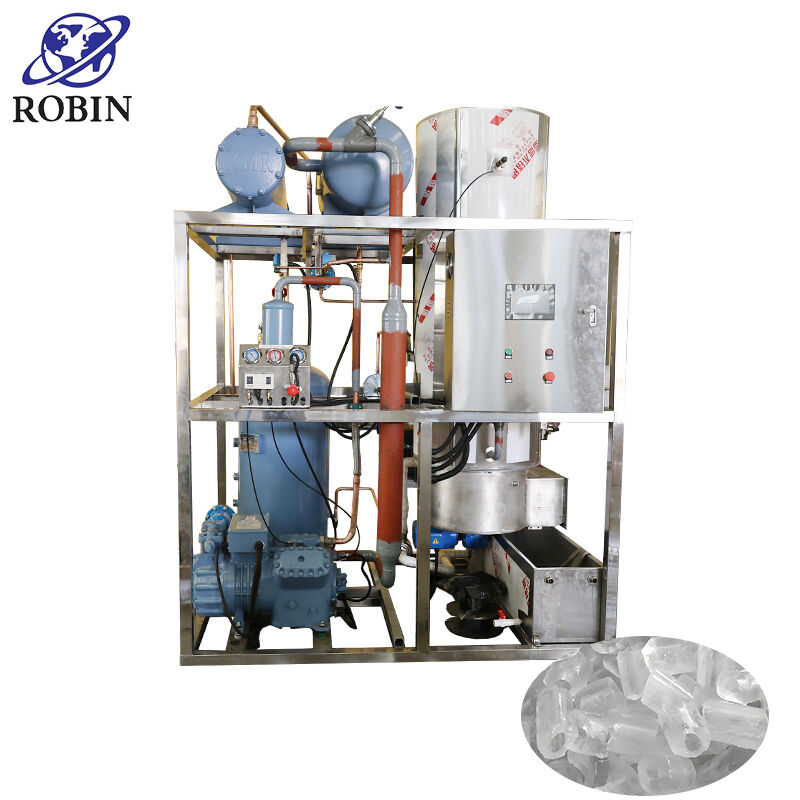
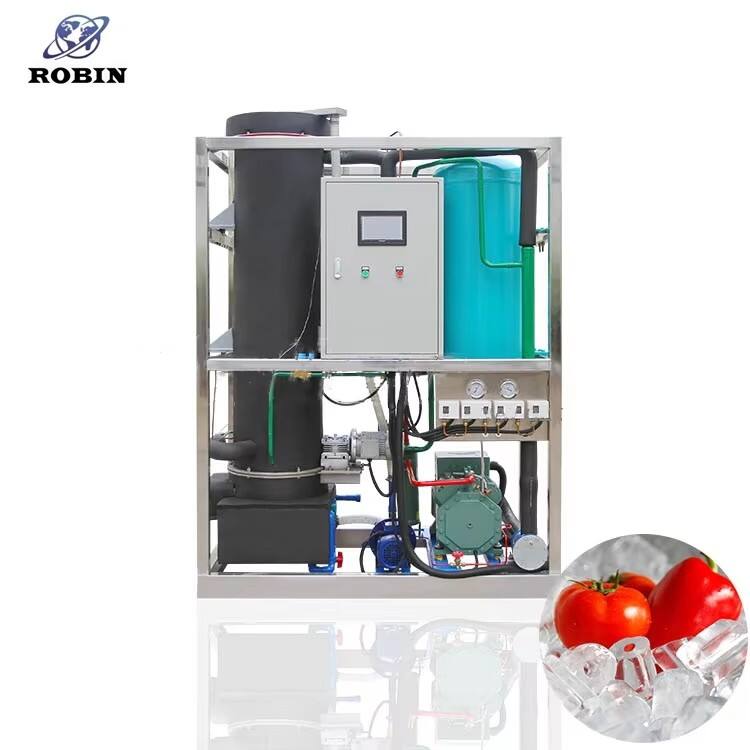
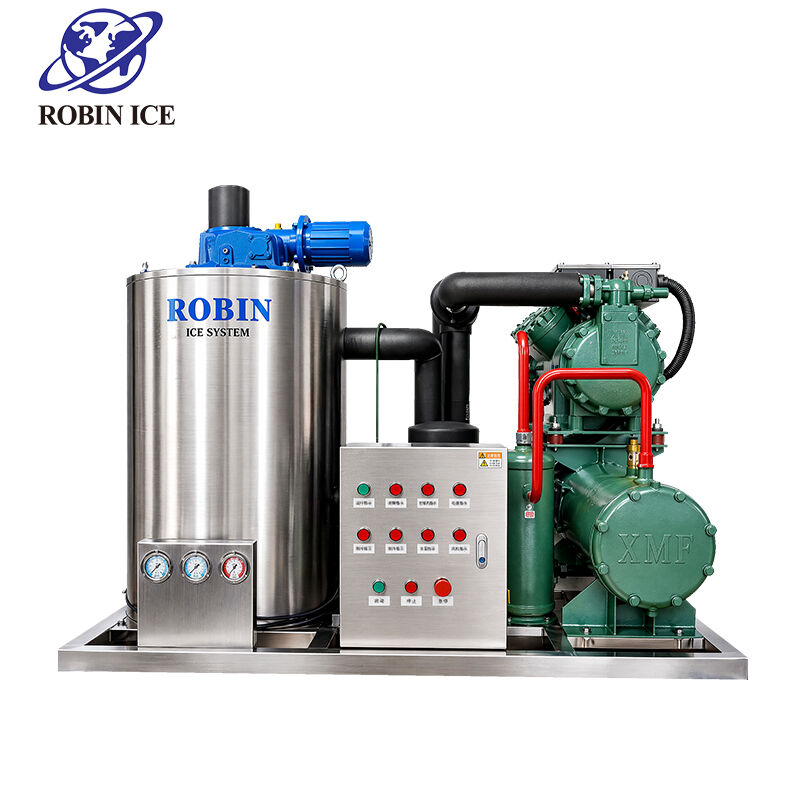
Modern water-cooled tube ice machines incorporate sophisticated control technology that transforms ice production from a labor-intensive process into a fully automated operation requiring minimal human intervention. The programmable logic controller at the heart of these systems continuously monitors dozens of operational parameters, making real-time adjustments to optimize performance and prevent issues before they impact production. Temperature sensors throughout the refrigeration circuit provide constant feedback about system conditions, allowing the controller to fine-tune refrigerant flow, adjust harvest timing, and maintain ideal operating conditions automatically. This intelligent monitoring eliminates the guesswork and manual adjustments that older ice machines required, freeing your staff from constant supervision duties and reducing the specialized knowledge needed to operate the equipment effectively. The automated harvest cycle represents a particularly valuable feature, as the system determines precisely when ice tubes reach optimal thickness and initiates the release sequence without operator input. This timing precision ensures consistent ice quality while maximizing production efficiency, as the machine never wastes energy over-freezing ice or harvests prematurely with inadequate thickness. Safety interlocks protect both equipment and personnel by preventing operation when conditions fall outside acceptable parameters, such as insufficient water flow, abnormal pressures, or electrical anomalies that could indicate developing problems. Diagnostic capabilities built into the control system provide early warning of maintenance needs, displaying error codes and status information that help technicians quickly identify and resolve issues before they cause extended downtime. Remote monitoring options available on advanced models allow facility managers to check production status, receive alerts, and access performance data from smartphones or computers, enabling proactive management even when off-site. The user interface presents information in clear, straightforward language rather than technical codes, making it accessible to operators with varying experience levels and reducing training time for new employees. Energy management features automatically adjust operation based on ice demand patterns, reducing power consumption during low-usage periods while ensuring adequate production capacity remains available for peak times. The system maintains detailed production logs that document output volumes, cycle times, and operational events, providing valuable data for quality assurance programs and efficiency improvement initiatives.

 EN