Robust Construction and Low Maintenance Requirements Ensure Long-Term Reliability
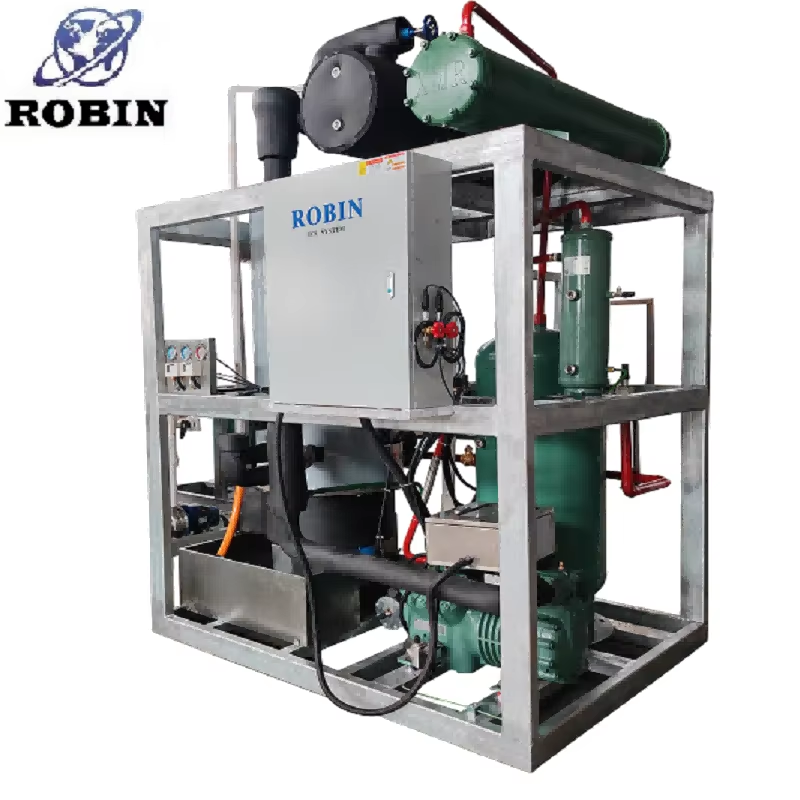
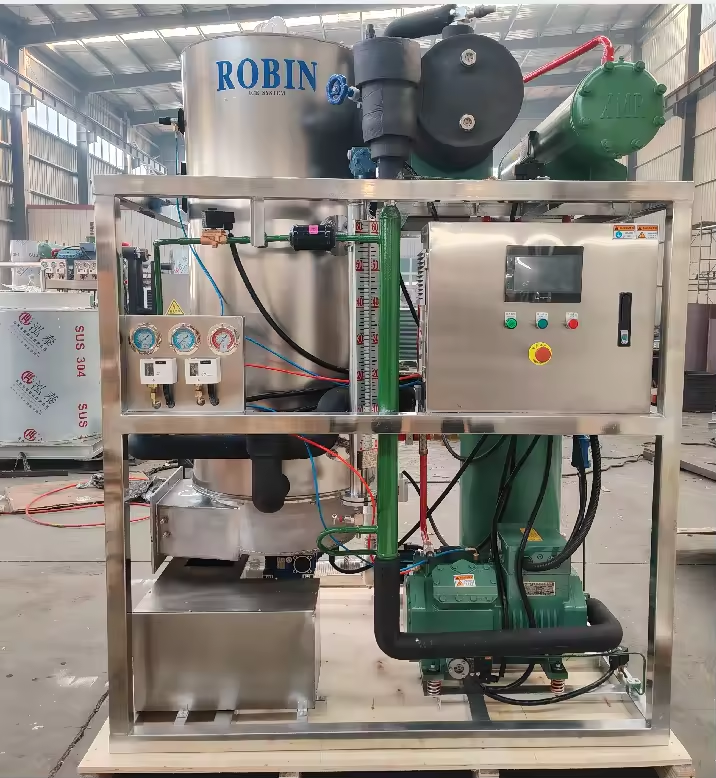
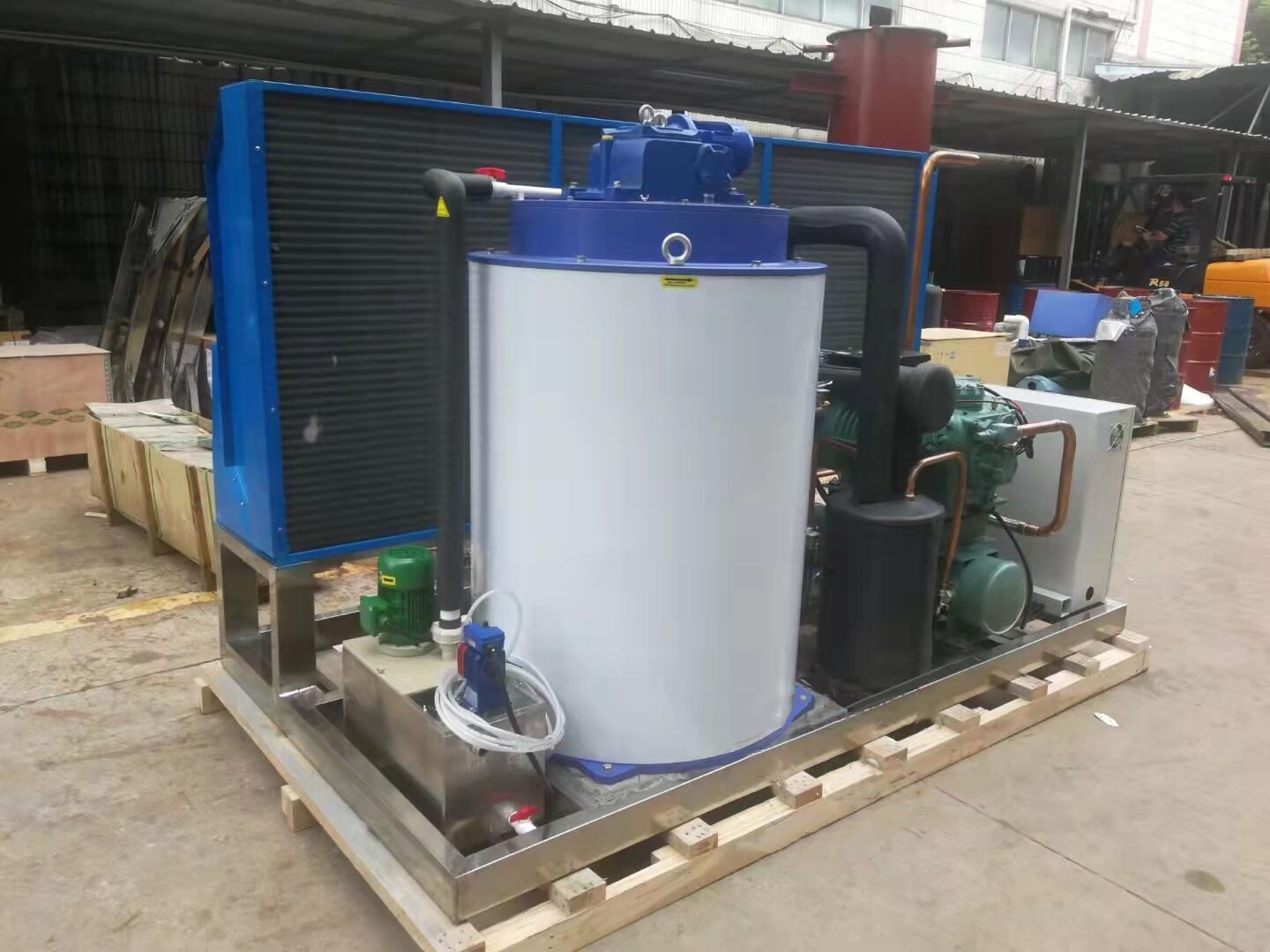
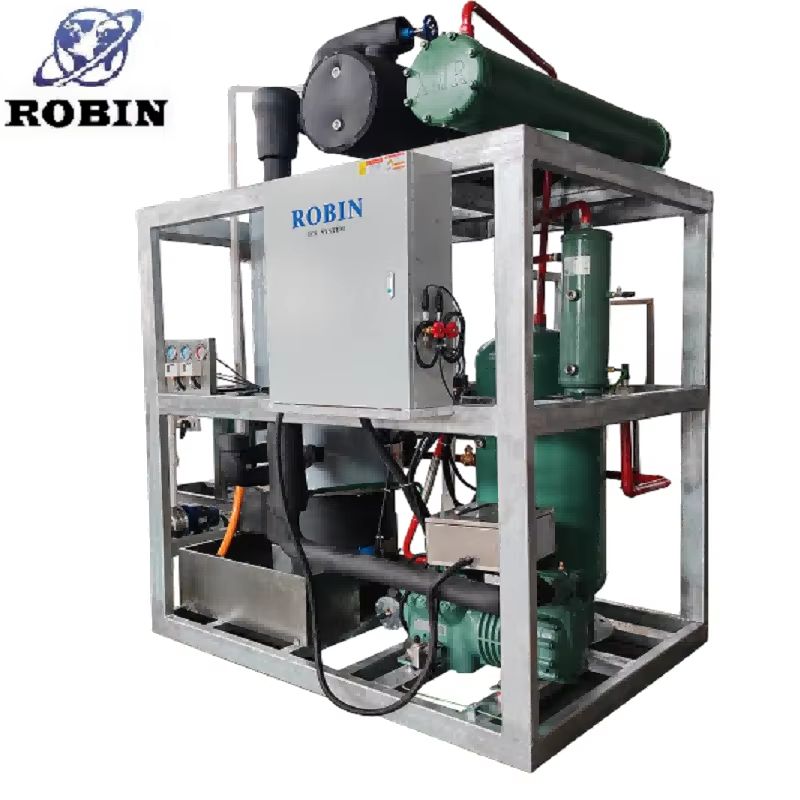
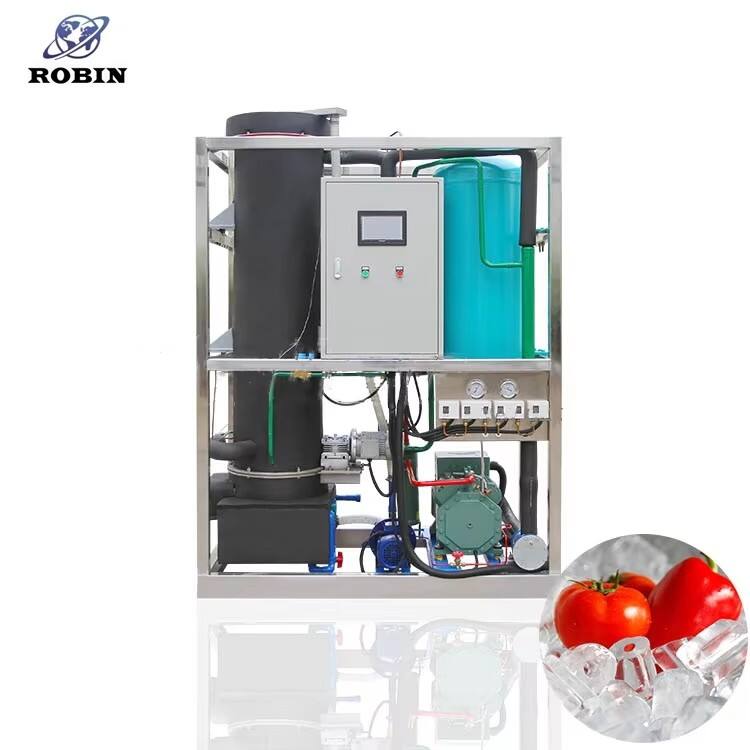
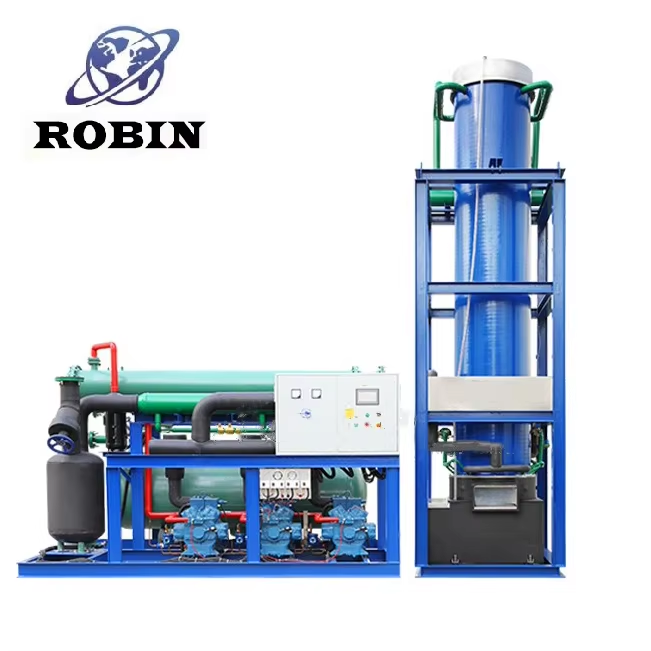
The automatic tube ice machine features engineering and construction quality that prioritizes durability, reliability, and minimal maintenance requirements throughout its operational lifespan. Manufacturers select materials specifically for their resistance to the harsh conditions inherent in ice production, including constant exposure to water, temperature extremes, and the corrosive effects of minerals and treatment chemicals. The evaporator tubes, which form the core of the ice-making process, typically utilize copper-nickel alloys or stainless steel that resist corrosion while providing excellent thermal conductivity. These materials maintain their integrity through thousands of freeze-thaw cycles without developing the scale buildup, pitting, or structural weakening that would compromise ice quality or system efficiency. The robust construction extends to the refrigeration components, where commercial-grade compressors, condensers, and expansion valves are selected for continuous-duty operation rather than intermittent residential use. The automatic tube ice machine compressor often features semi-hermetic or scroll designs that combine efficiency with serviceability, allowing for maintenance and repair without complete replacement. The refrigeration circuit incorporates oversized components that operate below maximum capacity, reducing stress and extending component life while providing reserve capacity for peak demand periods. The frame and housing construction uses corrosion-resistant materials such as stainless steel or specially coated steel that withstand the humid environment surrounding ice production equipment. Structural members are designed with adequate strength to support the weight of the evaporator assembly, ice storage, and water systems without flexing or settling over time. This rigid construction maintains proper alignment of critical components, preventing the mechanical issues that can arise from frame distortion. Maintenance accessibility represents a key design consideration in the automatic tube ice machine, with service panels, inspection ports, and component layouts that facilitate routine maintenance without requiring extensive disassembly. Water filters, strainers, and treatment cartridges mount in easily accessible locations with quick-disconnect fittings that enable rapid replacement during scheduled service intervals. The evaporator design allows for cleaning and descaling procedures that can be performed without removing the entire assembly, minimizing downtime and labor costs. The self-diagnostic capabilities built into modern automatic tube ice machine models dramatically reduce maintenance complexity by identifying issues before they cause failures. The control system monitors parameters such as compressor discharge pressure, suction pressure, water flow rates, and cycle times, comparing actual values against expected ranges. When deviations occur, the system generates specific alerts that direct maintenance personnel to the affected component or system, eliminating the time-consuming troubleshooting that would otherwise be required. Preventive maintenance requirements remain straightforward and infrequent compared to more complex ice-making technologies. Regular tasks include water filter replacement, condenser coil cleaning, and inspection of water distribution systems, all of which can be performed by facility maintenance staff without specialized ice machine expertise. The automatic tube ice machine design minimizes the number of wear items and consumables, reducing ongoing operational costs and simplifying inventory management for spare parts. The expected service life of a well-maintained automatic tube ice machine extends beyond fifteen years, with many units operating reliably for two decades or more. This longevity results from the combination of quality materials, robust construction, and the relatively simple mechanical design that avoids unnecessary complexity. The long operational life provides excellent return on investment, as the initial equipment cost is amortized over many years of productive service while maintenance and repair expenses remain modest throughout the machine's lifespan.

 EN