Superior Water Conservation and Operational Independence
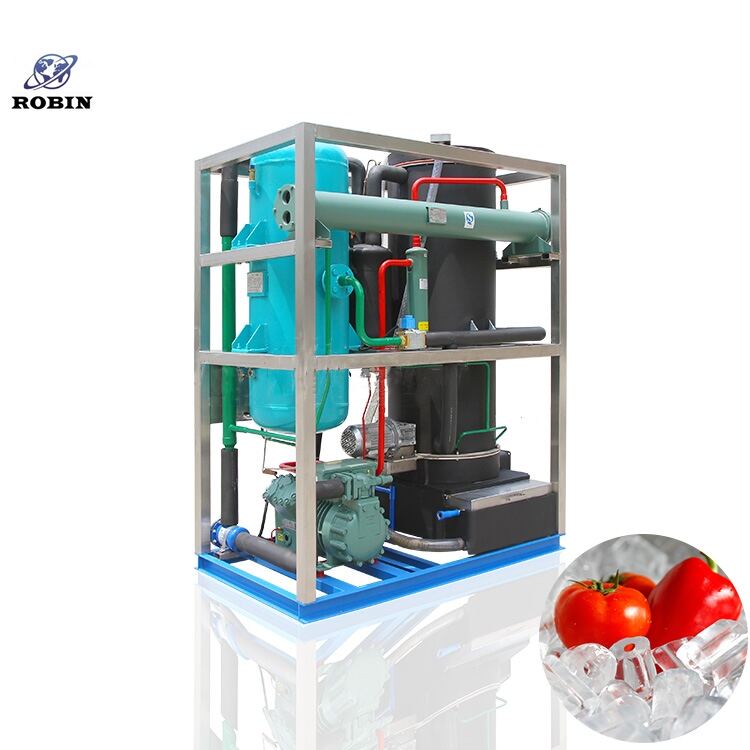
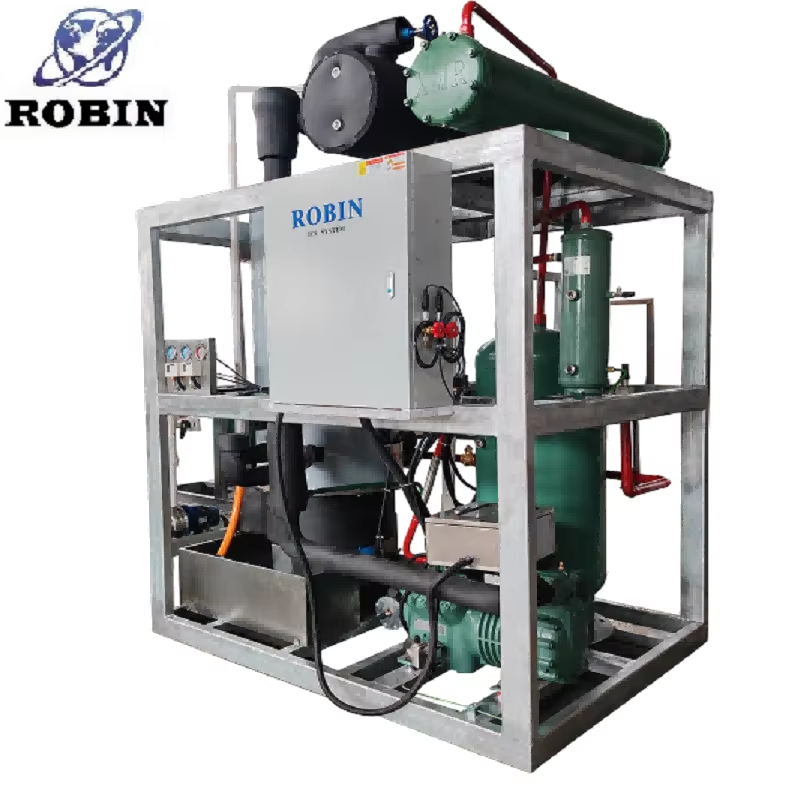
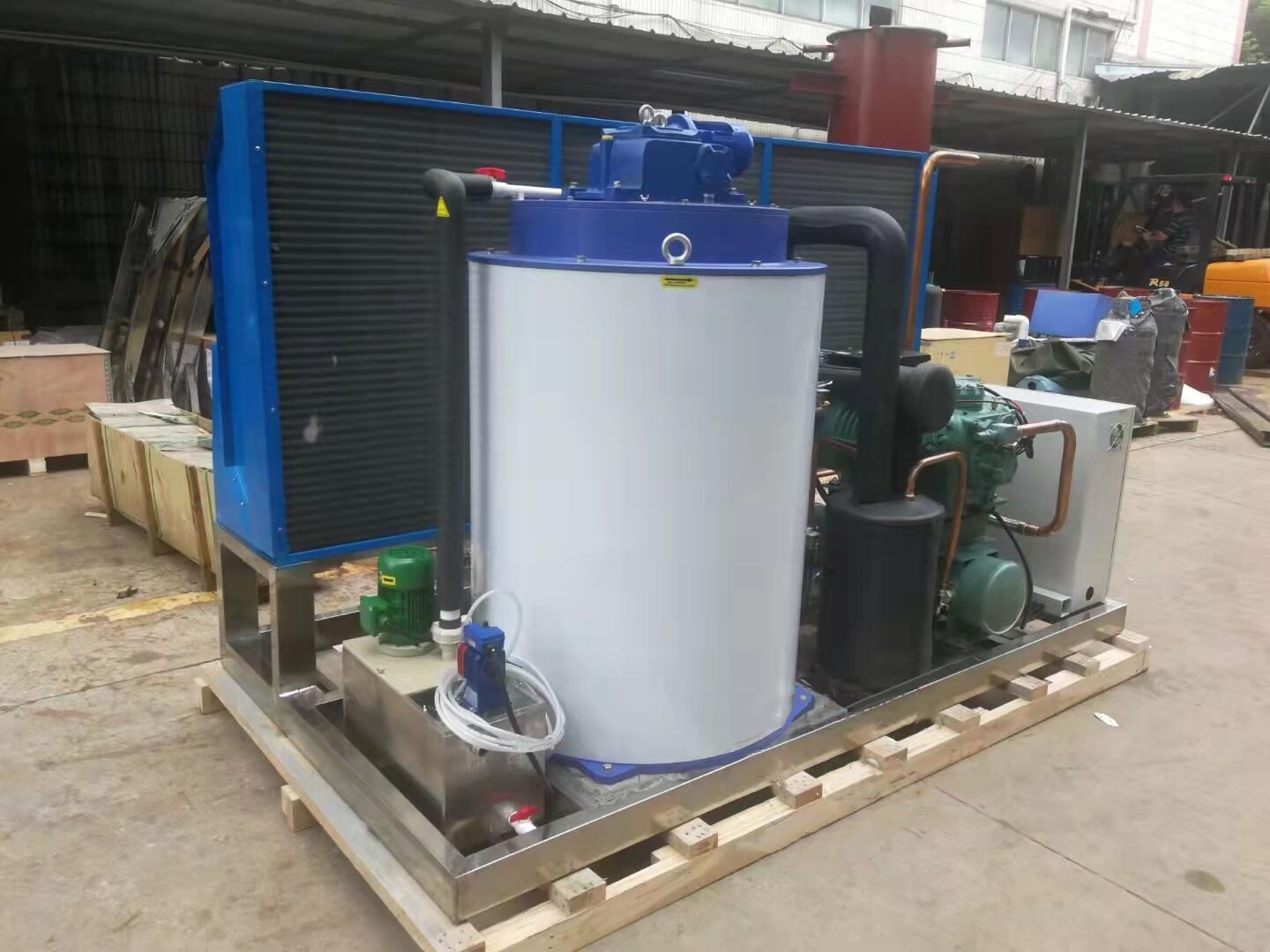
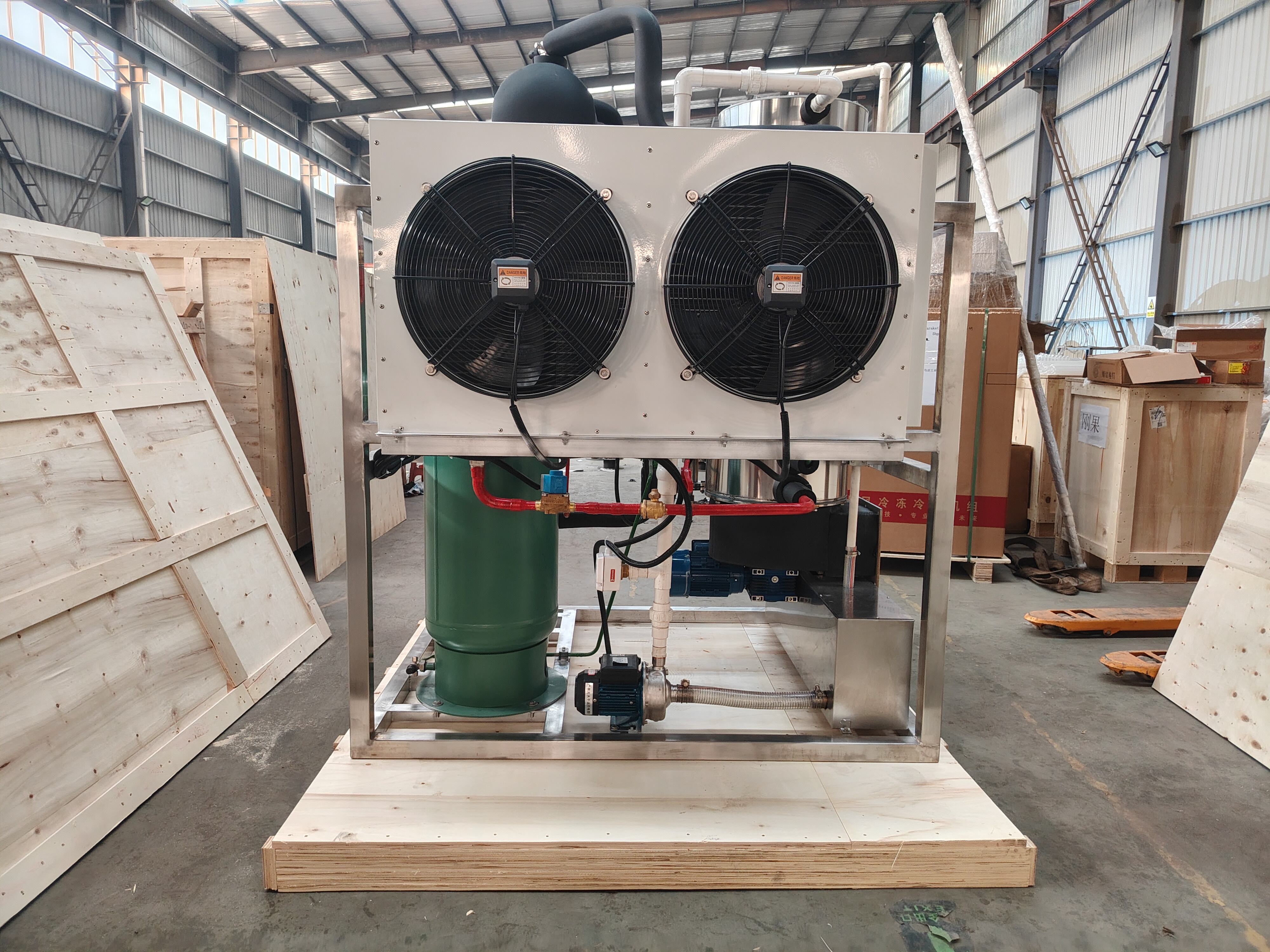
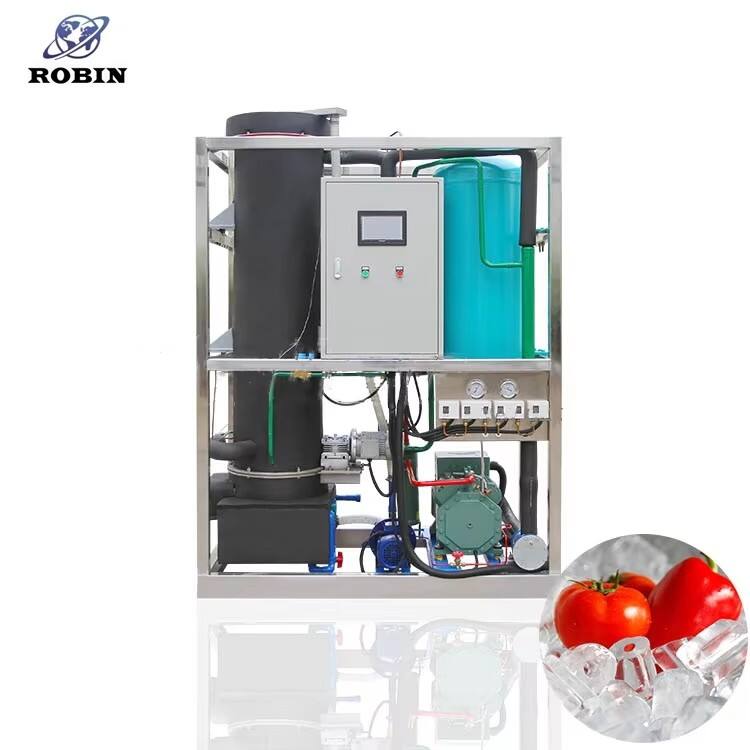
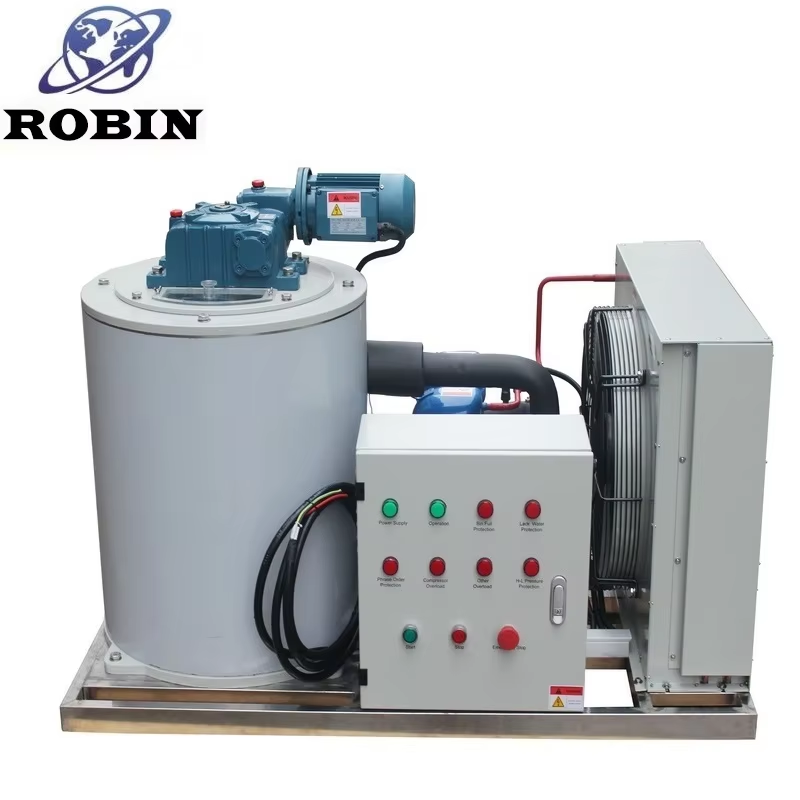
The water conservation capability of an air-cooled tube ice machine stands as its most transformative feature, addressing one of the most pressing resource challenges facing modern businesses. Traditional water-cooled ice machines consume thousands of gallons annually just for condenser cooling, creating substantial utility expenses and environmental concerns. An air-cooled tube ice machine eliminates this consumption entirely by using ambient air as the heat exchange medium, resulting in water usage limited solely to ice production itself. This distinction becomes particularly valuable in drought-prone regions, areas with water restrictions, or facilities paying premium rates for municipal water supplies. The operational independence achieved through air cooling means businesses can maintain full ice production capacity regardless of water pressure fluctuations, supply interruptions, or seasonal restrictions that might otherwise halt operations. Facilities located in industrial parks or remote areas where water infrastructure is limited find the air-cooled tube ice machine provides a viable solution that would be impractical with water-cooled equipment. The elimination of cooling tower systems removes an entire category of maintenance tasks, including periodic cleaning, chemical treatment, and legionella prevention protocols that consume both time and money. Environmental compliance becomes simpler as there are no discharge permits required for cooling water, no chemical usage to report, and reduced overall water footprint that supports corporate sustainability goals. The financial impact extends beyond direct water costs to include avoided expenses for water treatment systems, softeners, and filtration equipment that water-cooled machines necessitate. In regions experiencing water cost inflation or facing future scarcity concerns, the air-cooled tube ice machine represents a future-proof investment that insulates businesses from escalating operational expenses. The independence from water infrastructure also accelerates installation timelines, allowing businesses to begin ice production weeks earlier than would be possible with water-cooled alternatives requiring extensive plumbing work. This feature proves especially advantageous for temporary installations, seasonal operations, or businesses anticipating facility relocations where permanent water connections would be impractical.

 EN