Scalable Production Capacity for Growing Business Needs
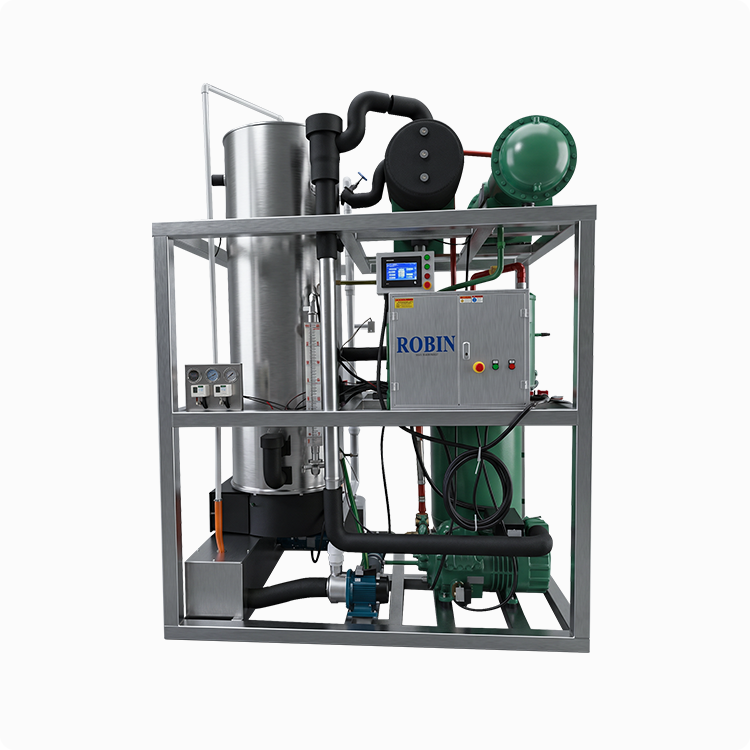
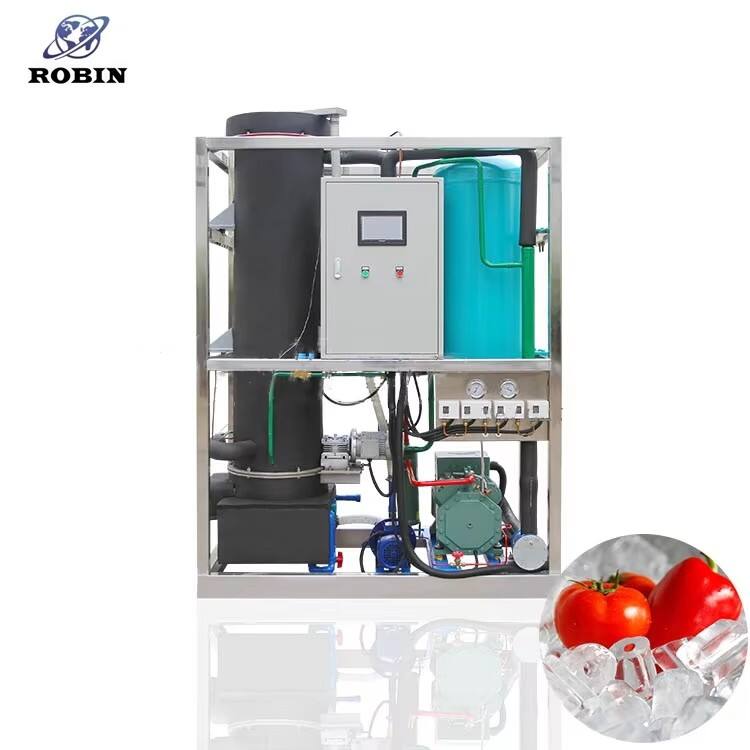
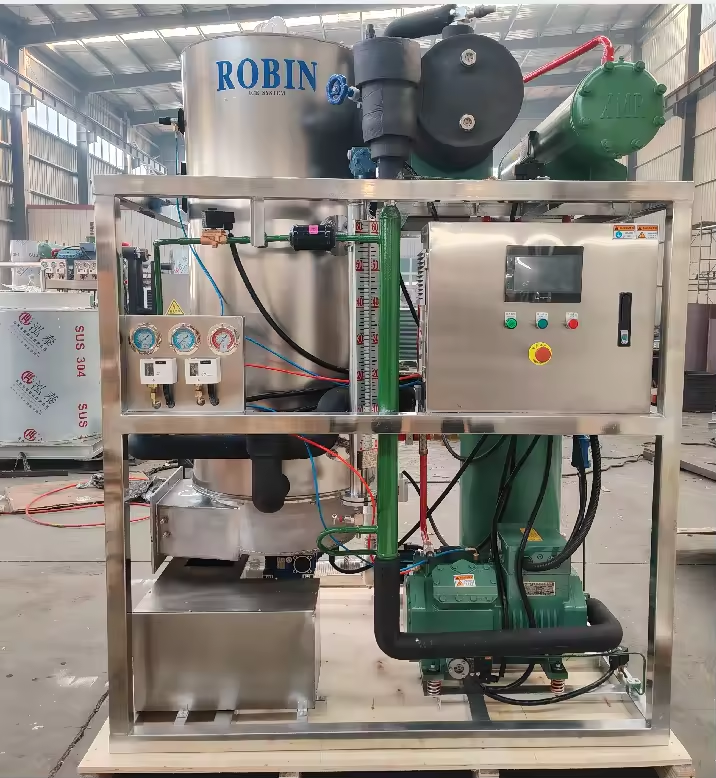
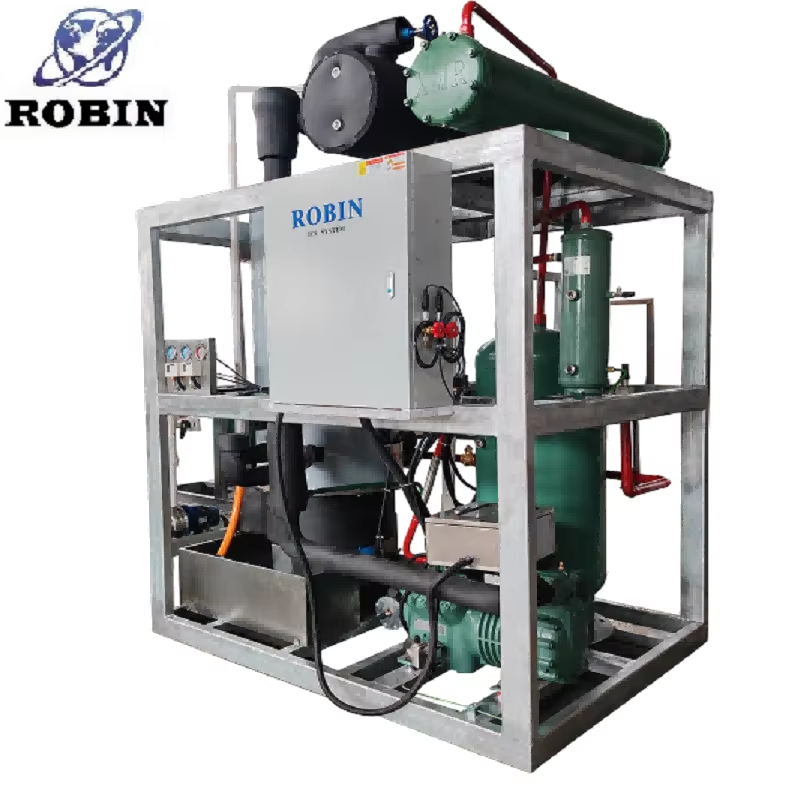
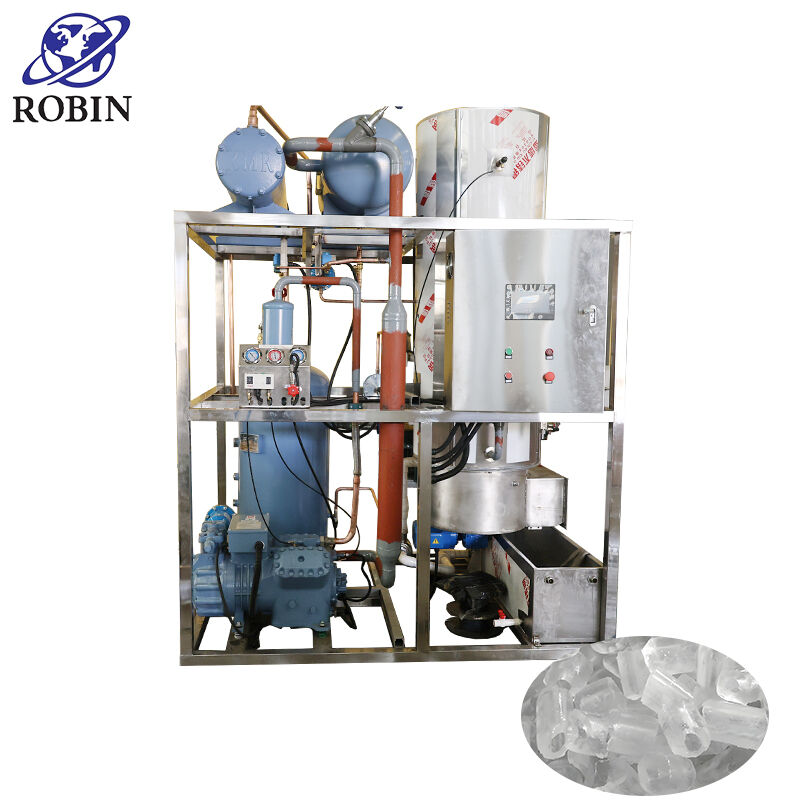
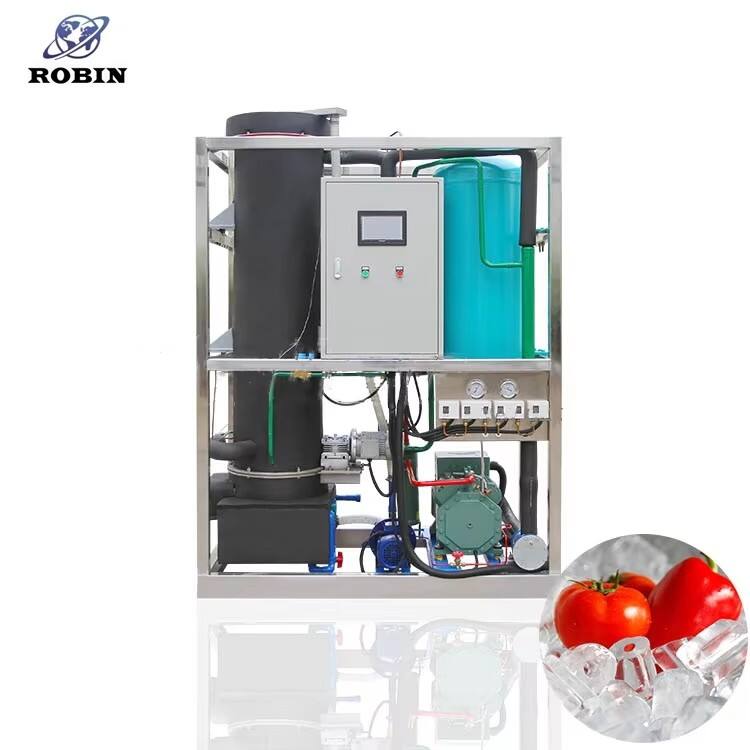
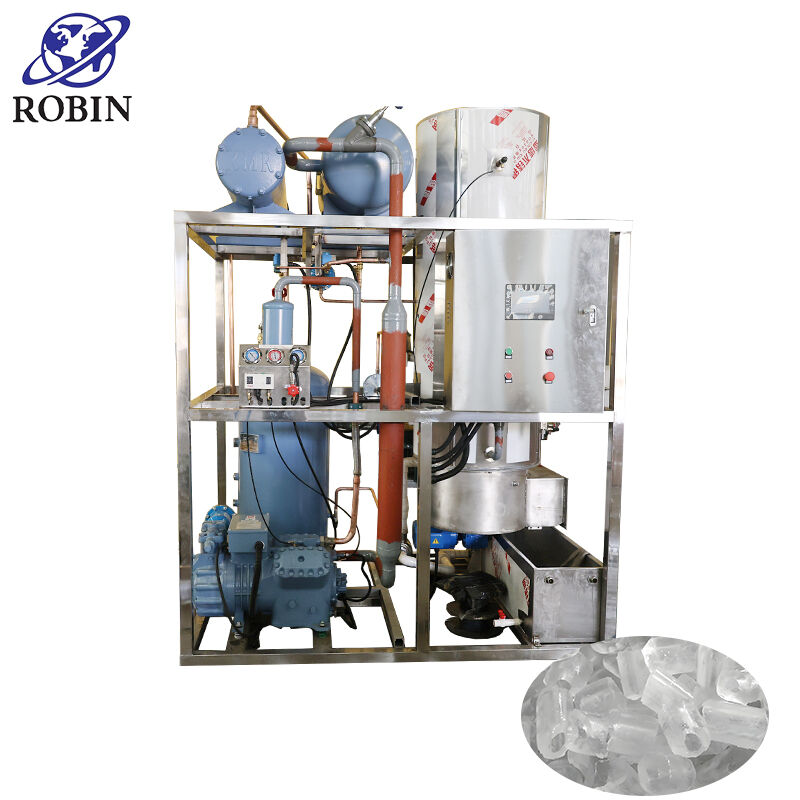
The tube ice maker offers exceptional scalability that allows businesses to match ice production capacity precisely with current requirements while maintaining flexibility for future expansion as demand grows. This adaptability proves invaluable for enterprises experiencing seasonal fluctuations, gradual growth, or unpredictable demand patterns that make capacity planning challenging. Entry-level tube ice maker models serve small restaurants, cafes, and retail establishments with daily production ranging from 1 to 3 tons, providing sufficient ice for typical operations while occupying minimal floor space. As businesses expand, modular tube ice maker systems allow capacity increases through parallel installation of additional units that operate independently or in coordinated arrays managed by centralized controls. This modular approach eliminates the need to replace existing equipment when production requirements increase, protecting the initial investment while providing cost-effective expansion options. Mid-range tube ice maker configurations suit hotels, supermarkets, and food processing facilities requiring 5 to 15 tons daily, with these systems featuring enhanced automation, remote monitoring capabilities, and integration options with existing facility management systems. Industrial-scale tube ice maker installations serve fisheries, concrete plants, chemical processing facilities, and large distribution centers where daily production exceeds 20 tons, with some custom systems producing over 50 tons to meet extraordinary demand. The production capacity of a tube ice maker remains consistent across varying ambient conditions thanks to adaptive controls that compensate for temperature and humidity fluctuations, ensuring reliable output regardless of seasonal changes. Businesses operating in multiple locations benefit from standardized tube ice maker models that simplify staff training, parts inventory management, and maintenance procedures across the entire organization. The ability to configure tube ice maker systems for different ice sizes provides additional flexibility, allowing operators to produce smaller cylinders for beverage service or larger pieces for industrial cooling applications using the same basic equipment with simple adjustment procedures. Storage capacity scales independently from production capacity, with insulated bins available in sizes from compact under-counter units to walk-in cold rooms that hold multiple days of production, providing buffer inventory for peak demand periods. The tube ice maker control system includes production scheduling features that allow operators to program ice-making cycles around utility rate structures, producing ice during off-peak hours when electricity costs less and storing it for use during expensive peak periods. This intelligent operation reduces energy expenses while ensuring adequate ice availability throughout business hours. Remote monitoring capabilities enable managers to track production metrics, receive maintenance alerts, and adjust operating parameters from smartphones or computers, providing operational visibility across multiple locations without requiring on-site visits. The tube ice maker platform supports integration with building automation systems, point-of-sale networks, and inventory management software, creating data streams that inform business decisions and optimize resource allocation. This connectivity transforms the tube ice maker from a simple appliance into an intelligent asset that contributes to overall operational efficiency and profitability.

 EN