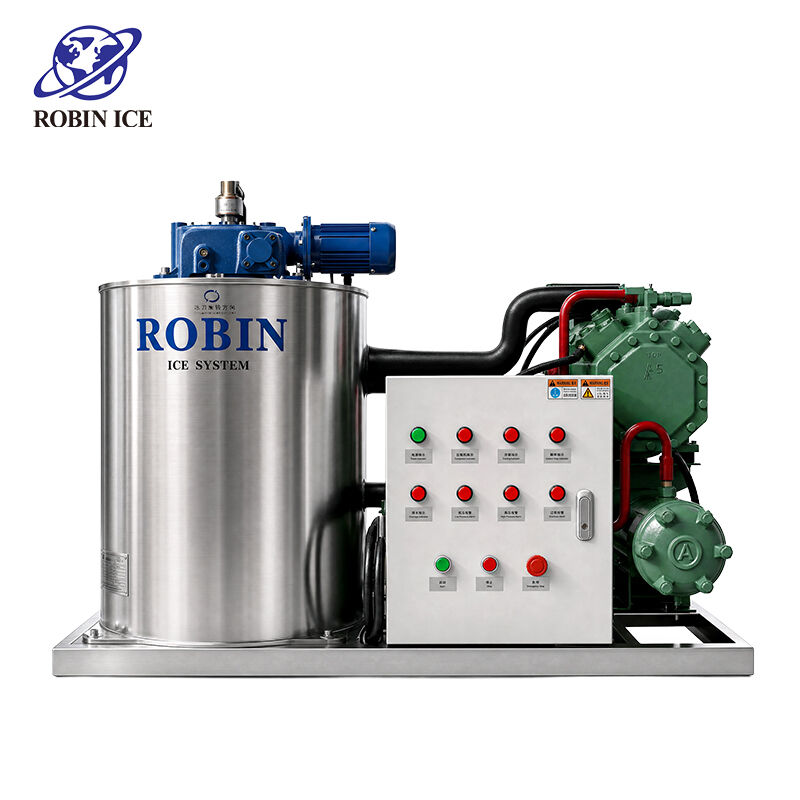
Premium Flake Ice Evaporator Supplier - Industrial Refrigeration Solutions

Get a Free Quote

Our representative will contact you soon.
Email
Name
Company Name
Message
0/1000

flake ice evaporator supplier

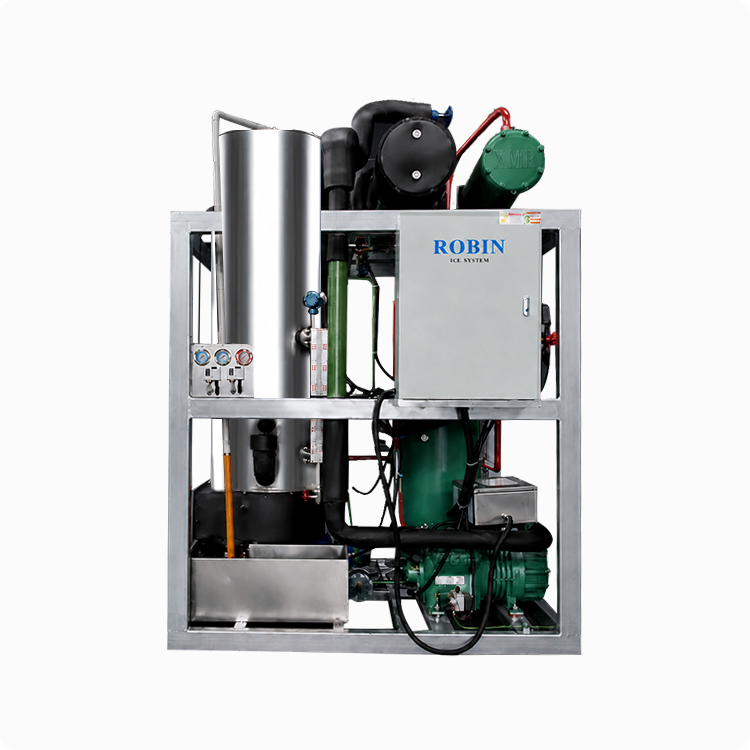
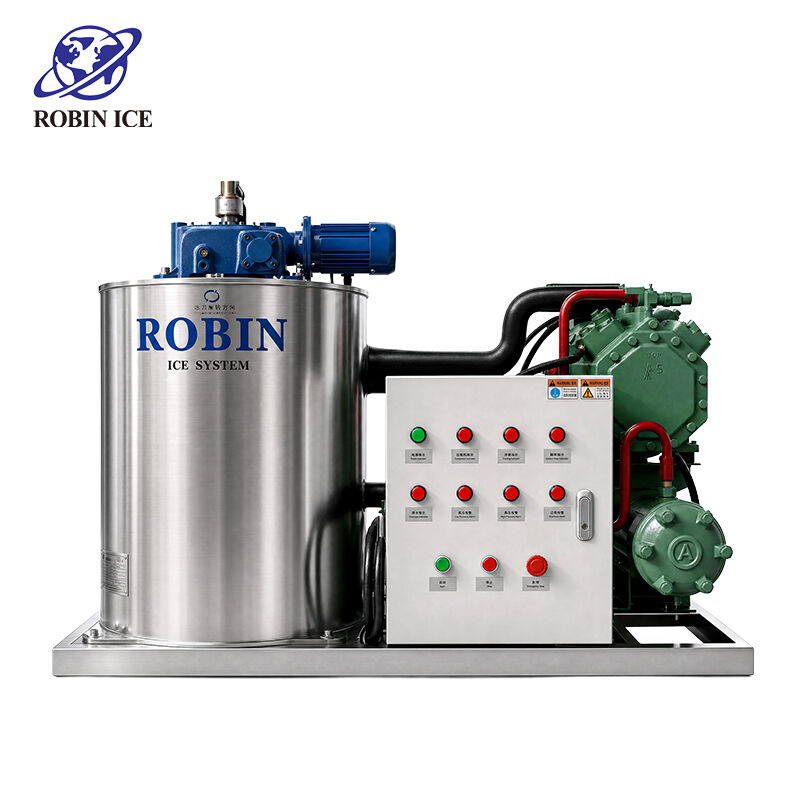
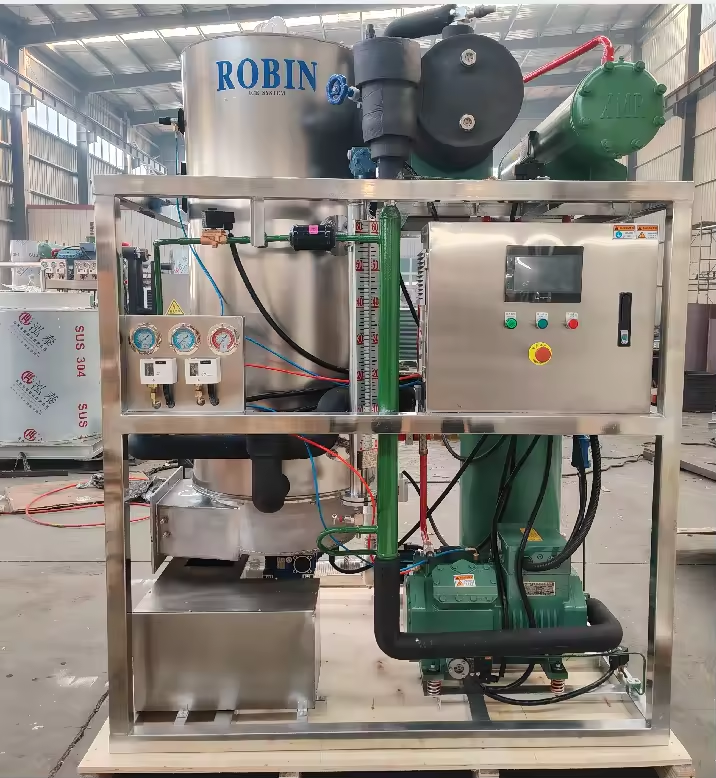
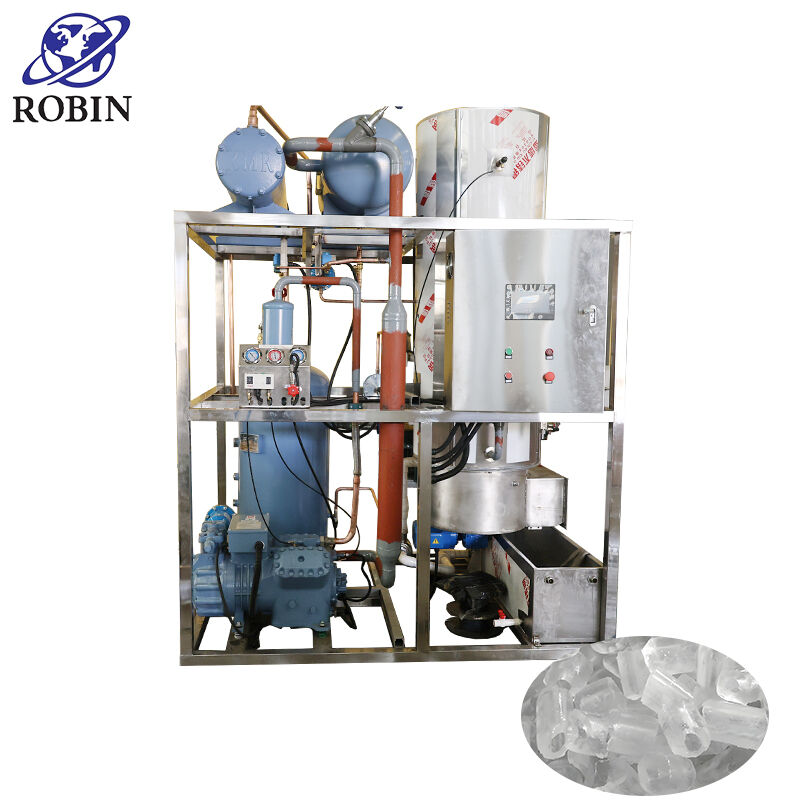
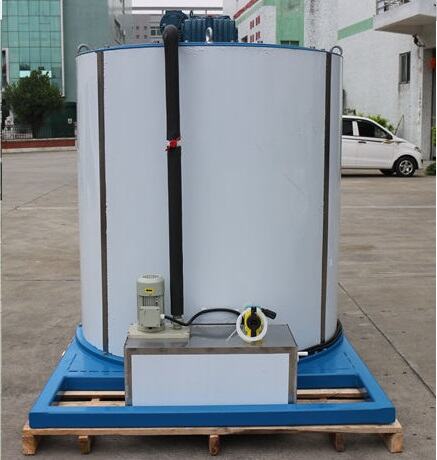
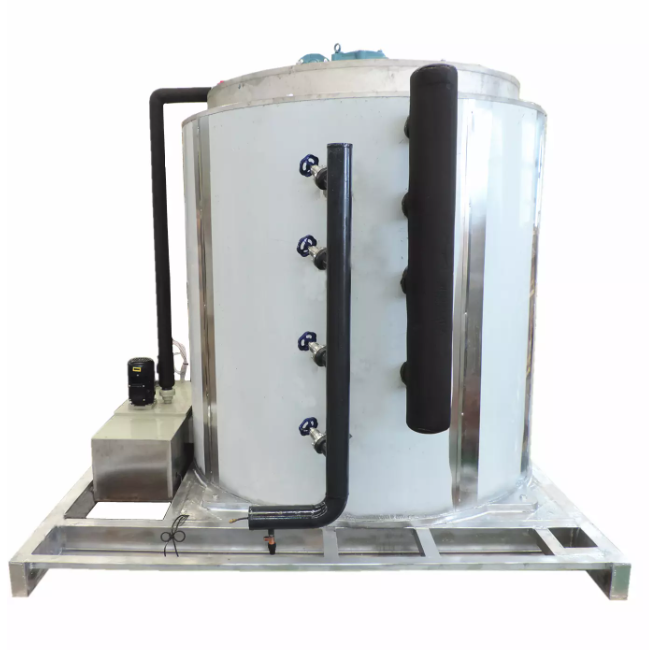
A flake ice evaporator supplier provides specialized refrigeration equipment designed to produce thin, flat ice crystals that offer superior cooling performance across multiple industries. These suppliers manufacture and distribute evaporators that serve as the core component in flake ice machines, transforming water into delicate ice flakes through advanced freezing technology. The primary function of these evaporators involves creating a continuous ice production cycle where water flows over a refrigerated cylindrical drum, freezes instantly upon contact, and gets scraped off as flake ice. This process ensures consistent ice quality and production capacity tailored to commercial and industrial needs. Flake ice evaporator suppliers engineer their products with precision-machined surfaces that guarantee uniform ice thickness and optimal heat transfer efficiency. The technological features include corrosion-resistant materials such as stainless steel or specialized alloys that withstand harsh operating environments and maintain hygiene standards. Modern evaporators incorporate automated defrost systems, temperature monitoring sensors, and energy-efficient refrigerant circuits that reduce operational costs while maximizing output. These suppliers offer various evaporator sizes and configurations to match different production requirements, from small-scale food service operations to large industrial facilities. Applications span across seafood preservation, concrete cooling, chemical processing, food processing plants, supermarket displays, healthcare facilities, and bakery operations. The flake ice produced by these evaporators maintains product freshness, controls temperatures during manufacturing processes, and provides effective cooling solutions where traditional ice forms prove inadequate. Suppliers also provide technical support, installation guidance, maintenance services, and replacement parts to ensure long-term equipment reliability. Their expertise extends to customizing evaporator designs for specific industry requirements, integrating automation systems, and optimizing energy consumption patterns. By partnering with a reputable flake ice evaporator supplier, businesses gain access to cutting-edge refrigeration technology that enhances operational efficiency and product quality.


New Products

Choosing the right flake ice evaporator supplier delivers tangible benefits that directly impact your bottom line and operational success. First, these suppliers provide equipment that produces ice faster than conventional methods, allowing your business to meet peak demand without delays or shortages. The rapid freezing process creates ice flakes that cool products more effectively because their thin, flat shape maximizes surface contact area, transferring cold temperatures quickly and evenly. This efficiency means you use less ice to achieve the same cooling effect, reducing both production costs and storage requirements. Energy savings represent another significant advantage, as modern evaporators from quality suppliers incorporate advanced insulation, optimized refrigerant flow, and intelligent control systems that minimize electricity consumption while maintaining consistent output. Your utility bills decrease substantially compared to older or inferior equipment, with some businesses reporting energy cost reductions of twenty to thirty percent. Reliability stands as a crucial benefit, since reputable suppliers build evaporators with durable components that withstand continuous operation in demanding environments. This durability translates to fewer breakdowns, reduced maintenance expenses, and minimal production interruptions that could otherwise cost thousands in lost revenue. The ice quality itself offers practical advantages, as flake ice remains dry and free-flowing, preventing clumping that complicates handling and distribution. This characteristic makes storage simpler and ensures consistent product presentation in retail displays or food service applications. Hygiene benefits emerge from the smooth, non-porous surfaces that suppliers incorporate into their evaporator designs, preventing bacterial growth and simplifying cleaning procedures. Food safety compliance becomes easier to maintain, protecting your brand reputation and avoiding costly recalls or health violations. Flexibility represents another key advantage, as suppliers offer modular systems that scale with your business growth. You can start with a smaller capacity and expand production without replacing entire systems, protecting your initial investment while accommodating future needs. Technical support from established suppliers provides peace of mind, giving you access to expert troubleshooting, preventive maintenance guidance, and rapid parts availability that keeps your operation running smoothly. Installation assistance ensures proper setup from the start, avoiding performance issues that stem from incorrect configuration or inadequate infrastructure. Long-term cost analysis consistently favors equipment from quality flake ice evaporator suppliers, as the combination of energy efficiency, durability, and reduced maintenance creates a favorable return on investment that justifies the initial purchase price. Your operational staff benefits from user-friendly controls and automated features that reduce training requirements and minimize operator error, allowing personnel to focus on core business activities rather than equipment management.

Tips And Tricks

Can Ice Tube Machine Improve Cooling Efficiency in Industrial Operations?

04

May

Can Ice Tube Machine Improve Cooling Efficiency in Industrial Operations?

Industrial cooling is one of the most operationally critical and cost-sensitive challenges across manufacturing, food processing, chemical production, and logistics. When facilities struggle with inconsistent temperature control, product spoilage, or...
View More
How Is Ice Tube Machine Used in Commercial Beverage and Food Industries?

06

May

How Is Ice Tube Machine Used in Commercial Beverage and Food Industries?

The ice tube machine has become an essential piece of equipment across a wide range of commercial operations, from busy restaurant kitchens to large-scale food processing facilities. Its ability to produce cylindrical ice in consistent shapes and siz...
View More
How Does Tube Ice Maker Machine Support Hygienic Ice Supply Operations?

12

May

How Does Tube Ice Maker Machine Support Hygienic Ice Supply Operations?

In food processing, healthcare, fisheries, and beverage production, the integrity of ice directly affects product safety and regulatory compliance. A tube ice maker machine is engineered from the ground up to meet the demanding hygiene standards that...
View More
How Is Flake Ice Machine for Fish Used in Seafood Processing Facilities?

26

May

How Is Flake Ice Machine for Fish Used in Seafood Processing Facilities?

In seafood processing facilities, temperature control is not a preference — it is a biological necessity. From the moment a fish is harvested to the point it reaches a consumer's plate, maintaining a consistently low temperature determines whet...
View More

Get a Free Quote

Our representative will contact you soon.
Email
Name
Company Name
Message
0/1000

flake ice evaporator supplier

Advanced Heat Transfer Technology for Maximum Production Efficiency

Advanced Heat Transfer Technology for Maximum Production Efficiency

The heat transfer technology employed by leading flake ice evaporator suppliers represents a breakthrough in refrigeration engineering that fundamentally changes how businesses approach ice production. These suppliers design evaporators with precisely calculated surface geometries that optimize the contact between refrigerant and water, creating ideal conditions for rapid freezing. The cylindrical drum at the heart of the evaporator features a specially treated interior surface that promotes uniform ice formation while preventing adhesion problems that plague inferior designs. This surface treatment involves micro-finishing techniques that create the perfect texture for ice release, ensuring that flakes separate cleanly without requiring excessive scraper pressure that could damage components or increase energy consumption. The refrigerant distribution system within the evaporator uses strategically placed channels that maintain consistent temperatures across the entire freezing surface, eliminating hot spots that would create uneven ice thickness or reduce production capacity. This uniformity matters because it ensures every square inch of the evaporator contributes equally to ice production, maximizing the return on your equipment investment. The thermal conductivity of materials selected by quality suppliers exceeds standard options by significant margins, allowing heat to transfer from water to refrigerant more rapidly and reducing the time required for each ice production cycle. Faster cycles mean higher output from the same physical footprint, giving your facility greater production capacity without expanding floor space or installing additional equipment. The insulation systems surrounding the evaporator prevent thermal losses that would otherwise force the refrigeration system to work harder, consuming more energy while producing less ice. Multi-layer insulation designs incorporate vacuum barriers and reflective materials that block heat infiltration from ambient air, maintaining optimal operating temperatures even in warm environments. This thermal protection becomes especially valuable in facilities without climate control or during summer months when cooling demands peak. The integration of smart sensors throughout the evaporator allows real-time monitoring of temperature differentials, refrigerant pressure, and ice thickness, providing data that automated control systems use to optimize performance continuously. These systems adjust operating parameters dynamically, responding to changes in water temperature, ambient conditions, and production demands without human intervention. The result is consistent ice quality and maximum efficiency regardless of external variables that would compromise lesser equipment.
Corrosion-Resistant Construction for Extended Service Life

Corrosion-Resistant Construction for Extended Service Life

Durability defines the value proposition of premium flake ice evaporator suppliers, who engineer their products to withstand years of continuous operation in challenging environments without degradation or performance loss. The materials selection process begins with understanding the corrosive nature of water, cleaning chemicals, and atmospheric conditions that evaporators encounter daily. Suppliers specify stainless steel alloys with specific chromium and nickel content that resists pitting, crevice corrosion, and stress cracking even when exposed to chlorinated water or aggressive sanitizing agents. The grade of stainless steel matters significantly, with food-grade 304 or marine-grade 316 offering superior protection compared to standard materials that might corrode within months of installation. Welding techniques employed during fabrication eliminate weak points where corrosion typically initiates, using inert gas shielding and precise heat control to create joints as resistant as the base material itself. Surface finishing extends beyond aesthetics, with electropolishing treatments that remove microscopic imperfections where bacteria could harbor and corrosion could begin. This smooth finish also facilitates cleaning, reducing the time and chemical quantities required for sanitation while ensuring compliance with food safety regulations. The structural framework supporting the evaporator incorporates reinforcement designed to handle thermal expansion and contraction cycles that occur during normal operation, preventing stress concentrations that could lead to cracking or failure. Quality suppliers conduct finite element analysis during the design phase, identifying potential weak points and strengthening them before manufacturing begins. This proactive engineering approach eliminates field failures that disrupt operations and generate expensive emergency repair calls. Protective coatings applied to external surfaces shield components from environmental factors like humidity, salt spray in coastal locations, or chemical vapors in industrial settings. These coatings undergo rigorous adhesion testing to ensure they remain intact throughout the equipment's service life, maintaining their protective function without peeling or degrading. The fasteners, gaskets, and seals used throughout the evaporator assembly receive equal attention, with suppliers selecting materials that match the corrosion resistance of primary components. A single corroded bolt or deteriorated gasket can compromise system integrity, leading to refrigerant leaks or water intrusion that damages expensive components. By specifying premium materials for every element, suppliers ensure that no weak link exists in the corrosion protection chain. Regular maintenance becomes simpler and less frequent with corrosion-resistant construction, as components retain their original condition and function reliably between service intervals. This reliability reduces the total cost of ownership significantly, as businesses avoid the expense of premature component replacement and the revenue losses associated with unplanned downtime.
Customizable Capacity Options for Diverse Industry Applications

Customizable Capacity Options for Diverse Industry Applications

The versatility offered by established flake ice evaporator suppliers addresses the reality that different industries and businesses require vastly different ice production capabilities and configurations. These suppliers maintain extensive product lines spanning compact units producing several hundred pounds daily to industrial systems generating tens of tons per day, ensuring that every customer finds equipment matching their specific requirements. The customization process begins with detailed consultation where suppliers analyze your cooling needs, available utilities, space constraints, and future growth projections to recommend optimal evaporator specifications. This consultative approach prevents the common mistakes of under-sizing equipment that cannot meet demand or over-sizing that wastes capital and energy on unused capacity. Modular designs allow businesses to install multiple smaller evaporators rather than one large unit, providing redundancy that maintains partial production if one unit requires service while also offering flexibility to adjust output based on seasonal demand fluctuations. The physical configuration options include vertical and horizontal orientations, allowing installation in facilities with height restrictions or limited floor space that would preclude standard designs. Suppliers engineer custom mounting solutions for unusual installation environments, such as marine vessels where space is premium and equipment must withstand motion and vibration, or mobile applications requiring compact, self-contained systems. The refrigerant options available from quality suppliers accommodate different climate zones and environmental regulations, with suppliers offering systems using natural refrigerants like ammonia for industrial applications or synthetic options for commercial settings where safety codes mandate specific refrigerant types. Electrical specifications can be customized to match available power supplies, whether single-phase residential service, three-phase industrial power, or specialized voltages required in international markets. This electrical flexibility eliminates the need for expensive power infrastructure modifications that could otherwise make installation prohibitively costly. Control system integration represents another customization dimension, with suppliers offering standalone operation, building management system connectivity, or full automation with remote monitoring capabilities that allow facility managers to oversee ice production from any location. The water supply requirements vary by evaporator design, with some models accepting standard municipal water while others incorporate pre-treatment systems for locations with hard water or high mineral content that could scale heat transfer surfaces and reduce efficiency. Suppliers provide guidance on water quality requirements and recommend appropriate filtration or softening equipment when necessary, ensuring optimal performance and longevity. The ice discharge configurations can be tailored to match your material handling systems, whether gravity-fed bins, pneumatic conveyance, or direct delivery to processing equipment. This integration streamlines operations and reduces labor costs associated with ice handling and distribution throughout your facility.

Get a Free Quote

Our representative will contact you soon.
Email
Name
Company Name
Message
0/1000