304 stainless steel flake ice machine
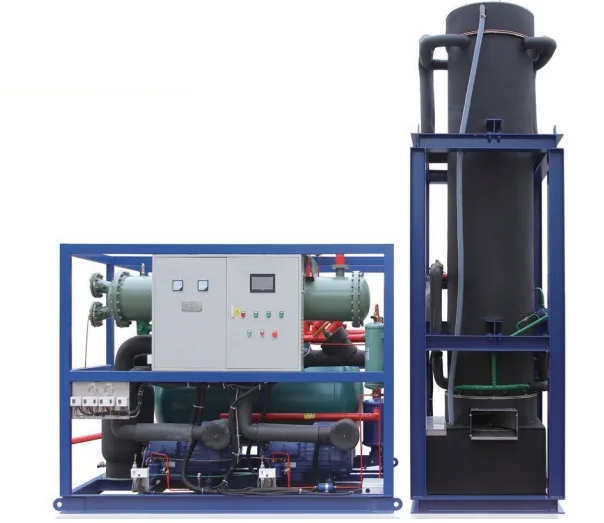
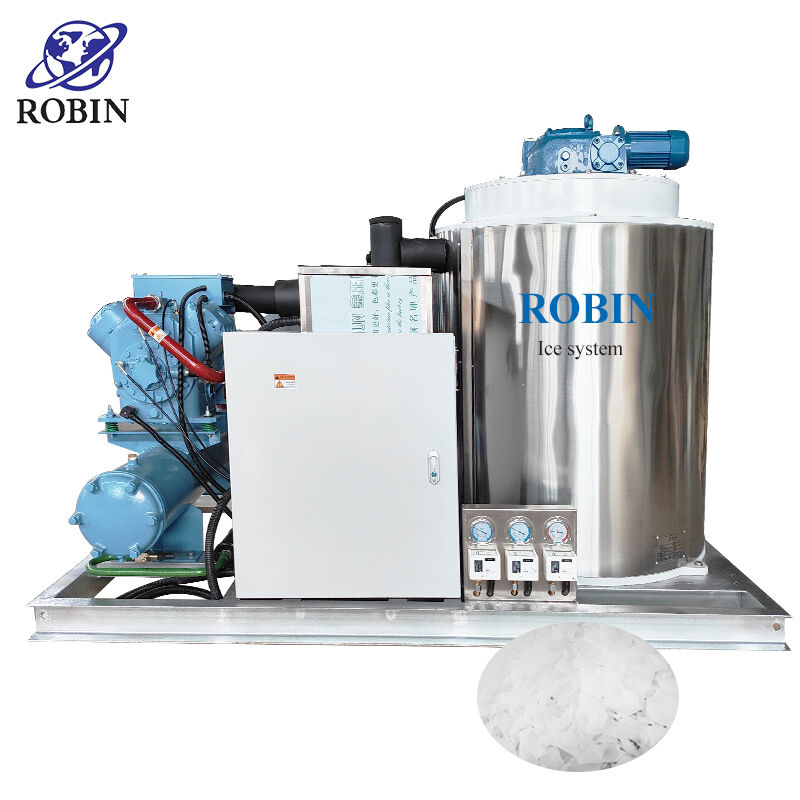
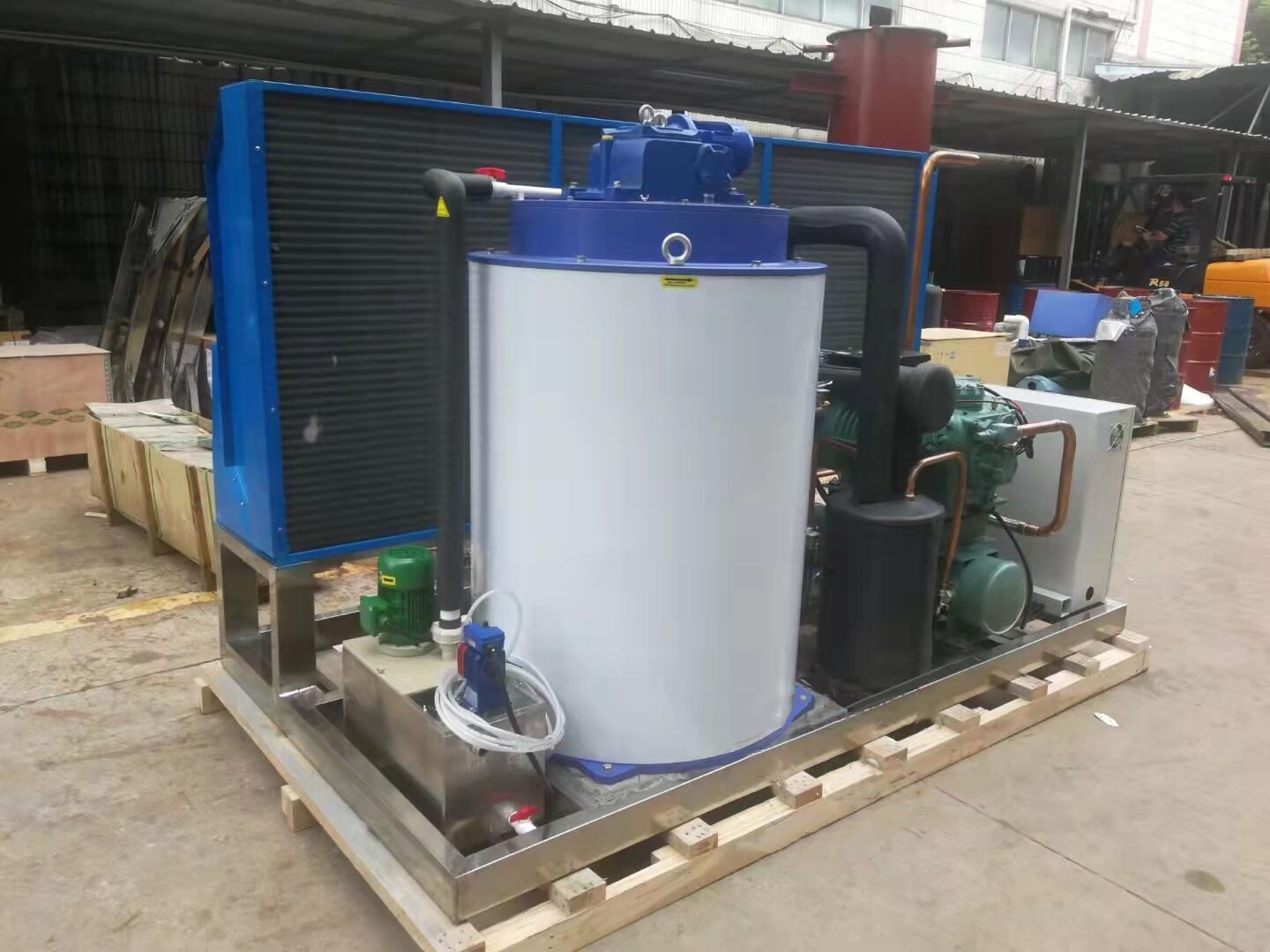
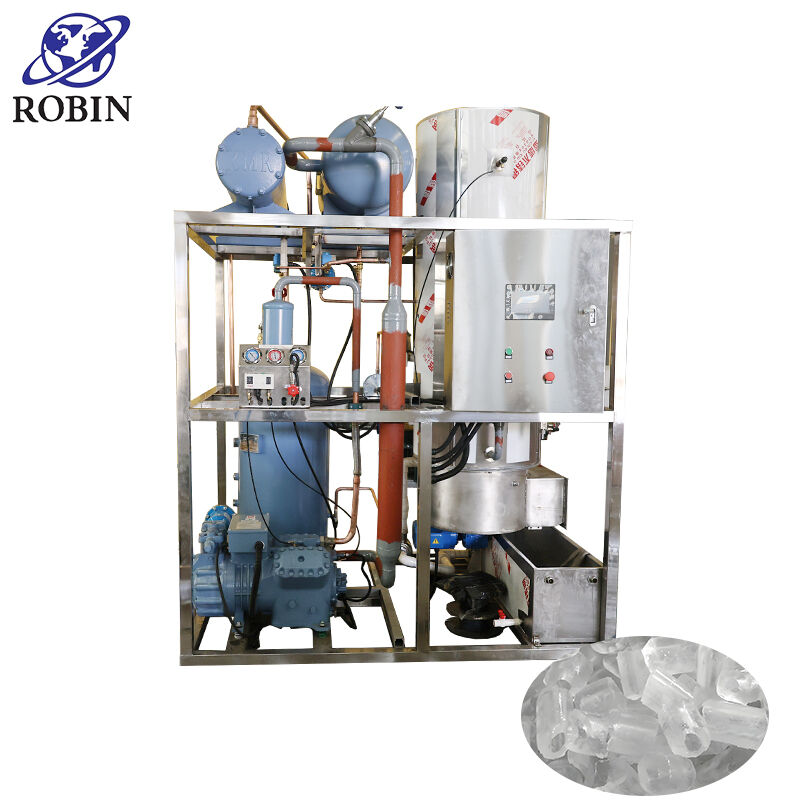
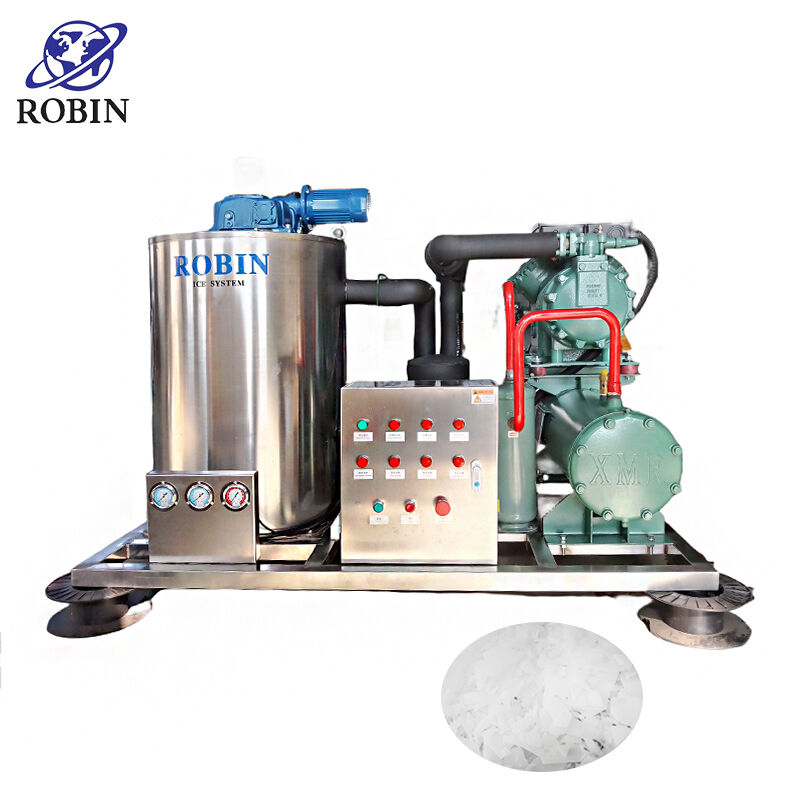
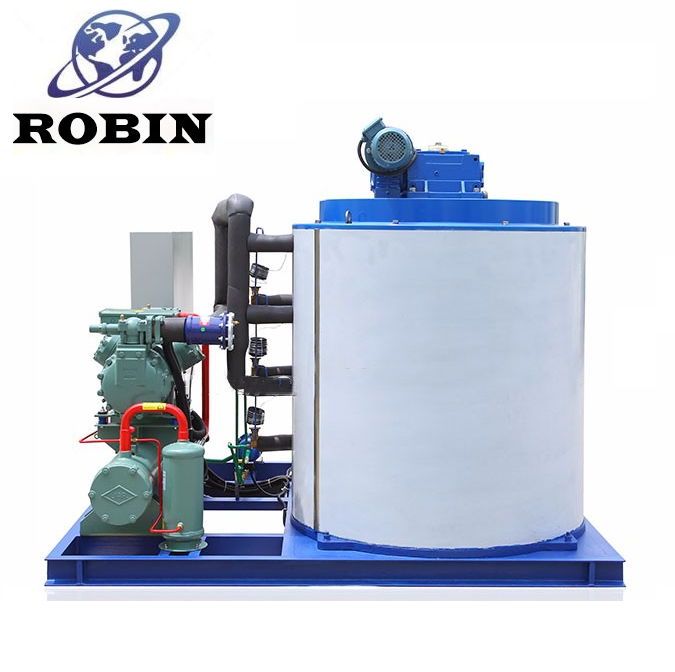
The 304 stainless steel flake ice machine represents a premium solution for businesses requiring consistent, high-quality ice production in demanding environments. This advanced refrigeration equipment produces thin, flat ice flakes that offer superior cooling properties compared to traditional ice forms. The machine's construction from 304 stainless steel ensures exceptional durability, corrosion resistance, and compliance with stringent hygiene standards, making it ideal for food processing, healthcare, and commercial applications. The 304 stainless steel flake ice machine operates through a sophisticated evaporator drum system where water freezes on the inner surface of a rotating cylinder, and specialized blades continuously scrape off thin ice layers. This process creates flakes typically measuring 1.5 to 2.5 millimeters in thickness, providing maximum surface area for rapid cooling. The technological features include energy-efficient compressors, automated control systems with digital displays, and self-cleaning mechanisms that minimize maintenance requirements. Modern units incorporate intelligent temperature monitoring, automatic defrost cycles, and safety shutdown protocols to ensure reliable operation. The 304 stainless steel construction extends throughout critical components, including the evaporator, water distribution system, and exterior panels, guaranteeing long-term performance in harsh conditions. Applications span diverse industries: seafood markets use these machines to preserve fresh catches, concrete manufacturers rely on them for temperature control during mixing, healthcare facilities depend on them for therapeutic cooling, and food processing plants utilize them for product preservation. The 304 stainless steel flake ice machine delivers production capacities ranging from 500 kilograms to several tons daily, accommodating operations of various scales. Its compact footprint and modular design allow flexible installation in space-constrained environments while maintaining optimal performance standards that meet international food safety regulations and industrial requirements.

 EN