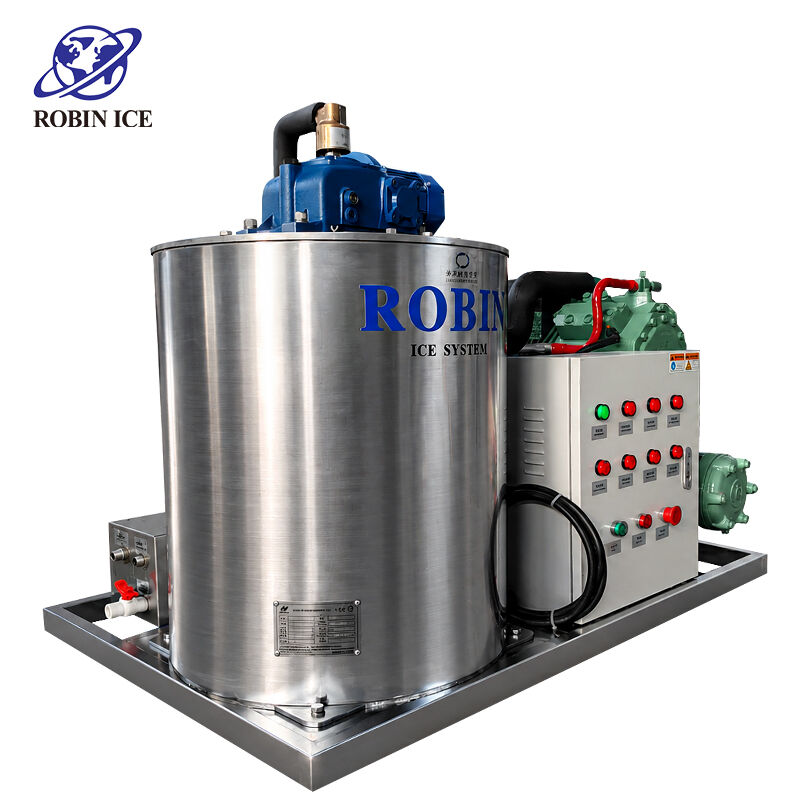
Industrial Ice Machine Supplier: Commercial Ice Equipment, Installation & Maintenance Services

Get a Free Quote

Our representative will contact you soon.
Email
Name
Company Name
Message
0/1000

industrial ice machine supplier

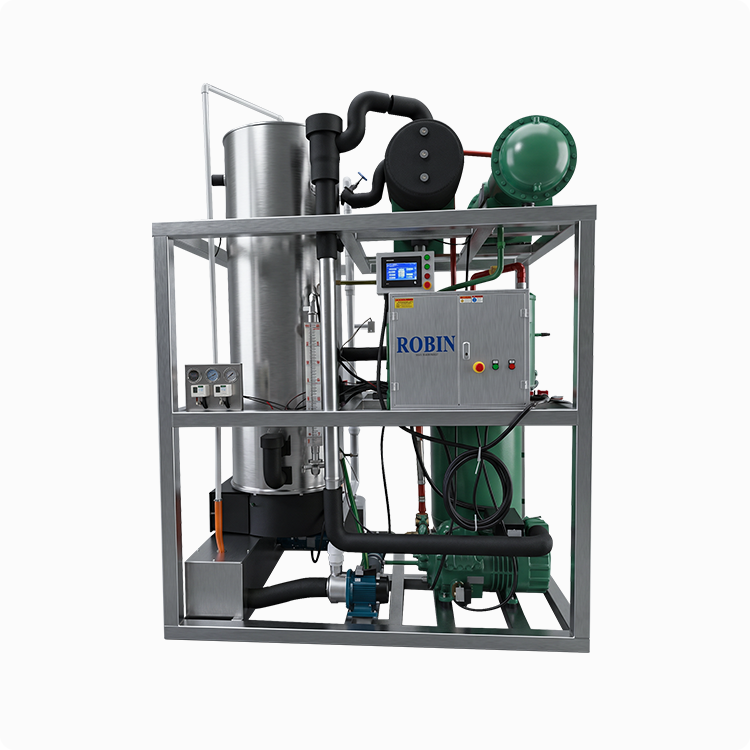
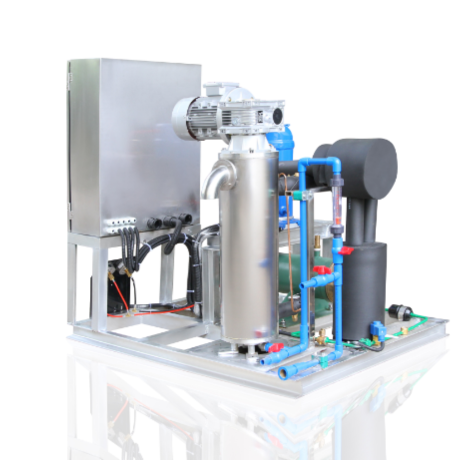
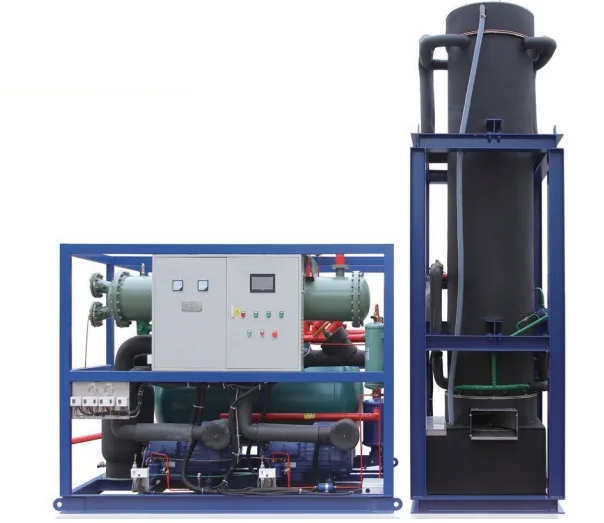
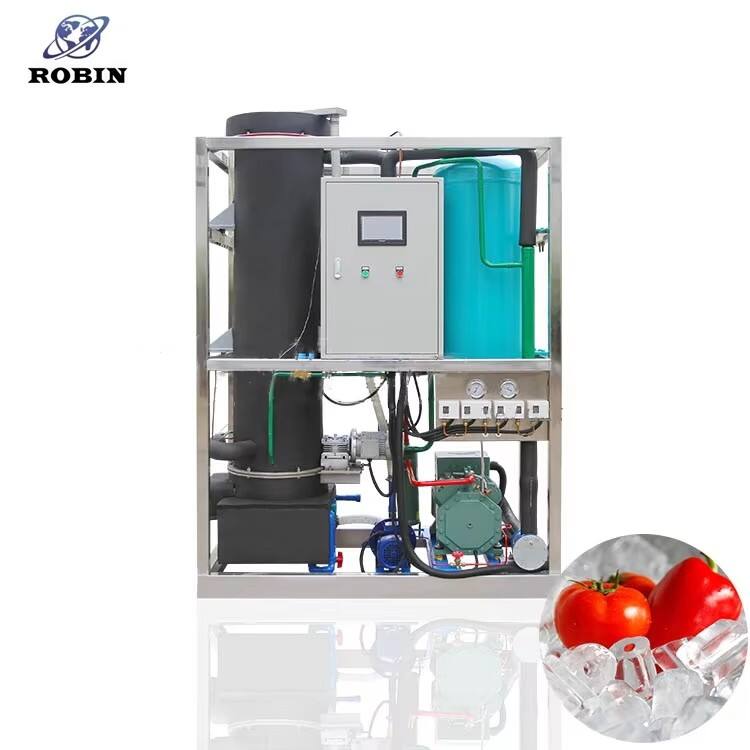
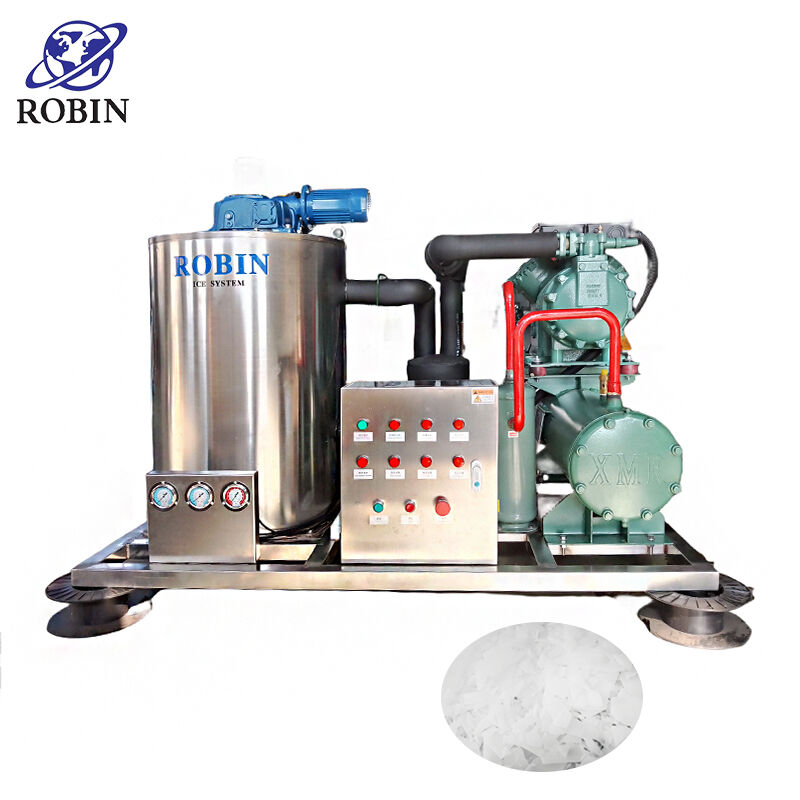
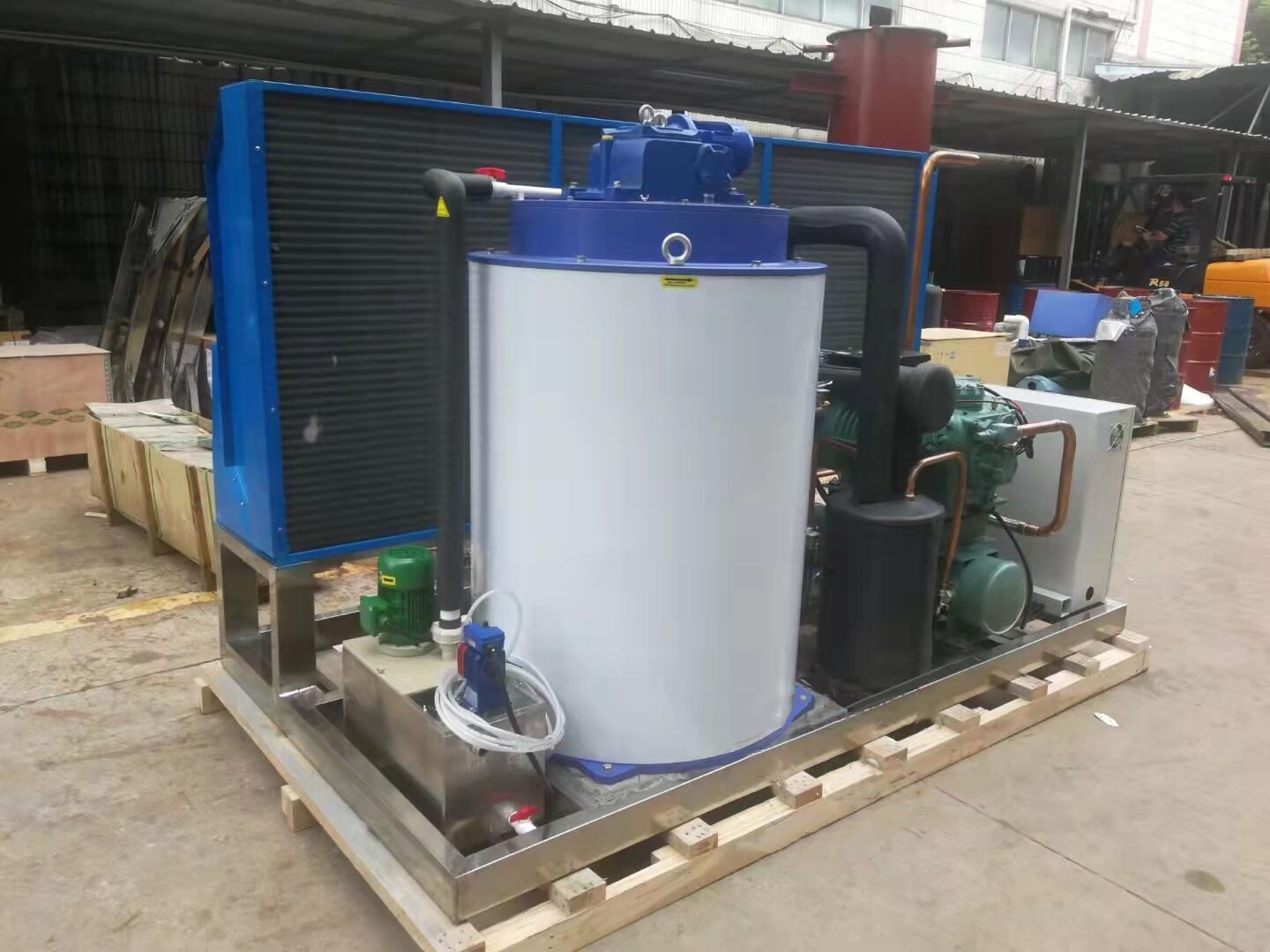
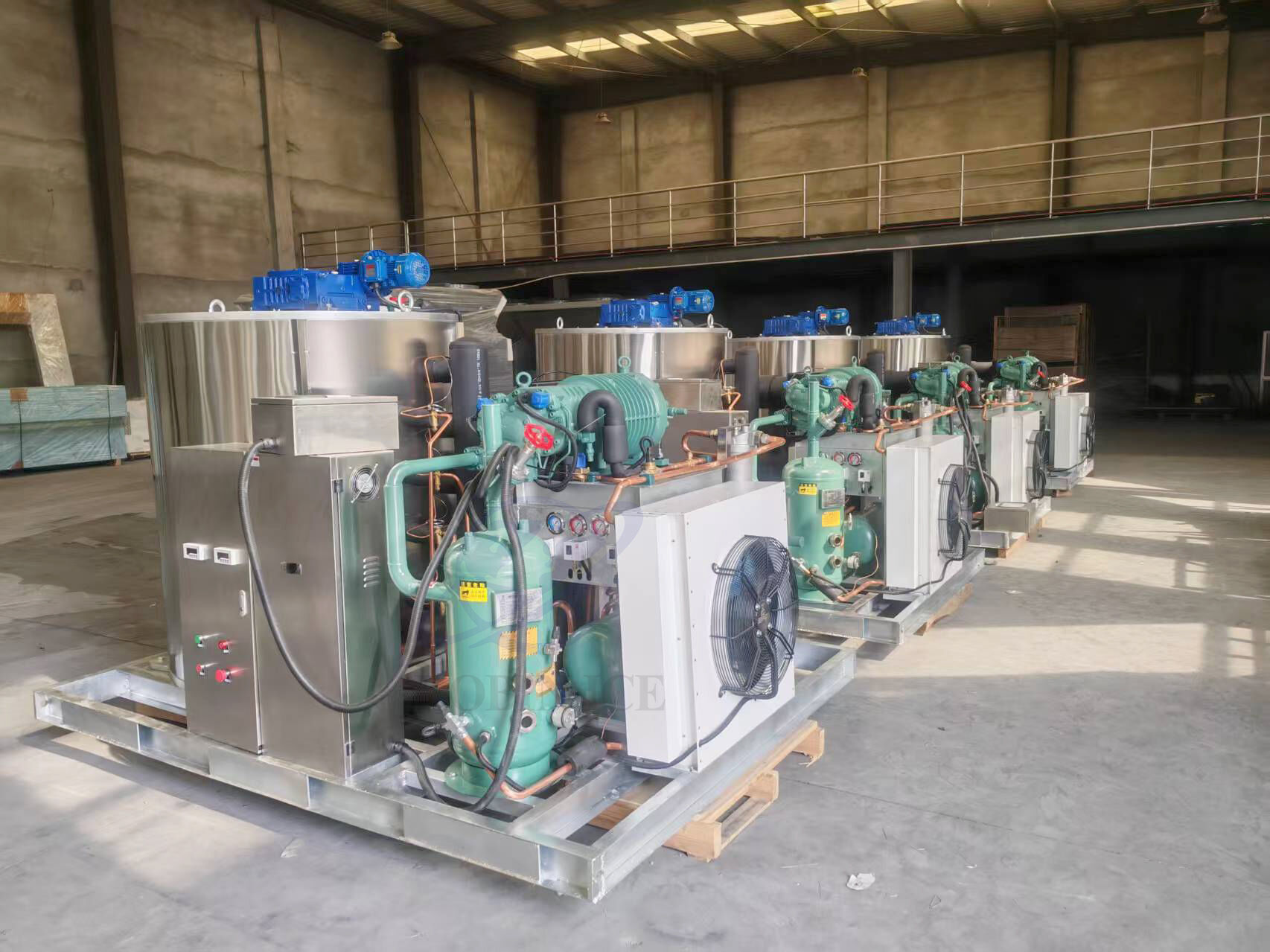
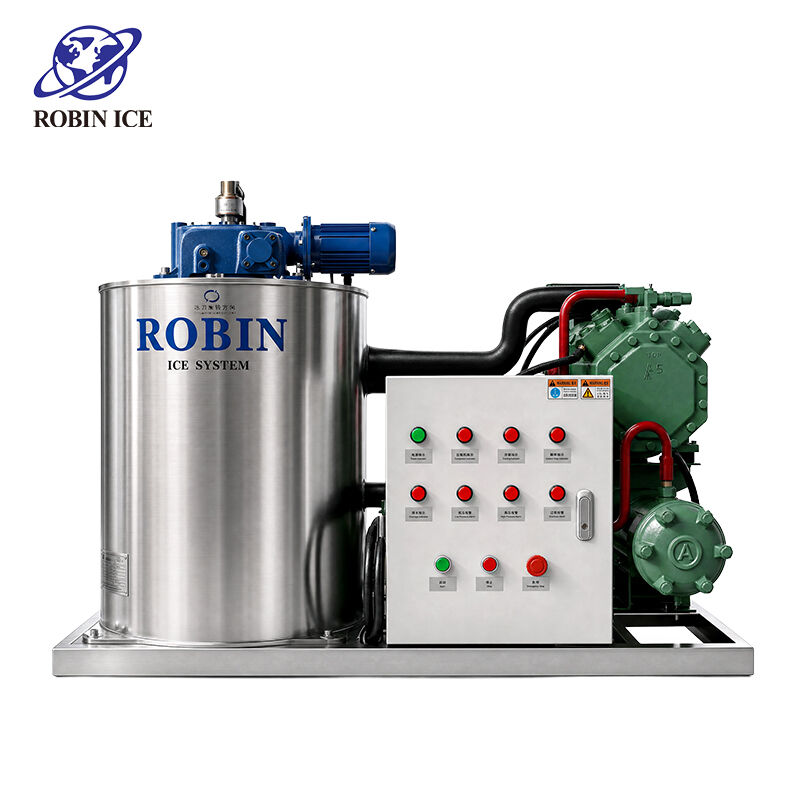
An industrial ice machine supplier serves as a critical partner for businesses requiring consistent, high-volume ice production across diverse commercial sectors. These specialized providers deliver robust refrigeration systems engineered to manufacture ice in various forms including cube, flake, nugget, and block configurations. The primary function centers on converting water into frozen products through advanced cooling cycles that maintain precise temperature controls and sanitation standards. Modern suppliers integrate cutting-edge compressor technology, energy-efficient heat exchange systems, and automated monitoring capabilities that ensure continuous operation with minimal downtime. The technological features embedded within these machines include programmable logic controllers that adjust production rates based on demand patterns, self-cleaning mechanisms that reduce bacterial growth, and diagnostic systems that alert operators to maintenance needs before failures occur. Applications span restaurants, hotels, healthcare facilities, food processing plants, fisheries, concrete cooling operations, and entertainment venues where reliable ice availability directly impacts operational success. An industrial ice machine supplier distinguishes itself through comprehensive service offerings that extend beyond equipment sales to include installation expertise, preventive maintenance programs, emergency repair services, and technical training for facility staff. The relationship between supplier and client evolves into a strategic partnership where equipment performance directly influences product quality, customer satisfaction, and bottom-line profitability. Suppliers maintain extensive inventories of replacement components, provide warranty coverage that protects capital investments, and offer financing options that make advanced refrigeration technology accessible to businesses of varying scales. The selection process involves careful assessment of daily ice requirements, available space configurations, water quality characteristics, electrical infrastructure, and ambient temperature conditions that affect machine efficiency. Leading suppliers employ experienced technicians who conduct site evaluations, recommend appropriately sized equipment, and ensure seamless integration with existing utility systems while adhering to local health codes and environmental regulations governing refrigerant usage and water consumption.


New Product Recommendations

Partnering with a dedicated industrial ice machine supplier delivers tangible benefits that transform operational efficiency and cost management. First, you gain access to equipment specifically designed for demanding commercial environments where consumer-grade appliances would fail within weeks. These machines produce ice at rates ranging from hundreds to thousands of pounds daily, ensuring your business never runs short during peak demand periods. The construction quality features stainless steel components that resist corrosion, heavy-duty compressors rated for continuous operation, and reinforced insulation that maintains temperature stability while reducing energy consumption. Second, you receive expert guidance throughout the selection process, eliminating costly mistakes that occur when businesses purchase undersized equipment or models incompatible with their water chemistry. Suppliers analyze your specific needs, considering factors like ice shape preferences, storage capacity requirements, and production timing to recommend solutions that align perfectly with operational workflows. Third, ongoing technical support provides peace of mind that equipment malfunctions will receive prompt attention from trained professionals who understand the urgency of ice-dependent operations. Many suppliers offer service contracts that include scheduled maintenance visits, priority response times, and discounted parts pricing that collectively reduce total ownership costs compared to reactive repair approaches. Fourth, you benefit from relationships suppliers maintain with leading manufacturers, accessing latest innovations in refrigeration technology, energy-saving features, and smart monitoring systems that weren't available in previous generations. Fifth, financing arrangements make capital acquisition manageable through lease options, installment plans, and trade-in programs that preserve working capital for other business priorities. Sixth, compliance assistance ensures your ice production meets health department standards, with suppliers providing documentation, water filtration recommendations, and sanitation protocols that satisfy regulatory inspections. Seventh, scalability becomes achievable as your business grows, with suppliers offering modular systems that expand capacity without requiring complete equipment replacement. Eighth, energy efficiency translates directly into lower utility bills through machines that incorporate variable-speed compressors, optimized refrigerant circuits, and intelligent defrost cycles that minimize wasted electricity. Ninth, water conservation features reduce operational expenses in regions where municipal rates continue climbing, with modern systems recycling condensate and incorporating precise fill controls. Tenth, the supplier's inventory management ensures critical replacement parts remain available, preventing extended downtime that could force business closures or customer disappointments during equipment failures.

Latest News

Can Ice Tube Machine Improve Cooling Efficiency in Industrial Operations?

04

May

Can Ice Tube Machine Improve Cooling Efficiency in Industrial Operations?

Industrial cooling is one of the most operationally critical and cost-sensitive challenges across manufacturing, food processing, chemical production, and logistics. When facilities struggle with inconsistent temperature control, product spoilage, or...
View More
How Is Ice Tube Machine Used in Commercial Beverage and Food Industries?

06

May

How Is Ice Tube Machine Used in Commercial Beverage and Food Industries?

The ice tube machine has become an essential piece of equipment across a wide range of commercial operations, from busy restaurant kitchens to large-scale food processing facilities. Its ability to produce cylindrical ice in consistent shapes and siz...
View More
Is Flake Ice Machine for Fish Suitable for Commercial Seafood Markets?

18

May

Is Flake Ice Machine for Fish Suitable for Commercial Seafood Markets?

When it comes to preserving freshness and extending the shelf life of seafood products, the choice of ice type and ice-making equipment is far from trivial. Commercial seafood markets operate under strict hygiene standards, high-volume throughput dem...
View More
Why Do Fisheries Invest in Flake Ice Machine for Fish Preservation Systems?

23

May

Why Do Fisheries Invest in Flake Ice Machine for Fish Preservation Systems?

In the commercial fishing and seafood processing industry, the quality of the catch at the point of sale is directly tied to how well it was preserved from the moment it left the water. Temperature control is not a secondary concern — it is the...
View More

Get a Free Quote

Our representative will contact you soon.
Email
Name
Company Name
Message
0/1000

industrial ice machine supplier

Comprehensive Equipment Selection Tailored to Industry-Specific Demands

Comprehensive Equipment Selection Tailored to Industry-Specific Demands

An industrial ice machine supplier distinguishes itself through deep understanding of how different sectors utilize ice products, enabling precise equipment matching that optimizes both performance and investment returns. Restaurants require crystal-clear cube ice that melts slowly in beverages, maintaining drink quality without dilution, while healthcare facilities need nugget ice that patients can chew safely for hydration and comfort. Food processing operations depend on flake ice that conforms to irregular product shapes, providing maximum surface contact for rapid cooling of seafood, poultry, and produce during packaging and transport. The supplier's expertise extends to recognizing how ambient conditions affect machine performance, recommending air-cooled models for climate-controlled environments and water-cooled alternatives for hot kitchens where air temperatures compromise efficiency. This consultation process examines water hardness levels that cause scale buildup, suggesting appropriate filtration systems that protect internal components and maintain ice purity. Suppliers maintain relationships with multiple manufacturers, offering clients choice between brands that emphasize different strengths such as compact footprints for space-constrained locations, modular designs that facilitate future expansion, or specialized sanitation features for pharmaceutical applications. The selection guidance includes production capacity calculations that account for peak demand periods, ensuring machines can handle holiday rushes, summer heat waves, or special events without compromising ice availability. Storage bin sizing receives equal attention, with suppliers recommending capacities that balance space constraints against the need for reserve supplies during high-consumption periods. Installation planning addresses electrical requirements, water line positioning, drainage specifications, and ventilation needs that affect long-term reliability. Suppliers coordinate with contractors, electricians, and plumbers to ensure seamless integration that meets building codes while minimizing disruption to ongoing operations. The comprehensive approach extends to operator training, where supplier representatives demonstrate proper startup procedures, routine cleaning protocols, and troubleshooting techniques that empower staff to maintain optimal performance between professional service visits.
Proactive Maintenance Programs That Maximize Equipment Lifespan and Reliability

Proactive Maintenance Programs That Maximize Equipment Lifespan and Reliability

An industrial ice machine supplier provides structured maintenance programs that prevent costly breakdowns through systematic inspection, cleaning, and component replacement schedules based on manufacturer specifications and real-world usage patterns. These preventive approaches contrast sharply with reactive strategies where businesses wait for failures before seeking repairs, often during critical operational periods when ice shortages create immediate customer service problems and revenue losses. Scheduled maintenance visits include thorough cleaning of condenser coils that accumulate dust and debris, reducing heat transfer efficiency and forcing compressors to work harder while consuming more electricity. Technicians inspect water distribution systems for mineral deposits that restrict flow, clean evaporator plates where ice forms, and verify that harvest cycles complete properly without leaving residual ice that indicates timing problems. The programs incorporate refrigerant level checks that identify slow leaks before they cause complete system failures, belt tension adjustments that prevent premature wear, and electrical connection inspections that detect loose terminals creating resistance and heat. Suppliers maintain detailed service records documenting each visit, creating historical data that reveals patterns indicating when specific components typically require replacement based on operating hours and environmental conditions. This predictive capability allows businesses to budget for major repairs, schedule component replacements during slow periods, and avoid emergency service calls that command premium pricing. The maintenance relationship provides opportunities for suppliers to recommend upgrades that improve efficiency, such as replacing outdated control boards with programmable versions offering better diagnostics, or installing water-saving devices that reduce consumption without affecting production rates. Suppliers stock common wear items like water pumps, solenoid valves, and thermostatic expansion valves, ensuring rapid repairs that minimize downtime to hours rather than days waiting for parts shipments. The programs often include priority scheduling that guarantees faster response times compared to non-contract customers, recognizing that ice machine failures can force restaurants to close, hospitals to compromise patient care, or food processors to halt production lines. Training components teach facility managers to recognize early warning signs like unusual noises, extended cycle times, or ice quality changes that warrant professional attention before minor issues escalate into major failures requiring expensive component replacements or complete machine substitution.
Energy Efficiency Solutions That Reduce Operating Costs and Environmental Impact

Energy Efficiency Solutions That Reduce Operating Costs and Environmental Impact

An industrial ice machine supplier offers advanced refrigeration systems incorporating energy-saving technologies that substantially lower electricity consumption compared to older equipment, delivering financial returns that often justify replacement investments within several years through utility bill reductions alone. Modern machines feature variable-speed compressors that adjust motor output to match actual ice demand rather than cycling on and off at full power, eliminating the energy spikes associated with frequent startups while extending component lifespan through reduced mechanical stress. Intelligent control systems monitor production rates and storage levels, automatically reducing output when bins reach capacity instead of continuing to manufacture ice that melts and wastes both water and electricity. Heat recovery options capture thermal energy normally expelled through condensers, redirecting it to preheat water supplies for dishwashers, sanitizing systems, or building heating needs, effectively converting waste into useful energy that offsets other utility costs. Suppliers conduct energy audits that calculate current consumption patterns, project savings from equipment upgrades, and provide documentation supporting utility company rebate applications that reduce net investment costs. The environmental benefits extend beyond electricity savings to include refrigerants with lower global warming potential, replacing older compounds that contribute more significantly to climate change when leaked during service or disposal. Water efficiency features incorporate sensors that detect bin fullness and halt production, preventing overflow waste, while condensate recovery systems capture moisture from air-cooling processes for reuse in non-potable applications like landscape irrigation or cooling tower makeup water. Suppliers help businesses qualify for green building certifications and sustainability reporting requirements by providing equipment specifications, energy consumption data, and environmental impact calculations that demonstrate commitment to resource conservation. The financial analysis includes total cost of ownership projections that account for purchase price, installation expenses, projected energy savings, maintenance costs, and expected equipment lifespan, enabling informed decisions that balance upfront investment against long-term operational savings. Suppliers often facilitate financing arrangements where monthly payments remain lower than the energy savings generated, creating immediate positive cash flow that makes upgrades financially attractive even for budget-conscious operations. The consultation process identifies utility rate structures, determining whether time-of-use pricing makes ice production scheduling advantageous by shifting manufacturing to off-peak hours when electricity costs less, with storage bins providing reserves for peak-demand periods. Remote monitoring capabilities allow suppliers to track equipment performance, identifying efficiency degradation that indicates maintenance needs, verifying that energy-saving features function properly, and providing usage reports that help businesses optimize production schedules and identify opportunities for further consumption reductions through operational adjustments.

Get a Free Quote

Our representative will contact you soon.
Email
Name
Company Name
Message
0/1000