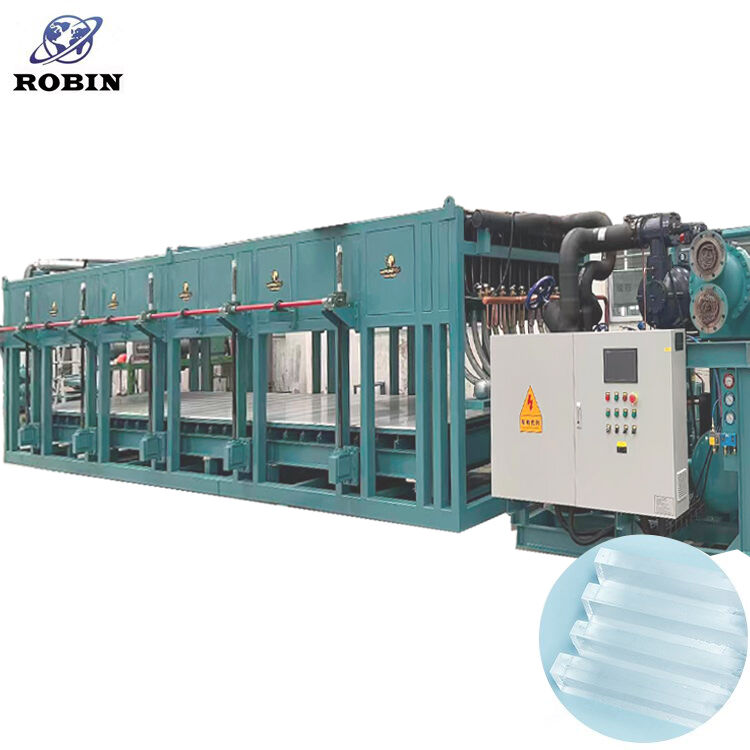
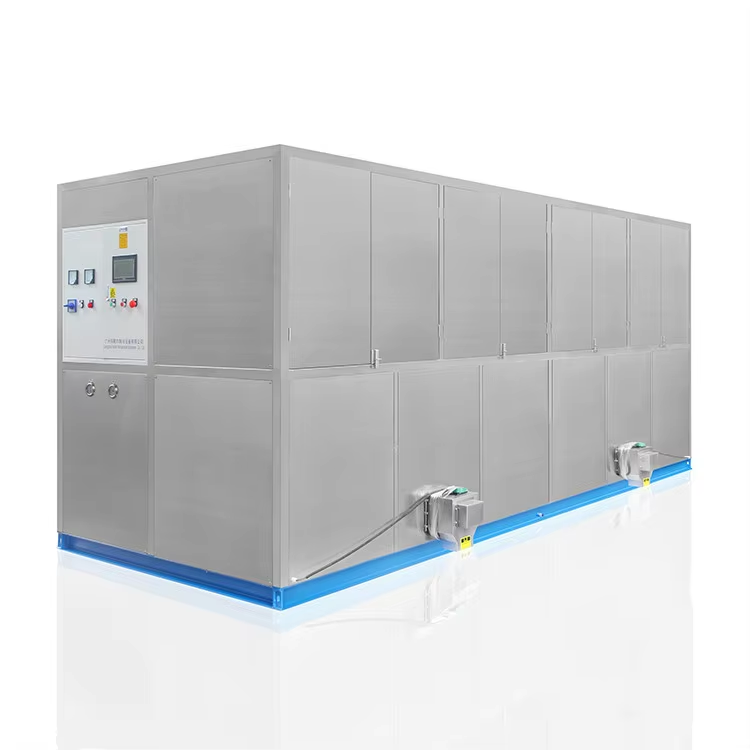
ice manufacturing equipment
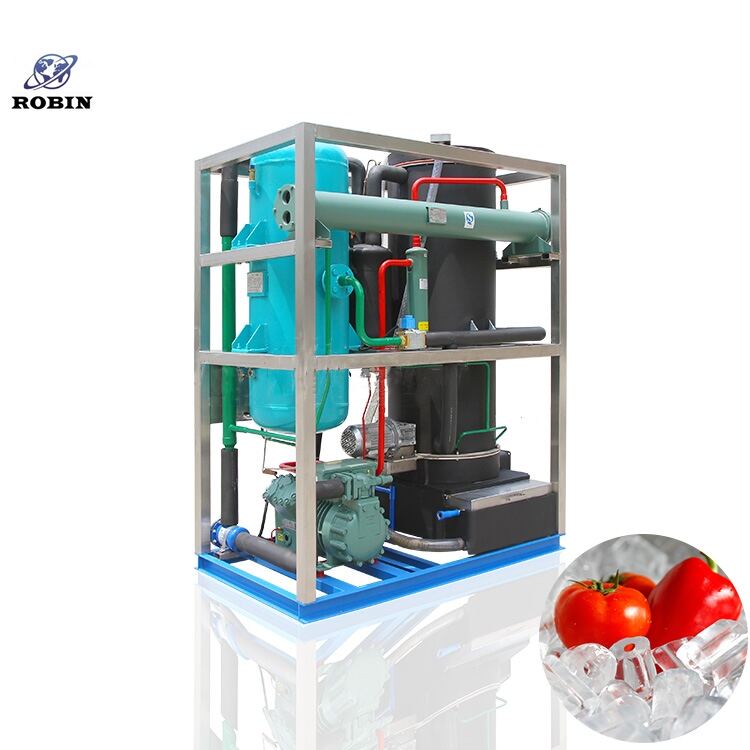
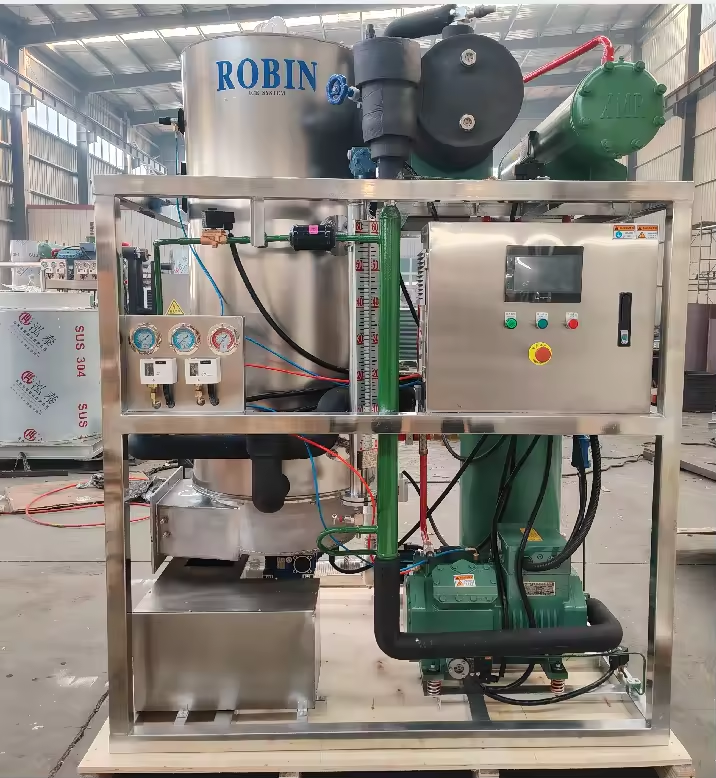
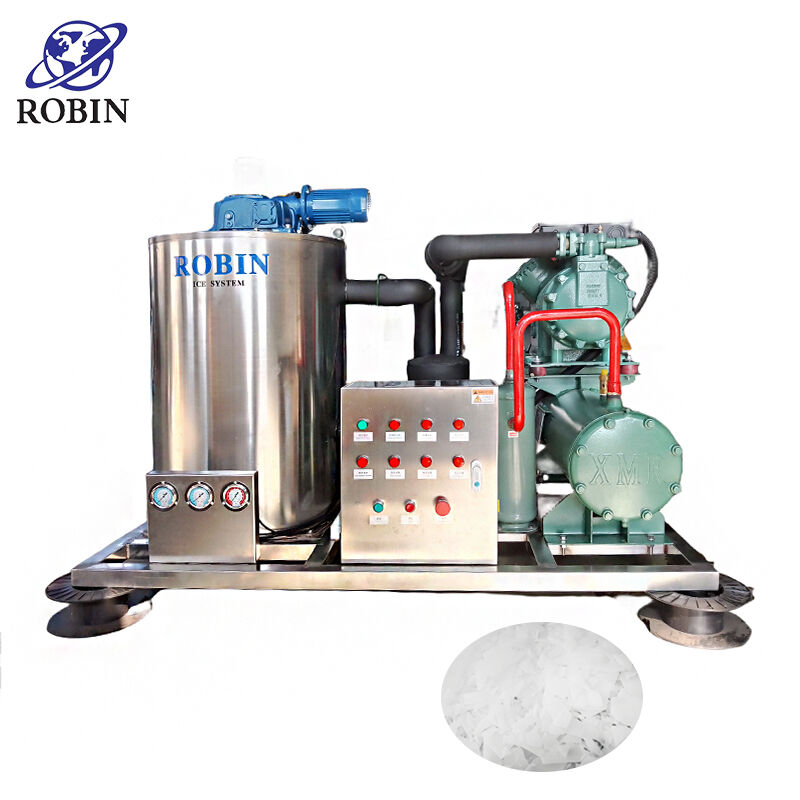
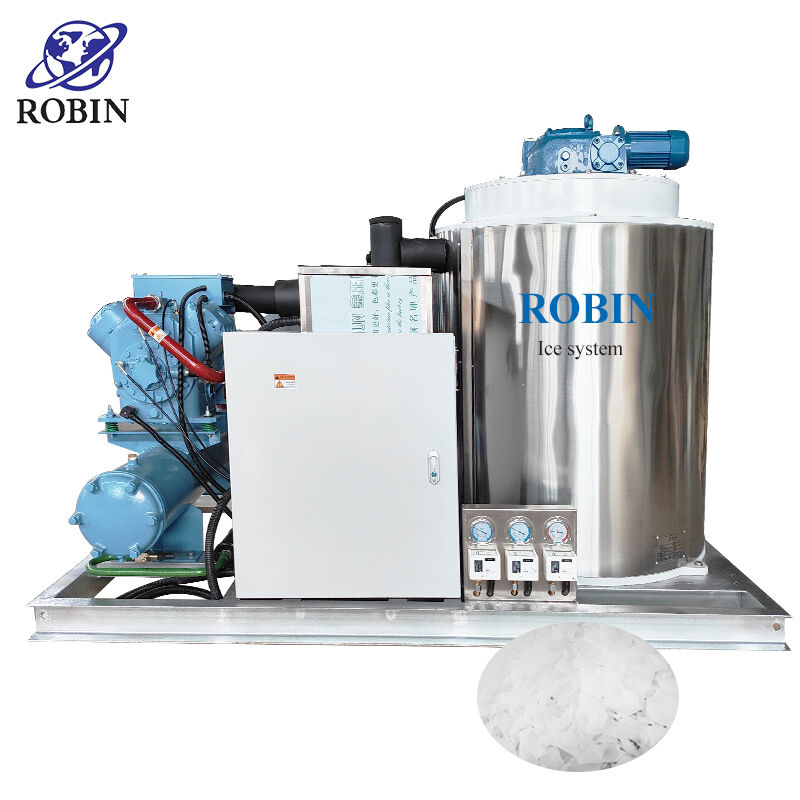
Ice manufacturing equipment represents a critical investment for businesses across hospitality, healthcare, food service, and retail sectors. These sophisticated machines transform water into various ice forms through precisely controlled freezing processes, delivering consistent quality and reliable output for commercial operations. Modern ice manufacturing equipment incorporates advanced refrigeration technology, automated production cycles, and intelligent monitoring systems that ensure optimal performance while minimizing energy consumption. The primary function of ice manufacturing equipment centers on producing ice in different shapes and sizes, including cube ice, flake ice, nugget ice, and tube ice, each serving specific operational requirements. The technological features embedded within contemporary ice manufacturing equipment include microprocessor controls that regulate water flow, freezing temperatures, and harvest cycles with remarkable precision. These systems utilize high-efficiency compressors, corrosion-resistant evaporators, and food-grade materials that comply with stringent health and safety standards. The equipment operates through a continuous cycle where water enters the freezing chamber, solidifies under controlled conditions, and releases finished ice into storage bins automatically. Applications for ice manufacturing equipment span numerous industries, from restaurants and bars requiring crystal-clear cubes for beverages, to medical facilities needing sanitary ice for therapeutic purposes, to fisheries demanding flake ice for product preservation. The versatility of ice manufacturing equipment makes it indispensable for hotels, convenience stores, supermarkets, and catering operations that depend on steady ice supplies throughout peak demand periods. Advanced models feature self-cleaning mechanisms, antimicrobial components, and diagnostic systems that alert operators to maintenance needs before performance degrades. The scalability of ice manufacturing equipment allows businesses to select capacity levels matching their specific volume requirements, from compact units producing fifty pounds daily to industrial systems generating several tons per day.

 EN