Flake Ice Maker Price Guide: Cost Factors, Benefits, and Value Comparison for Commercial Ice Production

Get a Free Quote

Our representative will contact you soon.
Email
Name
Company Name
Message
0/1000

flake ice maker price

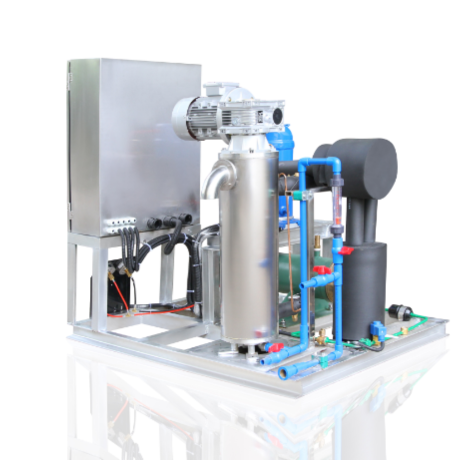
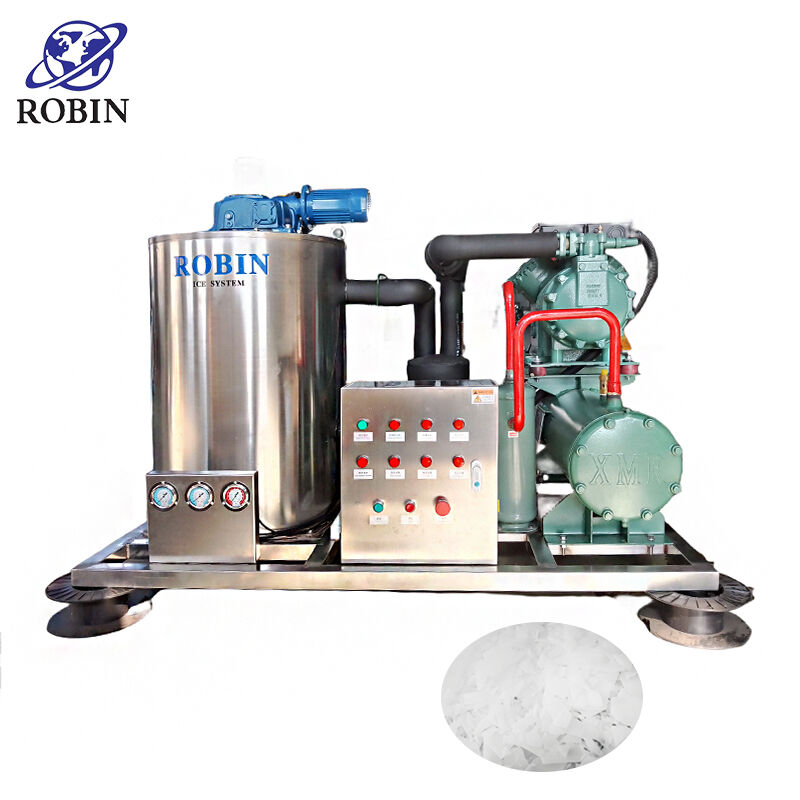
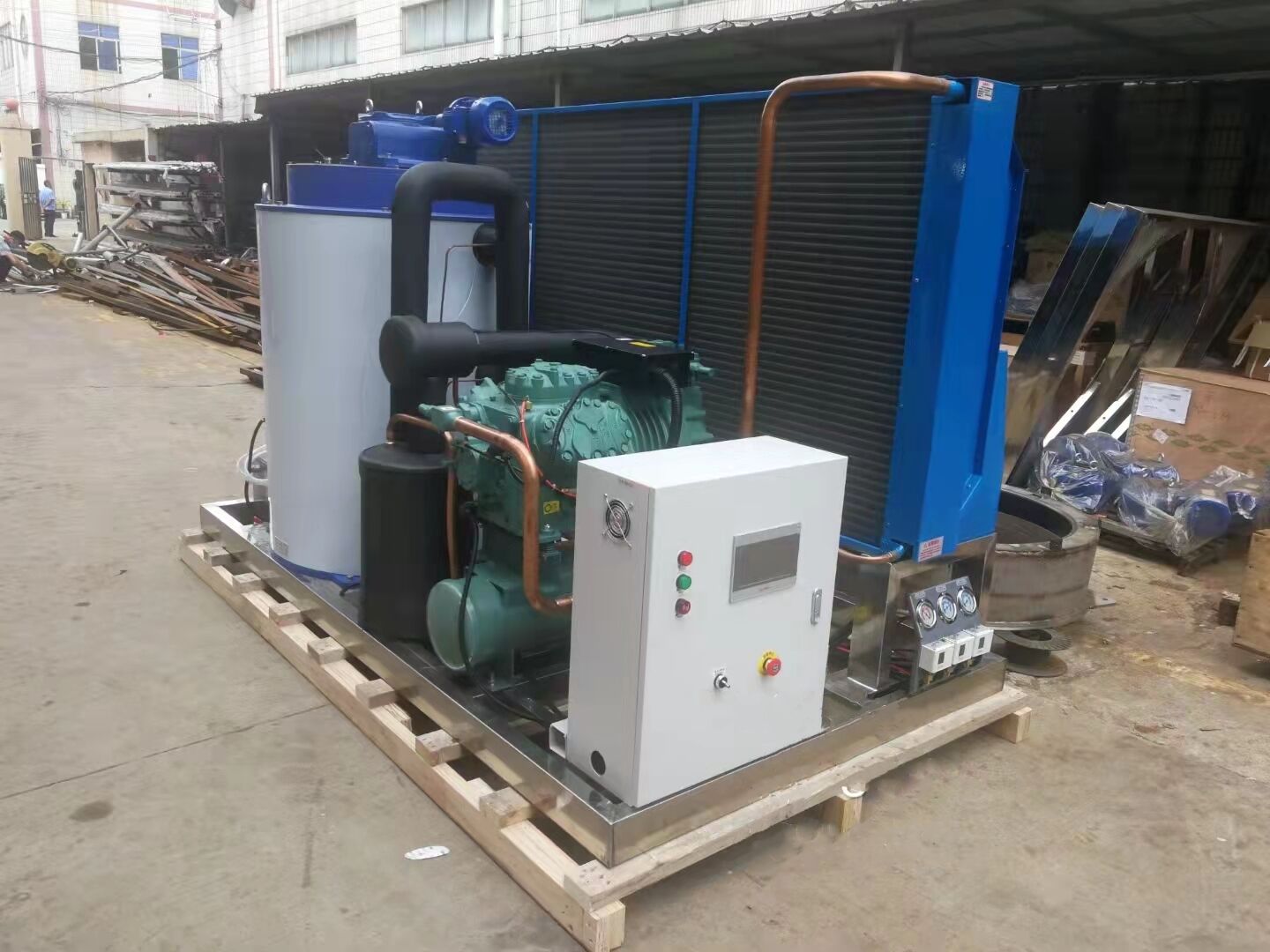
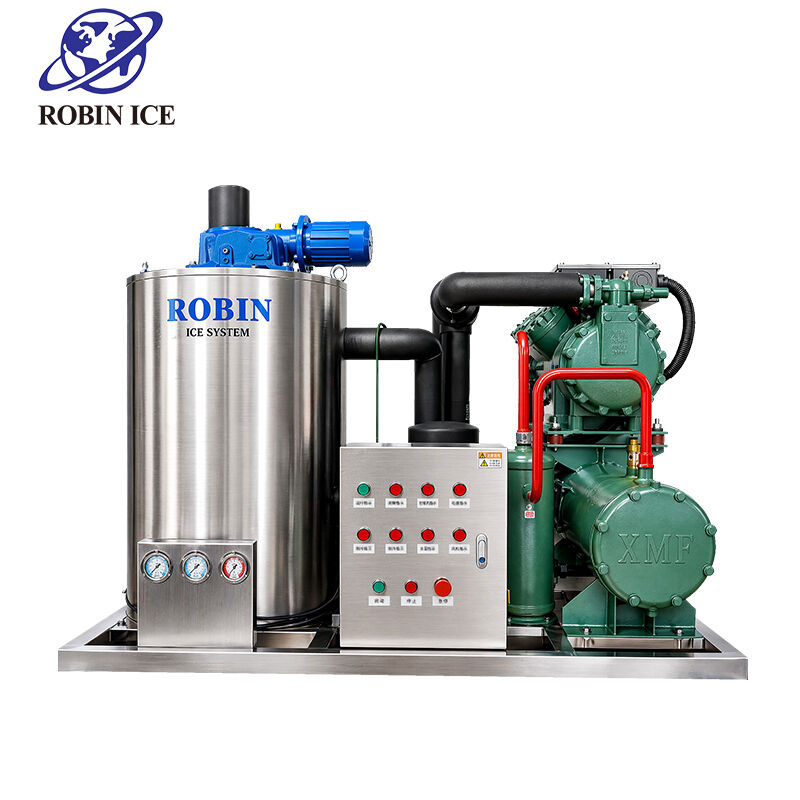
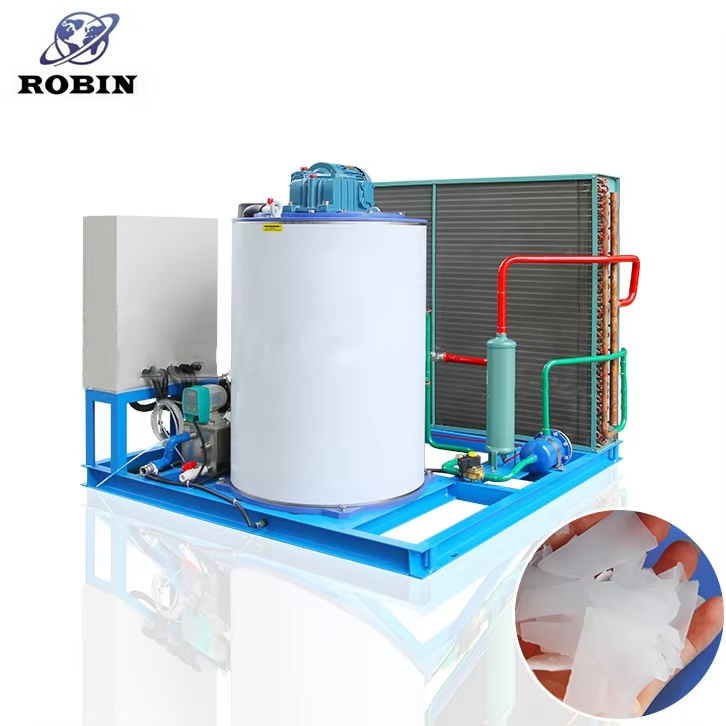
Understanding flake ice maker price requires examining the comprehensive value these machines deliver across commercial and industrial settings. A flake ice maker produces small, irregular ice fragments that offer superior cooling properties compared to traditional cube ice. The flake ice maker price typically ranges from $2,000 for compact units to over $15,000 for industrial-scale systems, reflecting variations in production capacity, build quality, and technological sophistication. These machines operate through a continuous freezing process where water flows over a refrigerated drum, forming thin ice layers that are scraped off by rotating blades. The resulting flakes measure approximately 1-2mm thick and provide maximum surface contact for rapid temperature reduction. Modern flake ice makers incorporate energy-efficient compressors, automated cleaning cycles, and digital control panels that monitor production rates and maintenance needs. The flake ice maker price correlates directly with daily output capacity, measured in pounds or kilograms per 24-hour period. Entry-level models produce 200-400 pounds daily, suitable for small restaurants or medical facilities, while commercial-grade units generate 1,000-3,000 pounds for supermarkets and processing plants. Industrial systems exceed 5,000 pounds daily, serving large-scale operations like fisheries and concrete cooling applications. When evaluating flake ice maker price, buyers should consider total cost of ownership including installation expenses, electrical consumption, water usage, and maintenance requirements. Premium models feature stainless steel construction that resists corrosion in harsh environments, while budget options may use plastic components that reduce initial costs but potentially increase long-term replacement needs. The flake ice maker price also reflects refrigerant type, with environmentally friendly options commanding higher prices but offering regulatory compliance and reduced environmental impact. Advanced units include remote monitoring capabilities, allowing operators to track performance metrics and receive maintenance alerts through smartphone applications, justifying their elevated price points through operational efficiency gains.

New Product Recommendations

The primary advantage influencing flake ice maker price is the exceptional cooling efficiency these systems provide. Flake ice contains more surface area per pound than cube or nugget ice, enabling faster heat transfer and temperature reduction. This characteristic makes flake ice ideal for displaying fresh seafood, preserving produce, and cooling beverages quickly. Businesses investing in quality flake ice makers experience reduced product spoilage and extended shelf life for perishable goods, directly impacting profitability. The flake ice maker price reflects construction durability that withstands demanding commercial environments. Stainless steel exteriors and food-grade internal components ensure hygiene standards while resisting wear from constant operation. These machines run continuously during peak seasons without performance degradation, providing reliable ice production when businesses need it most. Energy efficiency represents another significant advantage affecting flake ice maker price. Modern units incorporate variable-speed compressors and optimized refrigeration cycles that reduce electricity consumption by 20-30 percent compared to older models. This efficiency translates to lower operating costs that offset higher initial investment over the equipment's lifespan. Businesses in regions with expensive electricity rates particularly benefit from energy-efficient models despite their elevated flake ice maker price. Operational simplicity distinguishes quality flake ice makers from competing ice production methods. Automated systems require minimal staff intervention, with self-cleaning functions and diagnostic alerts reducing maintenance demands. This automation allows employees to focus on core business activities rather than ice production management. The flake ice maker price includes user-friendly digital interfaces that display production status, maintenance schedules, and troubleshooting guidance, minimizing downtime and service calls. Versatility across applications justifies the flake ice maker price for diverse industries. Healthcare facilities use flake ice for therapeutic treatments and specimen preservation. Food processing plants rely on it for mixing and temperature control during production. Concrete companies incorporate flake ice into mixing processes to prevent premature curing in hot weather. Bakeries use it to maintain dough temperature during high-speed mixing. This multi-industry applicability means a single flake ice maker investment serves multiple operational needs. Space efficiency impacts flake ice maker price considerations favorably. These units produce high volumes of ice within compact footprints, maximizing valuable floor space in crowded commercial kitchens and processing facilities. Undercounter models fit seamlessly into existing layouts without requiring dedicated ice production rooms. The flake ice maker price includes this space-saving design that eliminates costly facility modifications. Hygiene and food safety compliance built into premium flake ice makers justify their price premium. Antimicrobial surfaces, sealed production chambers, and automatic sanitization cycles prevent bacterial growth and contamination. These features help businesses meet health department regulations and maintain customer trust, avoiding costly violations or reputation damage that far exceeds the initial flake ice maker price investment.

Practical Tips

Why Do Food Factories Choose Ice Tube Machine for Continuous Ice Supply?

01

May

Why Do Food Factories Choose Ice Tube Machine for Continuous Ice Supply?

In food processing and manufacturing environments, maintaining a reliable and uninterrupted supply of ice is not a luxury — it is an operational necessity. From chilling fresh produce to controlling temperatures during meat processing, the dema...
View More
Can Ice Tube Machine Improve Cooling Efficiency in Industrial Operations?

04

May

Can Ice Tube Machine Improve Cooling Efficiency in Industrial Operations?

Industrial cooling is one of the most operationally critical and cost-sensitive challenges across manufacturing, food processing, chemical production, and logistics. When facilities struggle with inconsistent temperature control, product spoilage, or...
View More
Can Tube Ice Maker Machine Improve Ice Production in Commercial Facilities?

14

May

Can Tube Ice Maker Machine Improve Ice Production in Commercial Facilities?

Commercial facilities that rely on consistent, high-volume ice supply face ongoing pressure to meet demand efficiently without sacrificing quality or operational reliability. Whether the context is food processing, beverages, fisheries, chemical cool...
View More
Is Flake Ice Machine for Fish Suitable for Commercial Seafood Markets?

18

May

Is Flake Ice Machine for Fish Suitable for Commercial Seafood Markets?

When it comes to preserving freshness and extending the shelf life of seafood products, the choice of ice type and ice-making equipment is far from trivial. Commercial seafood markets operate under strict hygiene standards, high-volume throughput dem...
View More

Get a Free Quote

Our representative will contact you soon.
Email
Name
Company Name
Message
0/1000

flake ice maker price

Production Capacity Directly Influences Flake Ice Maker Price and Business ROI

Production Capacity Directly Influences Flake Ice Maker Price and Business ROI

The relationship between production capacity and flake ice maker price represents the most critical factor in equipment selection. Machines producing 200-400 pounds daily typically cost $2,000-$4,000, serving small restaurants, cafes, and medical offices with modest ice requirements. Mid-range units generating 800-1,500 pounds daily range from $5,000-$8,000, accommodating busy restaurants, small supermarkets, and processing facilities. Industrial flake ice makers producing 3,000-10,000 pounds daily command prices from $10,000-$25,000, designed for large-scale fisheries, concrete plants, and food processing operations. Understanding your actual ice consumption prevents overpaying for excess capacity or underestimating needs that lead to production shortfalls during peak periods. The flake ice maker price scales proportionally with output because larger units require more powerful compressors, expanded evaporator surfaces, and reinforced structural components to handle increased production demands. Businesses should calculate daily ice requirements by analyzing peak usage periods rather than average consumption. A seafood market displaying 500 pounds of product needs approximately 250 pounds of flake ice for proper presentation and preservation, requiring a machine with 300-400 pound daily capacity to account for additional uses like customer bags and cleaning. Restaurants serving 200 customers daily might need 150-200 pounds for beverages, food preparation, and display purposes. The flake ice maker price investment pays dividends through consistent product quality and customer satisfaction. Insufficient capacity forces businesses to purchase supplemental ice from external suppliers at premium prices, often costing $2-$4 per bag compared to pennies per pound from owned equipment. Over a year, this supplemental ice expense can exceed the flake ice maker price difference between appropriately sized and undersized units. Production capacity also affects operational flexibility. Machines running at maximum capacity continuously experience accelerated wear and more frequent maintenance needs. Selecting a flake ice maker with 20-30 percent excess capacity over calculated requirements provides buffer for unexpected demand spikes, equipment maintenance periods, and business growth. This capacity cushion extends equipment lifespan and reduces emergency service calls, factors that justify slightly higher flake ice maker price points. Energy consumption correlates with production capacity, influencing total cost of ownership beyond initial flake ice maker price. A 1,000-pound daily unit consuming 8 kilowatt-hours costs approximately $2.40 daily in electricity at average commercial rates, totaling $876 annually. A 2,000-pound unit might consume 14 kilowatt-hours, costing $1,533 yearly. Businesses must balance production needs against ongoing operational expenses when evaluating flake ice maker price options.
Advanced Technology Features Justify Premium Flake Ice Maker Price Points

Advanced Technology Features Justify Premium Flake Ice Maker Price Points

Technological sophistication significantly impacts flake ice maker price while delivering operational benefits that reduce long-term costs and improve performance reliability. Basic models use mechanical controls and manual defrost cycles, requiring staff intervention and offering limited diagnostic capabilities. Mid-tier units incorporate digital thermostats and automated defrost functions that optimize ice production without constant monitoring. Premium flake ice makers feature microprocessor controls, remote monitoring systems, and predictive maintenance algorithms that justify their elevated price through enhanced efficiency and reduced downtime. The flake ice maker price premium for advanced technology includes smart diagnostic systems that identify potential failures before they cause production interruptions. Sensors monitor compressor performance, refrigerant levels, water flow rates, and ice thickness, alerting operators to developing issues through dashboard displays or smartphone notifications. This predictive capability prevents costly emergency repairs and lost production during critical business periods. A restaurant losing ice production during weekend dinner service might forfeit thousands in revenue, far exceeding the technology premium in flake ice maker price. Energy management systems built into premium units optimize compressor operation based on ambient temperature, water temperature, and production demand. Variable-speed compressors adjust output to match actual ice requirements rather than cycling on and off at full power, reducing electricity consumption by 25-35 percent compared to fixed-speed models. The flake ice maker price difference between standard and variable-speed units typically recovers within 18-24 months through energy savings, after which the efficiency gains represent pure cost reduction. Water efficiency technology affects both flake ice maker price and operational expenses. Advanced units incorporate water recycling systems that capture and reuse melt water during production cycles, reducing consumption by 15-20 percent. In regions with expensive water and sewer rates, this conservation justifies higher flake ice maker price through reduced utility bills. A unit producing 1,000 pounds daily might use 120 gallons of water, costing $0.50 daily or $182 annually. Water-efficient models reducing consumption to 100 gallons save $36 yearly while supporting environmental sustainability goals. Antimicrobial surfaces and automated sanitization cycles included in premium flake ice maker price protect product quality and customer health. Copper-infused components and UV sterilization systems eliminate bacterial growth without chemical additives, maintaining ice purity for food contact applications. These hygiene features help businesses pass health inspections and avoid contamination incidents that damage reputation and trigger liability claims. The flake ice maker price premium for sanitation technology represents insurance against far costlier food safety failures. Remote monitoring capabilities justify elevated flake ice maker price for multi-location businesses and operations with limited on-site technical staff. Cloud-connected units transmit performance data to centralized dashboards, allowing managers to monitor ice production across multiple facilities from single interfaces. This visibility enables proactive maintenance scheduling, identifies underperforming units, and optimizes service technician deployment. The operational efficiency gained through remote monitoring recovers the technology premium in flake ice maker price within the first year for businesses operating multiple locations.
Build Quality and Materials Determine Long-Term Value Beyond Initial Flake Ice Maker Price

Build Quality and Materials Determine Long-Term Value Beyond Initial Flake Ice Maker Price

Construction quality fundamentally influences flake ice maker price while determining equipment lifespan, maintenance costs, and total ownership value. Entry-level units using plastic housings and aluminum evaporators cost less initially but may require replacement within 5-7 years under commercial use. Mid-grade machines with stainless steel exteriors and copper evaporators typically last 10-12 years with proper maintenance. Premium flake ice makers featuring marine-grade stainless steel construction and corrosion-resistant components operate reliably for 15-20 years, justifying their higher price through extended service life and reduced replacement frequency. The flake ice maker price reflects material choices that impact performance in specific environments. Coastal businesses face salt air corrosion that rapidly degrades standard steel components, making stainless steel construction essential despite higher costs. Food processing facilities require NSF-certified food-grade materials that resist chemical cleaning agents and maintain sanitation standards. The flake ice maker price premium for appropriate materials prevents premature failure and ensures regulatory compliance in demanding applications. Compressor quality represents the most critical component affecting flake ice maker price and reliability. Budget units use residential-grade compressors designed for intermittent operation, struggling under continuous commercial demands. Commercial-grade compressors built for 24/7 operation cost more but deliver consistent performance and longer service intervals. Premium hermetically sealed compressors included in higher flake ice maker price points resist contamination and maintain efficiency throughout their lifespan, reducing energy costs and repair frequency. Evaporator design and construction directly impact ice quality and production efficiency, influencing flake ice maker price accordingly. Thin aluminum evaporators transfer heat quickly but dent easily and corrode in harsh water conditions. Thick copper evaporators cost more but provide superior heat transfer, resist damage, and tolerate mineral-heavy water without degradation. The flake ice maker price difference between aluminum and copper evaporators recovers through reduced maintenance and consistent ice production quality. Insulation quality affects both flake ice maker price and operating efficiency. Premium units feature thick polyurethane foam insulation that minimizes heat gain and reduces compressor workload. This insulation maintains cabinet temperature stability, preventing ice melting during production pauses and reducing energy consumption. Budget models with minimal insulation force compressors to work harder, increasing electricity costs that eventually exceed the initial flake ice maker price savings. Refrigerant type impacts environmental compliance and long-term operating costs, factors reflected in flake ice maker price. Older R-404A refrigerant faces regulatory phase-outs and increasing costs, while newer R-449A and R-513A alternatives offer similar performance with lower environmental impact. The flake ice maker price premium for modern refrigerants provides regulatory compliance and stable operating costs as older refrigerants become scarce and expensive. Component accessibility influences maintenance costs over the flake ice maker's lifespan. Well-designed units with removable panels and clearly labeled components reduce service time and labor costs. Budget models with cramped interiors and difficult component access increase technician hours for routine maintenance, adding hundreds annually to operating expenses. The flake ice maker price premium for service-friendly design recovers quickly through reduced maintenance labor costs. Warranty coverage correlates with flake ice maker price and manufacturer confidence in build quality. Entry-level units typically include one-year parts warranties with limited labor coverage. Premium machines offer three-to-five-year comprehensive warranties covering parts, labor, and compressor replacement. Extended warranty protection included in higher flake ice maker price provides peace of mind and protects against unexpected repair expenses during critical early operating years.

Get a Free Quote

Our representative will contact you soon.
Email
Name
Company Name
Message
0/1000