Professional Flake Ice Maker Factory - Custom Industrial Ice Equipment Manufacturing

Get a Free Quote

Our representative will contact you soon.
Email
Name
Company Name
Message
0/1000

flake ice maker factory

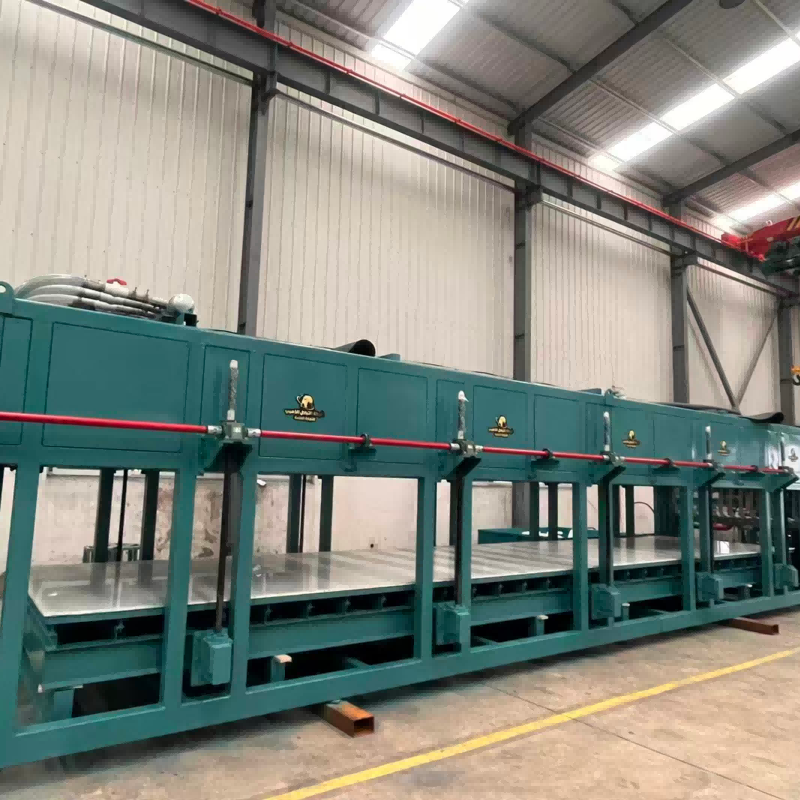
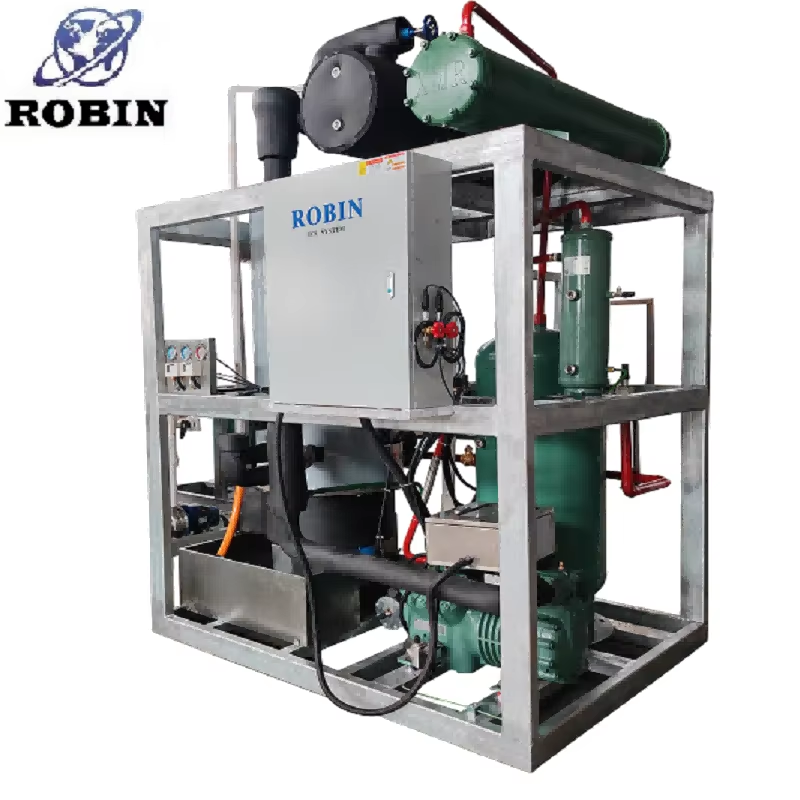
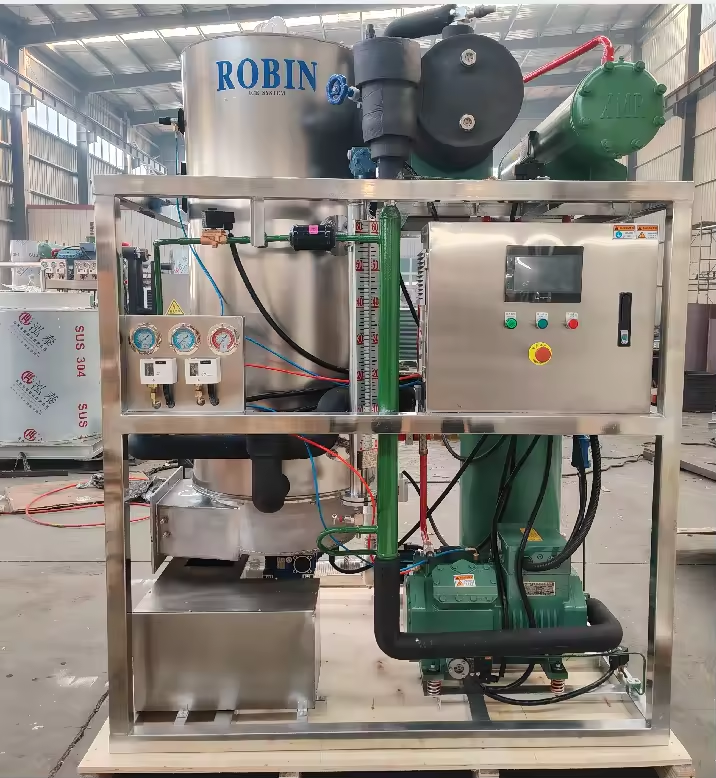
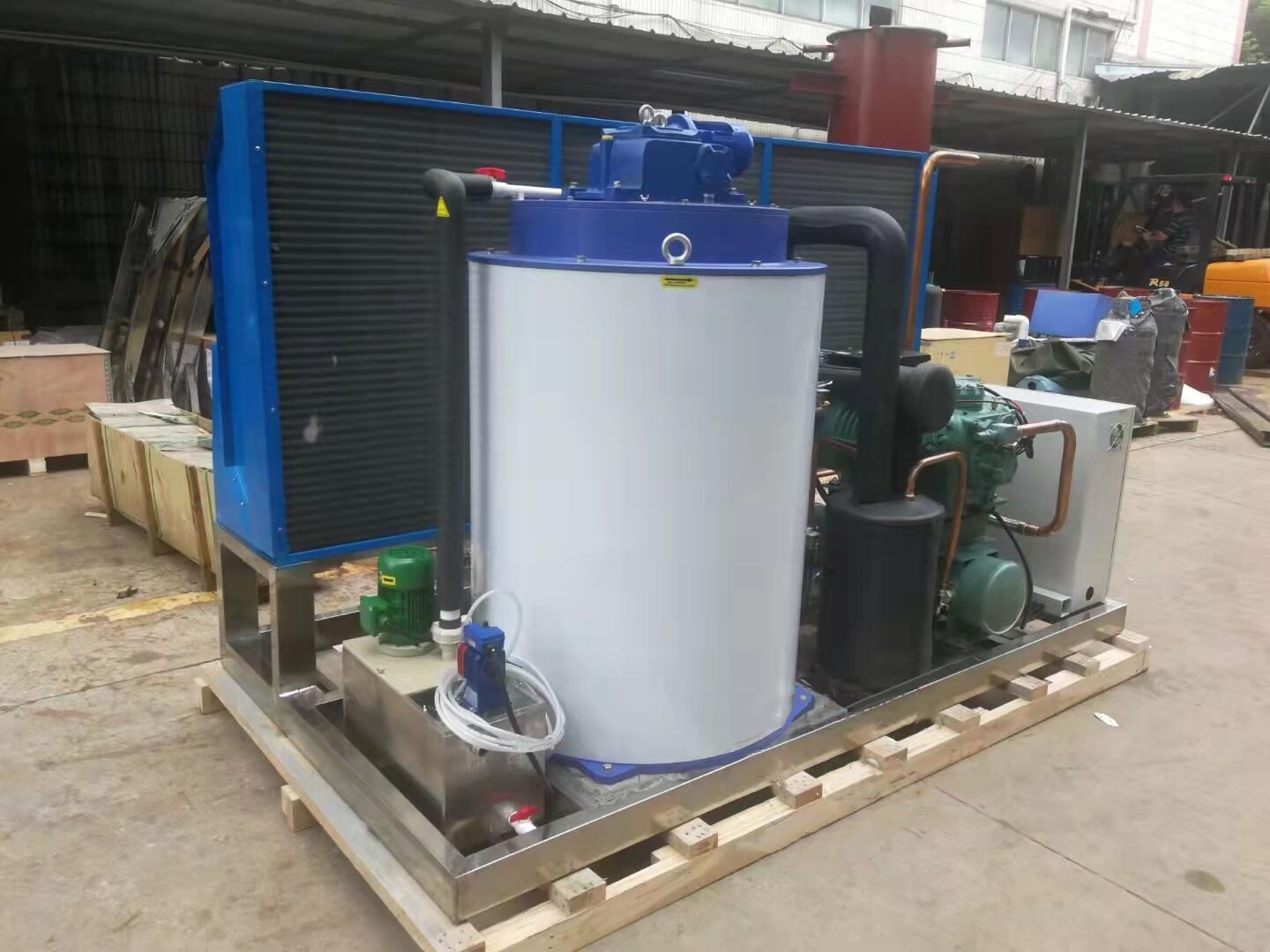
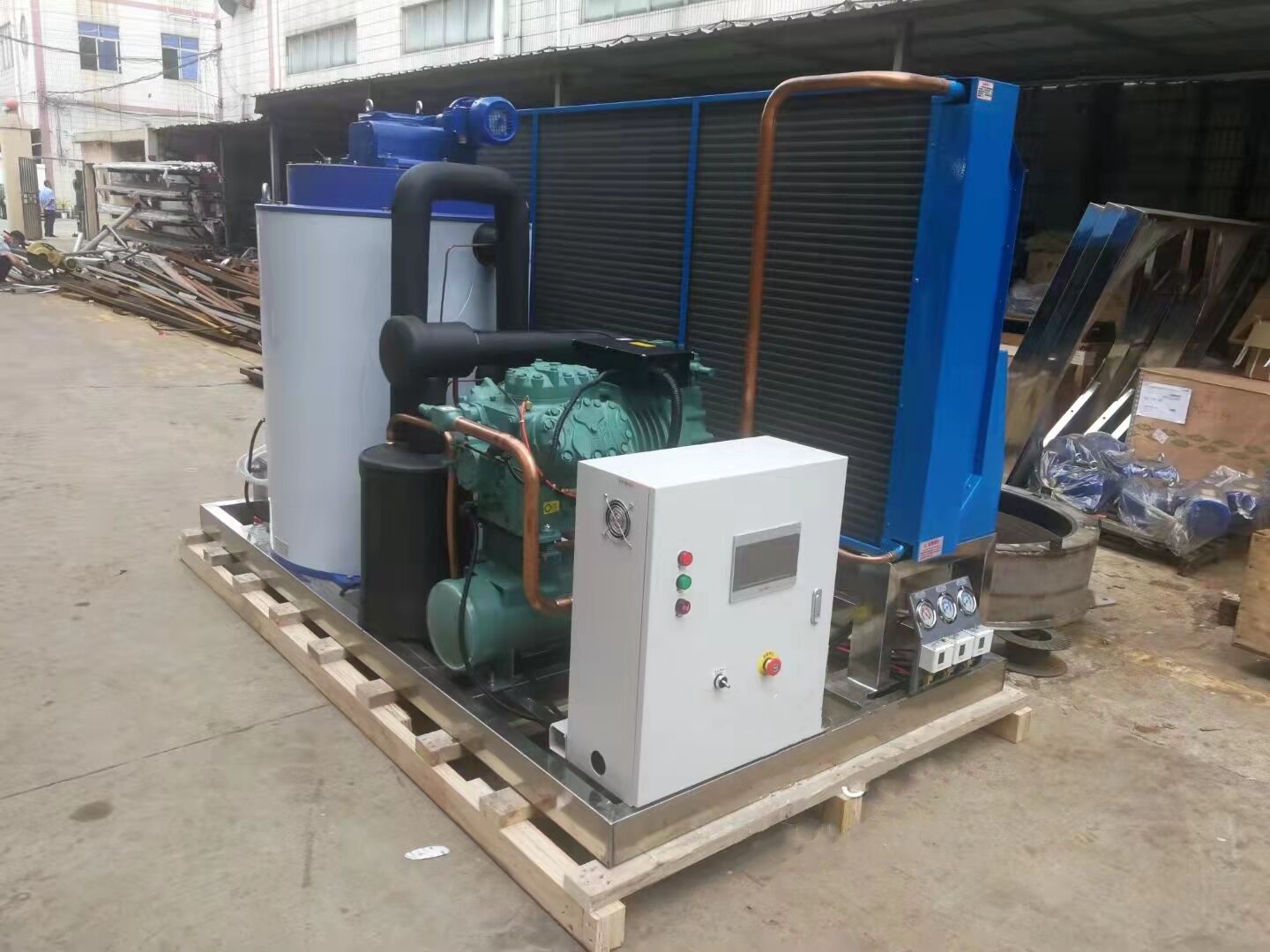
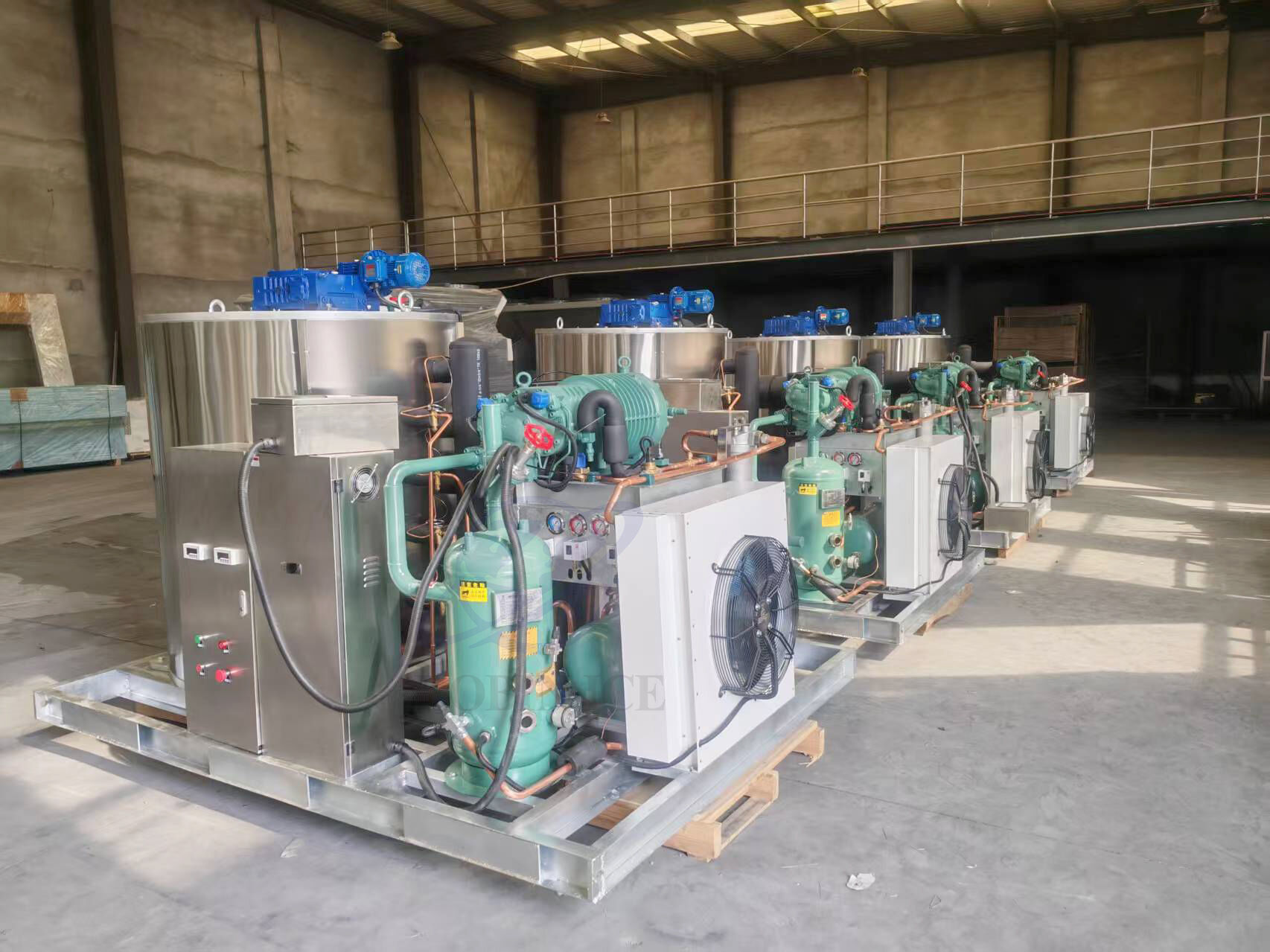
A flake ice maker factory represents a specialized manufacturing facility dedicated to producing industrial-grade ice-making equipment that creates thin, flat ice crystals. These factories engineer machines capable of generating flake ice, which differs significantly from traditional cube or block ice due to its unique physical properties and versatile applications. The primary function of a flake ice maker factory involves designing, assembling, and testing equipment that transforms water into sub-cooled ice flakes through advanced refrigeration technology. Modern facilities incorporate precision engineering to ensure each machine delivers consistent ice quality, optimal energy efficiency, and reliable long-term performance. The technological features embedded within these manufacturing operations include automated production lines, quality control systems, and research and development departments focused on innovation. Factories typically employ skilled technicians who understand refrigeration principles, mechanical engineering, and industrial automation. The production process involves sourcing high-quality components such as compressors, evaporators, condensers, and control systems, then integrating them into cohesive units that meet international standards. Applications for equipment produced by a flake ice maker factory span numerous industries including fisheries, food processing, concrete cooling, healthcare, retail displays, and chemical processing. Each sector requires specific ice characteristics, and factories customize their machines accordingly. The ice produced by these machines maintains temperatures between negative six and negative twelve degrees Celsius, making it ideal for rapid cooling applications. Factory operations also encompass after-sales support, providing maintenance services, spare parts distribution, and technical training for operators. Environmental considerations have become increasingly important, with modern factories implementing eco-friendly refrigerants and energy-saving technologies. The global demand for flake ice equipment continues growing as industries recognize the superior cooling properties and handling convenience of flake ice compared to other ice forms. Manufacturing facilities must maintain strict quality standards, often obtaining certifications such as ISO 9001, CE marking, and other regional compliance requirements to ensure their products meet safety and performance expectations across international markets.


Popular Products

Choosing equipment from a flake ice maker factory delivers numerous practical benefits that directly impact operational efficiency and cost management. First, these factories produce machines that generate ice with maximum surface area contact, which means faster cooling times for products and processes. When you place flake ice around fish, produce, or beverages, the thin crystalline structure conforms to irregular shapes, eliminating air gaps that reduce cooling effectiveness. This translates to better product preservation and extended shelf life for perishable goods. Second, the manufacturing expertise concentrated in these facilities ensures machines operate with superior energy efficiency compared to generic cooling systems. Engineers optimize every component to minimize power consumption while maximizing ice output, which reduces your monthly utility expenses significantly. Third, factories build equipment with durability in mind, using corrosion-resistant materials and robust construction methods that withstand demanding industrial environments. This longevity means fewer breakdowns, reduced maintenance costs, and better return on investment over the equipment lifespan. Fourth, the ice produced requires no additional crushing or processing, saving labor time and eliminating the need for secondary equipment. Workers can immediately use the ice as it dispenses from the machine, streamlining workflows and reducing handling requirements. Fifth, flake ice maker factories offer customization options that match specific production needs, whether you require small-scale units for restaurants or large industrial systems for processing plants. This flexibility ensures you purchase exactly the capacity needed without overspending on unnecessary features. Sixth, the dry ice surface characteristic prevents clumping and allows for easy storage and transportation, making inventory management simpler. Seventh, modern factories incorporate smart control systems that monitor performance, alert operators to potential issues, and optimize production schedules automatically. This technology reduces the need for constant supervision and helps prevent costly downtime. Eighth, reputable factories provide comprehensive warranty coverage and responsive technical support, giving you peace of mind and quick solutions when questions arise. Ninth, the sanitary design of equipment from established factories meets food safety regulations, with smooth surfaces that prevent bacterial growth and easy-to-clean components. Tenth, these factories stay current with environmental regulations, ensuring their machines use approved refrigerants and meet energy efficiency standards, which protects your business from future compliance issues and potential fines.

Latest News

Is Tube Ice Maker Machine Suitable for High-Capacity Ice Manufacturing?

08

May

Is Tube Ice Maker Machine Suitable for High-Capacity Ice Manufacturing?

When industrial buyers and plant managers evaluate large-scale ice production systems, one question consistently surfaces: is a tube ice maker machine genuinely capable of meeting high-capacity manufacturing demands? The answer is not simply yes or n...
View More
How Does Tube Ice Maker Machine Support Hygienic Ice Supply Operations?

12

May

How Does Tube Ice Maker Machine Support Hygienic Ice Supply Operations?

In food processing, healthcare, fisheries, and beverage production, the integrity of ice directly affects product safety and regulatory compliance. A tube ice maker machine is engineered from the ground up to meet the demanding hygiene standards that...
View More
Can Tube Ice Maker Machine Improve Ice Production in Commercial Facilities?

14

May

Can Tube Ice Maker Machine Improve Ice Production in Commercial Facilities?

Commercial facilities that rely on consistent, high-volume ice supply face ongoing pressure to meet demand efficiently without sacrificing quality or operational reliability. Whether the context is food processing, beverages, fisheries, chemical cool...
View More
Why Do Fisheries Invest in Flake Ice Machine for Fish Preservation Systems?

23

May

Why Do Fisheries Invest in Flake Ice Machine for Fish Preservation Systems?

In the commercial fishing and seafood processing industry, the quality of the catch at the point of sale is directly tied to how well it was preserved from the moment it left the water. Temperature control is not a secondary concern — it is the...
View More

Get a Free Quote

Our representative will contact you soon.
Email
Name
Company Name
Message
0/1000

flake ice maker factory

Advanced Refrigeration Technology for Consistent Ice Quality

Advanced Refrigeration Technology for Consistent Ice Quality

The cornerstone of any reputable flake ice maker factory lies in its commitment to advanced refrigeration technology that guarantees consistent ice quality across all operating conditions. These manufacturing facilities invest heavily in research and development to refine the ice-making process, ensuring that every flake produced meets exacting standards for size, texture, and temperature. The technology begins with precision-engineered evaporator drums, which are the heart of the ice-making system. These drums rotate continuously while refrigerant circulates through internal channels, creating a sub-zero surface where water freezes instantly upon contact. As the ice forms in thin layers, specially designed scrapers remove it in delicate flakes, maintaining uniform thickness typically ranging from one to two millimeters. This consistency matters tremendously in commercial applications where predictable cooling rates determine product quality and process efficiency. Factories employ sophisticated control systems that monitor water flow, refrigerant pressure, drum rotation speed, and ambient conditions, making real-time adjustments to maintain optimal performance. The integration of variable-speed compressors allows machines to adapt ice production rates based on demand, preventing energy waste during low-usage periods while ensuring adequate supply during peak times. Quality control protocols within the factory include rigorous testing of each machine before shipment, simulating various operating environments to verify performance under stress. Technicians measure ice flake dimensions, assess ice hardness, and confirm that machines achieve rated production capacities within specified timeframes. The refrigeration circuits incorporate multiple safety features including high-pressure cutoffs, low-pressure protection, and thermal overload sensors that prevent component damage and extend equipment lifespan. Modern factories also focus on refrigerant efficiency, selecting compounds that provide maximum heat transfer while minimizing environmental impact. The result is equipment that produces ice with consistent sub-cooled temperatures, ensuring rapid heat absorption when applied to products or processes. This technological sophistication translates directly into operational benefits for end users, who experience fewer quality variations, reduced product losses, and more predictable cooling outcomes that support better planning and inventory management across their operations.
Customizable Production Capacity for Diverse Industry Needs

Customizable Production Capacity for Diverse Industry Needs

One of the most significant advantages offered by a flake ice maker factory is the ability to provide customizable production capacity that aligns precisely with diverse industry requirements and operational scales. Unlike one-size-fits-all solutions, these specialized manufacturing facilities understand that a small seafood market has vastly different needs compared to a large-scale concrete batching plant or a hospital laboratory. Factories maintain extensive product lines ranging from compact units producing fifty kilograms of ice per day to industrial behemoths capable of generating fifty tons or more within the same timeframe. This scalability ensures businesses invest in appropriate capacity without overspending on excessive production capability or struggling with insufficient ice supply during critical operations. The customization extends beyond mere output volume to include specific design features tailored to particular applications. For instance, equipment destined for food processing environments incorporates food-grade materials, sanitary design principles, and easy-access cleaning points that meet health department regulations. Conversely, machines for construction applications prioritize rugged construction, dust-resistant enclosures, and simplified controls suitable for outdoor installation and operation by non-specialized personnel. Factories work closely with clients during the specification phase, analyzing usage patterns, peak demand periods, storage limitations, and available utilities to recommend optimal configurations. This consultative approach prevents common purchasing mistakes such as undersized equipment that cannot meet production demands or oversized units that waste energy producing unused ice. Modular design philosophies adopted by leading factories allow for future expansion, where additional ice-making modules can be integrated with existing systems as business grows, protecting initial investments while providing scalability. The manufacturing process itself supports customization through flexible assembly lines capable of accommodating special requests such as alternative voltage requirements for international markets, specific refrigerant types for regional regulations, or integrated storage bins with custom dimensions. Technical documentation provided by the factory includes detailed specifications, installation guidelines, and operational parameters that help facility managers integrate the equipment seamlessly into existing infrastructure. This level of customization and support ensures that each flake ice maker factory product delivers maximum value by matching real-world requirements rather than forcing businesses to adapt their operations around equipment limitations.
Comprehensive Support Infrastructure and Long-Term Reliability

Comprehensive Support Infrastructure and Long-Term Reliability

The value proposition of partnering with an established flake ice maker factory extends far beyond the initial equipment purchase, encompassing a comprehensive support infrastructure that ensures long-term reliability and operational continuity. These factories recognize that ice production often represents a critical component of business operations, where equipment failure can result in significant financial losses, product spoilage, or process interruptions. Consequently, reputable manufacturers build extensive service networks that provide rapid response to technical issues, preventive maintenance programs, and readily available spare parts inventory. The support infrastructure typically begins with thorough installation guidance, where factory-trained technicians either perform the setup directly or provide detailed supervision to local contractors, ensuring proper refrigerant charging, electrical connections, water supply integration, and control system configuration. This professional installation prevents the common startup problems that plague self-installed equipment and establishes a foundation for reliable long-term operation. Following installation, factories offer comprehensive training programs that educate operators on daily procedures, routine maintenance tasks, troubleshooting techniques, and safety protocols. This knowledge transfer empowers on-site personnel to handle minor issues independently while recognizing situations that require professional intervention. Preventive maintenance schedules developed by the factory outline specific inspection points, cleaning procedures, and component replacement intervals that maximize equipment lifespan and minimize unexpected failures. Many factories now offer remote monitoring services where internet-connected machines transmit performance data to central servers, allowing engineers to identify developing problems before they cause breakdowns. This predictive maintenance approach reduces downtime and allows for scheduled repairs during convenient periods rather than emergency situations. The spare parts infrastructure maintained by established factories ensures critical components remain available for years after purchase, even as product lines evolve. This commitment to long-term parts availability protects customer investments and prevents premature equipment obsolescence. Technical support teams staffed by experienced engineers provide phone, email, and video consultation services that help troubleshoot issues quickly, often resolving problems without requiring on-site visits. For situations demanding physical presence, factories maintain networks of authorized service providers strategically located to minimize response times. Warranty programs offered by quality-focused factories demonstrate confidence in their manufacturing standards while providing customers with financial protection during the initial operating period. These comprehensive support systems distinguish professional flake ice maker factory products from cheaper alternatives that leave customers stranded when problems arise, making the choice of manufacturer as important as the equipment specifications themselves.

Get a Free Quote

Our representative will contact you soon.
Email
Name
Company Name
Message
0/1000