flake ice machine for fish price
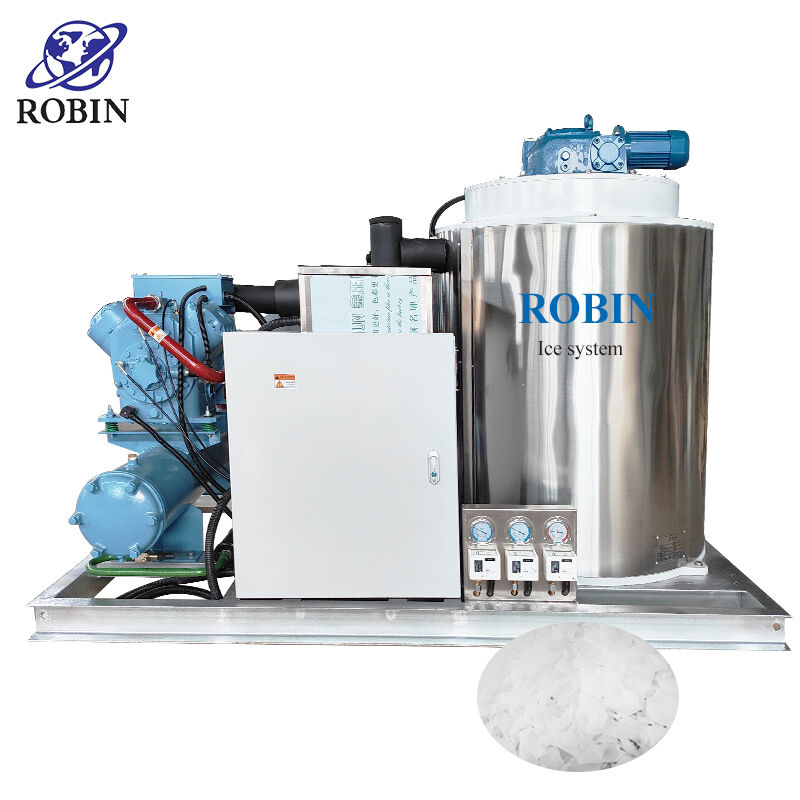
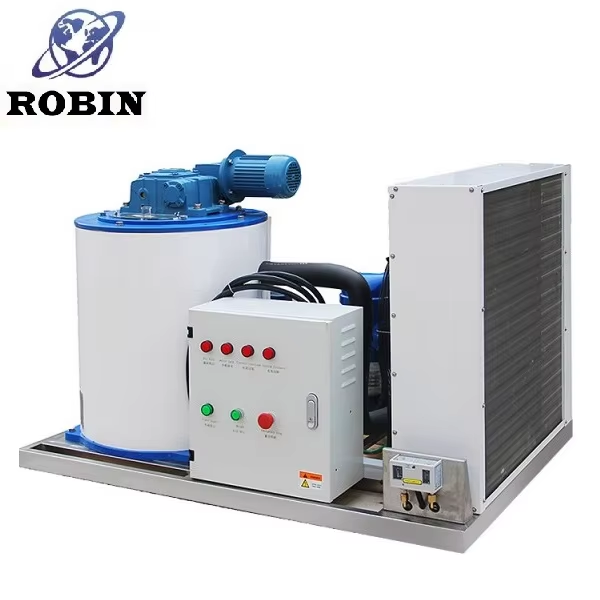
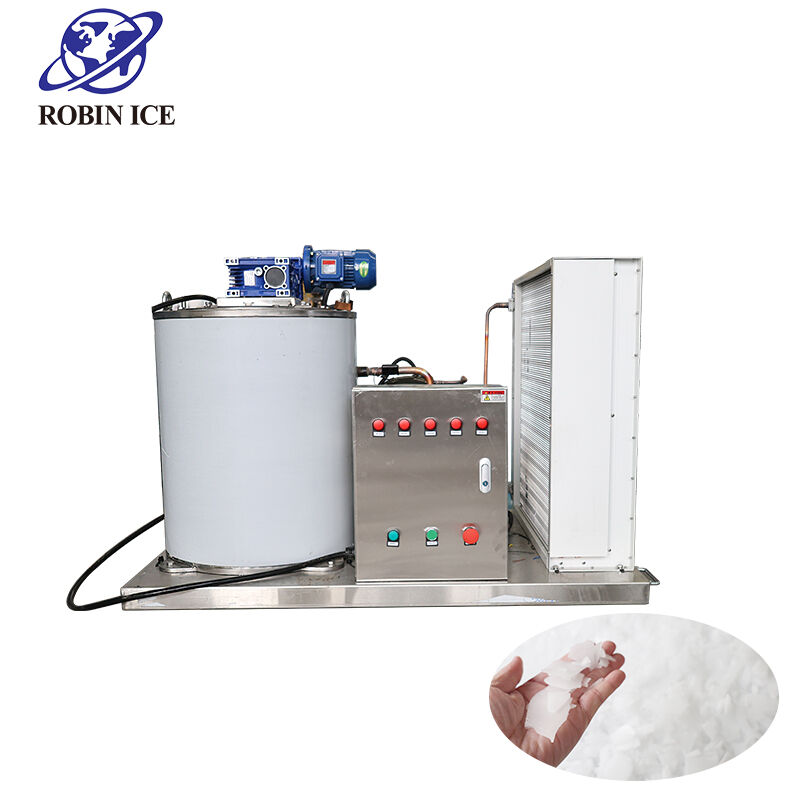
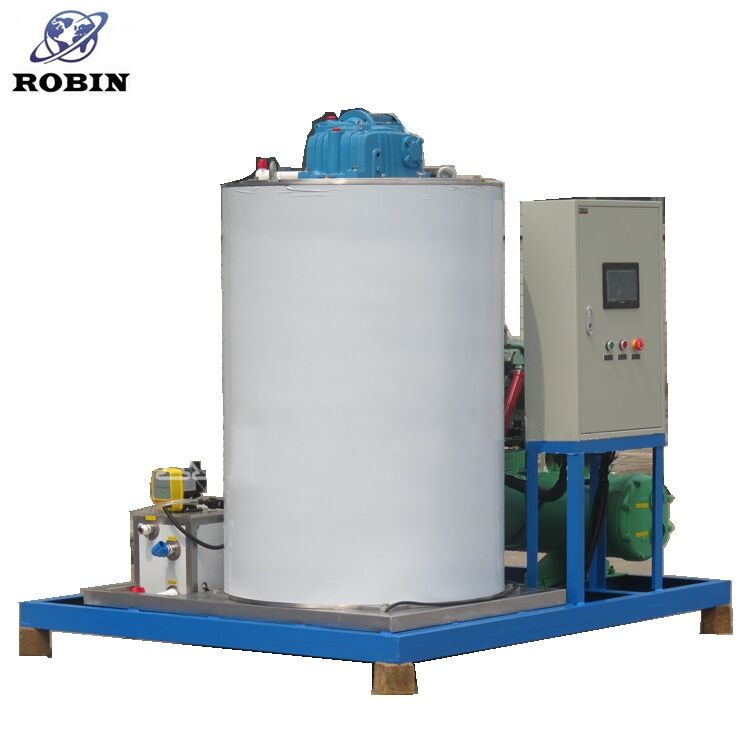
A flake ice machine for fish price represents a critical investment for businesses in the seafood industry, offering specialized cooling solutions that preserve product quality and extend shelf life. These machines produce thin, flat ice flakes that provide maximum surface contact with fish and seafood products, ensuring rapid and uniform cooling. The flake ice machine for fish price varies based on production capacity, ranging from small-scale units producing 500 kilograms daily to industrial systems generating over 20 tons per day. Modern flake ice machines incorporate advanced refrigeration technology, utilizing eco-friendly refrigerants that comply with international environmental standards while maintaining energy efficiency. The core function of these machines centers on creating ice flakes with optimal thickness, typically between 1.5 to 2.5 millimeters, which allows the ice to conform to irregular shapes of fish and seafood, filling gaps and eliminating air pockets that could compromise freshness. The flake ice machine for fish price includes considerations for stainless steel construction, which resists corrosion in marine environments and meets food safety regulations. These systems feature automated controls that monitor ice production, water quality, and refrigeration cycles, reducing manual intervention and operational costs. The technological features include evaporator drums with specialized grooves that form ice flakes, high-efficiency compressors that reduce power consumption, and water circulation systems that ensure consistent ice quality. Applications extend beyond fish markets to include fishing vessels, seafood processing plants, supermarket fish counters, and distribution centers. The flake ice machine for fish price reflects the machine's ability to maintain fish at temperatures between 0 to 2 degrees Celsius, which is essential for preventing bacterial growth and preserving texture, color, and nutritional value. Investment in a quality flake ice machine delivers long-term returns through reduced product spoilage, improved customer satisfaction, and compliance with health department requirements for seafood handling and storage.

 EN