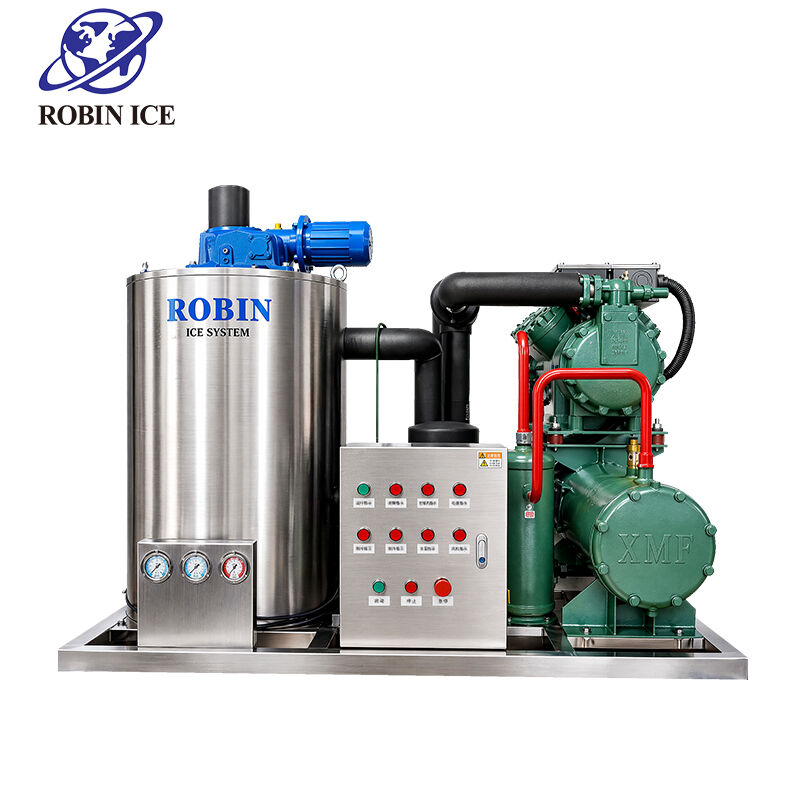
Custom Flake Ice Evaporator Solutions - Efficient Ice Production Systems

Get a Free Quote

Our representative will contact you soon.
Email
Name
Company Name
Message
0/1000

custom flake ice evaporator

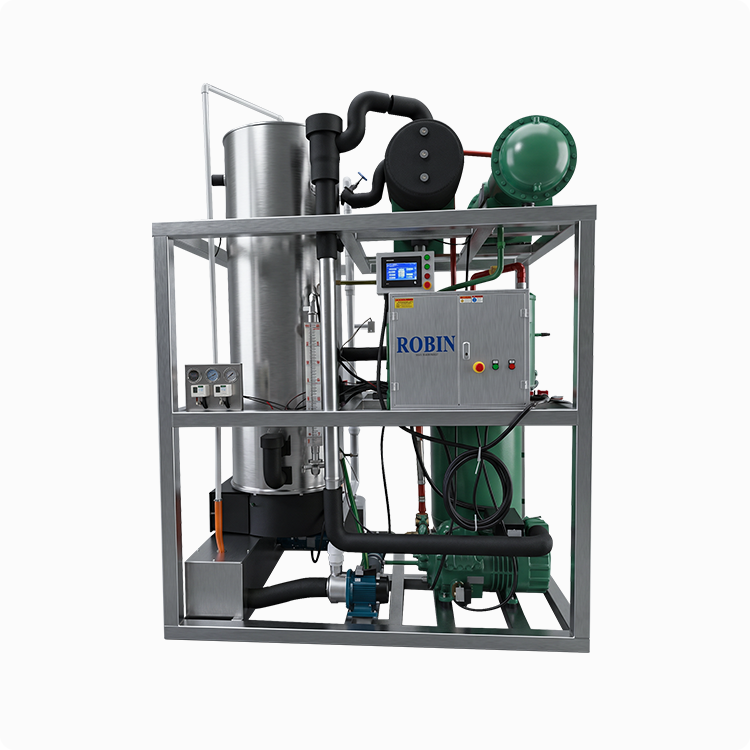
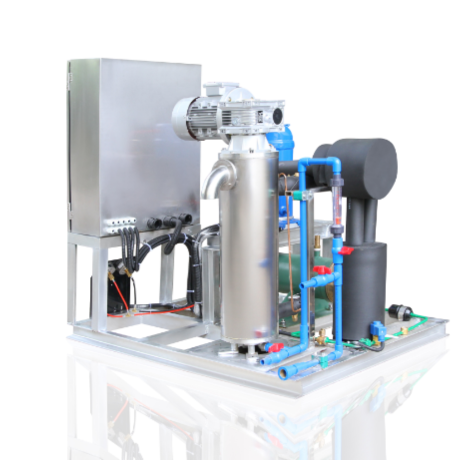
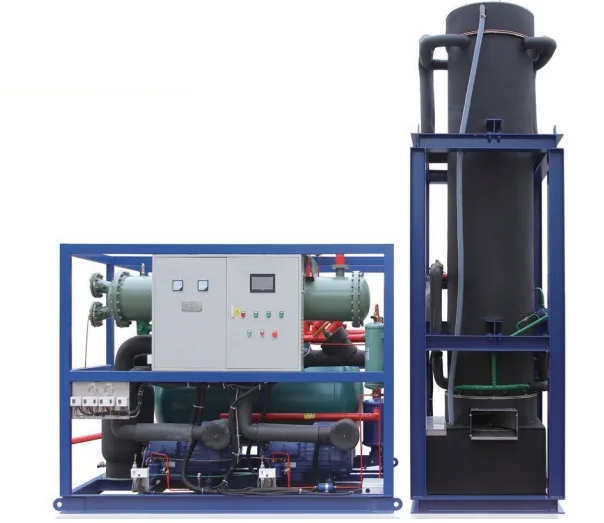
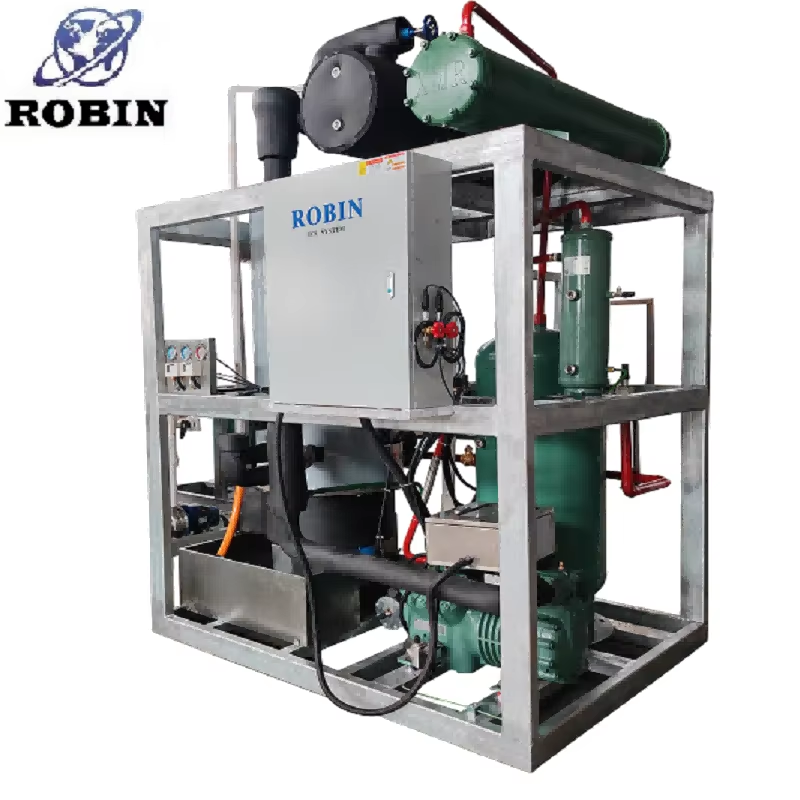
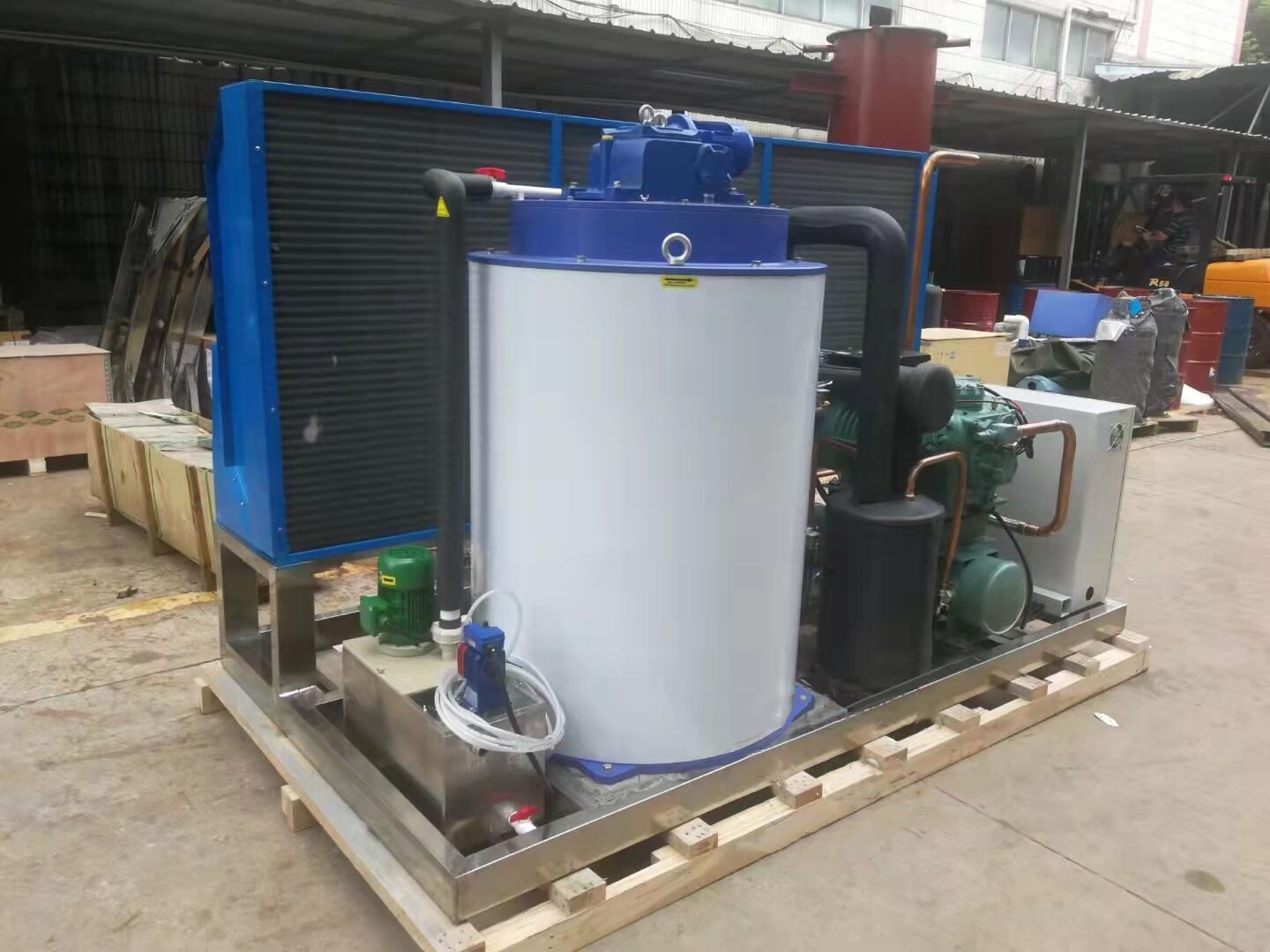
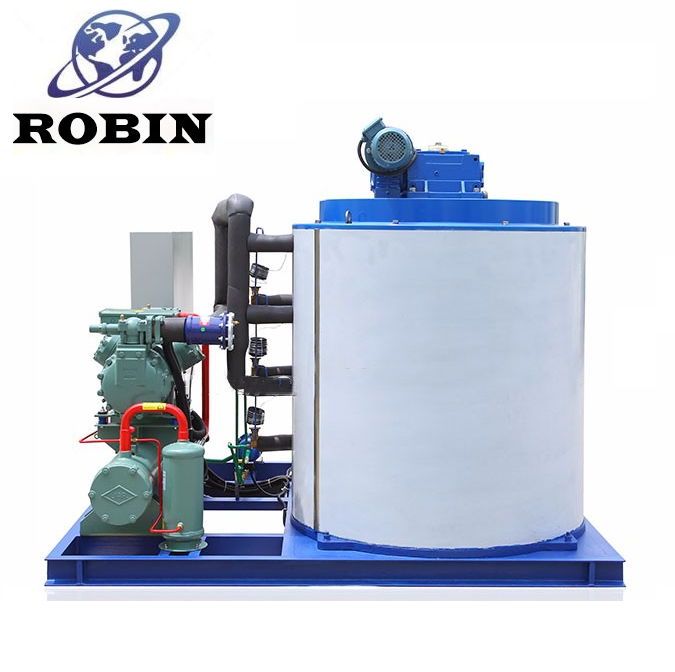
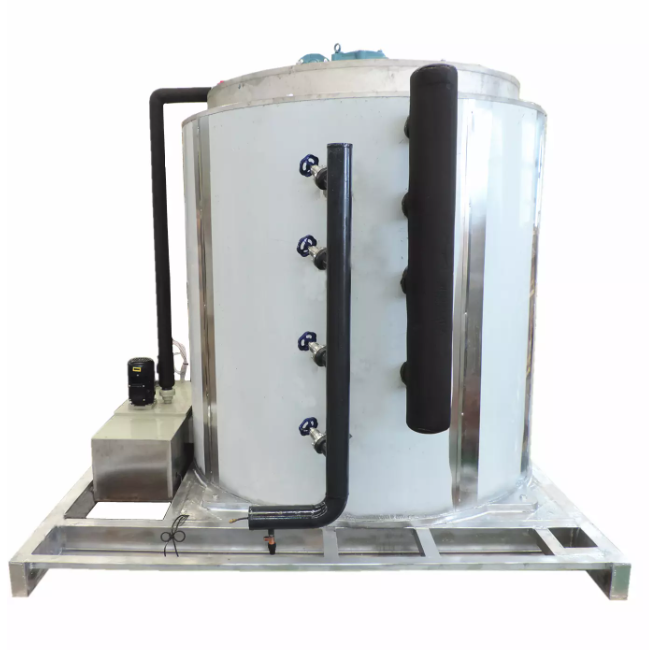
A custom flake ice evaporator represents a specialized refrigeration component engineered to produce thin, flat ice crystals through a precisely controlled freezing process. This sophisticated equipment serves as the heart of flake ice machines, transforming water into delicate ice flakes that measure approximately 1 to 2 millimeters in thickness. The evaporator operates by distributing water evenly across a chilled cylindrical drum or plate surface, where rapid freezing occurs upon contact. As the ice forms, a rotating blade or scraper continuously removes the frozen layer, creating the characteristic flake shape that distinguishes this ice type from cubes, tubes, or other formations. The custom aspect of these evaporators allows manufacturers to tailor specifications according to specific operational requirements, including production capacity, ice thickness, energy consumption parameters, and spatial constraints. Modern custom flake ice evaporators incorporate advanced heat exchange technology, utilizing refrigerants that circulate through internal channels to maintain optimal freezing temperatures. The design flexibility enables integration with various refrigeration systems, from small-scale commercial units producing several hundred kilograms daily to industrial installations generating multiple tons per hour. These evaporators find extensive application across diverse sectors including fisheries, where rapid cooling preserves seafood freshness; concrete production, where temperature control during mixing prevents premature setting; medical facilities requiring ice for therapeutic treatments; food processing plants maintaining cold chain integrity; and hospitality venues serving beverages. The customization process considers factors such as ambient temperature conditions, water quality characteristics, available power supply, and desired ice output consistency. Engineers optimize the evaporator's surface area, refrigerant flow patterns, and scraping mechanisms to achieve maximum efficiency while minimizing operational costs. The resulting flake ice offers superior cooling performance due to its large surface area relative to volume, enabling faster heat absorption compared to other ice formats. This efficiency translates into reduced energy consumption and improved product preservation across applications.


New Product Releases

Custom flake ice evaporators deliver substantial practical benefits that directly impact operational efficiency and cost management for businesses across multiple industries. The primary advantage lies in their exceptional cooling speed, as the thin flake structure provides maximum contact area with products requiring temperature reduction. This rapid cooling capability means seafood processors can preserve catch quality immediately after harvest, bakeries can cool dough without compromising texture, and chemical plants can control exothermic reactions more effectively. The customization aspect ensures each evaporator matches specific production demands, eliminating the waste associated with oversized equipment or the bottlenecks created by undersized systems. Businesses gain precise control over ice production volumes, adjusting output to match seasonal fluctuations or varying operational schedules without investing in multiple fixed-capacity machines. Energy efficiency represents another significant advantage, as tailored designs optimize refrigerant circulation and heat exchange processes for particular operating environments. Companies operating in tropical climates receive evaporators engineered to handle higher ambient temperatures, while those in temperate zones benefit from designs that maximize efficiency under moderate conditions. This targeted approach reduces electricity consumption compared to generic solutions, lowering monthly utility expenses and supporting sustainability initiatives. The dry surface characteristic of flake ice prevents clumping and allows easy handling, storage, and distribution throughout facilities. Workers can shovel, transport, and apply the ice without specialized equipment, reducing labor costs and improving workplace safety by eliminating heavy lifting associated with block ice. Maintenance requirements remain minimal due to simplified mechanical designs featuring fewer moving parts than complex ice-making systems. The continuous scraping action inherent to flake ice production naturally prevents scale buildup on evaporator surfaces, extending equipment lifespan and reducing downtime for cleaning procedures. Custom configurations accommodate existing facility layouts, fitting into available floor space or integrating with current refrigeration infrastructure without requiring expensive renovations. Businesses avoid the disruption and capital expenditure associated with facility modifications, achieving faster implementation and quicker return on investment. The versatility of flake ice suits diverse applications within single facilities, allowing hospitals to use the same ice source for patient care, laboratory procedures, and cafeteria services. This multipurpose functionality eliminates redundant equipment purchases and simplifies inventory management. Product quality improvements stem from the gentle nature of flake ice, which conforms to irregular shapes without causing physical damage. Delicate items like berries, leafy vegetables, and fresh fish maintain structural integrity during cooling and display, reducing spoilage rates and enhancing customer satisfaction. The moldable quality also enables creative food presentation in retail environments, where attractive displays drive purchasing decisions.

Tips And Tricks

Can Ice Tube Machine Improve Cooling Efficiency in Industrial Operations?

04

May

Can Ice Tube Machine Improve Cooling Efficiency in Industrial Operations?

Industrial cooling is one of the most operationally critical and cost-sensitive challenges across manufacturing, food processing, chemical production, and logistics. When facilities struggle with inconsistent temperature control, product spoilage, or...
View More
Is Tube Ice Maker Machine Suitable for High-Capacity Ice Manufacturing?

08

May

Is Tube Ice Maker Machine Suitable for High-Capacity Ice Manufacturing?

When industrial buyers and plant managers evaluate large-scale ice production systems, one question consistently surfaces: is a tube ice maker machine genuinely capable of meeting high-capacity manufacturing demands? The answer is not simply yes or n...
View More
Why Do Fisheries Invest in Flake Ice Machine for Fish Preservation Systems?

23

May

Why Do Fisheries Invest in Flake Ice Machine for Fish Preservation Systems?

In the commercial fishing and seafood processing industry, the quality of the catch at the point of sale is directly tied to how well it was preserved from the moment it left the water. Temperature control is not a secondary concern — it is the...
View More
How Is Flake Ice Machine for Fish Used in Seafood Processing Facilities?

26

May

How Is Flake Ice Machine for Fish Used in Seafood Processing Facilities?

In seafood processing facilities, temperature control is not a preference — it is a biological necessity. From the moment a fish is harvested to the point it reaches a consumer's plate, maintaining a consistently low temperature determines whet...
View More

Get a Free Quote

Our representative will contact you soon.
Email
Name
Company Name
Message
0/1000

custom flake ice evaporator

Superior Heat Transfer Performance Through Optimized Surface Design

Superior Heat Transfer Performance Through Optimized Surface Design

The custom flake ice evaporator achieves remarkable heat transfer efficiency through its engineered surface architecture, delivering cooling performance that surpasses conventional ice production methods by significant margins. This advantage stems from the fundamental physics of the flake formation process, where water spreads across a precisely machined cylindrical or flat evaporator surface maintained at optimal freezing temperatures. The customization process allows engineers to calculate exact surface areas required for specific cooling loads, ensuring the evaporator neither underperforms nor wastes energy through excessive capacity. The thin profile of resulting ice flakes, typically ranging from one to two millimeters in thickness, creates an exceptionally high surface-area-to-volume ratio that accelerates thermal exchange when applied to products. This geometric advantage means each kilogram of flake ice contacts substantially more product surface than equivalent weights of cube or tube ice, extracting heat faster and reducing cooling times by measurable percentages. For seafood processors, this translates into preserving catch quality during critical hours immediately following harvest, when bacterial growth rates determine ultimate product shelf life and market value. The rapid cooling capability prevents enzymatic degradation and microbial proliferation that compromise texture, flavor, and safety. Concrete manufacturers benefit similarly, as the evaporator produces ice that quickly absorbs the heat generated during cement hydration reactions, preventing thermal cracking and ensuring structural integrity in finished products. The custom design process incorporates computational fluid dynamics modeling to optimize refrigerant flow patterns within evaporator channels, eliminating hot spots that reduce freezing efficiency and create inconsistent ice quality. This attention to thermal uniformity ensures every flake meets specifications for thickness and dryness, providing predictable cooling performance that operations managers can factor into production schedules with confidence. The evaporator's ability to maintain consistent output despite variations in inlet water temperature or ambient conditions reflects sophisticated control systems integrated during customization, using sensors and automated adjustments to compensate for environmental changes. This reliability eliminates production disruptions caused by ice quality fluctuations, supporting continuous operations in time-sensitive industries where delays cascade into significant financial losses.
Tailored Production Capacity Matching Operational Requirements

Tailored Production Capacity Matching Operational Requirements

Custom flake ice evaporators provide businesses with precisely calibrated production capacities that align with actual operational demands, eliminating the inefficiencies inherent in standardized equipment solutions. This customization begins with comprehensive analysis of usage patterns, considering factors including peak demand periods, baseline consumption rates, storage limitations, and future expansion plans. Engineers design evaporator dimensions, refrigerant circuit configurations, and compressor specifications to deliver target output volumes while maintaining optimal energy efficiency ratios. A seafood processing facility handling seasonal catches receives an evaporator sized for maximum harvest periods without excessive capacity during slower months, achieved through modular designs or variable-speed components that adjust production dynamically. This flexibility prevents the capital waste of purchasing oversized equipment that operates inefficiently at partial loads, while avoiding the operational constraints of undersized systems that create bottlenecks during critical production windows. The custom approach considers the complete refrigeration ecosystem, integrating the evaporator with existing chillers, condensers, and distribution systems to maximize overall system efficiency. Businesses operating multiple shifts benefit from evaporators programmed to increase output during peak hours and reduce production during maintenance windows, optimizing electricity consumption patterns to take advantage of time-of-use utility rates. This intelligent capacity management can reduce energy costs by substantial percentages compared to continuous full-capacity operation. The customization process also addresses ice storage requirements, designing production rates that maintain adequate reserves without overflowing bins or requiring frequent manual intervention. Automated controls monitor storage levels and adjust evaporator operation accordingly, freeing staff from constant supervision and reducing labor costs. For facilities with limited floor space, custom evaporators maximize vertical dimensions or utilize compact configurations that achieve required output within available footprints. This spatial efficiency proves particularly valuable in urban locations where real estate costs make facility expansion prohibitively expensive. The ability to specify exact production capacities also supports lean manufacturing principles, reducing inventory carrying costs and minimizing waste from melted or contaminated ice. Businesses achieve tighter control over operational expenses while improving responsiveness to customer demands and market conditions.
Enhanced Durability Through Application-Specific Material Selection

Enhanced Durability Through Application-Specific Material Selection

The custom flake ice evaporator manufacturing process incorporates strategic material selection based on specific operating environments and application requirements, resulting in equipment that withstands challenging conditions while maintaining performance over extended service lives. This materials engineering approach begins with analyzing water chemistry characteristics at installation sites, including mineral content, pH levels, chloride concentrations, and organic matter presence. Evaporators destined for coastal locations with high-salinity water receive corrosion-resistant alloys or specialized coatings that prevent degradation from chloride exposure, extending equipment lifespan far beyond standard stainless steel components. Similarly, facilities processing acidic or alkaline substances benefit from evaporators constructed with materials that resist chemical attack, maintaining heat transfer efficiency and structural integrity despite aggressive operating conditions. The customization extends to refrigerant-contact surfaces, where material selection balances thermal conductivity requirements with compatibility considerations for specific refrigerant types. Modern environmentally-friendly refrigerants demand different material properties than legacy compounds, and custom designs ensure optimal performance while supporting regulatory compliance and sustainability goals. The scraper blade assembly, which continuously removes ice from the evaporator surface, receives particular attention during customization, with engineers specifying blade materials, geometries, and mounting systems appropriate for expected production volumes and ice hardness characteristics. High-volume operations benefit from hardened tool steel blades that maintain sharp edges through millions of scraping cycles, while facilities prioritizing quiet operation receive polymer composite blades that reduce noise without sacrificing ice removal efficiency. The evaporator drum or plate thickness represents another critical customization parameter, with engineers calculating optimal dimensions that provide necessary structural rigidity while maximizing heat transfer rates. Thicker constructions suit high-pressure refrigeration systems and heavy-duty applications, while thinner profiles benefit operations prioritizing rapid thermal response and energy efficiency. Surface finish specifications also receive customization attention, as microscopic texture patterns influence ice adhesion characteristics and release properties. Polished surfaces facilitate easier ice removal and reduce scraper wear, while specific roughness patterns can enhance nucleation for applications requiring particular ice crystal structures. The custom approach extends to insulation materials and thicknesses surrounding the evaporator, with selections based on ambient temperature conditions and desired energy efficiency levels. Facilities in extreme climates receive enhanced insulation packages that minimize heat gain and reduce compressor workload, lowering operational costs and extending equipment service intervals.

Get a Free Quote

Our representative will contact you soon.
Email
Name
Company Name
Message
0/1000