Sea Water Ice Maker - Marine Ice Production Systems for Commercial Fishing and Coastal Industries

Get a Free Quote

Our representative will contact you soon.
Email
Name
Company Name
Message
0/1000

sea water ice maker

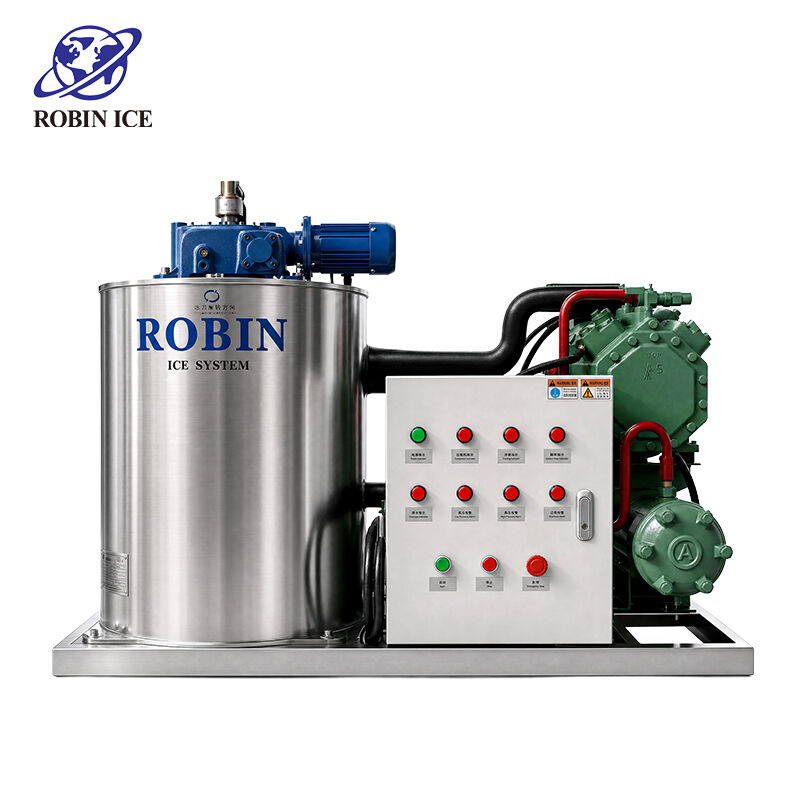
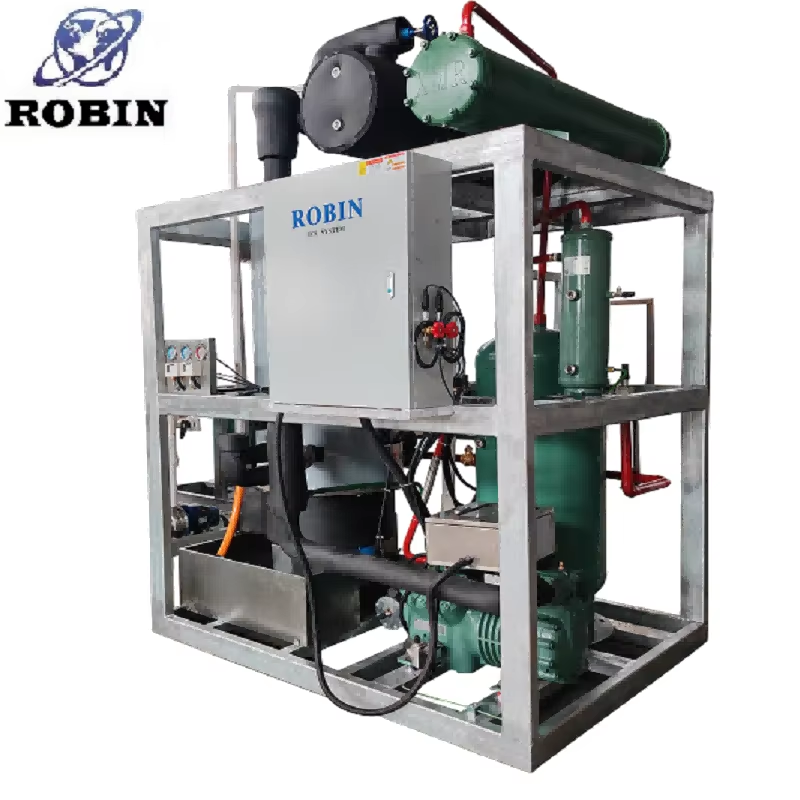
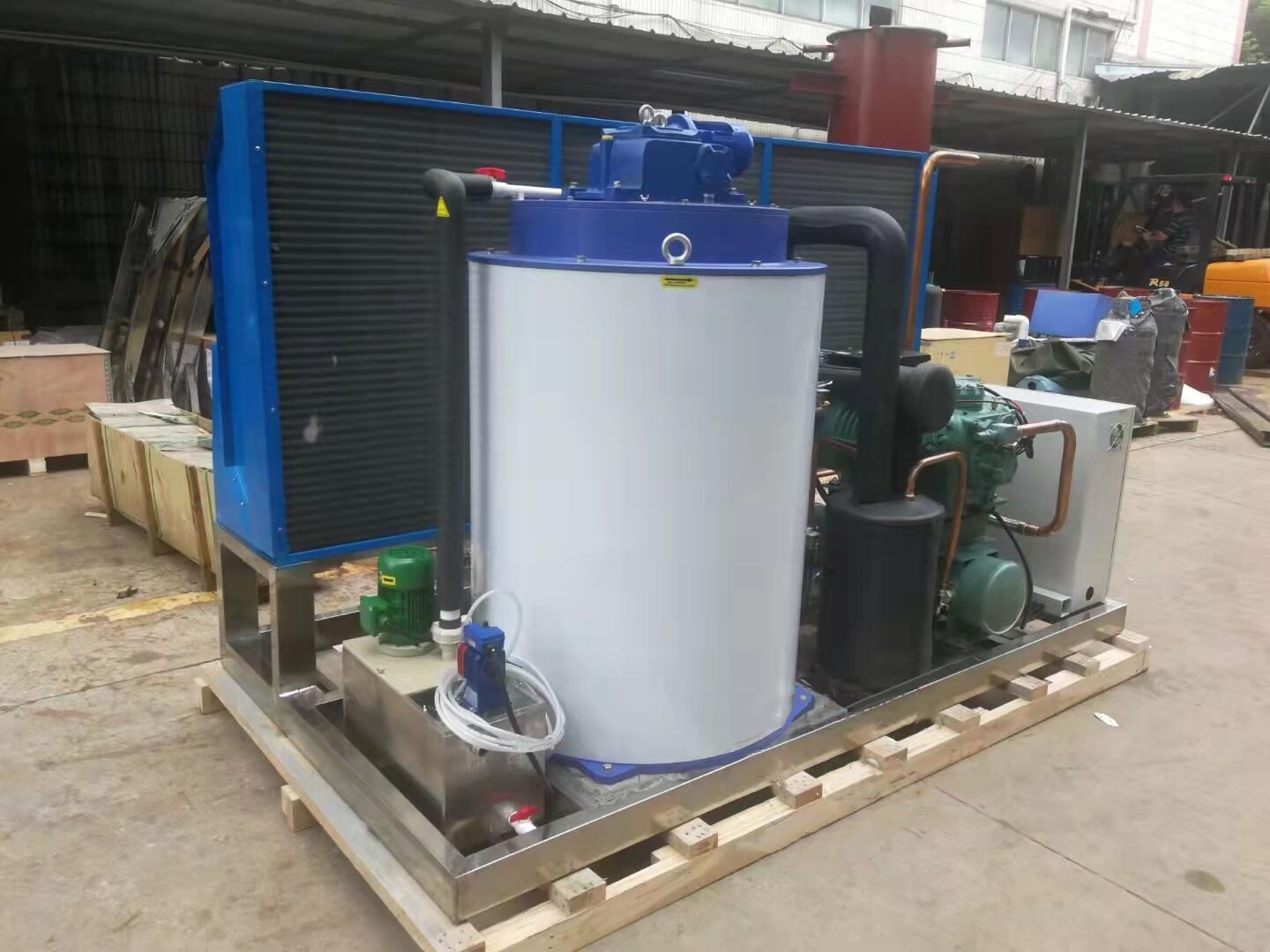
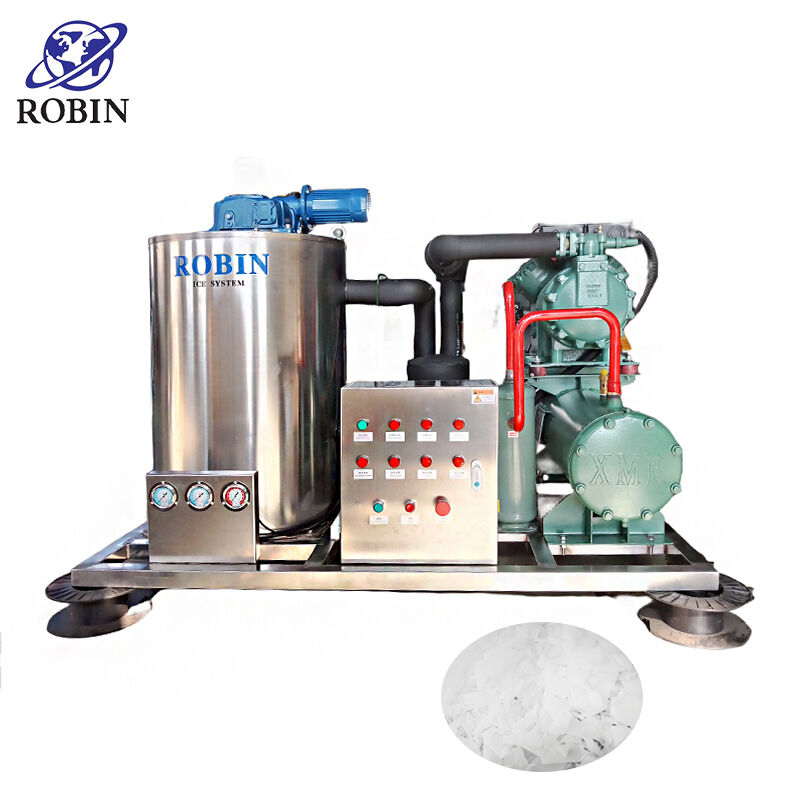
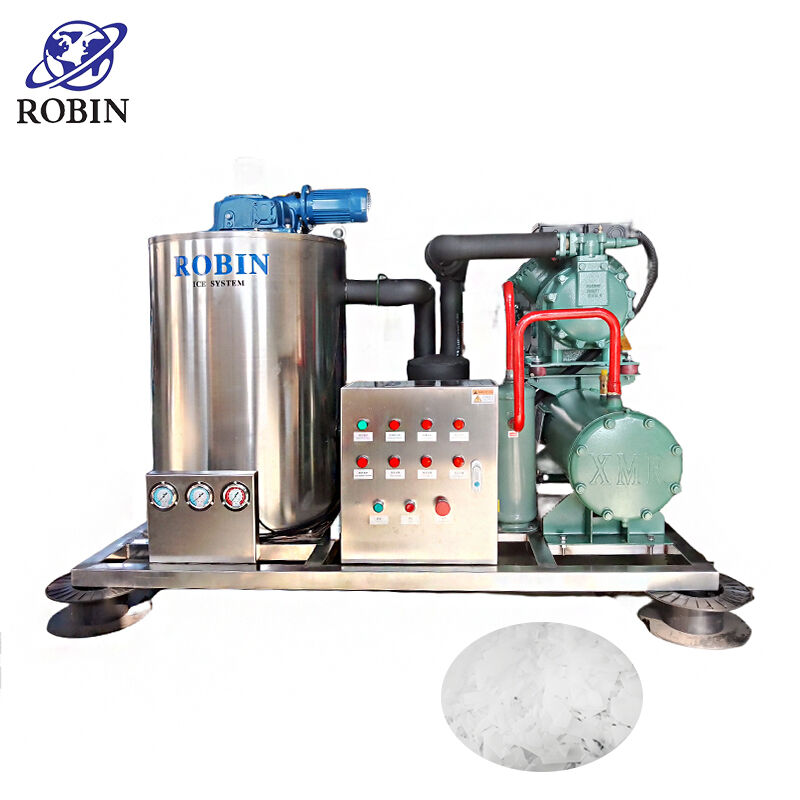
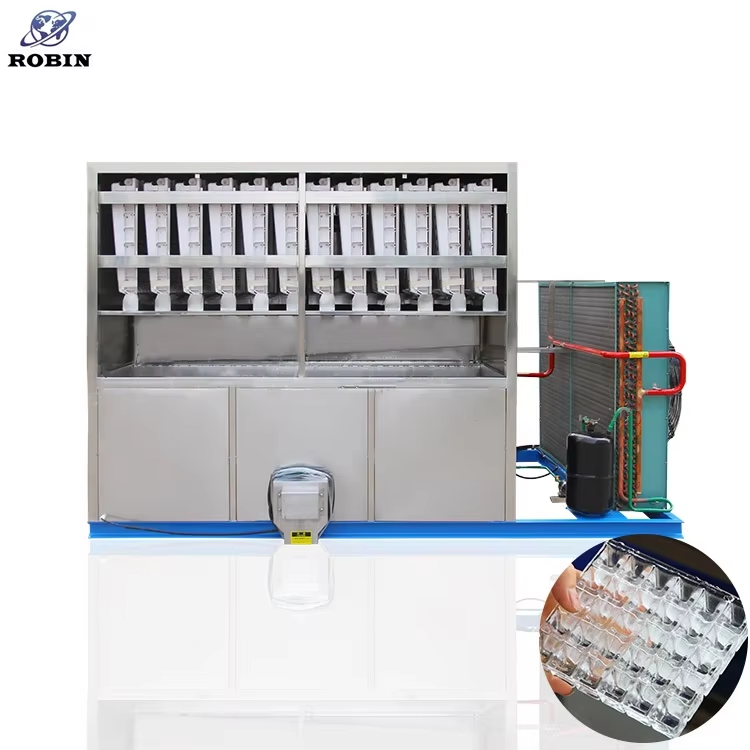
A sea water ice maker represents a specialized refrigeration system designed to produce ice using seawater as the primary water source. This innovative equipment serves critical functions in marine environments, fishing industries, and coastal facilities where freshwater availability is limited or costly. The machine operates by drawing seawater directly from the ocean, processing it through advanced filtration and freezing mechanisms to create usable ice for various commercial and industrial applications. The core technology behind these systems involves robust evaporators constructed from corrosion-resistant materials such as titanium or specialized alloys that withstand the harsh saline environment. The sea water ice maker incorporates multi-stage filtration to remove debris, marine organisms, and suspended particles before the freezing process begins. Modern units feature automated controls that monitor water quality, temperature regulation, and ice production rates to ensure consistent output. The refrigeration cycle utilizes environmentally friendly refrigerants that comply with international maritime standards while maintaining optimal energy efficiency. These machines can produce different ice forms including flake ice, tube ice, or block ice depending on the specific model and intended application. The production capacity ranges from small-scale units generating several hundred kilograms daily to industrial systems capable of producing dozens of tons per day. Installation flexibility allows for both onboard vessel mounting and shore-based facility integration. The sea water ice maker includes safety features such as automatic shutdown mechanisms, pressure relief valves, and corrosion monitoring systems that protect the equipment and ensure operational longevity. Advanced models incorporate remote monitoring capabilities enabling operators to track performance metrics and receive maintenance alerts through digital interfaces. The technology proves particularly valuable in regions where desalination or freshwater transportation costs exceed the investment in specialized ice-making equipment.

New Product Recommendations

The sea water ice maker delivers substantial cost savings by eliminating the need for freshwater supplies in ice production operations. Fishing vessels and coastal processing facilities benefit from direct seawater utilization, reducing operational expenses associated with freshwater procurement, storage, and transportation. This economic advantage becomes particularly significant in remote locations or areas experiencing water scarcity where freshwater commands premium prices. The equipment operates with remarkable energy efficiency through optimized refrigeration cycles and intelligent control systems that adjust power consumption based on ambient conditions and production demands. Users experience lower electricity bills compared to conventional ice makers while maintaining consistent ice output throughout extended operating periods. The corrosion-resistant construction ensures exceptional durability in marine environments where salt exposure typically degrades standard equipment rapidly. Titanium evaporators and specialized coatings extend equipment lifespan significantly, reducing replacement costs and minimizing downtime for repairs. Maintenance requirements remain minimal due to simplified designs that account for harsh operating conditions, with accessible components facilitating quick servicing when needed. The sea water ice maker provides operational flexibility through adjustable production rates that accommodate varying demand levels throughout different seasons or operational cycles. Automated systems reduce labor requirements by managing the entire ice production process with minimal human intervention, freeing personnel for other critical tasks. The ice produced maintains excellent quality for food preservation, with rapid freezing capabilities that protect seafood freshness and extend shelf life during storage and transportation. Environmental benefits include reduced carbon footprint from eliminated freshwater transportation and lower energy consumption compared to alternative cooling methods. The equipment supports sustainable fishing practices by enabling immediate catch preservation, reducing spoilage rates and improving product quality for market delivery. Installation versatility allows integration into existing facilities without extensive infrastructure modifications, minimizing capital expenditure for facility upgrades. The sea water ice maker operates reliably in challenging conditions including rough seas, temperature extremes, and continuous duty cycles that would compromise lesser equipment. Modern units feature quiet operation that reduces noise pollution in working environments, improving crew comfort on vessels and workplace conditions in processing facilities. The technology scales effectively from small fishing boats to large industrial complexes, providing appropriate solutions across diverse operational requirements. Rapid ice production capabilities ensure adequate supply during peak demand periods, preventing operational bottlenecks that could compromise catch quality or processing schedules. The equipment contributes to improved food safety standards by providing consistent cooling capacity that maintains proper temperature control throughout the cold chain.

Latest News

Why Do Food Factories Choose Ice Tube Machine for Continuous Ice Supply?

01

May

Why Do Food Factories Choose Ice Tube Machine for Continuous Ice Supply?

In food processing and manufacturing environments, maintaining a reliable and uninterrupted supply of ice is not a luxury — it is an operational necessity. From chilling fresh produce to controlling temperatures during meat processing, the dema...
View More
Is Tube Ice Maker Machine Suitable for High-Capacity Ice Manufacturing?

08

May

Is Tube Ice Maker Machine Suitable for High-Capacity Ice Manufacturing?

When industrial buyers and plant managers evaluate large-scale ice production systems, one question consistently surfaces: is a tube ice maker machine genuinely capable of meeting high-capacity manufacturing demands? The answer is not simply yes or n...
View More
How Is Ice Tube Machine Used in Commercial Beverage and Food Industries?

06

May

How Is Ice Tube Machine Used in Commercial Beverage and Food Industries?

The ice tube machine has become an essential piece of equipment across a wide range of commercial operations, from busy restaurant kitchens to large-scale food processing facilities. Its ability to produce cylindrical ice in consistent shapes and siz...
View More
Why Do Fisheries Invest in Flake Ice Machine for Fish Preservation Systems?

23

May

Why Do Fisheries Invest in Flake Ice Machine for Fish Preservation Systems?

In the commercial fishing and seafood processing industry, the quality of the catch at the point of sale is directly tied to how well it was preserved from the moment it left the water. Temperature control is not a secondary concern — it is the...
View More

Get a Free Quote

Our representative will contact you soon.
Email
Name
Company Name
Message
0/1000

sea water ice maker

Advanced Corrosion-Resistant Technology for Extended Marine Service

Advanced Corrosion-Resistant Technology for Extended Marine Service

The sea water ice maker incorporates cutting-edge materials engineering specifically developed to withstand the aggressive corrosive properties of seawater environments. Traditional ice-making equipment fails rapidly when exposed to salt water due to electrochemical reactions that degrade standard metals and components. This specialized equipment addresses these challenges through strategic material selection and protective coating applications that ensure decades of reliable service in harsh marine conditions. The evaporator cores utilize titanium alloys or specialized stainless steel grades that demonstrate exceptional resistance to chloride-induced corrosion, pitting, and stress cracking. These materials maintain structural integrity and heat transfer efficiency even after years of continuous seawater exposure, unlike conventional copper or aluminum components that deteriorate within months. The refrigeration circuit employs marine-grade fittings, valves, and connections manufactured from corrosion-resistant alloys that prevent leaks and maintain system pressure throughout the equipment lifespan. Protective coatings applied to external surfaces and internal components create additional barriers against salt spray, humidity, and direct water contact. The sea water ice maker design incorporates sacrificial anodes and cathodic protection systems that further extend component longevity by redirecting corrosive electrochemical activity away from critical parts. Engineering teams conduct extensive salt spray testing and accelerated corrosion trials during development to validate material performance under extreme conditions exceeding typical operational environments. The robust construction translates directly into lower total cost of ownership through reduced maintenance expenses, fewer component replacements, and extended intervals between major overhauls. Operators benefit from predictable maintenance schedules rather than unexpected failures that disrupt operations and compromise catch preservation. The corrosion resistance extends beyond primary components to include fasteners, brackets, control panels, and electrical connections that often become failure points in marine equipment. This comprehensive approach to material selection ensures every element of the sea water ice maker maintains functionality throughout its design life. The technology proves particularly valuable for vessels operating in tropical waters where elevated temperatures accelerate corrosion rates, or in polar regions where ice formation and thermal cycling create additional mechanical stresses. Facility managers appreciate the reduced inventory requirements for spare parts and the simplified maintenance procedures that result from durable component design. The investment in premium materials pays dividends through uninterrupted ice production capability that supports continuous fishing operations and processing activities without weather-related or maintenance-induced delays.
Intelligent Automation Systems for Optimized Ice Production Efficiency

Intelligent Automation Systems for Optimized Ice Production Efficiency

Modern sea water ice maker units feature sophisticated automation technology that revolutionizes ice production management through intelligent monitoring, adaptive control, and predictive maintenance capabilities. The integrated control systems continuously analyze multiple operational parameters including water temperature, ambient conditions, refrigerant pressures, and ice thickness to optimize production efficiency automatically. Advanced sensors throughout the equipment provide real-time data streams that feed into microprocessor-based controllers executing complex algorithms designed to maximize output while minimizing energy consumption. The automation eliminates manual adjustments traditionally required to maintain consistent ice quality as environmental conditions fluctuate throughout daily and seasonal cycles. Operators simply set desired production targets and ice specifications, allowing the system to manage all aspects of the freezing process independently. The sea water ice maker adjusts compressor speeds, water flow rates, and harvest cycles dynamically in response to changing conditions, ensuring optimal performance regardless of external variables. Touch-screen interfaces provide intuitive access to operational data, production statistics, and system diagnostics without requiring specialized technical knowledge. Remote monitoring capabilities enable shore-based management teams to track vessel-mounted equipment performance, identify potential issues before they cause failures, and schedule maintenance during convenient operational windows. The automation systems incorporate predictive maintenance algorithms that analyze equipment behavior patterns to forecast component wear and recommend service interventions before breakdowns occur. This proactive approach prevents unexpected downtime that could jeopardize catch preservation or disrupt processing schedules. Alarm systems alert operators to abnormal conditions such as water quality issues, refrigerant leaks, or mechanical problems, enabling rapid response that minimizes production interruptions. The intelligent controls optimize defrost cycles to maintain maximum ice production capacity while preventing excessive ice buildup that reduces efficiency. Energy management features adjust power consumption based on electricity costs, production priorities, and available power capacity, particularly valuable for vessels with limited generator capacity. The sea water ice maker automation integrates seamlessly with vessel management systems or facility SCADA networks, providing centralized monitoring across multiple ice production units. Data logging capabilities create comprehensive operational records useful for regulatory compliance, performance analysis, and operational planning. The systems support multiple user access levels with customizable permissions that protect critical settings while allowing operators appropriate control over daily functions. Automated cleaning cycles maintain heat exchanger efficiency and prevent biological growth that could compromise ice quality or system performance. The technology reduces training requirements for new operators through simplified interfaces and automated processes that minimize opportunities for operational errors.
Versatile Ice Production Capabilities for Diverse Application Requirements

Versatile Ice Production Capabilities for Diverse Application Requirements

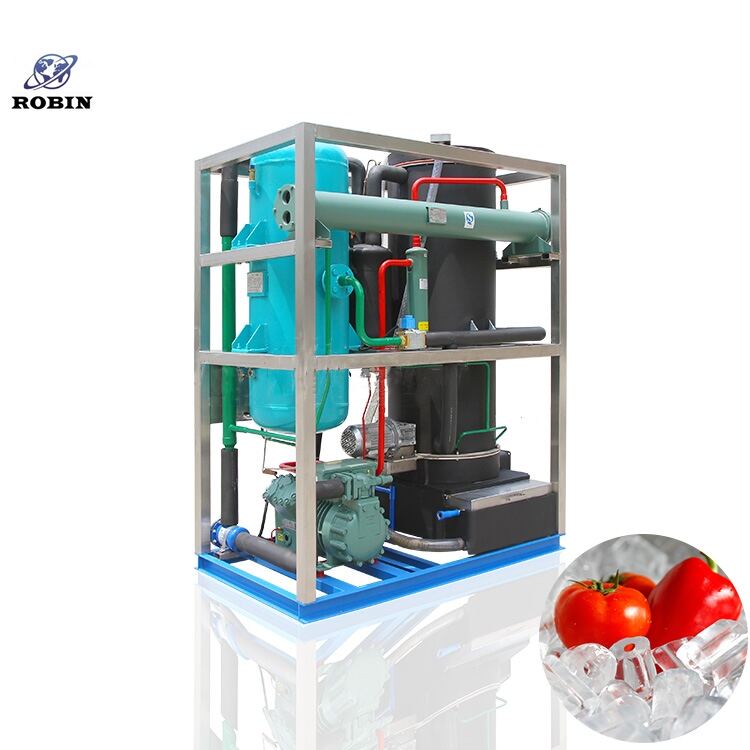
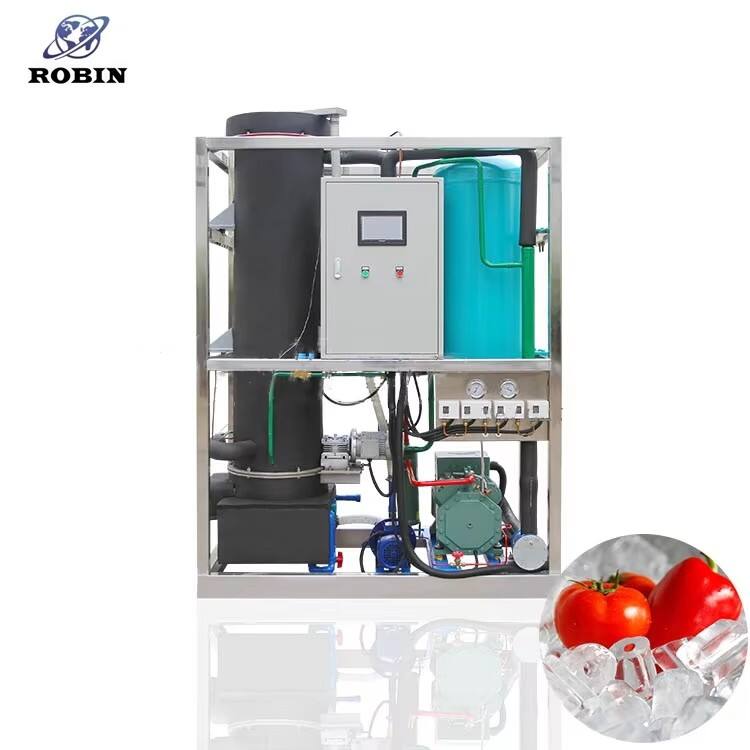
The sea water ice maker delivers exceptional flexibility through configurable ice production modes that accommodate varied operational needs across fishing, aquaculture, food processing, and industrial cooling applications. Different industries and specific use cases require distinct ice characteristics regarding crystal size, temperature, dryness, and production rate, and modern equipment addresses these diverse requirements through adaptable manufacturing processes. Flake ice production mode generates thin, subcooled ice crystals ideal for rapid cooling of fish catches, providing maximum surface contact that extracts heat quickly while minimizing physical damage to delicate seafood products. The flake configuration proves particularly effective for display applications where the ice conforms to product shapes and creates attractive presentations in retail environments. Tube ice production delivers cylindrical ice pieces with hollow cores that offer excellent storage characteristics and slow melting rates, preferred for beverage cooling and applications requiring extended ice longevity. Block ice manufacturing capability supports traditional preservation methods still prevalent in many fishing communities and developing regions, producing large solid ice masses that fishermen subdivide according to specific needs. The sea water ice maker adjusts production parameters to control ice temperature, achieving subcooling levels that enhance preservation effectiveness for highly perishable products. Operators select ice dryness levels appropriate for their applications, with drier ice preferred for storage and transportation while wetter ice provides superior initial cooling performance. Production capacity scaling allows the same equipment platform to serve small fishing vessels requiring several hundred kilograms daily or large processing facilities demanding continuous multi-ton output. Modular designs enable capacity expansion through parallel unit installation without replacing existing equipment, protecting initial investments while accommodating business growth. The versatility extends to installation configurations, with compact units designed for space-constrained vessel engine rooms and larger systems optimized for shore-based facility integration. Mobile mounting options facilitate equipment relocation between seasonal facilities or temporary processing sites, maximizing asset utilization throughout annual operational cycles. The sea water ice maker operates effectively across wide ambient temperature ranges, maintaining production capacity in tropical heat or polar cold that would compromise conventional equipment performance. Variable voltage and frequency compatibility ensures reliable operation with diverse power sources including ship generators, shore power connections, and renewable energy systems. Quick-change production modes allow operators to switch between ice types based on daily requirements without extensive reconfiguration or downtime. The equipment accommodates varying seawater quality conditions through adjustable filtration and treatment processes that maintain ice purity regardless of source water characteristics. This adaptability proves essential for vessels operating across different oceanic regions with varying salinity, temperature, and biological content. The production flexibility supports diverse business models from dedicated fishing operations to multi-purpose facilities serving aquaculture, research, and commercial processing activities simultaneously.


Get a Free Quote

Our representative will contact you soon.
Email
Name
Company Name
Message
0/1000