30 ton tube ice machine
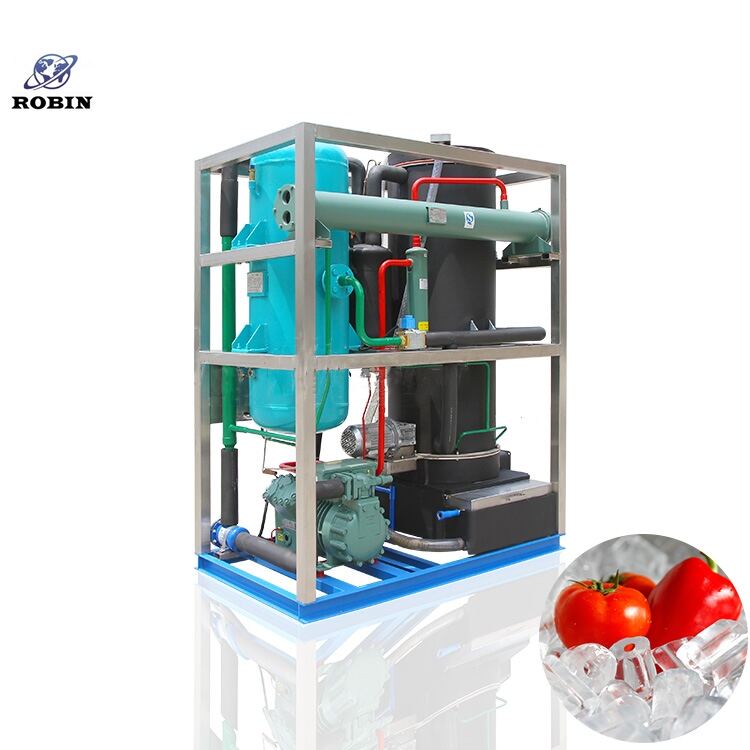
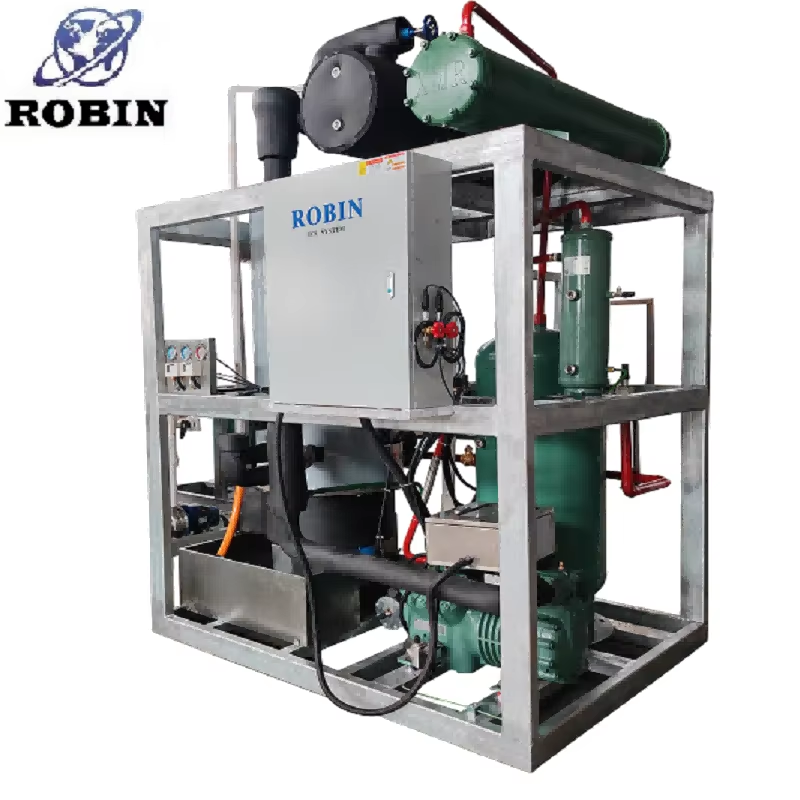
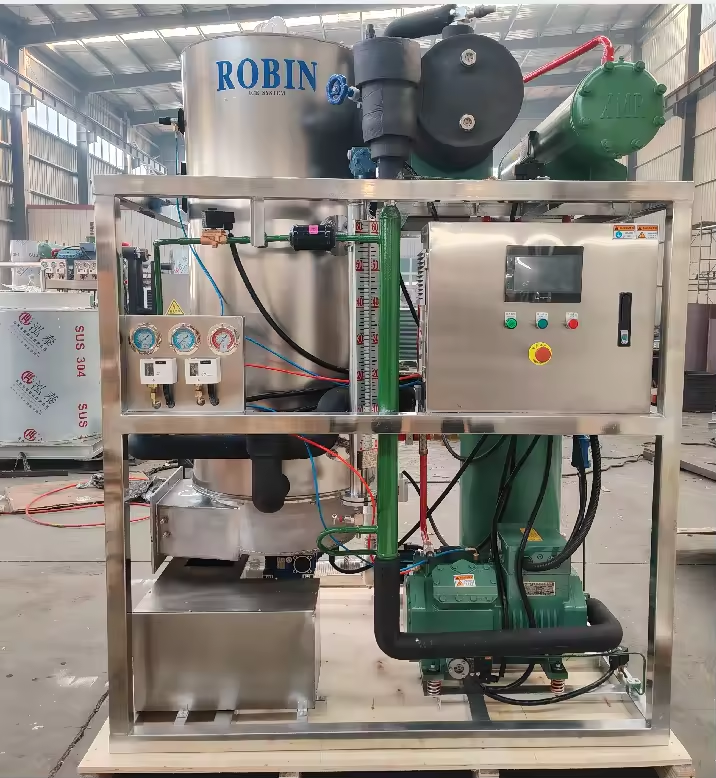
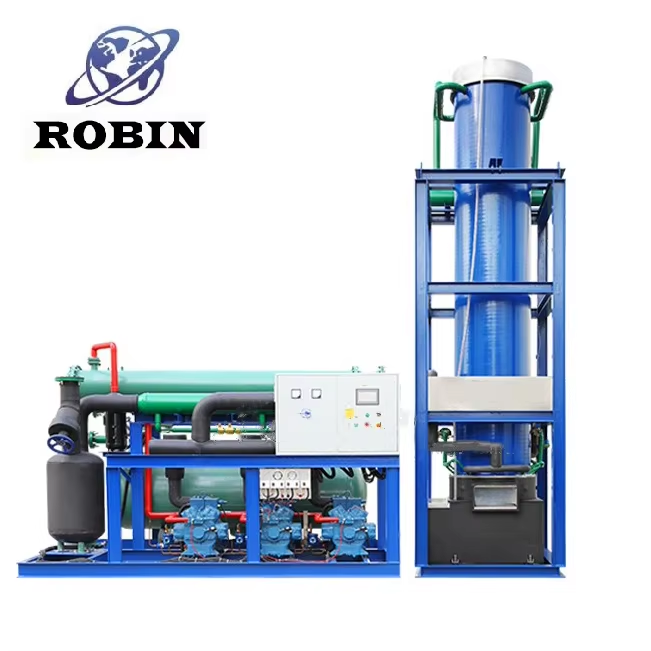
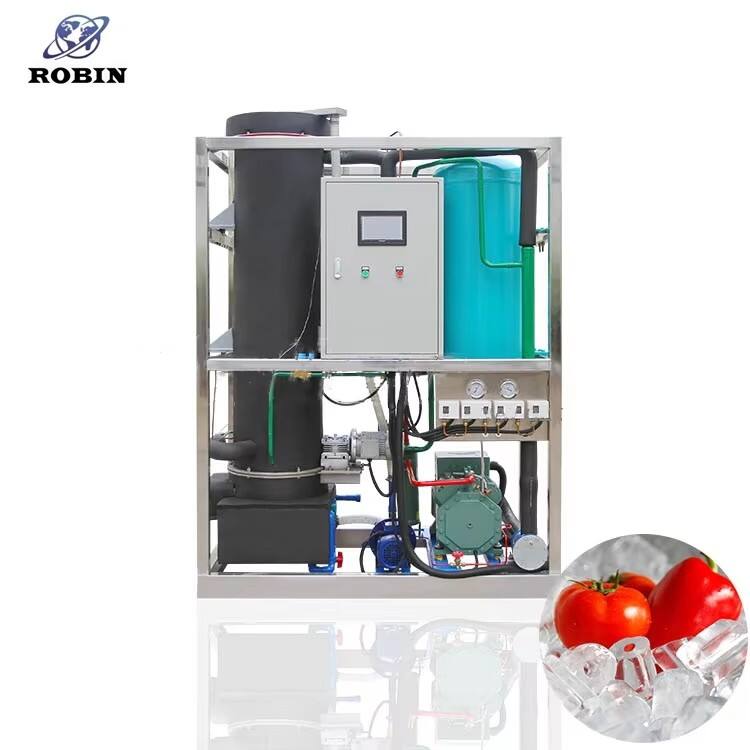
A 30 ton tube ice machine represents a significant investment in commercial ice production technology, designed to meet the demanding requirements of industries that rely on consistent, high-quality ice supply. This industrial-grade equipment produces cylindrical ice tubes with hollow centers, delivering approximately 30 tons of ice within a 24-hour operational cycle. The tube ice format offers distinct advantages over other ice types, including slower melting rates and efficient cooling properties that make it ideal for food preservation, concrete cooling, and beverage applications. The machine operates through a sophisticated refrigeration system that circulates refrigerant through evaporator tubes, where water freezes from the outside inward, creating the characteristic tubular shape. Modern 30 ton tube ice machine units incorporate advanced control systems that monitor production cycles, maintain optimal temperatures, and ensure consistent ice quality throughout continuous operation. The production capacity of 30 tons daily positions this equipment as a mid-to-large scale solution, suitable for fishing industries, food processing facilities, supermarket chains, and chemical cooling applications. These machines typically feature stainless steel construction for durability and hygiene compliance, with corrosion-resistant components that withstand harsh operating environments. The ice tubes produced generally measure between 29mm to 35mm in diameter with lengths ranging from 35mm to 45mm, though specifications can be customized based on specific application requirements. Energy efficiency has become a critical consideration in modern 30 ton tube ice machine design, with manufacturers implementing heat recovery systems, variable speed compressors, and intelligent defrost cycles to minimize power consumption while maximizing output. The automated operation reduces labor requirements, as the machine handles the entire production process from water intake through ice harvesting and storage, requiring minimal human intervention beyond routine maintenance and monitoring.

 EN