
 EN



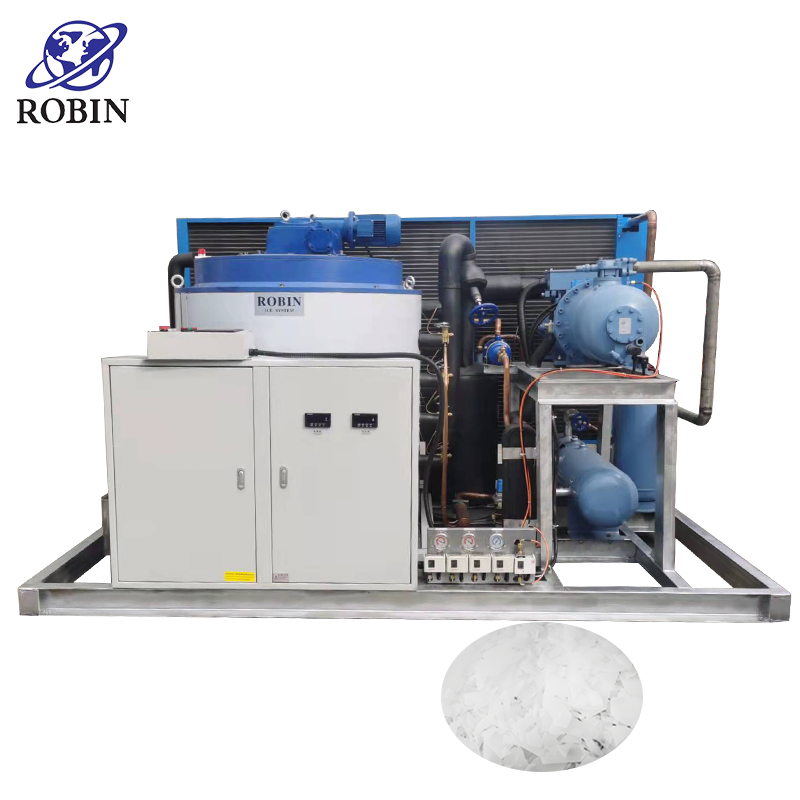
When it comes to preserving the quality of fish and seafood, temperature control is everything. A flake ice maker has become one of the most widely adopted cooling solutions across commercial fisheries, fish processing plants, and aquaculture operations worldwide. Its ability to produce thin, flat ice flakes that conform closely to irregular surfaces makes it uniquely suited to the biological and logistical demands of handling live or freshly harvested aquatic products.
The short answer to whether a flake ice maker is suitable for fisheries and aquaculture applications is a clear yes — but understanding why requires a closer look at how flake ice behaves, what aquaculture environments demand, and where this technology delivers its greatest advantages. This article examines the practical fit between flake ice maker technology and the specific requirements of fish farming, seafood processing, and live aquatic product handling.
Understanding Flake Ice and Its Physical Properties
What Makes Flake Ice Different from Other Ice Types
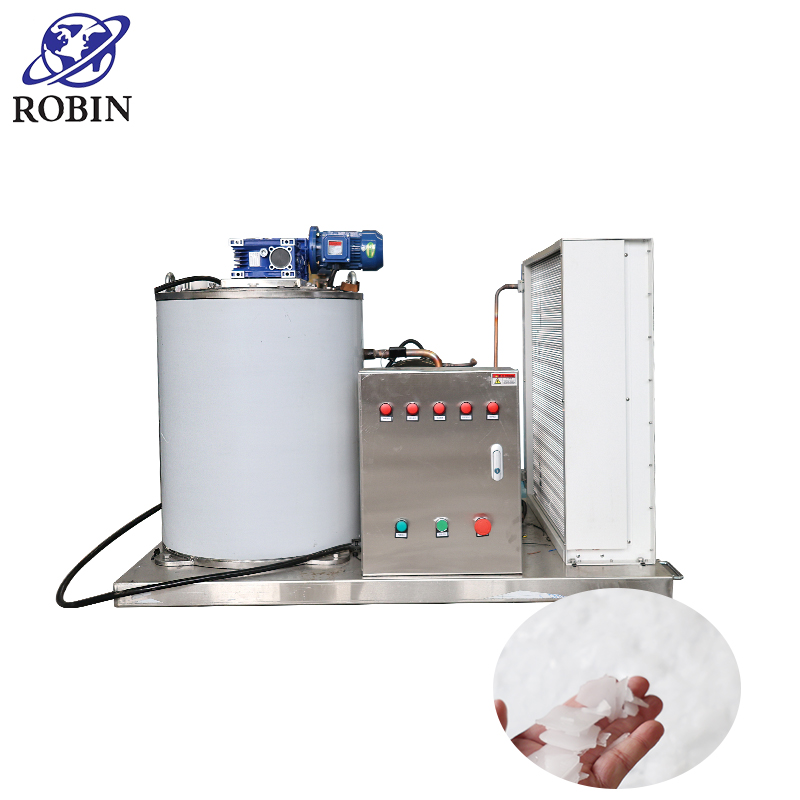
A flake ice maker produces ice in thin, flat pieces typically between 1.5 mm and 2.5 mm thick. Unlike block ice or cube ice, flake ice has a large surface area relative to its volume, which allows it to transfer cold energy rapidly and evenly across whatever it contacts. This physical characteristic is not incidental — it is the core reason flake ice performs so well in biological preservation contexts.
Flake ice also has a slightly lower temperature than many other ice forms, typically around -5°C to -8°C at the point of production. This sub-zero temperature helps it absorb heat quickly from warm fish tissue without causing the surface freezing or mechanical damage that harder ice types can inflict. The semi-dry texture of flake ice means it does not clump easily, allowing it to flow around and between fish bodies with minimal manual effort.
In practical terms, this means a flake ice maker can supply ice that molds itself to the contours of fish, shellfish, and other aquatic products, creating a consistent cooling envelope that block or tube ice simply cannot replicate. For operations where product quality directly determines market value, this distinction matters enormously.
How Flake Ice Interacts with Aquatic Products
Fish and seafood are among the most perishable food products in existence. Bacterial growth accelerates rapidly above 4°C, and enzymatic degradation begins almost immediately after harvest. A flake ice maker addresses this challenge by providing ice that achieves intimate contact with product surfaces, minimizing the air gaps that allow warm spots to develop.
The gentle, non-abrasive nature of flake ice is particularly important for delicate species such as shrimp, crab, and soft-fleshed fish. Harder ice forms can bruise flesh, damage scales, or break appendages, all of which reduce the commercial grade of the product. Flake ice, by contrast, cushions as it cools, preserving both the thermal and physical integrity of the catch.
For aquaculture operations that transport live fish or juvenile stock, the flake ice maker also plays a role in managing water temperature during transit. Controlled amounts of flake ice can be introduced to transport water to slow metabolism and reduce oxygen demand, extending the viability window for live product delivery.
Suitability of Flake Ice Maker in Commercial Fisheries
On-Board Fishing Vessel Applications
One of the most demanding environments for any ice system is an offshore fishing vessel. Space is limited, power supply may be variable, and the ice must perform reliably across extended voyages. A flake ice maker designed for marine use — particularly one capable of operating with seawater — is well matched to these conditions. Seawater flake ice machines can draw directly from the ocean, reducing the need to carry large volumes of freshwater, which is a significant operational advantage on long-haul fishing trips.
On board, flake ice is used to pack fish immediately after catch, slowing spoilage before the vessel returns to port. The ability of a flake ice maker to produce ice continuously and on demand means that ice supply keeps pace with catch volume, rather than requiring pre-loaded block ice that may run short during a productive fishing period. This continuous production capability is a key operational benefit in high-volume commercial fishing.
The compact footprint of modern flake ice maker units also suits vessel installation, where every square meter of deck and hold space has competing uses. Modular designs allow capacity to be scaled to vessel size, from small coastal boats to large deep-sea trawlers.
Shore-Based Fish Processing and Cold Chain Management
At shore-based processing facilities, the flake ice maker serves multiple functions simultaneously. Ice is needed at the unloading dock to receive incoming catch, in the processing hall to maintain product temperature during filleting and sorting, and in the packing area to prepare finished product for cold chain distribution. A centralized flake ice maker with sufficient capacity can supply all these points from a single system.
Processing speed is a critical variable in seafood quality. The faster fish can be cooled after landing, the longer their shelf life and the higher their market grade. A high-output flake ice maker ensures that ice is never the bottleneck in the processing workflow, allowing facilities to handle peak landing volumes without compromising product quality.
In export-oriented operations, where product must meet strict international food safety standards, the consistent and hygienic ice supply from a well-maintained flake ice maker is also a compliance asset. Flake ice produced from potable or treated water meets food-grade requirements and supports HACCP-compliant cold chain documentation.
Flake Ice Maker in Aquaculture Farm Environments
Temperature Management During Harvest and Sorting
Aquaculture farms face a distinct set of challenges compared to wild-capture fisheries. Harvest events are planned and concentrated, meaning large volumes of product must be processed within a short window. A flake ice maker with adequate production capacity allows farm operators to chill harvested fish or shrimp rapidly, reducing the time between pond or tank and cold storage.
During sorting and grading operations, product is handled repeatedly and exposed to ambient temperatures. Layering flake ice between product batches during this stage maintains the cold chain without interrupting workflow. The flowable nature of flake ice makes it easy to apply manually or through automated ice distribution systems, both of which are common in modern aquaculture processing lines.
For species with high sensitivity to temperature fluctuation — such as certain freshwater fish and premium marine species — the precision cooling that a flake ice maker enables can directly translate into higher first-grade yield at market, which has a measurable impact on farm revenue.
Live Transport and Hatchery Support
Beyond harvest, aquaculture operations also require temperature management during the transport of live broodstock, juvenile fish, and shellfish seed. A flake ice maker supports this by providing ice that can be used to cool transport water gradually and safely. The thin profile of flake ice allows it to dissolve at a controlled rate, giving operators fine-grained control over water temperature during transit.
In hatchery environments, where water temperature directly affects spawning cycles, larval development, and disease resistance, the ability to introduce precise amounts of cooling via a flake ice maker gives farm managers an additional tool for environmental control. While dedicated chillers handle baseline temperature management, flake ice can serve as a rapid-response supplement during heat events or equipment downtime.
The versatility of the flake ice maker across both harvest and pre-harvest stages of aquaculture makes it a genuinely multi-purpose asset on a modern fish farm, rather than a single-use piece of equipment.
Key Considerations When Selecting a Flake Ice Maker for Fisheries Use
Freshwater vs. Seawater Ice Production
One of the first decisions when specifying a flake ice maker for fisheries or aquaculture use is whether the unit should produce freshwater or seawater ice. Seawater flake ice has a slightly lower freezing point and higher salinity, which can be advantageous for marine species preservation but may not be appropriate for freshwater aquaculture products. Understanding the species being handled and the end market requirements will guide this choice.
Seawater flake ice makers are specifically engineered with corrosion-resistant materials — typically stainless steel evaporator drums and salt-tolerant refrigeration components — to withstand the aggressive nature of saltwater. Operators should verify that any flake ice maker intended for seawater use carries appropriate material certifications and has a documented service history in marine environments.
For inland aquaculture farms using freshwater species, a standard freshwater flake ice maker is typically sufficient and offers a wider range of equipment options and lower maintenance complexity. The key is matching the ice type to the product and the operating environment rather than defaulting to one configuration without evaluation.
Capacity Planning and Operational Continuity
Sizing a flake ice maker correctly for a fisheries or aquaculture operation requires an honest assessment of peak demand, not just average demand. Ice consumption spikes during harvest, during hot weather, and during high-volume landing periods. A unit sized only for average conditions will create bottlenecks precisely when reliable ice supply matters most.
Most flake ice maker manufacturers provide capacity ratings in tons per 24 hours. Operators should calculate their peak daily ice requirement based on product volume, ambient temperature, and the number of processing stages requiring ice, then add a buffer of at least 20% to account for variability. Pairing the flake ice maker with adequate insulated storage capacity ensures that ice produced during off-peak hours is available when demand surges.
Operational continuity is also a factor. In remote fishing locations or island-based aquaculture farms, equipment downtime can have serious consequences for product quality and financial loss. Selecting a flake ice maker with a proven reliability record, accessible spare parts, and straightforward maintenance requirements reduces this risk significantly.
FAQ
Can a flake ice maker use seawater directly for ice production?
Yes, certain flake ice maker models are specifically designed to operate with seawater as the input source. These units use corrosion-resistant materials and adapted refrigeration systems to handle the salinity and mineral content of seawater. They are widely used on fishing vessels and coastal processing facilities where freshwater supply is limited or costly.
How much ice does a typical aquaculture operation need per day?
Ice requirements vary significantly depending on species, ambient temperature, processing volume, and cold chain length. As a general guideline, fish processing operations typically use between 0.5 and 1 kg of ice per kilogram of product processed. A flake ice maker should be sized to meet peak daily demand with a safety margin, and paired with insulated storage to buffer supply against demand fluctuations.
Is flake ice safe for direct contact with food-grade seafood products?
Yes, provided the flake ice maker uses potable or food-grade water and the equipment is maintained to hygienic standards. Ice produced for direct food contact must meet local food safety regulations, which typically require clean water input, regular sanitation of the ice-making components, and proper storage in food-grade containers. Seawater ice used for marine species preservation is also considered safe when produced from clean, uncontaminated seawater sources.
What maintenance does a flake ice maker require in a fisheries environment?
A flake ice maker in a fisheries or aquaculture setting requires regular cleaning of the evaporator drum, water distribution system, and ice storage bin to prevent bacterial buildup and scale accumulation. In seawater applications, more frequent inspection of corrosion-prone components is advisable. Refrigerant levels, compressor performance, and water filtration systems should be checked on a scheduled basis. Following the manufacturer's maintenance schedule is the most reliable way to ensure consistent ice quality and equipment longevity.