
 EN



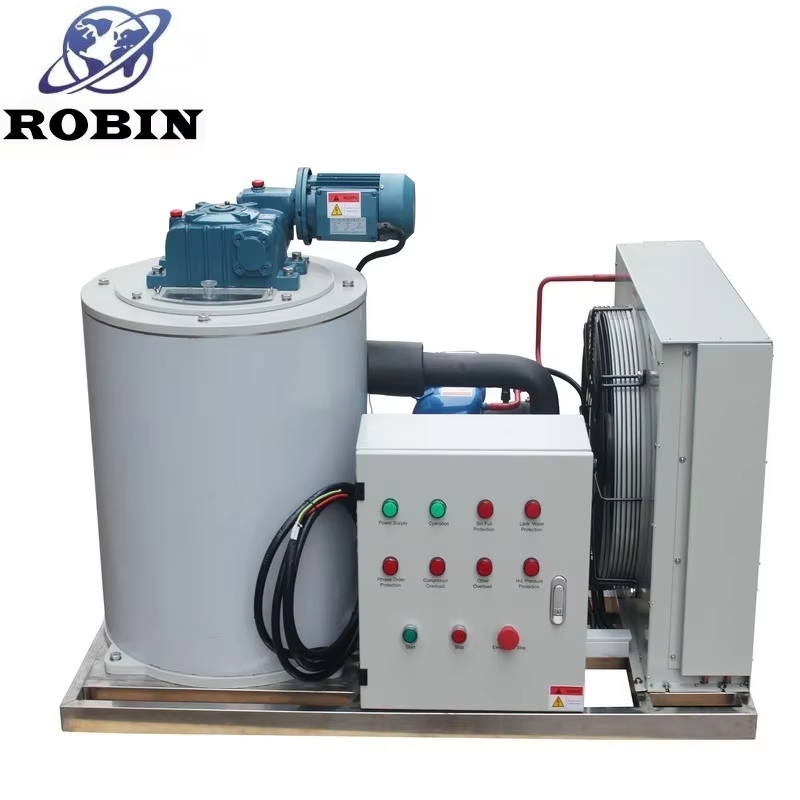
Cold chain transportation represents one of the most critical operational challenges in modern logistics, particularly for industries managing perishable goods, pharmaceuticals, and temperature-sensitive products. The effectiveness of any cold chain system depends fundamentally on the quality and consistency of refrigeration technology deployed at every stage. A flake ice maker has emerged as an indispensable tool for maintaining optimal temperatures during transport, storage, and product handling. Unlike traditional ice forms, flake ice produced by a flake ice maker offers superior cooling efficiency, faster temperature stabilization, and better product contact, making it the preferred choice for professional cold chain operations worldwide.
The role of a flake ice maker in cold chain transportation extends beyond simple temperature reduction. Modern flake ice makers generate thin, interconnected ice particles that conform precisely to product surfaces, ensuring uniform cooling without the damage risk associated with block or cubed ice. This characteristic proves especially valuable when transporting delicate items such as fresh seafood, fruits, vegetables, and biological samples. The operational efficiency gains from deploying a flake ice maker directly translate to reduced product loss, extended shelf life, improved regulatory compliance, and enhanced customer satisfaction across the cold chain logistics network.
How Flake Ice Makers Enhance Temperature Control
Superior Heat Transfer Characteristics
The physical properties of ice produced by a flake ice maker create exceptional heat transfer performance compared to other ice forms. Flake ice consists of thin, plate-like crystals with high surface area relative to volume, enabling rapid and efficient heat absorption from surrounding products. When a flake ice maker operates within a transport container, the interconnected nature of flake ice particles allows thermal energy to transfer uniformly across the entire product mass. This uniform cooling prevents temperature hotspots that could compromise product integrity during multi-day shipments. A flake ice maker's ability to generate consistently sized particles means operators can predict and control thermal dynamics with precision, reducing temperature fluctuations that contribute to product degradation and waste.
Faster Temperature Stabilization
During the initial phase of cold chain operations, achieving target temperatures quickly determines whether temperature-sensitive goods remain viable throughout the supply chain. A flake ice maker excels at rapid temperature reduction because flake ice particles contact products immediately upon application, beginning heat transfer without delay. Traditional block ice requires extended periods to achieve thermal equilibrium with transported goods, creating vulnerability windows where products experience temperature drift. Conversely, ice generated by a flake ice maker typically stabilizes shipment temperatures within two to four hours, depending on initial conditions and container insulation. This speed advantage proves critical for short-haul operations and time-sensitive shipments where every hour affects final product quality and commercial value.
Operational Benefits of Flake Ice Makers in Logistics
Reduced Product Damage and Waste
Perishable product damage during transport represents one of the highest cost factors in cold chain logistics, often accounting for five to fifteen percent of goods value depending on product type and distance. A flake ice maker significantly mitigates this damage by providing gentle cooling that does not crush, bruise, or create ice-burn marks on sensitive items. The soft, conforming nature of flake ice particles protects product surfaces while maintaining the essential cold environment required for preservation. Additionally, the superior moisture management properties of a flake ice maker mean less water accumulation in transport containers, which prevents bacterial growth, eliminates soggy packaging, and maintains product presentation quality. Operators who deploy a flake ice maker consistently report substantially lower claim rates from retailers and end customers due to improved product condition upon delivery.
Operational Flexibility and Scalability
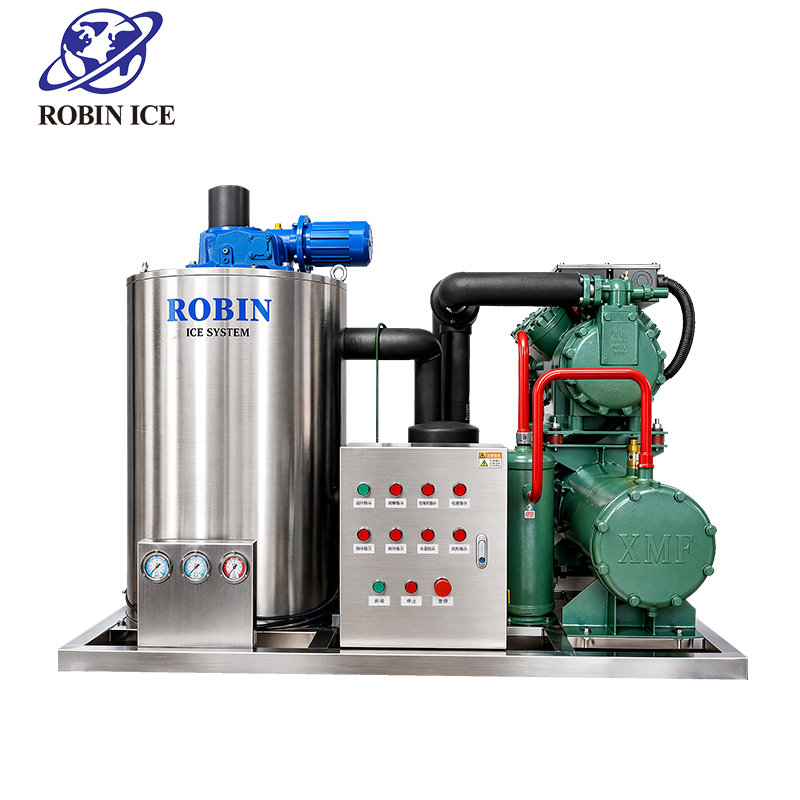
A modern flake ice maker integrates into existing cold chain infrastructure without requiring facility overhauls or major capital investments beyond the unit itself. These systems scale efficiently to match varying transport volumes, enabling logistics operators to adjust ice production based on seasonal demand fluctuations and shipping patterns. Whether supporting daily operations for small regional distributors or continuous production for large multinational logistics networks, a flake ice maker provides consistent output reliability. The maintenance requirements for a flake ice maker remain manageable compared to alternative refrigeration approaches, with straightforward service protocols that most logistics facilities can execute in-house. This combination of flexibility and reliability makes a flake ice maker an attractive addition to cold chain operations seeking to enhance performance without operational disruption.
Regulatory Compliance and Documentation Benefits
Temperature Monitoring and Traceability
Food safety regulations, pharmaceutical industry standards, and international transport requirements increasingly demand documented temperature control throughout the cold chain journey. A flake ice maker contributes to compliance by maintaining precise, verifiable temperature records that demonstrate adherence to regulatory standards. When operators use a flake ice maker as part of a documented cooling protocol, they create an audit trail showing that shipments remained within required temperature ranges. Modern flake ice makers often integrate with monitoring systems that track production batches, ice quality metrics, and deployment records. This traceability proves invaluable during regulatory inspections, customer audits, and liability investigations. Industries managing pharmaceuticals, fresh proteins, and specialty foods benefit significantly from the compliance documentation enabled by a flake ice maker.
Industry Standards and Certification
Leading cold chain industries including pharmaceutical distribution, seafood handling, and produce logistics recognize ice produced by a flake ice maker as meeting or exceeding established quality standards. The consistency and purity of ice from a commercial flake ice maker align with FDA, HACCP, and international cold chain certification requirements. Logistics operations utilizing a flake ice maker demonstrate commitment to professional standards and best practices that insurance companies and major retailers increasingly expect. This standardization supports partnerships with premium brands that demand documented cold chain excellence. For operators seeking to access high-value market segments or expand into regulated industries, investing in a dedicated flake ice maker represents a strategic decision that opens new business opportunities while reducing operational and compliance risks.
FAQ
What specific advantages does a flake ice maker offer compared to block ice in cold chain transportation?
A flake ice maker produces thin, interconnected ice particles that conform to product surfaces and provide faster, more uniform cooling than block ice. Flake ice generated by a flake ice maker has higher surface area, transfers heat more rapidly, and eliminates the damage risk from sharp edges or uneven contact. Block ice requires longer to equilibrate thermally with transported goods, creating temperature vulnerabilities. A flake ice maker also produces less excess water as ice melts, reducing contamination risks in transport containers. These advantages combine to make a flake ice maker superior for protecting product quality during multi-day or long-distance cold chain operations.
How often does a flake ice maker require maintenance to ensure reliable cold chain operations?
Most commercial flake ice makers require routine maintenance every three to six months, depending on water quality and usage intensity. Standard maintenance for a flake ice maker includes cleaning internal components, checking refrigeration lines, and inspecting the ice thickness control mechanism. Weekly operational checks should verify that a flake ice maker produces properly sized particles and maintains consistent output. Unlike complex refrigeration systems, a flake ice maker typically requires minimal technical expertise for basic maintenance tasks. Operators should consult manufacturer guidelines specific to their equipment model, as maintenance schedules for a flake ice maker may vary based on local water conditions and production demands.
Can a flake ice maker integrate into existing cold storage and distribution facilities?
Yes, a flake ice maker integrates seamlessly into established cold chain infrastructure without requiring facility renovation or major operational changes. Most modern flake ice maker units require only standard electrical connections, water supply lines, and drainage capability, making installation straightforward in existing warehouses and distribution centers. A flake ice maker can operate alongside existing refrigeration systems, freezers, and cooling equipment. The space footprint for a flake ice maker varies by production capacity but typically ranges from five to twenty square feet. Facilities can install a flake ice maker during normal operations with minimal disruption, and staff training typically requires only a few hours to achieve proficiency.