
 EN



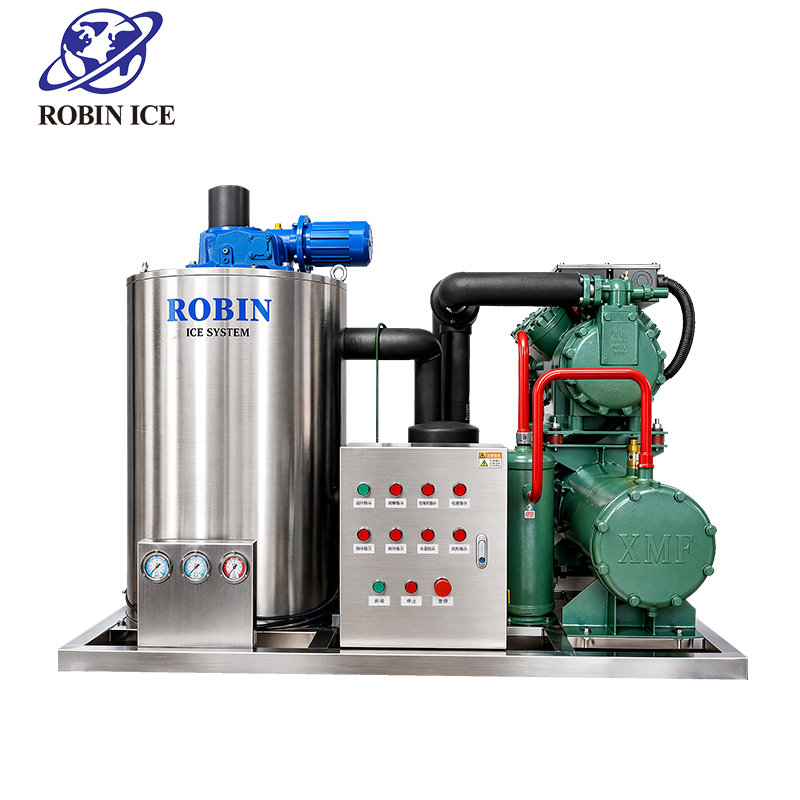
Industrial facilities face constant pressure to maintain optimal cooling performance while managing operational costs and energy consumption. A flake ice maker has emerged as a transformative solution for facilities seeking to improve their cooling capabilities. Unlike traditional cooling methods, a flake ice maker generates finely divided ice particles that maximize surface area contact, delivering superior heat transfer efficiency. This advancement directly addresses the cooling performance challenges that manufacturing plants, food processing facilities, and chemical operations encounter daily. Understanding how a flake ice maker can elevate your facility's cooling performance is essential for making informed infrastructure decisions.
When industrial cooling demands escalate, standard ice production methods often fall short. A flake ice maker addresses this gap by producing consistent, high-volume ice output tailored to intensive cooling applications. The unique structure of flake ice—thin, uniform particles formed through a specialized freezing process—enables rapid temperature reduction across large volumes of liquid. This characteristic makes a flake ice maker particularly valuable in sectors where precise temperature control directly impacts product quality, operational efficiency, and regulatory compliance.
How Flake Ice Maker Technology Enhances Cooling Efficiency
Superior Heat Transfer Mechanics
The fundamental advantage of a flake ice maker lies in its thermodynamic properties. Flake ice particles possess significantly higher surface area compared to block or cube ice, enabling a flake ice maker to facilitate faster heat exchange. When a flake ice maker produces ice for industrial cooling systems, each thin flake makes direct contact with the cooling medium, minimizing thermal resistance. This mechanical advantage translates into faster temperature reduction, lower coolant volumes required, and reduced operational strain on pumping and circulation systems. Industrial facilities using a flake ice maker report cooling cycles that are 20 to 30 percent faster than conventional methods, resulting in measurable improvements to production timelines.
Consistency and Reliability in Cooling Output
A flake ice maker delivers uniform particle size and consistent ice quality batch after batch. This reliability eliminates temperature fluctuations common with variable ice sources or manual cooling interventions. When your facility operates a flake ice maker, you gain predictable cooling performance that integrates seamlessly with automated control systems. Modern flake ice maker units feature precision temperature sensors and output calibration, allowing operators to maintain exact cooling parameters. This consistency is critical in pharmaceutical manufacturing, seafood processing, and chemical production, where temperature deviations can compromise product integrity or violate compliance standards.
Industrial Applications Where Flake Ice Maker Performance Matters
Food Processing and Preservation
Food processing facilities benefit enormously from flake ice maker installation. Seafood and meat processing operations depend on rapid, continuous cooling to maintain product freshness and prevent spoilage. A flake ice maker produces the high-volume output these facilities require while maintaining hygenic standards through automated production cycles. Bakeries, dairy operations, and frozen food manufacturers also leverage flake ice maker technology to achieve precise temperature control during production and storage phases. The efficient cooling provided by a flake ice maker reduces energy costs while extending product shelf life, creating dual operational benefits.
Chemical and Pharmaceutical Manufacturing
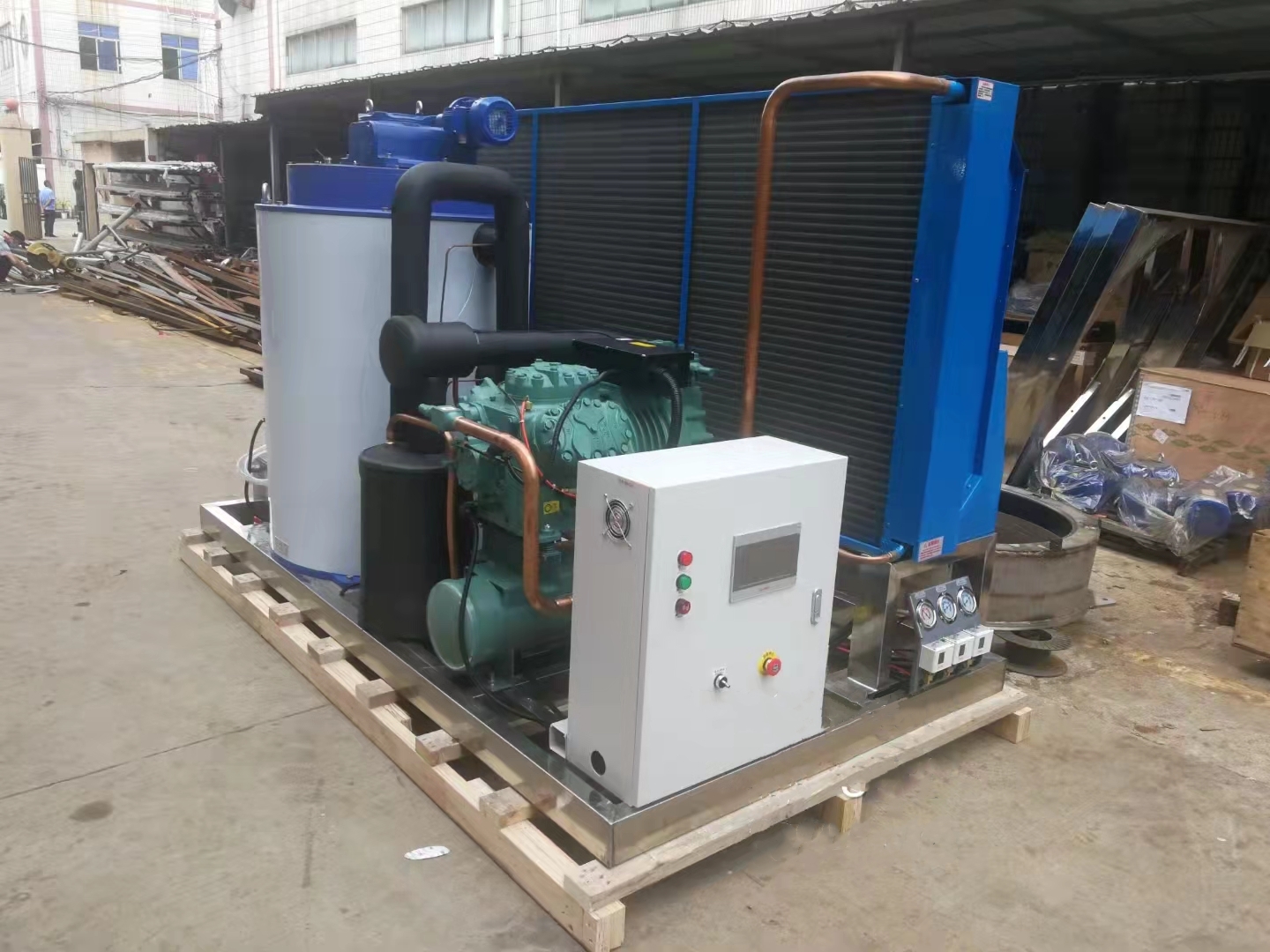
Chemical reactions and pharmaceutical processes often demand strict temperature management throughout production cycles. A flake ice maker provides the stable, consistent cooling necessary for exothermic reactions, synthesis procedures, and temperature-sensitive formulation work. When a flake ice maker operates within these facilities, it prevents temperature excursions that could trigger unwanted side reactions or compromise batch quality. Regulatory compliance in pharmaceutical environments requires documented cooling performance, and a flake ice maker delivers the traceability and consistency that auditors and inspectors demand. The rapid response capabilities of a flake ice maker make it invaluable for emergency cooling situations where minutes determine product viability.
Operational Cost Reduction and Energy Efficiency Benefits
Lower Energy Consumption per Cooling Cycle
Implementing a flake ice maker typically reduces energy expenditure compared to alternative cooling methods. Because a flake ice maker operates with high thermal efficiency, facilities circulate less cooling medium and require fewer pump cycles to achieve target temperatures. This reduction in system runtime directly lowers electricity consumption and associated operational costs. A flake ice maker also minimizes waste heat generation, reducing supplementary cooling demands on facility HVAC systems. When calculating total cost of ownership, a flake ice maker delivers return on investment through sustained energy savings over multiple years of operation.
Reduced Water Usage and Environmental Impact
Water conservation has become critical for industrial operations facing regulatory pressure and supply constraints. A flake ice maker uses water efficiently by converting it directly into cooling medium through automated freezing cycles. Unlike traditional water-based cooling systems that experience evaporative losses and require constant top-up, a flake ice maker maintains a closed-loop environment. This reduction in water consumption supports sustainability goals while lowering municipal water expenses. Facilities operating a flake ice maker demonstrate environmental responsibility and often qualify for efficiency rebates or green certification recognition. The operational transparency of a flake ice maker also enables precise water accounting for regulatory compliance reporting.
Implementation Considerations for Industrial Facilities
Capacity Planning and System Integration
Selecting the right flake ice maker requires careful assessment of facility cooling demands and production schedules. Oversized flake ice maker equipment wastes capital and energy, while undersized units cannot meet peak demand. A comprehensive audit of your current cooling processes informs optimal flake ice maker capacity selection. Integration with existing cooling infrastructure, including circulation pumps, heat exchangers, and temperature control systems, determines installation complexity. Many facilities discover that a flake ice maker operates most effectively when paired with variable-speed pumps and automated process controllers that maximize efficiency across varying production loads. Professional consultation during planning ensures your flake ice maker investment delivers maximum performance and longevity.
Maintenance and Operational Best Practices
Long-term performance of your flake ice maker depends on consistent maintenance protocols and operator training. Regular cleaning prevents mineral accumulation that can degrade a flake ice maker's efficiency and ice quality. Water quality management directly impacts how well a flake ice maker functions, making filtration and mineral content monitoring essential tasks. Modern flake ice maker units feature diagnostics that alert operators to maintenance needs before failures occur. Establishing preventive maintenance schedules and maintaining spare components ensures your flake ice maker operates reliably during critical production periods. Staff training on flake ice maker operation, troubleshooting, and emergency protocols maximizes uptime and prevents costly production interruptions.
FAQ
How much faster does a flake ice maker cool compared to traditional methods?
A flake ice maker typically achieves 20 to 30 percent faster cooling cycles than conventional ice or cooling systems. This acceleration results from the high surface-area-to-volume ratio of flake ice particles, which enables rapid heat transfer. The exact improvement varies based on cooling load, ambient temperature, and system design, but most industrial users report noticeable performance gains immediately after implementation.
What is the typical energy consumption of a flake ice maker in industrial settings?
Energy consumption for a flake ice maker depends on capacity, ambient conditions, and operational hours. Modern flake ice maker units operate with efficiency ratings between 500 and 1200 kilowatt-hours per ton of ice produced, which compares favorably to alternative cooling methods. Facilities calculate payback periods of 2 to 4 years through energy savings alone, with longer operational life extending total return on investment.
Can a flake ice maker integrate with existing industrial cooling systems?
Yes, a flake ice maker can integrate with most existing cooling infrastructure through standard connections and control interfaces. Flake ice maker systems designed for industrial applications include modular components that adapt to different facility layouts and operational requirements. Professional installation services ensure seamless integration and optimal performance coordination with your facility's existing equipment and automation systems.