
 EN


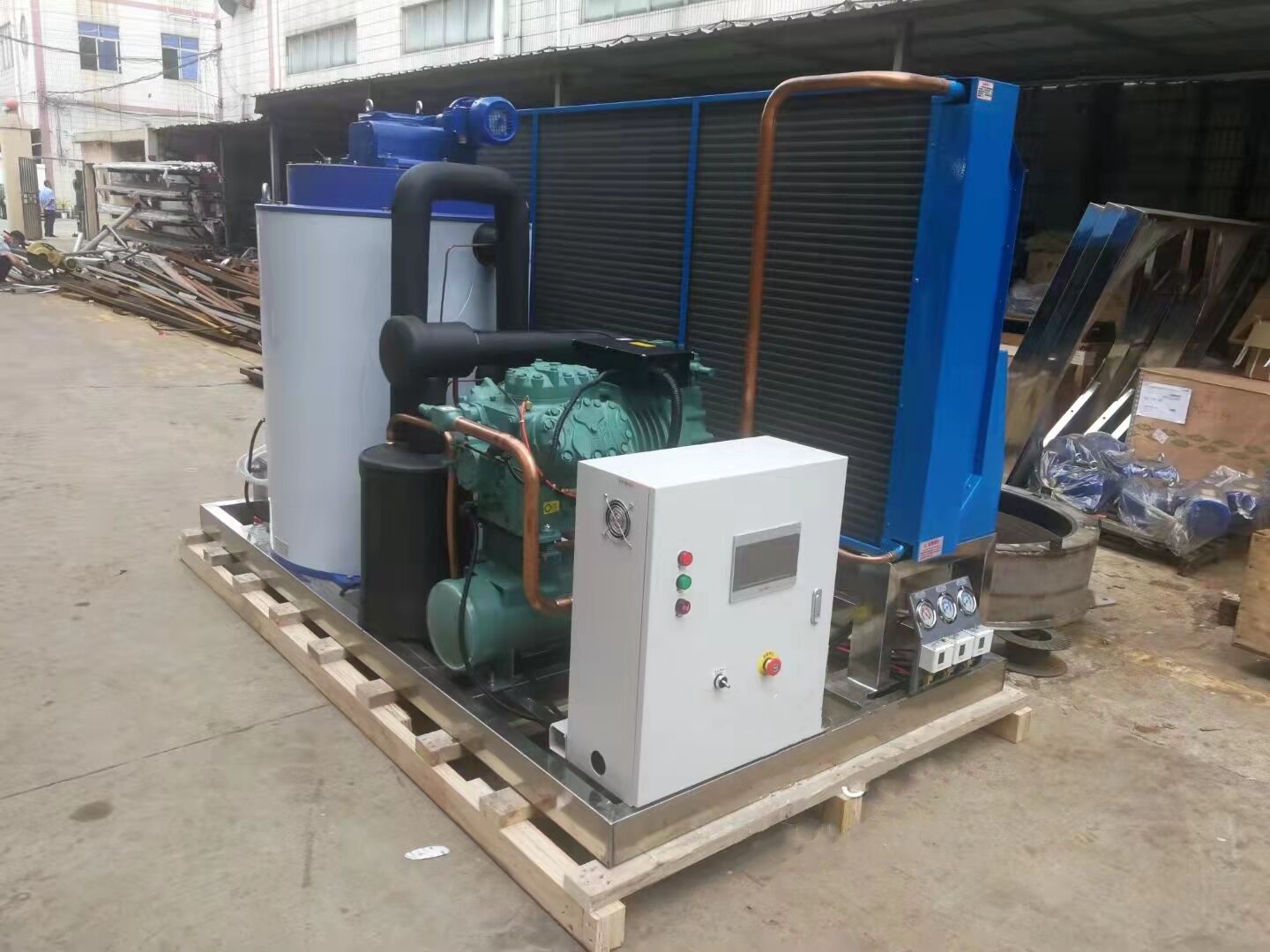
In the world of seafood preservation and industrial food processing, temperature management is not merely a best practice — it is a fundamental requirement for safety, quality, and profitability. A flake ice maker has become one of the most critical pieces of equipment in this landscape, providing the specific form of ice that meets the demanding needs of fish markets, processing plants, supermarkets, and distribution centers. Understanding how a flake ice maker functions within these environments helps operators make informed decisions about their cold chain infrastructure.
Flake ice is characterized by its thin, flat, irregular shape and relatively dry surface, making it distinctly different from cube ice or block ice. When produced by a high-capacity flake ice maker, this form of ice provides maximum surface contact with food products, allowing for rapid, uniform cooling without the bruising or mechanical damage that harder ice forms can cause. Industries that depend on precise temperature control — particularly seafood processing — have adopted the flake ice maker as their standard cooling tool for both operational and regulatory reasons.

The Mechanics Behind a Flake Ice Maker
How Flake Ice Is Formed Inside the Machine
A flake ice maker operates on a continuous cycle that begins with water distribution over the inner surface of a cylindrical evaporator drum. As refrigerant circulates through the evaporator, it absorbs heat and freezes the thin water film into a uniform ice sheet. A rotating scraper blade, mounted inside or outside the drum depending on the design, continuously shaves the ice from the surface and pushes it into a storage bin or conveyor system.
The resulting flakes are typically 2 to 3 millimeters thick and contain very low moisture content — usually around 75 to 80 percent ice purity. This dryness is precisely what makes flake ice so effective in food contact applications. The flake ice maker can operate continuously without interruption, which is essential in high-volume seafood processing environments where ice demand does not pause during a production shift.
Modern industrial flake ice maker systems are engineered for energy efficiency, incorporating variable-speed compressors and smart control systems that adjust output based on real-time demand. These features reduce operational costs while maintaining consistent ice quality throughout the production cycle.
Key Technical Specifications That Matter in Food Processing
When selecting a flake ice maker for seafood or food processing applications, capacity is the first variable to evaluate. Industrial units can range from small 500-kilogram-per-day machines suitable for retail fish counters to large 20-ton-per-day systems designed for offshore fishing vessels or large processing facilities. The right capacity ensures that ice supply never becomes a bottleneck in the production workflow.
The ice temperature produced by a flake ice maker also plays a role in application suitability. Flake ice is typically produced at temperatures between -5°C and -8°C, which allows it to rapidly pull heat from warm fish flesh while remaining gentle on delicate product surfaces. Evaporator material, whether stainless steel or titanium-coated, determines both hygiene compliance and the machine's longevity in high-moisture, high-salinity environments.
Refrigerant type is another technical consideration. Commercial flake ice maker systems may use ammonia (R717), freon-based refrigerants, or newer environmentally compliant options. Each carries different implications for safety protocols, maintenance schedules, and compliance with international environmental regulations.
Seafood Preservation Applications of Flake Ice
Why Seafood Requires Flake Ice Specifically
Seafood products are among the most perishable food items in commerce, with bacterial growth beginning almost immediately after harvest if temperatures are not controlled. A flake ice maker addresses this vulnerability by providing ice that conforms closely to the irregular surfaces of fish, shrimp, crabs, and other marine products. This conforming contact creates a continuous cooling envelope around each product, reducing temperature far more quickly than larger ice formats can achieve.
The gentle, non-damaging nature of flake ice is particularly important for high-value seafood. Whole fish with intact scales, delicate white fish fillets, and shellfish with sensitive exoskeletons all benefit from the cushioning effect that a well-designed flake ice maker provides. Cube ice or block ice, by contrast, can cause physical bruising, broken fins, torn flesh, and cosmetic damage that reduces the market value of premium products significantly.
Regulatory frameworks in many markets — including the EU, the US FDA, and various Asian food safety agencies — require that fresh fish be maintained at temperatures no higher than 0°C to 2°C throughout the cold chain. Flake ice produced by a reliable flake ice maker consistently achieves this requirement without requiring additional refrigeration equipment at the point of display or primary processing.
Onboard Fishing Vessels and Dock-Side Processing
One of the most demanding environments for a flake ice maker is aboard commercial fishing vessels. At sea, the time between catch and processing can extend for hours or even days. Onboard flake ice systems allow crews to immediately bed their catch in ice directly on deck or in insulated fish holds, dramatically extending the viable preservation window and protecting product quality before the vessel returns to port.
Dock-side processing operations rely on large-scale flake ice maker installations to handle the sudden influx of product when vessels unload. In these facilities, ice is consumed in enormous quantities — not only for direct fish coverage but also for icing transport containers, cooling filleting tables, and maintaining temperature in conveyor channels. A high-capacity flake ice maker ensures that the throughput of a busy dock-side operation is never limited by ice availability.
Saltwater-compatible versions of the flake ice maker are also available for marine environments, where seawater is used as the ice-making medium. These machines are particularly valued because seawater ice melts slightly faster than freshwater ice, maintaining a wet, slurry-like consistency around fish that some operators prefer for maximizing surface cooling contact during long voyages.
Role of Flake Ice in Broader Food Processing Operations
Temperature Control During Meat and Poultry Processing
Beyond seafood, a flake ice maker plays a significant role in the processing of meat, poultry, and other protein-intensive food products. During grinding, mixing, and blending operations, friction generates heat that can raise product temperatures above safe thresholds, accelerating bacterial proliferation and degrading textural quality. Adding flake ice directly into mixing equipment is the standard industrial method for absorbing this frictional heat while simultaneously maintaining required processing temperatures.
Sausage production is a particularly well-known application. The emulsification of fat and protein in sausage manufacturing depends on maintaining a precise temperature range during mixing. A flake ice maker provides the finely distributed ice needed to keep the mixture within this range without adding excessive water or uneven cooling. The thin, dry flakes dissolve evenly as they absorb heat, ensuring consistent temperature control throughout the entire batch.
Poultry processing lines use flake ice extensively in chilling tanks and cooling conveyors immediately after slaughter. The rapid reduction of carcass temperature — a process called pre-chilling — is mandatory in many food safety regulations, and the flake ice maker is the most practical means of achieving the required cooling speed at industrial scale.
Bakery, Concrete Cooling, and Other Cross-Industry Applications
A flake ice maker is also widely used outside of traditional seafood and meat processing. In large-scale bakery operations, flake ice is mixed directly into dough to control water temperature and prevent over-fermentation caused by excess heat during mixing. This ensures consistent dough texture and quality batch after batch — a critical requirement in high-volume industrial bakeries.
The pharmaceutical and chemical industries use flake ice from industrial flake ice maker systems to maintain reaction temperatures during sensitive manufacturing processes. Produce distribution centers use it to keep fruits and vegetables fresh during transport. Even the construction sector uses flake ice to cool concrete during hot-weather pours, preventing premature curing. While seafood preservation remains the dominant application, the versatility of the flake ice maker extends its value across a broad range of industries.
In all of these use cases, the defining advantage of the flake ice maker remains consistent: the ability to produce high volumes of thin, conforming, dry ice continuously, efficiently, and in a form that maximizes cooling contact without causing physical damage to sensitive materials.
Operational Considerations for Deploying a Flake Ice Maker
Hygiene, Maintenance, and Food Safety Compliance
Because the ice produced by a flake ice maker comes into direct contact with food products, machine hygiene is a non-negotiable operational priority. Ice-making surfaces, storage bins, and conveyor components must be manufactured from food-grade materials — typically stainless steel — and designed to be easily cleaned and sanitized. Regular cleaning protocols prevent biofilm accumulation and microbial contamination that could compromise food safety certification.
Maintenance schedules for a flake ice maker typically include weekly inspections of scraper blades, monthly checks of refrigerant levels and compressor performance, and periodic deep cleaning of the evaporator drum. Neglecting these tasks can result in reduced ice output, degraded ice quality, and mechanical failures that halt production at the worst possible times. Facilities operating under HACCP, ISO 22000, or similar food safety frameworks are required to document all maintenance activities related to ice-making equipment.
Water quality is another critical factor. Impurities in the water supply can affect ice clarity, taste, and microbial safety. Many commercial flake ice maker installations include pre-filtration systems to remove chlorine, sediment, and biological contaminants from the water supply before it enters the evaporator, ensuring that the resulting ice meets drinking-water safety standards.
Integration Into Cold Chain Logistics and Storage Systems
A flake ice maker does not function in isolation — it must be integrated thoughtfully into the broader cold chain infrastructure of a food processing or distribution operation. Ice storage capacity must be proportional to peak demand, ensuring that the facility can absorb sudden surges in ice consumption without running out during critical production windows. Insulated ice storage silos, auger conveyors, and pneumatic ice transport systems are commonly paired with industrial flake ice makers to automate ice handling from production to point of use.
In seafood export operations, a flake ice maker is often positioned at the beginning of a fully automated packing line. Ice is weighed, dispensed, and layered with product automatically, reducing labor dependency and ensuring consistent icing ratios that comply with export documentation requirements. This level of integration is only possible when the flake ice maker is selected and installed as part of a planned cold chain system rather than added as an afterthought.
For operators considering capacity upgrades, modular flake ice maker configurations allow facilities to scale their ice production in line with growing output demands. Rather than replacing an entire system, additional ice-making modules can be added to existing infrastructure, protecting capital investment while accommodating business growth.
FAQ
What is the main advantage of using a flake ice maker over other types of ice machines in seafood processing?
The primary advantage of a flake ice maker in seafood processing is the combination of high surface contact and physical gentleness. Flake ice conforms to the irregular shapes of fish and shellfish, providing rapid, uniform cooling without causing bruising or mechanical damage. This preserves both food safety and the cosmetic quality of high-value seafood products, which directly impacts market price and buyer satisfaction.
How much ice does a commercial flake ice maker typically produce per day?
Commercial flake ice maker systems are available in a wide range of capacities. Smaller units designed for retail displays or small processing rooms may produce 300 to 500 kilograms per day, while large industrial flake ice maker installations designed for fishing vessels, processing plants, or distribution centers can produce 10 to 30 tons per day or more. Capacity selection should always be based on peak demand scenarios rather than average daily usage.
Can a flake ice maker be used for applications other than seafood?
Yes. While seafood preservation is the most common and well-known application, a flake ice maker is also widely used in meat and poultry processing, bakery dough temperature control, pharmaceutical manufacturing, fresh produce cooling, and even concrete temperature management in construction. The defining characteristic of flake ice — thin, dry, high-surface-area contact — makes it valuable in any application requiring precise, efficient temperature control without physical damage to the product.
What maintenance does a flake ice maker require to stay compliant with food safety standards?
Maintaining a flake ice maker in food safety compliance involves regular cleaning and sanitization of all food-contact surfaces, periodic inspection and replacement of scraper blades, routine checks of refrigerant systems and compressor performance, and water quality monitoring with pre-filtration maintenance. Facilities operating under HACCP or ISO 22000 frameworks must document all maintenance activities. Most manufacturers recommend formal preventive maintenance intervals on a monthly or quarterly basis, with daily hygiene checks as part of standard operating procedures.
Table of Contents
- The Mechanics Behind a Flake Ice Maker
- Seafood Preservation Applications of Flake Ice
- Role of Flake Ice in Broader Food Processing Operations
- Operational Considerations for Deploying a Flake Ice Maker
-
FAQ
- What is the main advantage of using a flake ice maker over other types of ice machines in seafood processing?
- How much ice does a commercial flake ice maker typically produce per day?
- Can a flake ice maker be used for applications other than seafood?
- What maintenance does a flake ice maker require to stay compliant with food safety standards?