
 EN



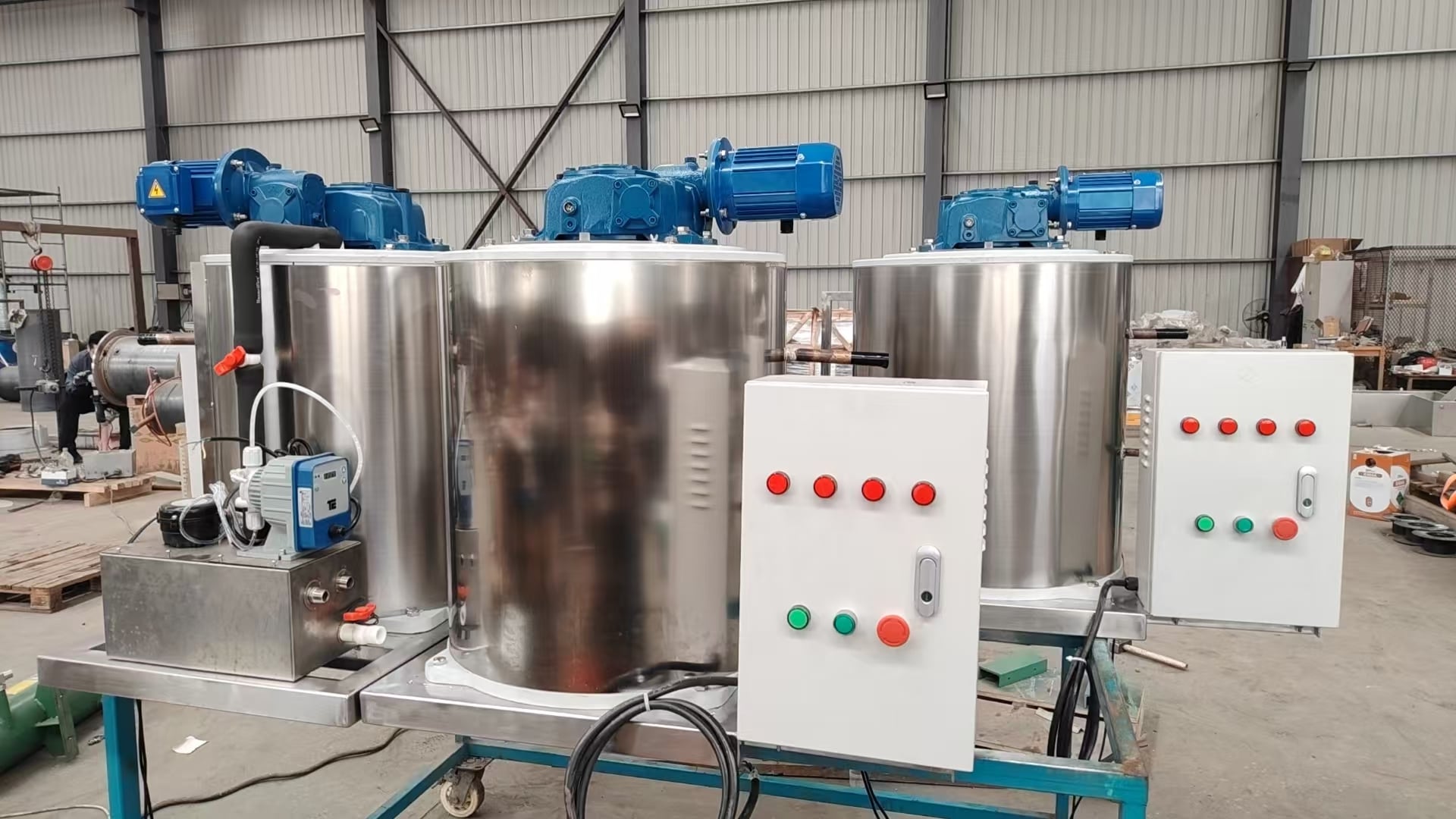
The flake ice evaporator represents a critical component in modern industrial ice manufacturing systems, transforming the way industries produce, store, and utilize ice for cooling and preservation applications. Understanding how a flake ice evaporator operates within the broader system architecture enables plant operators and engineers to optimize production efficiency, reduce energy consumption, and maintain consistent ice quality. This comprehensive guide explores the functional role of flake ice evaporators, their integration within manufacturing systems, and the practical considerations that drive their performance in industrial environments.
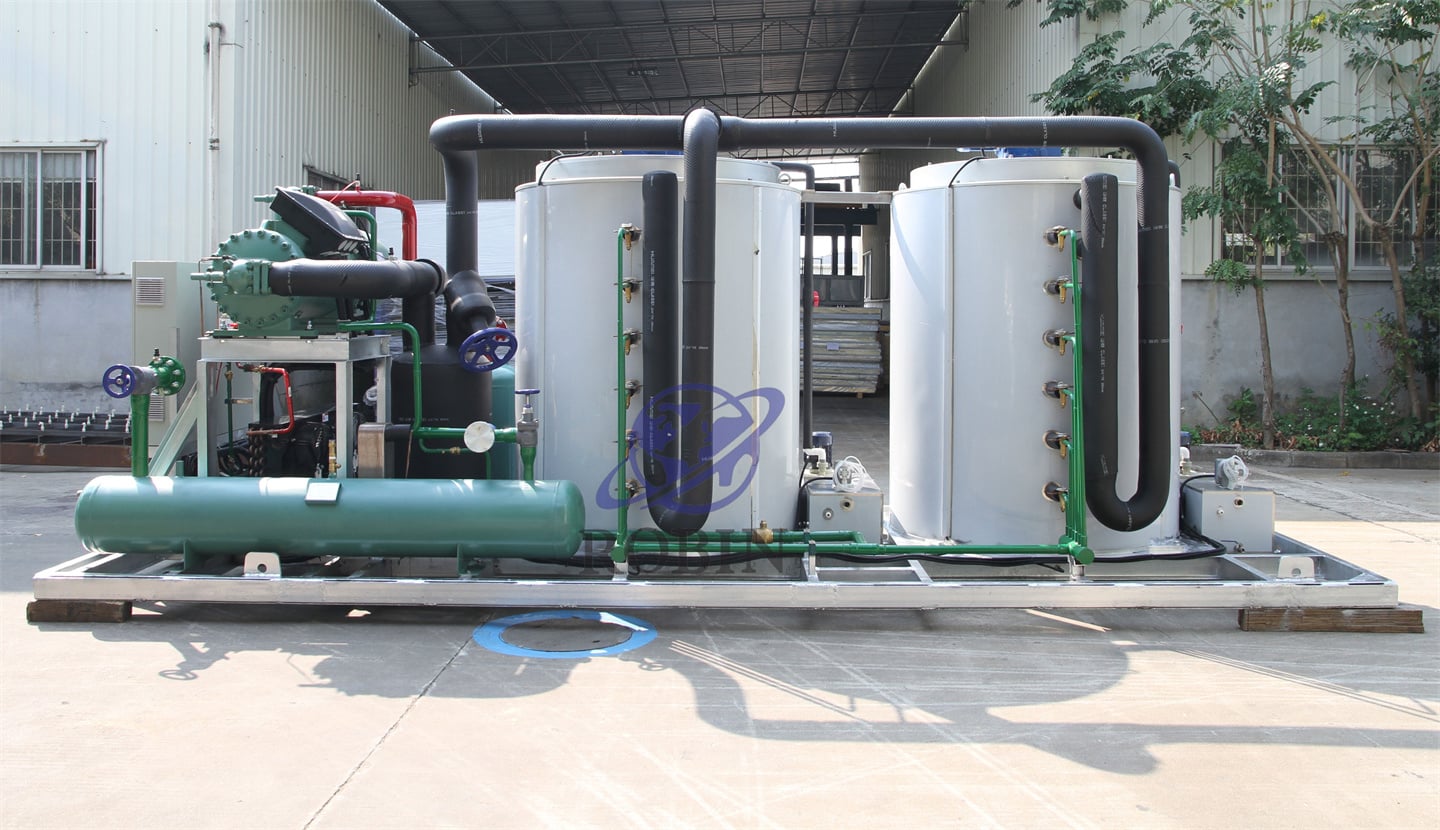
Industrial ice manufacturing has evolved significantly over the past decades, and the flake ice evaporator sits at the heart of this technological advancement. Unlike traditional block or cube ice systems, a flake ice evaporator continuously produces thin, flat ice particles that cool rapidly and conform efficiently to product shapes. The flake ice evaporator's design facilitates this unique production method through a carefully engineered freezing and harvesting cycle. Plant managers selecting ice production equipment must understand how the flake ice evaporator fits into the complete manufacturing workflow, from refrigeration input to final ice delivery.
The Freezing Cycle and Evaporator Function
How Flake Ice Evaporators Generate Ice
A flake ice evaporator operates by circulating a refrigerant through its core assembly, where water gradually freezes onto a rotating drum or vertical surface. As the flake ice evaporator's refrigeration system cools the internal surfaces, a thin layer of ice accumulates on the evaporating surface. The continuous rotation of the flake ice evaporator's drum ensures uniform ice formation and prevents thick ice buildup that would reduce production efficiency. This mechanized approach to ice generation distinguishes the flake ice evaporator from passive freezing methods and enables high-volume production suitable for commercial fishing, food processing, and chemical manufacturing.
The refrigerant entering the flake ice evaporator undergoes expansion, which dramatically lowers its temperature and creates the extreme cold necessary for rapid ice formation. Inside the flake ice evaporator chamber, this cold refrigerant contacts the water supply line or water jacket surrounding the rotating drum. The flake ice evaporator's design ensures that water freezes in a controlled, predictable pattern, producing consistent ice particle sizes. Once the ice layer reaches the optimal thickness, typically within minutes, a heating cycle activates within the flake ice evaporator to soften the bond between ice and the drum surface, allowing mechanical scrapers to harvest the newly formed flake ice.
Harvesting Mechanisms in Ice Evaporators
The harvesting phase within a flake ice evaporator determines final product quality and production throughput. As the flake ice evaporator transitions from the freezing cycle to the harvest phase, internal heating elements or hot gas injection momentarily raises the temperature of the evaporating surface. This thermal pulse weakens the ice layer's adhesion without melting it, allowing spring-loaded or mechanical scrapers positioned around the flake ice evaporator drum to break away freshly formed ice. The scraped ice particles fall into a collection bin beneath the flake ice evaporator, where they may be further processed, stored, or conveyed directly to end-use applications.
Modern flake ice evaporator designs incorporate variable cycle timing that operators can adjust based on desired ice particle size and production volume. A faster cycle produces smaller ice particles with thinner structure, ideal for applications requiring rapid cooling or maximum product contact. Conversely, lengthening the freeze cycle in the flake ice evaporator yields slightly larger particles with denser structure, suitable for applications where ice longevity matters more than immediate penetration. This operational flexibility makes the flake ice evaporator an adaptable solution across diverse industrial sectors.
System Integration and Refrigeration Connectivity
Refrigeration Circuit Connection
A flake ice evaporator functions as a specialized heat exchanger within a larger refrigeration system, requiring precise integration with the compressor, condenser, and expansion valve. The flake ice evaporator receives subcooled liquid refrigerant from the expansion device and returns superheated vapor to the compressor inlet. Proper sizing of the flake ice evaporator ensures the system maintains stable pressures and optimal temperature differentials needed for efficient ice production. Plant engineers must calculate the flake ice evaporator's refrigerant flow rate and evaporating pressure based on desired ice output and ambient conditions.
The water supply feeding the flake ice evaporator must meet strict quality standards, as mineral content, suspended solids, or biological contaminants can impair performance and accelerate maintenance requirements. Industrial facilities typically install filtration systems upstream of the flake ice evaporator to remove particles larger than 50 microns and reduce scaling potential. Temperature control of incoming water also influences the flake ice evaporator's efficiency; warmer water entering the system demands more refrigerant circulation and extends freeze times, while properly precooled water optimizes the flake ice evaporator's energy utilization and cycle speed.
Production Volume and Energy Efficiency
The flake ice evaporator's energy consumption correlates directly with production volume and operating conditions. A flake ice evaporator producing 500 kilograms per day requires substantially less compressor capacity than a 5,000-kilogram-per-day system, affecting electrical power demand and cooling infrastructure requirements. Industrial managers must evaluate whether a single large flake ice evaporator or multiple smaller units better serves their operational needs, considering factors like redundancy, maintenance windows, and peak demand variability. Many facilities discover that operating two moderately-sized flake ice evaporators provides better flexibility and system reliability than depending on one large evaporator unit.
Energy efficiency improvements in contemporary flake ice evaporator technology include improved insulation, variable-frequency drive compressor control, and optimized refrigerant charge management. A well-maintained flake ice evaporator operating with proper refrigerant superheat and subcooling can achieve specific energy consumption between 60 and 90 watt-hours per kilogram of ice produced, depending on ambient temperature and water inlet conditions. Undersized or oversized flake ice evaporator systems waste energy, so accurate capacity planning during the design phase pays dividends throughout equipment lifespan.
Maintenance, Troubleshooting, and Operational Excellence
Preventive Maintenance for Flake Ice Evaporators
Routine maintenance of the flake ice evaporator extends equipment lifespan and prevents production interruptions. The evaporator's water jacket and internal passages require periodic chemical cleaning to remove mineral deposits and scale that accumulate during normal operation. Most manufacturers recommend descaling the flake ice evaporator every 6 to 12 months using approved acids or proprietary cleaning solutions formulated for refrigerated equipment. Neglecting this maintenance allows scale buildup to reduce the flake ice evaporator's thermal efficiency, forcing the compressor to work harder and increasing energy costs substantially.
Mechanical inspection of the flake ice evaporator's scrapers, bearings, and seals prevents unexpected failures. Worn scrapers in a flake ice evaporator fail to harvest ice cleanly, causing excessive carryover into the system, while degraded drum bearings introduce vibration that compromises product quality. Most facility managers establish quarterly visual inspections of the flake ice evaporator's exterior surfaces, vibration levels, and refrigerant connections. Annual professional servicing by qualified technicians ensures the flake ice evaporator maintains calibrated pressures, proper refrigerant charge, and safe operational parameters.
Common Challenges and Solutions
Inadequate ice production from a flake ice evaporator often stems from refrigerant undercharge, excessive water inlet temperature, or mineral scaling on heat transfer surfaces. Operators should verify that the flake ice evaporator's suction pressure and discharge pressure align with manufacturer specifications before pursuing repairs. A flake ice evaporator producing wet, slushier ice than normal may indicate insufficient subcooling or excessive water supply temperature. Conversely, brittle, powdery ice suggests excessively cold evaporating temperatures or cycle timing set too aggressively, situations correctable through simple parameter adjustments.
Ice carryover into the compressor discharge line signals that the flake ice evaporator's harvest cycle is incomplete or the separator system requires cleaning. This condition causes serious compressor damage if unaddressed, so operators should immediately reduce the flake ice evaporator's production rate and extend the harvest heating phase until carryover ceases. Understanding the flake ice evaporator's normal operating signatures enables rapid problem identification and minimizes downtime. Experienced operators develop intuitive recognition of the system's acoustic and pressure patterns, allowing them to detect emerging issues before they escalate into costly failures.
FAQ
What makes a flake ice evaporator different from other ice production equipment?
A flake ice evaporator produces thin, flat ice particles that cool rapidly and conform to product shapes more effectively than cube or block ice. The flake ice evaporator's continuous harvesting cycle and rotating drum design enable high production volumes in compact footprints. This efficiency, combined with the flake ice evaporator's suitability for direct product contact in food processing and fishing applications, makes it the preferred choice in industries requiring rapid cooling or maximum thermal conductivity between ice and product.
How often should facilities service and clean the flake ice evaporator?
Most manufacturers recommend descaling the flake ice evaporator every 6 to 12 months, depending on water mineral content and production intensity. A flake ice evaporator operating in high-mineral-content water environments may require quarterly cleaning to maintain thermal efficiency. Annual professional inspection of the flake ice evaporator's mechanical components, refrigerant charge, and pressure balances helps prevent unexpected breakdowns. Facilities that track flake ice evaporator performance metrics like specific energy consumption can identify when cleaning is due before efficiency noticeably declines.
What production volume can a typical flake ice evaporator achieve daily?
A flake ice evaporator's daily production typically ranges from 500 to 10,000 kilograms, depending on the unit size, refrigeration capacity, and operating conditions. Smaller flake ice evaporator models suitable for food service operations produce 500 to 2,000 kilograms daily, while large industrial flake ice evaporator systems can exceed 10,000 kilograms per day. The specific production capacity of any flake ice evaporator depends on refrigerant flow rate, evaporating temperature, water inlet conditions, and desired ice particle characteristics.