
 EN



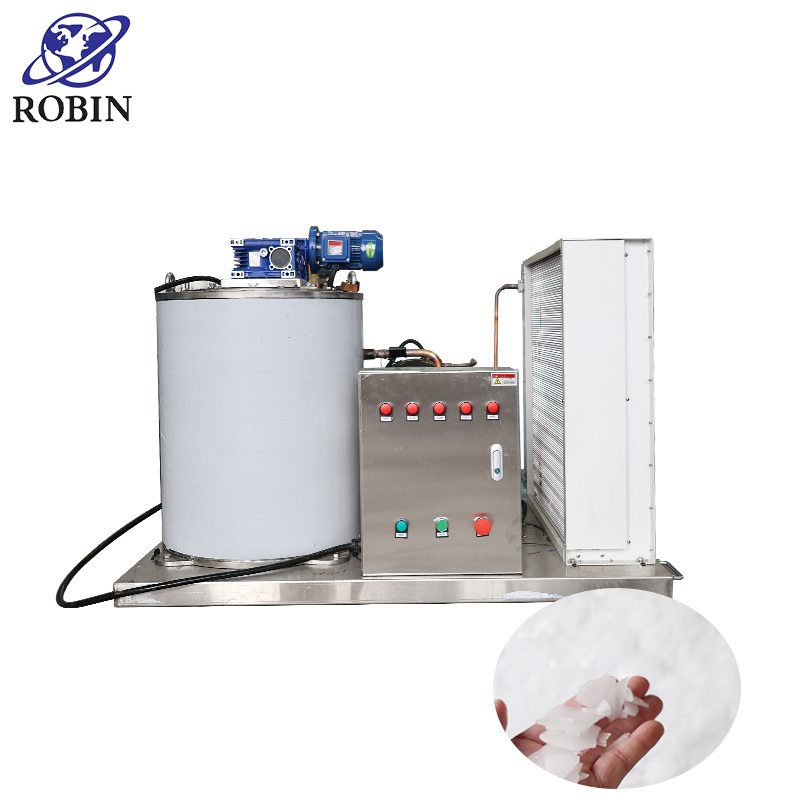
Modern supermarkets rely on specialized cooling infrastructure to maintain product quality and food safety standards across their entire operation. The flake ice machine commercial has become an indispensable component in this ecosystem, providing consistent, high-volume ice production that meets the demanding requirements of retail food storage and display. Understanding how a flake ice machine commercial operates within supermarket cooling systems reveals why this technology has become the industry standard for fresh product preservation.
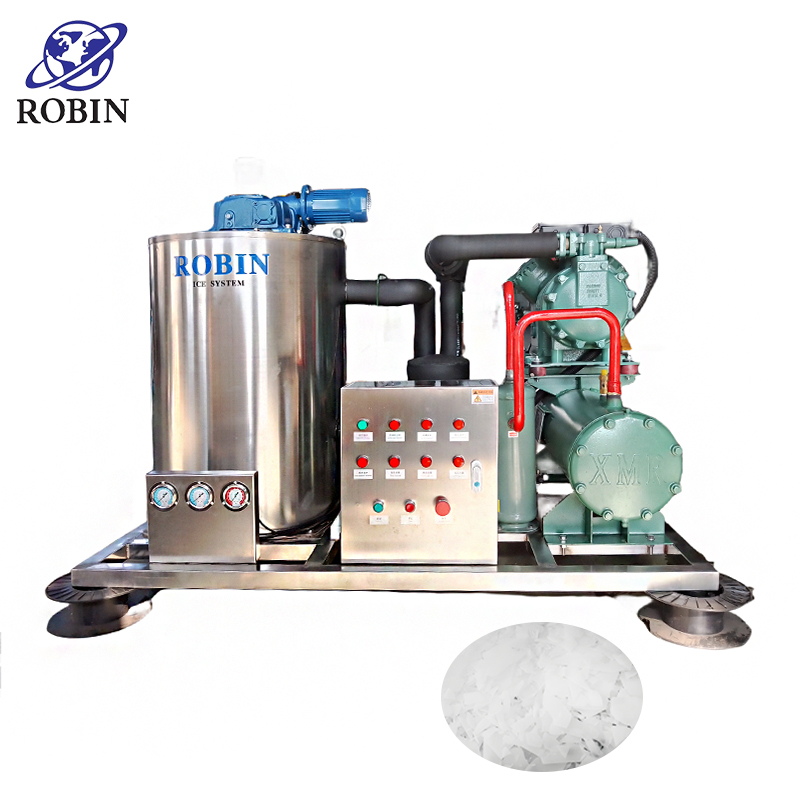
Supermarket operators face unique challenges in maintaining optimal temperatures across seafood departments, meat counters, produce sections, and beverage displays simultaneously. A flake ice machine commercial addresses these challenges by generating small, uniform ice particles that conform perfectly to product contours, ensuring superior cooling efficiency compared to traditional block or cube ice. The continuous circulation of flake ice in display cases maintains consistent product temperature while creating an attractive visual presentation that enhances customer appeal and purchasing confidence.
Core Functions of Flake Ice Machine Commercial in Retail Operations
Rapid Temperature Control and Product Preservation
The flake ice machine commercial produces finely textured ice that maximizes surface area contact with perishable goods, enabling rapid temperature reduction and precise thermal regulation. This characteristic proves especially valuable in seafood and fresh fish displays, where maintaining temperatures between thirty to thirty-five degrees Fahrenheit is critical for shelf life extension. Unlike cube ice that creates air pockets and uneven cooling, flake ice from a commercial-grade machine conforms to irregular product shapes, eliminating cold spots and temperature fluctuations that accelerate spoilage and compromise food safety protocols.
Supermarket managers report that deploying a flake ice machine commercial throughout their facility reduces product waste significantly, directly impacting profitability and sustainability metrics. The superior cooling performance of flake ice machine commercial systems means fresh items remain shelf-stable longer, reducing markdowns and improving inventory turnover rates. This efficiency gain translates to lower operational costs and enhanced customer satisfaction when shoppers encounter consistently high-quality fresh products throughout their shopping experience.
Operational Efficiency and Production Capacity
A flake ice machine commercial installed in supermarkets typically generates between five hundred to two thousand pounds of ice daily, depending on the specific model and facility requirements. This substantial production capacity ensures continuous availability of ice for multiple display areas without operational interruptions or inventory shortages. The automated production cycle of a flake ice machine commercial minimizes labor demands, allowing staff to focus on other critical retail operations while maintaining consistent ice supply throughout operating hours.
Integration of a flake ice machine commercial into supermarket systems creates operational flexibility that manual ice procurement cannot match. Retailers eliminate dependency on external ice suppliers, reducing transportation delays and supply chain vulnerabilities while maintaining complete control over ice quality standards. The consistent output from a flake ice machine commercial ensures predictable cooling capacity, enabling precise resource allocation and reducing emergency purchasing at premium costs during peak demand periods.
Integration of Flake Ice Machine Commercial into Existing Cooling Infrastructure
System Design and Installation Considerations
Installing a flake ice machine commercial requires careful assessment of existing refrigeration infrastructure, electrical capacity, water supply lines, and drain systems within the supermarket facility. Professional installation of a flake ice machine commercial ensures optimal integration with current cooling networks, preventing efficiency losses and operational conflicts. The machine connects to the building's water supply and electrical systems, with condensing units typically positioned on rooftops or designated outdoor areas to maximize energy efficiency and minimize heat impact on interior climate control.
Supermarket architects and facility managers must plan flake ice machine commercial placement to balance ice production proximity with equipment accessibility for routine maintenance and emergency servicing. A well-designed flake ice machine commercial installation includes dedicated storage bins with insulation to minimize ice sublimation, integrated dispensing systems for efficient delivery to display cases, and redundant safety mechanisms to prevent operational failures. These design elements ensure that the flake ice machine commercial functions as a seamless extension of the supermarket's cooling ecosystem rather than an isolated equipment component.
Water Quality and Supply Requirements
Water quality directly impacts flake ice machine commercial performance and longevity, requiring supermarkets to implement filtration systems that remove chlorine, sediment, and mineral impurities before water enters the machine. A flake ice machine commercial with inadequate water treatment experiences accelerated scale buildup, reduced ice production capacity, and premature component failure. Facilities invest in specialized filtration networks upstream of the flake ice machine commercial to maintain water purity, ensuring consistent ice clarity, reduced maintenance frequency, and extended equipment lifespan.
The connection between water supply reliability and flake ice machine commercial efficiency cannot be overstated in high-volume retail environments. Supermarkets with stable water pressure, appropriate temperature ranges, and filtered supply systems experience optimal flake ice machine commercial performance, generating consistently high-quality ice with minimal operational interruption. Conversely, facilities with inconsistent water conditions require enhanced maintenance protocols for their flake ice machine commercial, including regular cleaning cycles and component replacement to maintain production standards.
Maintenance and Operational Best Practices for Flake Ice Machine Commercial Systems
Preventative Maintenance Protocols
Successful flake ice machine commercial operation depends on rigorous preventative maintenance schedules that include regular cleaning, component inspection, and performance monitoring. Supermarket facilities should establish monthly cleaning protocols for their flake ice machine commercial, removing mineral deposits and biological growth that accumulate in the evaporator and water lines. Quarterly professional inspections of the flake ice machine commercial system ensure all mechanical components, refrigeration circuits, and electrical controls function within manufacturer specifications, preventing unexpected failures during critical retail periods.
Documentation of flake ice machine commercial maintenance activities creates valuable historical records that guide replacement planning and identify recurring issues requiring system redesign. Water filter replacement schedules for the flake ice machine commercial should match local water conditions, with more frequent changes in high-mineral areas ensuring consistent ice quality. Facilities maintaining detailed maintenance logs for their flake ice machine commercial experience fewer emergency service calls and extend equipment operational life significantly compared to operators neglecting preventative protocols.
Energy Efficiency and Operational Optimization
Modern flake ice machine commercial systems incorporate advanced controls that optimize energy consumption while maintaining production capacity requirements. Supermarket operators can adjust flake ice machine commercial settings to match seasonal demand variations, reducing energy usage during slower periods without compromising ice availability during peak customer traffic times. Positioning the flake ice machine commercial condensing unit in well-ventilated outdoor locations reduces heat rejection into the supermarket interior, lowering overall facility cooling demands and energy expenditures substantially.
The relationship between flake ice machine commercial efficiency and facility energy costs has become increasingly important as utility rates rise and sustainability expectations grow. Supermarkets implementing ice storage optimization alongside their flake ice machine commercial system can reduce production cycles during peak electricity rate hours, shifting production to off-peak periods when energy costs decrease. This strategic approach to flake ice machine commercial operation balances supply capacity with energy economics, delivering measurable cost savings while maintaining consistent retail service quality.
FAQ
What volume of ice does a flake ice machine commercial typically produce for supermarket operations?
Commercial-grade flake ice machines designed for supermarket environments typically produce between eight hundred to two thousand pounds of ice daily, with capacity varying by specific model size and facility requirements. A flake ice machine commercial in a mid-sized supermarket with multiple display areas generally produces sufficient ice to maintain all cooling demands throughout operating hours. Production capacity of a flake ice machine commercial can be adjusted through control settings to match seasonal variations and customer traffic patterns, ensuring optimal resource utilization.
How does flake ice from a commercial machine compare to other ice types in supermarket applications?
Flake ice produced by a flake ice machine commercial offers superior cooling performance compared to cube or block ice because the small particles conform to product shapes and maximize surface contact area. The flake ice machine commercial generates ice that integrates seamlessly with irregular fresh products like seafood and vegetables, eliminating air pockets that compromise thermal efficiency. Supermarkets utilizing a flake ice machine commercial report extended shelf life for perishables and reduced product waste compared to facilities using traditional ice forms.
What maintenance intervals are recommended for a supermarket flake ice machine commercial system?
A flake ice machine commercial requires monthly cleaning and water filter replacement based on local water quality conditions, with quarterly professional inspections recommended for optimal performance. Supermarket facilities should schedule annual comprehensive service evaluations of their flake ice machine commercial system to address component wear and maintain manufacturer warranty compliance. Maintaining detailed service records for the flake ice machine commercial enables facility managers to identify maintenance patterns and plan preventative replacements before critical equipment failures disrupt retail operations.