
 EN



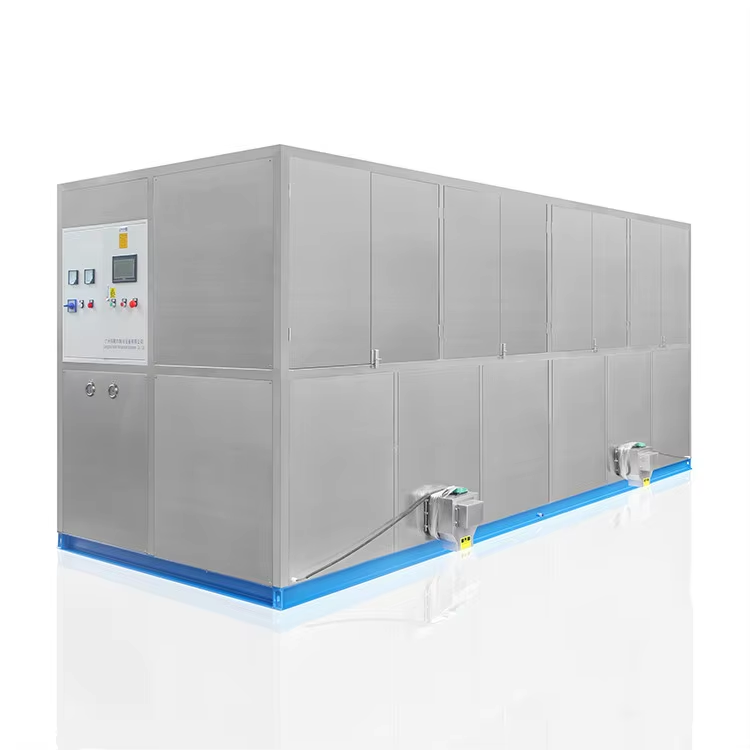
High-volume ice production demands reliable, efficient equipment that can operate continuously without compromising quality or consistency. An industrial cube ice machine is specifically engineered to meet these demanding requirements, offering scalable production capacity that grows with your business needs. Whether you operate a seafood processing facility, food distribution center, or large hospitality operation, understanding whether an industrial cube ice machine suits your specific production volume is critical to making an informed investment decision.
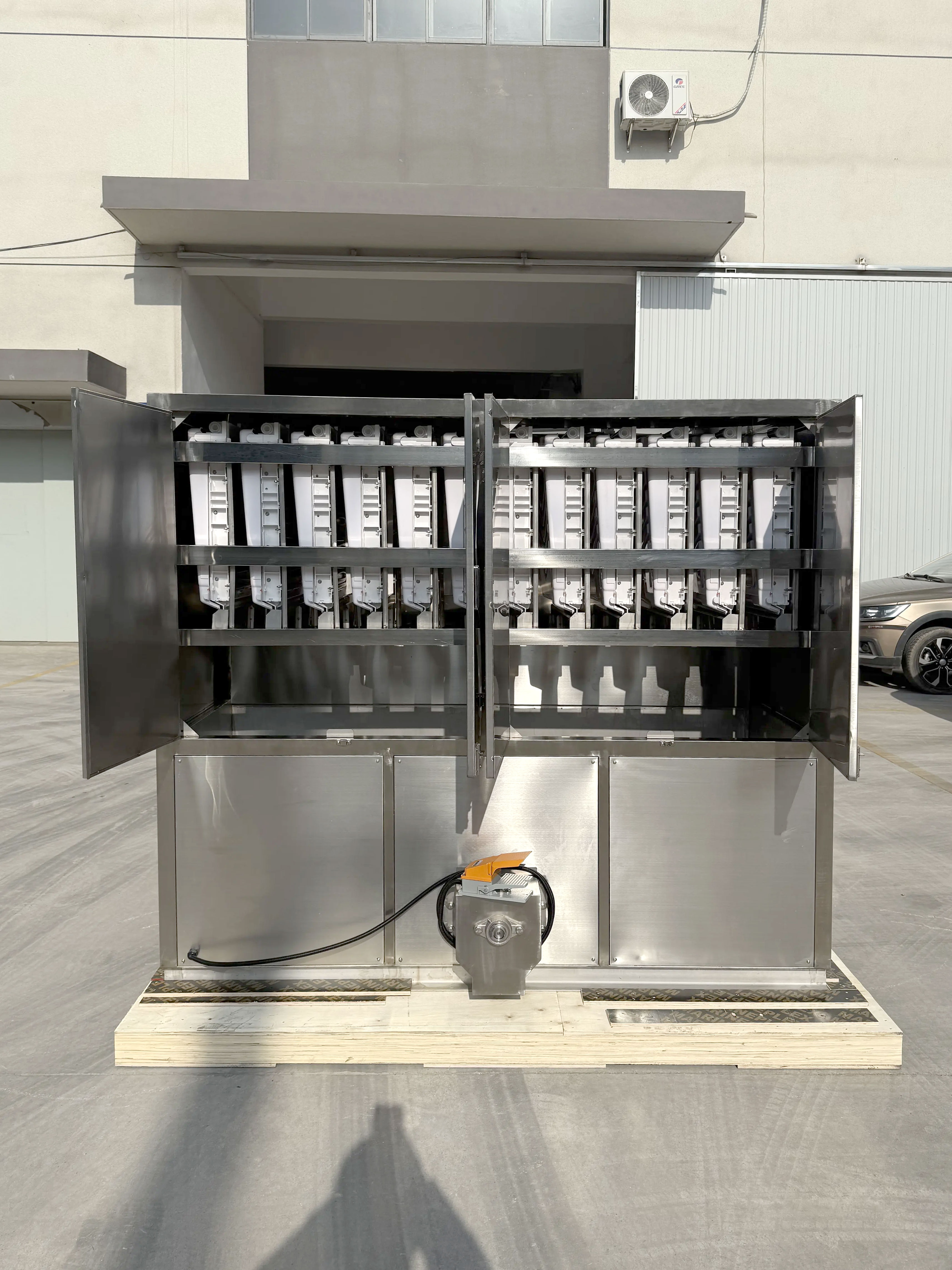
The suitability of an industrial cube ice machine for your operation depends on multiple technical and operational factors. Production capacity, ice quality consistency, energy efficiency, maintenance requirements, and integration with existing systems all play crucial roles in determining whether this equipment investment will deliver the return and reliability your business needs for sustained high-volume operations.
Understanding Industrial Cube Ice Machine Capacity and Output
Daily Production Capacity and Scaling Options
An industrial cube ice machine typically produces between 20 to 200 tons of ice per day, depending on the specific model and configuration selected. The most common industrial cube ice machine ranges operate between 30 and 100 tons daily, which covers the vast majority of commercial and industrial applications. Cube ice, with its compact shape and density, allows more product to be stored and transported than flaked or crushed ice formats, making an industrial cube ice machine particularly efficient for high-volume scenarios.
Choosing the right industrial cube ice machine capacity requires analyzing your peak demand periods, not just average usage. If your operation experiences seasonal demand spikes, an industrial cube ice machine with 50-ton capacity might serve your baseline needs while a 100-ton industrial cube ice machine handles peak periods. Many facilities operate multiple industrial cube ice machine units in parallel to ensure redundancy and maintain production if one unit requires maintenance.
Performance Under Continuous Operation
An industrial cube ice machine designed for high-volume production operates continuously for 18 to 24 hours daily without significant degradation. The engineering behind a professional industrial cube ice machine includes robust refrigeration systems, durable evaporator plates, and heavy-duty compressors that sustain this demanding workload. Each industrial cube ice machine cycle produces uniform, food-grade ice cubes measuring approximately 25-30 millimeters, ensuring consistent quality across all production batches.
Temperature and humidity conditions affect how efficiently an industrial cube ice machine performs. An industrial cube ice machine operates most effectively in ambient temperatures between 5 and 35 degrees Celsius. In colder climates, an industrial cube ice machine may achieve higher output, while tropical environments might require additional cooling capacity or strategic scheduling of production hours.
Quality Consistency and Product Standards for High-Volume Operations
Ensuring Uniform Ice Cube Standards
One of the primary advantages of an industrial cube ice machine over smaller equipment is the precision engineering that maintains uniformity across millions of ice cubes. Each ice cube produced by an industrial cube ice machine contains approximately 150 grams of water frozen to a standardized dimension, essential for applications like seafood preservation, pharmaceutical cold chain management, and food processing facilities. This consistency cannot be achieved with batch-style or semicircular equipment, making an industrial cube ice machine the preferred choice for regulated industries.
The quality control mechanisms built into an industrial cube ice machine automatically eject malformed or undersized cubes before storage. This self-regulating quality assurance means that an industrial cube ice machine delivers product that meets food safety certifications and industry standards without requiring manual sorting or additional quality steps downstream.
Hygiene and Food Safety Compliance
An industrial cube ice machine meets or exceeds international food safety standards including ISO 9001, HACCP, and NSF certification requirements. The water filtration systems integrated into an industrial cube ice machine remove chlorine, sediment, and bacterial contaminants before freezing, ensuring that ice produced by an industrial cube ice machine is suitable for direct food contact. For operations in regulated sectors, an industrial cube ice machine provides documented compliance evidence and audit trails.
Cleaning and sanitation protocols for an industrial cube ice machine typically include automatic flushing cycles that prevent biofilm buildup in water lines. Regular maintenance of an industrial cube ice machine involves specialized technicians who inspect and replace components, ensuring that the equipment continues producing food-grade ice throughout its operational lifespan.
Energy Efficiency and Operating Cost Implications
Power Consumption and Economic Viability
A modern industrial cube ice machine consumes approximately 0.8 to 1.2 kilowatt-hours of electricity per kilogram of ice produced. For a 50-ton industrial cube ice machine operating daily, this translates to roughly 40 to 60 kilowatt-hours of electricity needed each 24-hour period. Understanding your local electricity rates is essential when calculating the true operating cost of an industrial cube ice machine, as this single factor often represents 35 to 45 percent of total equipment operating expenses.
Advanced industrial cube ice machine models incorporate variable-speed compressors and intelligent load-balancing systems that reduce energy consumption during partial-capacity operation. When your facility operates below maximum demand, an industrial cube ice machine with these features consumes proportionally less electricity while maintaining product quality. Calculating the payback period for an industrial cube ice machine investment requires comparing energy savings from newer equipment against your current ice procurement or production methods.
Water Usage and Resource Management
An industrial cube ice machine requires significant fresh water supply, typically using between 1.5 to 2.0 kilograms of water per kilogram of ice produced due to evaporation, bleed-off, and cooling tower cycles. For a 50-ton industrial cube ice machine, daily water consumption ranges from 75 to 100 cubic meters. Facilities in water-scarce regions must evaluate whether an industrial cube ice machine investment aligns with local water availability and regulatory restrictions on water usage.
Many modern installations pair an industrial cube ice machine with water recycling systems or closed-loop cooling towers that significantly reduce overall consumption. When budgeting for an industrial cube ice machine implementation, include costs for water treatment infrastructure, drainage systems, and potential wastewater management compliance measures alongside the equipment purchase price and installation.
FAQ
Is an industrial cube ice machine suitable for all climates and geographic locations?
An industrial cube ice machine performs optimally in ambient temperatures between 5 and 35 degrees Celsius, but specialized units can operate in broader ranges with modified cooling systems. In extremely hot climates, an industrial cube ice machine may require enhanced ventilation or evaporative cooling towers to maintain efficiency. Conversely, in very cold climates, an industrial cube ice machine might achieve higher output but could experience compressor overload if refrigeration cannot be properly regulated. Before purchasing an industrial cube ice machine, verify that your facility environment matches the manufacturer's specifications and consider whether auxiliary cooling or climate control infrastructure is necessary.
What maintenance schedule does an industrial cube ice machine require for reliable high-volume operation?
An industrial cube ice machine requires quarterly professional servicing that includes compressor inspection, refrigerant charge verification, and evaporator plate cleaning. Monthly maintenance tasks for an industrial cube ice machine involve checking water filtration status, inspecting hoses and connections for leaks, and verifying that discharge temperatures remain within acceptable ranges. Some operators of an industrial cube ice machine implement daily visual inspections and weekly water quality testing to catch emerging issues before they escalate. The total annual maintenance cost for an industrial cube ice machine typically represents 8 to 12 percent of the initial equipment investment.
Can an industrial cube ice machine be retrofitted into existing facility infrastructure?
Most modern industrial cube ice machine installations can integrate into existing facilities, but successful integration requires adequate electrical capacity, water supply pressures, and drainage infrastructure. An industrial cube ice machine typically requires three-phase electrical service with 50 to 100 ampere capacity, reinforced water lines rated for 2 to 4 bar pressure, and adequately sized drainage systems. Before committing to an industrial cube ice machine purchase, conduct a facility assessment to confirm that utility connections meet specifications, or budget for necessary infrastructure upgrades that may add 15 to 30 percent to your total project cost.