
 EN



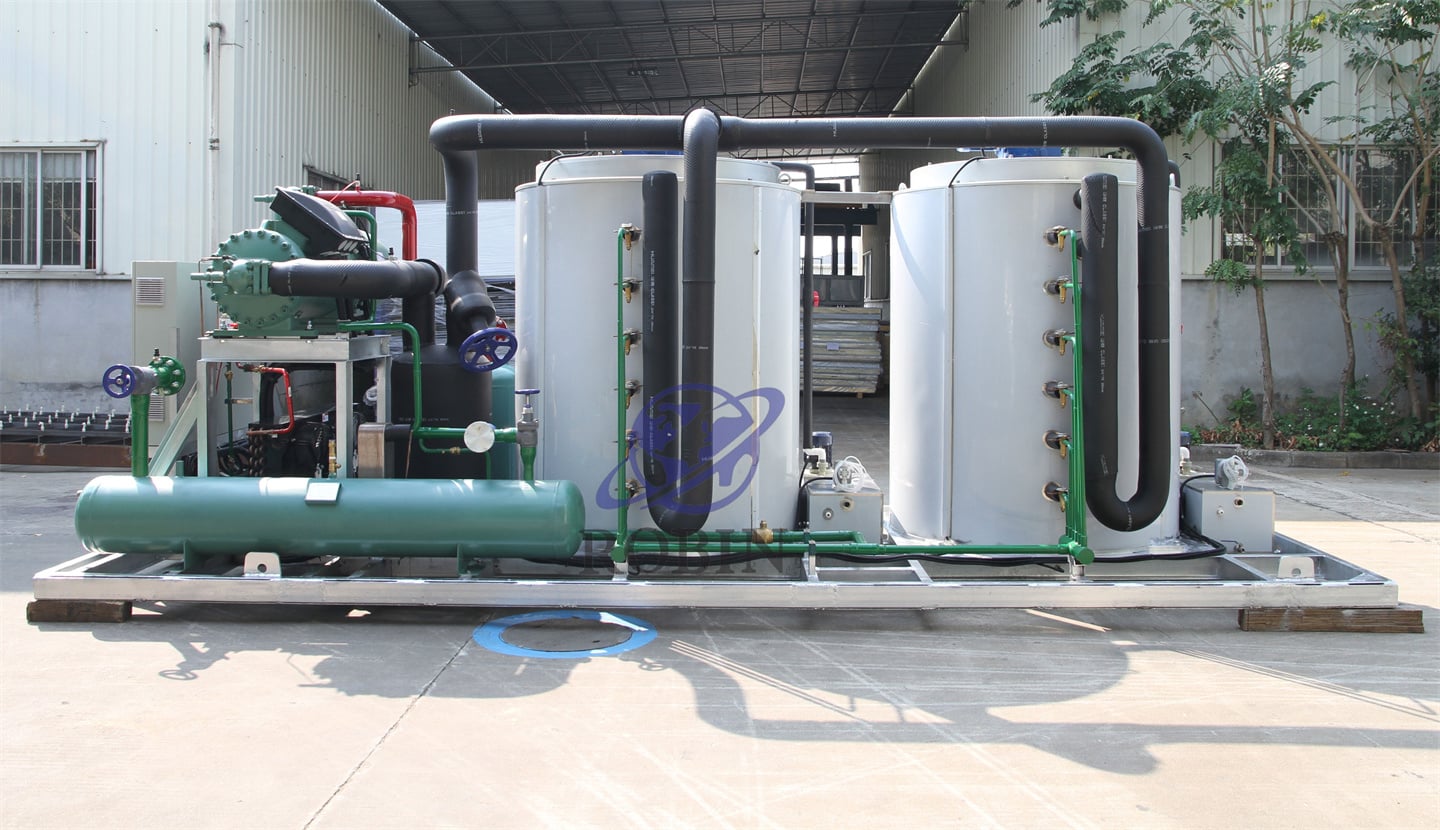
Commercial ice production demands precision, reliability, and operational efficiency to remain competitive in today's market. A flake ice evaporator represents a critical component in modern ice manufacturing systems, directly influencing productivity, energy consumption, and product quality. Understanding how a flake ice evaporator functions and contributes to overall system performance can help facility operators make informed decisions about their ice production infrastructure. The integration of a flake ice evaporator into your commercial operation introduces measurable improvements in thermal efficiency, consistency of ice output, and long-term cost management.
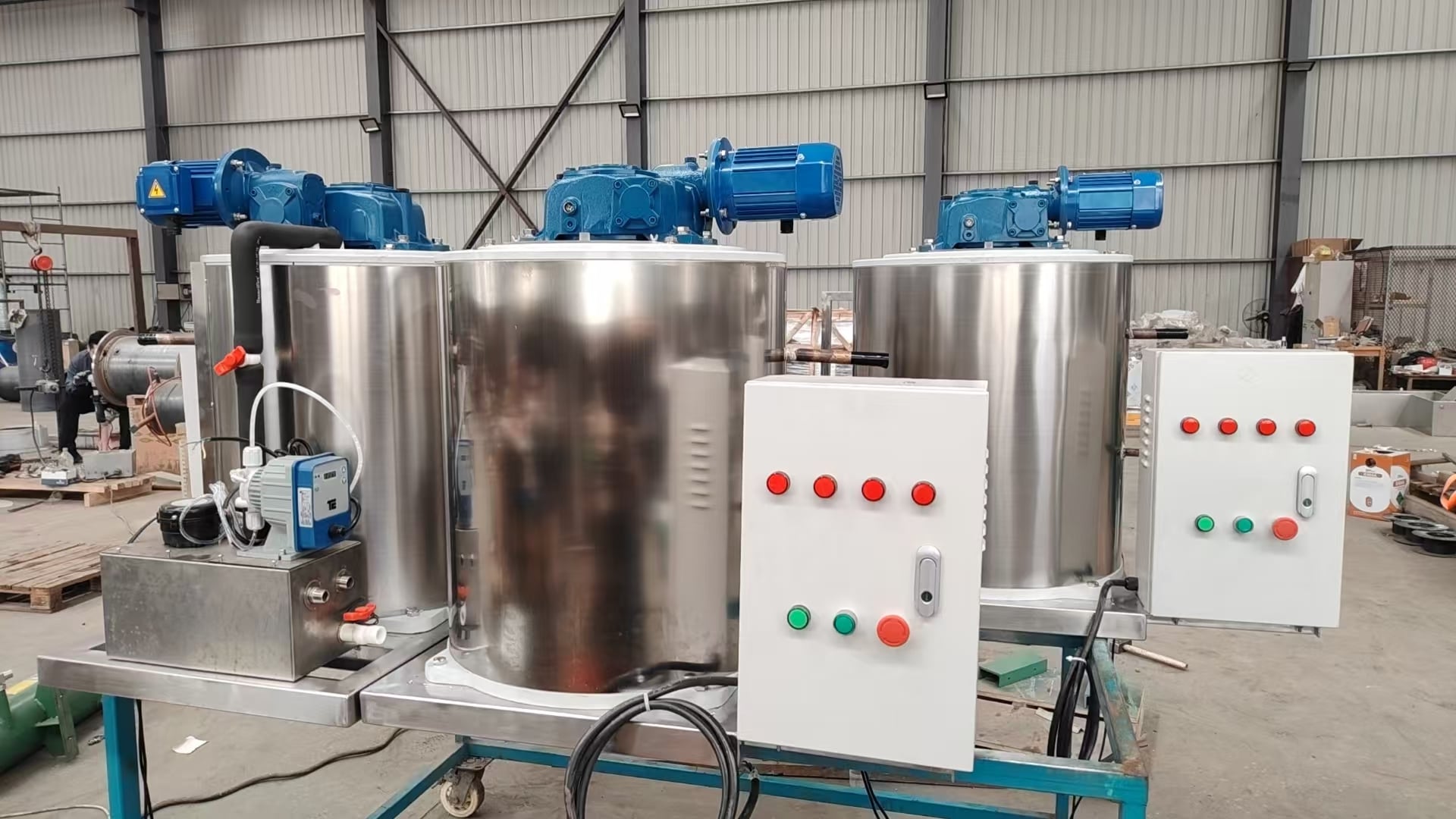
The flake ice evaporator operates as the thermal heart of a flake ice production system, transferring refrigerant energy to create the ideal conditions for ice formation. When properly configured and maintained, a flake ice evaporator ensures consistent freezing rates, optimal ice crystal structure, and reduced waste during the production cycle. Operators across food processing, fishing, healthcare, and hospitality industries rely on the flake ice evaporator to deliver dependable performance under demanding operational schedules. Investing in an advanced flake ice evaporator technology can transform your ice production capabilities and strengthen your competitive position.
How Flake Ice Evaporator Technology Enhances Production Output
Thermal Transfer Efficiency and Ice Formation Optimization
A flake ice evaporator operates through direct refrigerant expansion across an internal drum or plate surface, creating extremely cold zones where water freezes into thin, uniform ice crystals. The design of a modern flake ice evaporator maximizes contact between water and the frozen surface, promoting rapid, consistent ice formation with minimal energy waste. The flake ice evaporator drum rotates slowly, breaking newly formed ice from the cold surface and allowing continuous production without manual intervention. This continuous freezing action in a flake ice evaporator produces ice particles of approximately 2 to 3 millimeters, making it ideal for rapid cooling applications where large ice blocks would prove impractical.
Reducing Energy Consumption Through Smart Design
Energy efficiency directly impacts operational costs in commercial ice manufacturing, and the flake ice evaporator addresses this challenge through optimized refrigerant circulation and thermal design. A flake ice evaporator minimizes temperature differential losses by maintaining precise control over freezing zones, allowing the compressor to operate at lower capacity levels while maintaining production targets. The flake ice evaporator's direct-expansion design eliminates intermediate heat transfer stages that would introduce efficiency penalties. Advanced flake ice evaporator systems incorporate variable-speed compressor technology, which further reduces energy consumption during partial-load conditions while maintaining ice quality standards.
System Integration and Operational Reliability Advantages
Seamless Integration with Commercial Refrigeration Infrastructure
Installing a flake ice evaporator into an existing commercial refrigeration system requires careful attention to refrigerant compatibility, flow rates, and control mechanisms. The flake ice evaporator integrates with the main compressor, condenser, and receiver tank through properly sized piping and specialized control valves that regulate refrigerant flow to the evaporator. A flake ice evaporator sized correctly for your facility's peak demand ensures reliable operation without oversizing that would waste energy or undersizing that would create production bottlenecks. Professional installation of a flake ice evaporator involves pressure testing, refrigerant charging, and control system calibration to achieve optimal performance from day one.
Maintenance Requirements and Long-Term Performance
The flake ice evaporator requires routine maintenance to sustain peak efficiency and operational reliability over its service life. Regular inspection of the flake ice evaporator drum, scraper mechanism, and refrigerant lines helps identify potential issues before they disrupt production. Scale buildup on the flake ice evaporator internal surfaces reduces heat transfer efficiency, necessitating periodic cleaning through descaling protocols using approved chemical solutions. A well-maintained flake ice evaporator continues delivering consistent performance for 10 to 15 years, with replacement drum assemblies and wear components available for extended equipment life without requiring full system replacement.
Real-World Performance Metrics and Industry Applications
Measuring Efficiency Gains in Production Environments
Commercial operations upgrading to a modern flake ice evaporator typically observe production increases ranging from 20 to 40 percent compared to older equipment, depending on facility configuration and initial system condition. The flake ice evaporator achieves these improvements through superior thermal transfer, reduced freeze cycles, and minimized ice breakage during harvesting. Energy consumption per unit of ice produced typically decreases by 15 to 25 percent when upgrading to an efficient flake ice evaporator, directly reducing utility expenses and improving facility profitability. Production consistency also improves dramatically with a flake ice evaporator, as the controlled freezing environment produces uniform ice quality that customers demand.
Industry-Specific Applications and Suitability
A flake ice evaporator proves especially valuable in food processing facilities where rapid product cooling prevents bacterial growth and maintains freshness standards. Fishing operations depend on the flake ice evaporator to produce sufficient quantities of flake ice for catch preservation during extended voyages and processing cycles. Medical and pharmaceutical facilities employ the flake ice evaporator for temperature-sensitive product handling and temporary preservation of biological materials. Hospitality establishments utilize the flake ice evaporator in bar operations, food service, and guest beverage preparation where consistent, high-volume ice availability directly impacts customer satisfaction and operational workflow.
FAQ
What distinguishes a flake ice evaporator from other commercial ice production equipment?
A flake ice evaporator creates small, uniform ice crystals through direct refrigerant expansion on a rotating drum, producing output suitable for rapid cooling and bulk application. Unlike block ice systems or tube ice evaporators that create larger ice forms, a flake ice evaporator specializes in high-volume flake ice production with minimal handling and superior thermal properties. The flake ice evaporator's design enables faster ice production cycles and more complete utilization of refrigeration capacity compared to traditional batch-based ice manufacturing methods.
Can a flake ice evaporator reduce operational expenses for my facility?
Yes, upgrading to a flake ice evaporator typically reduces energy costs through improved thermal efficiency and reduced compressor runtime per unit of ice produced. The flake ice evaporator minimizes waste ice breakage and processing steps that consume labor resources, further lowering total operational expenses. Additionally, the flake ice evaporator's reliability reduces equipment downtime and associated production losses, creating additional cost savings beyond direct energy reduction.
How long does a flake ice evaporator typically remain operational before requiring replacement?
A properly maintained flake ice evaporator generally operates effectively for 10 to 15 years before requiring full replacement or major component renovation. Routine maintenance, including periodic descaling and component inspections, significantly extends the operational lifespan of your flake ice evaporator. Individual components such as drums, scrapers, and wear parts can be replaced without replacing the entire flake ice evaporator unit, further extending equipment value and reducing replacement costs.