
 EN



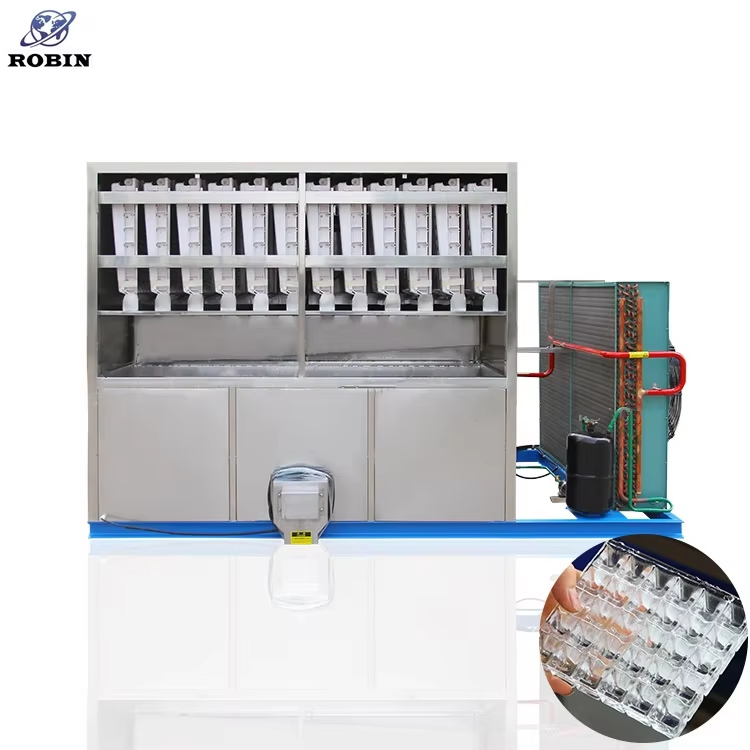
Commercial hospitality projects face relentless demands for consistent, high-quality ice production. An industrial cube ice machine addresses these challenges by delivering dependable ice supply that meets the rigorous standards of hotels, restaurants, bars, and catering operations. Whether serving cold beverages, preserving food freshness, or supporting kitchen operations, an industrial cube ice machine has become essential infrastructure for hospitality success. Understanding how this equipment functions and supports your specific project needs is critical for long-term operational reliability and customer satisfaction.
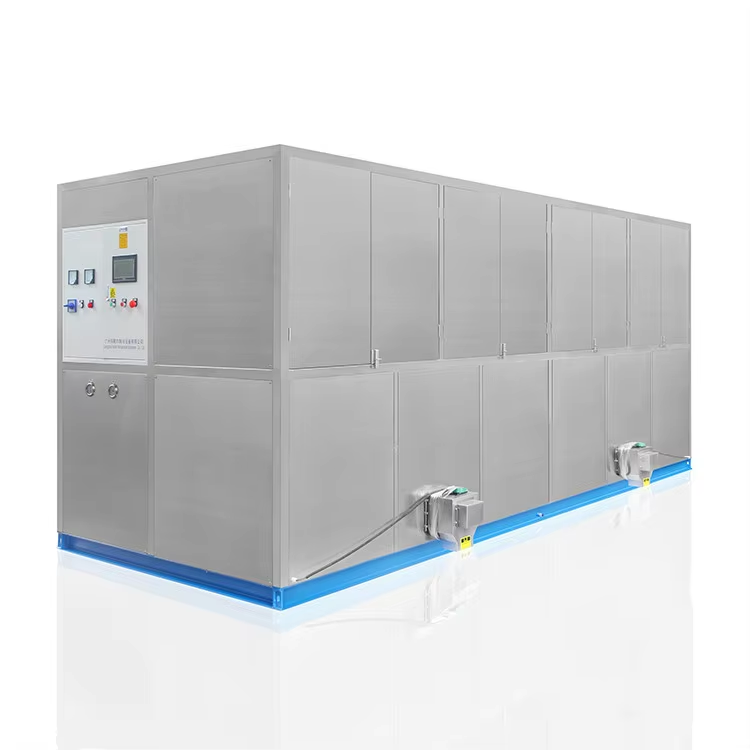
The hospitality sector demands equipment that combines efficiency, durability, and consistent output. An industrial cube ice machine delivers exactly that—producing substantial volumes of uniform cube ice while maintaining straightforward maintenance and operational control. This article explores how an industrial cube ice machine integrates into commercial hospitality workflows, the technical advantages it provides, and the practical considerations that drive installation and performance decisions across hospitality properties.
How Industrial Cube Ice Machines Deliver Operational Excellence
Continuous Production Capacity and Reliability
An industrial cube ice machine operates continuously to meet peak-hour demands in hospitality settings. Unlike smaller, residential-scale equipment, an industrial cube ice machine produces consistent volumes throughout the day and night, ensuring that bars never run short during service hours and kitchens maintain adequate supplies for food preservation and presentation. The production cycle in an industrial cube ice machine is engineered for minimal downtime, with automated harvesting systems that remove finished ice efficiently and restart the freezing cycle immediately. This seamless operation means hospitality staff focus on service rather than monitoring ice availability.
Cube Ice Quality and Consistency
Cube ice produced by an industrial cube ice machine offers superior clarity, uniform size, and slow-melting properties compared to flaked or crescent alternatives. In hospitality environments, this consistency matters—transparent cubes enhance drink presentation in upscale bars, melt slowly to prevent beverage dilution, and stack reliably in storage bins and dispensers. An industrial cube ice machine creates ice that meets food safety standards, supporting both aesthetic and functional requirements. The uniform shape also ensures predictable behavior during transportation, storage, and use across different hospitality departments.
Integration Into Hospitality Workflows
Bar and Beverage Service Support
Beverage service represents the highest-profile application for an industrial cube ice machine in hospitality. Bars, lounges, and restaurant beverage stations consume ice continuously during service hours. An industrial cube ice machine positioned in back-of-house locations supplies on-demand ice to bartenders and service staff through convenient dispensing systems. The slow-melting nature of cube ice means cocktails and mixed drinks maintain their temperature and flavor profile longer, improving customer experience. High-volume hospitality venues often install multiple industrial cube ice machine units to ensure redundancy and prevent service interruptions during peak times.
Kitchen Operations and Food Preservation
Commercial kitchens rely on an industrial cube ice machine for food preservation, cooling, and preparation workflows. Chefs use ice from an industrial cube ice machine to chill ingredients, maintain precise temperatures in food display cases, and support sous-vide and other precision cooking methods. Catering operations use cube ice from an industrial cube ice machine to preserve prepared items during transport and outdoor events. The food-safe quality of ice produced by an industrial cube ice machine ensures compliance with health and safety regulations across all hospitality environments.
Technical Advantages for Commercial Environments
Energy Efficiency and Operating Cost Control
Modern industrial cube ice machine designs incorporate energy-efficient refrigeration cycles and insulation systems that reduce operational costs compared to older equipment. An industrial cube ice machine distributes cooling load evenly across the freezing cycle, minimizing peak power demand and supporting property-wide utility budgets. Many hospitality operations find that upgrading to a current-generation industrial cube ice machine recovers investment through lower energy consumption within two to three years. The transparent, efficient operation of an industrial cube ice machine also facilitates predictive maintenance, reducing unexpected repair costs and service disruptions.
Scalability and Space Optimization
An industrial cube ice machine accommodates various installation configurations, from dedicated machine rooms to integrated bar-back designs, allowing hospitality properties to optimize space utilization. Modular industrial cube ice machine systems scale production capacity by adding units rather than requiring complete equipment replacement. This scalability supports hospitality properties through growth phases, seasonal demand variations, and special event requirements. Installation flexibility means an industrial cube ice machine fits into existing architectural and operational layouts without major infrastructure overhaul.
Maintenance, Compliance, and Long-Term Support
Operational Maintenance and Food Safety Compliance
An industrial cube ice machine requires scheduled maintenance to ensure continued safe operation and ice quality. Hospitality facilities maintain regular cleaning cycles for ice storage bins and delivery systems associated with their industrial cube ice machine. Ice produced by an industrial cube ice machine must meet local health department standards, requiring periodic testing and documentation. Professional service providers support hospitality properties with routine maintenance, filtration system replacements, and performance monitoring for their industrial cube ice machine installations. Proactive maintenance protects both product quality and regulatory compliance across the hospitality property.
Selecting the Right Industrial Cube Ice Machine for Your Project
Choosing an industrial cube ice machine requires assessing peak-hour ice demand, available space, water quality, and long-term operational needs. A hospitality property's ice consumption varies by season, occupancy rate, and operational profile—a busy resort hotel demands higher capacity than a small restaurant. The industrial cube ice machine selection should account for these variables while allowing growth flexibility. Working with equipment specialists ensures the selected industrial cube ice machine matches your property's specific requirements and integrates smoothly into existing systems.
FAQ
What ice production capacity does a typical industrial cube ice machine deliver?
A standard industrial cube ice machine produces between 500 and 5,000 pounds of ice daily, depending on model size and configuration. High-capacity industrial cube ice machine units in large hospitality venues may produce 10,000 or more pounds daily. Actual output from an industrial cube ice machine varies based on ambient temperature, incoming water temperature, and usage patterns. Hospitality facilities should specify their peak-hour demand and select an industrial cube ice machine sized to comfortably exceed that requirement, accounting for storage constraints and redundancy needs.
How does an industrial cube ice machine compare to other ice types for hospitality use?
Cube ice from an industrial cube ice machine offers slower melting rates and better drink presentation than flaked or crescent ice. An industrial cube ice machine produces denser, more uniform ice that stacks predictably and remains functional throughout service hours. Flaked ice melts quickly and compacts, while nugget ice suits limited applications. For professional hospitality settings prioritizing consistency and drink quality, an industrial cube ice machine delivers superior performance and customer satisfaction compared to alternatives.
What maintenance schedule should hospitality facilities follow for their industrial cube ice machine?
Most hospitality properties service an industrial cube ice machine every three to six months, including filter replacement, component inspection, and system cleaning. An industrial cube ice machine requires annual professional inspection by qualified technicians to maintain food safety compliance and optimal performance. Daily monitoring of an industrial cube ice machine involves checking storage bin levels, inspecting dispensing systems, and observing production cycles. Facilities with high-volume industrial cube ice machine usage or challenging water conditions may benefit from more frequent professional maintenance to ensure consistent operation and ice quality.