
 EN



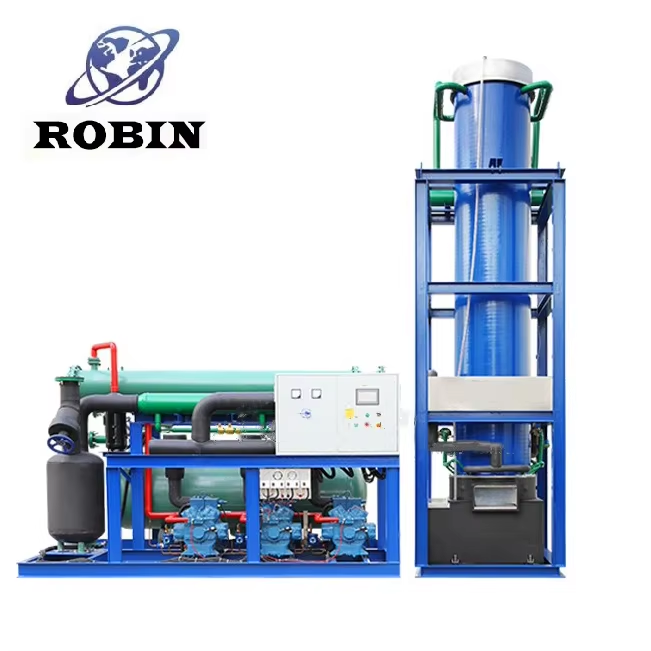
Food factories operate under strict cooling requirements that demand reliable, efficient, and cost-effective solutions. The tube ice machine has become the preferred choice for industrial food cooling applications worldwide, and understanding why reveals important insights into modern food production logistics. A tube ice machine delivers consistent performance in high-volume operations where maintaining precise temperature control directly impacts product quality, shelf life, and regulatory compliance.
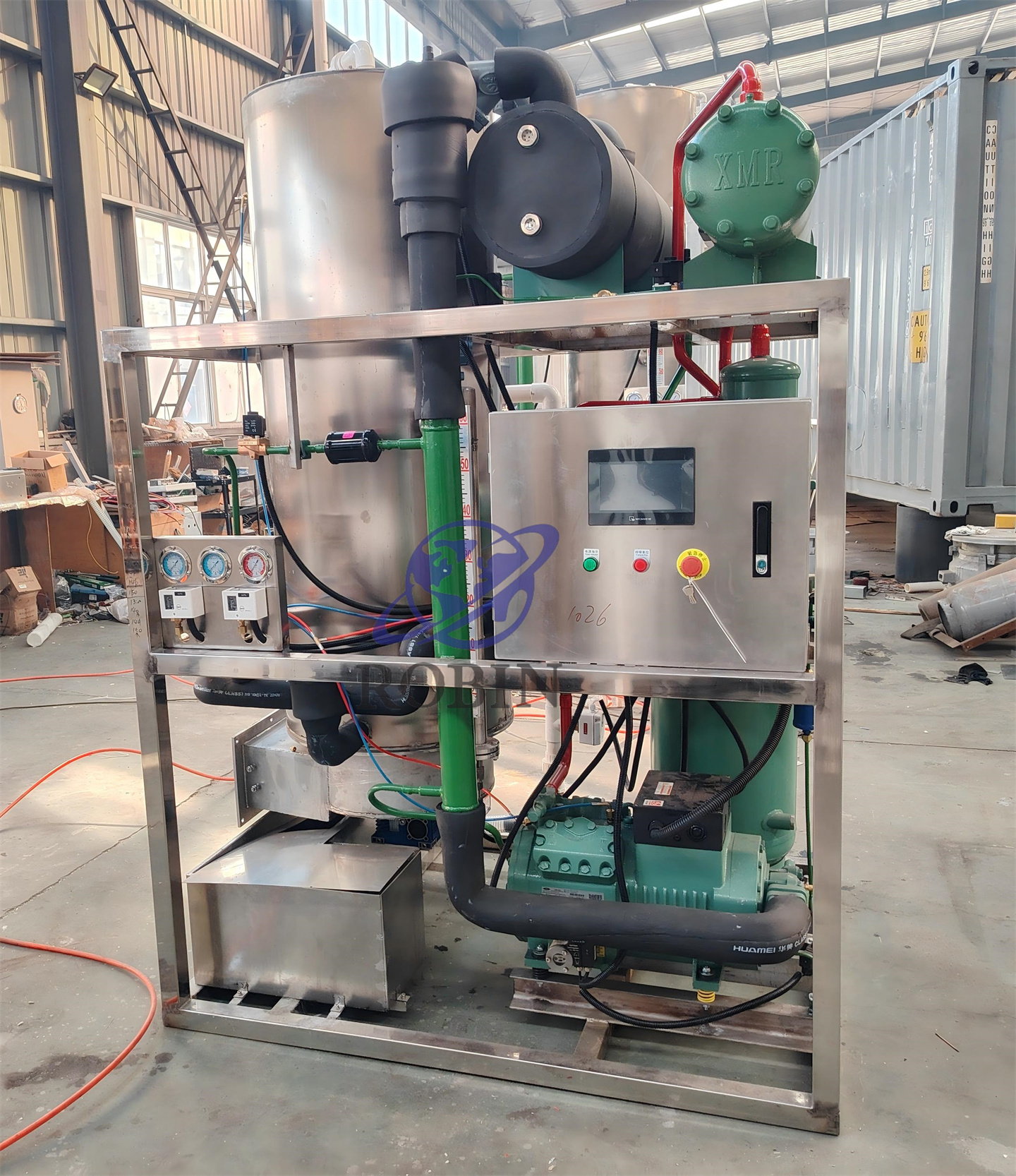
Food processors face unique cooling challenges that standard refrigeration cannot always address efficiently. A tube ice machine solves these challenges by producing ice in tubular form that cools products faster, maintains consistent temperatures longer, and integrates seamlessly into existing production workflows. The operational advantages extend beyond simple temperature control; they directly influence profitability, food safety outcomes, and supply chain reliability.
Superior Cooling Efficiency and Speed
Fast Heat Removal in Production Lines
The physical design of a tube ice machine creates ice with exceptional heat transfer properties. Tube-shaped ice has a larger surface area relative to its volume, enabling rapid cooling of food products during processing and transport. Fish processing facilities, for example, use tube ice because it cools catch quickly after landing, preserving texture and nutritional value. Poultry plants rely on tube ice machine production to maintain meat quality during defeathering and chilling stages where temperature control becomes critical within minutes.
Consistent Temperature Maintenance
A tube ice machine produces ice that maintains stable, predictable melting rates. Unlike flaked or crushed ice that melts unevenly, tube ice releases cold gradually and uniformly, preventing temperature fluctuations that compromise food safety. Dairy processors value this consistency because milk and cheese production require steady cooling profiles to prevent bacterial growth and maintain product composition. When food safety regulations mandate precise temperature ranges, the reliability of a tube ice machine becomes a compliance advantage.
Operational Cost Reduction and Efficiency
Lower Production and Energy Costs
A tube ice machine operates with superior energy efficiency compared to alternative cooling systems. The production process requires less electricity per pound of ice generated, directly reducing operational expenses in facilities running cooling cycles continuously. Food factories that process thousands of tons of product annually see measurable savings when switching to tube ice. Additionally, a tube ice machine requires minimal maintenance because its design prevents clogging and ice buildup that slow other ice production methods, reducing downtime and repair costs.
Extended Product Shelf Life and Reduced Waste
Better cooling efficiency means food products stay fresher longer, directly reducing spoilage rates and waste. A tube ice machine helps food factories extend shelf life by 10 to 15 percent in many applications, translating to significant financial returns. Seafood distributors report that products cooled with tube ice from a tube ice machine reach retail destinations with superior appearance and texture. This quality retention allows manufacturers to command higher prices and reduces losses during transport, justifying the investment in tube ice production equipment.
Regulatory Compliance and Food Safety Advantages
Meeting Strict Food Safety Standards
Regulatory bodies worldwide—including the FDA and international food safety authorities—recognize tube ice as a superior cooling medium for food products. A tube ice machine produces food-grade ice that meets hygiene standards when manufactured with potable water and proper sanitation protocols. The predictable nature of tube ice cooling helps food processors maintain accurate records of temperature exposure, which authorities require for compliance documentation. Facilities using a tube ice machine demonstrate that their cooling processes follow established best practices.
Traceability and Documentation
Modern food supply chains demand complete traceability from production to consumer. A tube ice machine integrated into quality management systems provides consistent documentation of cooling parameters. When auditors inspect facilities, they observe standardized ice production from a tube ice machine, which simplifies verification that temperature-sensitive processes remained compliant throughout production and distribution. This documentation capability protects companies from liability and supports insurance coverage for food safety incidents.
Operational Flexibility and Production Scalability
Adapting to Seasonal and Market Demand
Food processing demand fluctuates seasonally, and a tube ice machine provides flexible capacity management. Facilities can operate production at partial capacity during low-demand periods and scale to full output when seasonal peaks arrive. A tube ice machine activates and deactivates efficiently without wasting resources or compromising ice quality. This flexibility allows food factories to manage staffing and energy costs more effectively throughout the year.
Integration with Existing Infrastructure
Many food factories choose a tube ice machine because it integrates smoothly into established production environments without requiring extensive facility modifications. Modern tube ice machine systems connect to existing water and power supplies, and they occupy minimal floor space compared to competing technologies. Facilities upgrading from older cooling methods find that a tube ice machine implementation happens quickly, minimizing production interruptions. This ease of installation makes tube ice adoption attractive even for older facilities with space and infrastructure constraints.
FAQ
What makes tube ice from a tube ice machine better than other ice types for food processing?
Tube ice produced by a tube ice machine has superior surface area, melts uniformly, and cools products faster than flaked or block ice. The consistent melting rate prevents temperature shock to food products, preserving quality and texture. Tube ice from a tube ice machine also occupies less storage space because of its density, allowing food factories to maintain larger cooling reserves with smaller storage requirements.
How does a tube ice machine help food factories meet food safety regulations?
A tube ice machine produces food-grade ice with consistent properties that satisfy regulatory standards for direct food contact. The standardized production process from a tube ice machine enables facilities to document and verify cooling parameters required by food safety audits. When facilities use a tube ice machine, they maintain objective records proving that temperature-critical processes received proper cooling throughout production.
Can a tube ice machine reduce operating costs for food processing facilities?
Yes, a tube ice machine significantly reduces operating costs through energy efficiency, lower maintenance requirements, and reduced product spoilage. Facilities report that investing in a tube ice machine pays for itself within 18 to 24 months through operational savings alone. The extended shelf life of products cooled by a tube ice machine prevents waste and improves profit margins, making tube ice technology an economically sound choice for industrial food producers.