
 EN



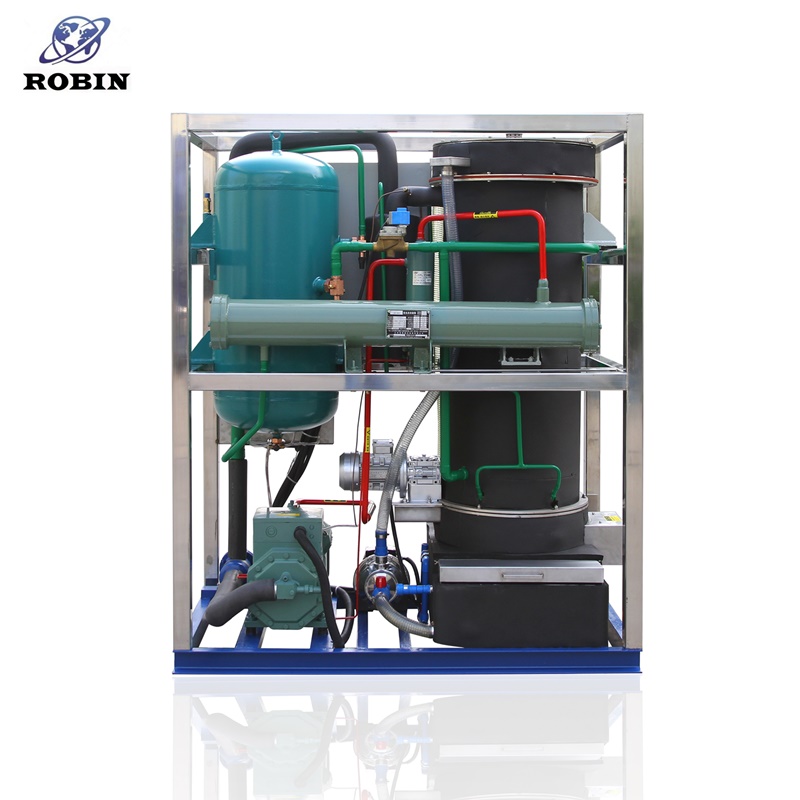
The question of whether a tube ice machine is suitable for large commercial ice production systems has become increasingly relevant in industries requiring substantial quantities of clean, transparent ice. A tube ice machine represents a sophisticated refrigeration technology designed to produce ice in distinctive tubular forms, and understanding its viability for large-scale operations requires examining capacity, operational efficiency, and practical suitability factors. This comprehensive guide explores the technical and business dimensions that determine whether a tube ice machine can effectively meet the demands of major commercial ice production systems.
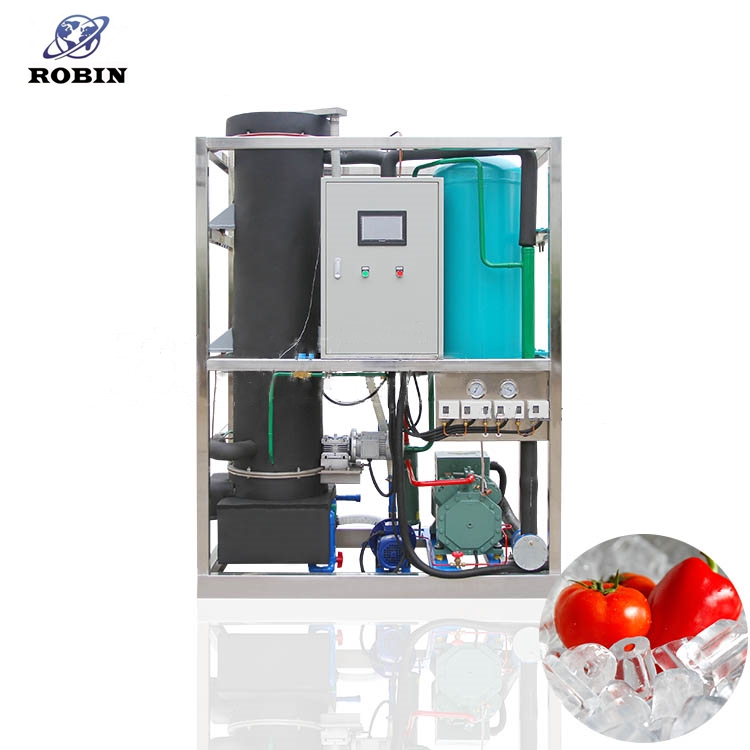
A tube ice machine operates through a continuous freezing process where water circulates through steel tubes submerged in a refrigerated brine solution. The answer to whether this technology suits large commercial ice production is affirmative, provided that facility operators understand the specific advantages and implementation requirements. The tube ice machine's capacity to produce high volumes of uniform, crystal-clear ice makes it exceptionally valuable for commercial applications including seafood processing, concrete curing, chemical cooling, and beverage industries where ice quality and production volume are both critical success factors.
Production Capacity and Scalability of Tube Ice Machines
Understanding Tube Ice Machine Output Specifications
Tube ice machines are engineered with remarkable scalability, offering production capacities ranging from 5 tons to 30 tons or more per day depending on model specifications and operational conditions. The tube ice machine's capacity makes it inherently suitable for large commercial ice production systems because even mid-range models can satisfy the daily ice requirements of substantial industrial operations. Factors affecting tube ice machine output include ambient temperature, water supply quality, refrigeration system efficiency, and the duration of continuous operation, all of which experienced facility managers must optimize to achieve maximum productivity.
Performance Metrics for Commercial Operations
Large commercial ice production systems depend on consistency and reliability, two characteristics where the tube ice machine excels compared to alternative ice-making technologies. A tube ice machine produces ice with excellent clarity and density, properties that directly influence its suitability for sensitive applications such as food storage, medical cooling, and industrial processing. The modular nature of tube ice machine systems also enables facility operators to install multiple units in parallel, effectively scaling production capacity to match growing demand without requiring complete system replacement or significant infrastructure modifications.
Operational Efficiency and Cost Considerations
Energy Efficiency in Large-Scale Operations
The tube ice machine demonstrates superior energy efficiency compared to many competing ice production technologies, a crucial consideration when operating large commercial ice production systems where energy costs represent a significant operational expense. Modern tube ice machine designs incorporate advanced refrigeration cycles, optimized compressor configurations, and thermal insulation improvements that substantially reduce power consumption per ton of ice produced. For commercial operations processing hundreds of tons annually, the cumulative energy savings achieved by a tube ice machine can justify substantial capital investment through reduced utility bills and improved environmental performance metrics.
Maintenance Requirements and System Reliability
A tube ice machine's straightforward mechanical design promotes operational reliability and simplifies maintenance procedures required for large commercial ice production systems. The relatively uncomplicated freezing mechanism reduces failure points and diagnostic complexity, enabling facility technicians to perform routine maintenance efficiently and minimize unplanned downtime. Regular descaling of the tube ice machine's heat exchanger surfaces and periodic refrigerant system inspections typically constitute the primary maintenance requirements, making operational costs predictable and manageable even for continuous high-volume production environments.
Suitability Assessment for Specific Commercial Applications
Industry-Specific Requirements and Tube Ice Machine Fit
The tube ice machine proves exceptionally suitable for large commercial ice production systems across diverse industries where transparency and purity are non-negotiable requirements. Seafood processors benefit from the tube ice machine's ability to maintain ice crystal integrity throughout the cold chain, preventing product quality degradation that occurs with lower-grade ice types. Concrete construction operations requiring massive quantities of ice for cooling purposes during hot-weather pours discover that the tube ice machine delivers both the volume and thermal properties necessary for achieving specified concrete curing temperatures with consistent reliability.
Product Quality and Downstream Process Compatibility
The ice produced by a tube ice machine maintains structural integrity longer than competing ice types, a characteristic that directly enhances its value in large commercial ice production systems requiring extended storage periods or extended transportation distances. Chemical processing facilities utilizing ice for temperature regulation benefit from the tube ice machine's ability to produce ice with predictable melting rates and contamination-free composition. Medical and pharmaceutical applications specifically prefer ice from a tube ice machine because its crystalline structure and purity meet stringent regulatory requirements for health-related cooling applications, establishing the tube ice machine as the preferred technology where product safety and regulatory compliance are paramount considerations.
FAQ
What production volume is required to justify investing in a tube ice machine for commercial operations?
Most commercial operations benefit economically from a tube ice machine installation when daily ice requirements exceed 3 to 5 tons, though even smaller volumes may justify investment if ice quality requirements are extremely stringent. The tube ice machine's operational efficiency and product quality typically provide positive return-on-investment within 18 to 36 months for facilities demonstrating consistent demand patterns. Facilities requiring less than 2 tons daily might explore alternative ice production methods, though a tube ice machine remains viable if budget availability and space permit.
How does a tube ice machine handle variable demand in large commercial ice production systems?
A tube ice machine responds flexibly to demand fluctuations through adjustable operational parameters including refrigeration cycle duration, water flow rates, and compressor speed settings that technicians can modify to increase or decrease output. Installing multiple tube ice machine units enables facility managers to activate or deactivate capacity incrementally, matching production precisely to fluctuating demand patterns while maintaining energy efficiency. For truly variable demand scenarios, the tube ice machine's storage capability combined with its fast production cycles ensures consistent availability even during unexpected demand spikes.
What infrastructure requirements must be planned for large-scale tube ice machine installation?
Successful large-scale tube ice machine deployment requires adequate electrical supply capacity, adequate water supply quantity and quality, proper drainage infrastructure, appropriate ambient temperature conditions, and dedicated storage space for finished ice production. The tube ice machine typically requires three-phase industrial electrical power with sufficient capacity to support the compressor and ancillary equipment simultaneously. Water pre-treatment systems often prove necessary to protect the tube ice machine from mineral buildup and scale accumulation, particularly in regions with hard water conditions or high mineral concentrations.