
 EN



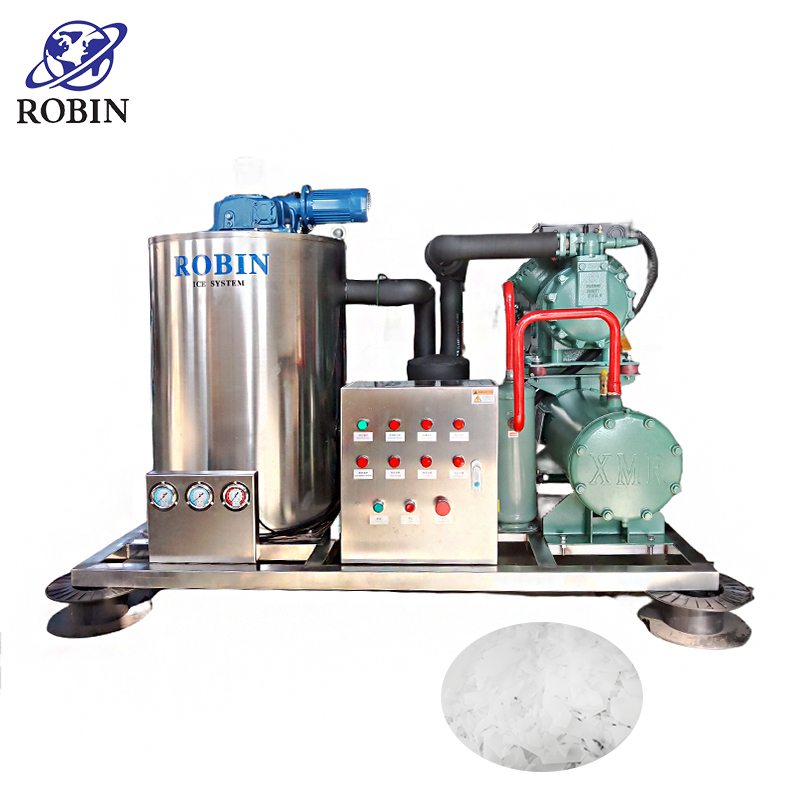
The decision to invest in seafood processing equipment involves many financial considerations, and flake ice machine price plays a surprisingly significant role in shaping those choices. Many seafood processors focus exclusively on production capacity or cooling efficiency, overlooking how flake ice machine price directly influences overall equipment strategy, operational budgets, and long-term profitability. Understanding this relationship helps facility managers make informed decisions that align with business goals and financial constraints.
Flake ice has become the preferred cooling medium in seafood processing because it conforms to product shape, maintains consistent temperature, and minimizes product damage. However, the flake ice machine price varies dramatically based on capacity, brand, technology level, and regional availability. This article explores how flake ice machine price impacts purchasing decisions, operational planning, and the broader seafood processing equipment ecosystem.
How Flake Ice Machine Price Affects Initial Equipment Investment
Understanding Total Cost of Ownership Beyond Purchase Price
When evaluating flake ice machine price, most facility managers initially consider only the upfront purchase cost. However, the true financial impact extends far beyond the initial investment. A lower flake ice machine price may indicate reduced production capacity, less durable components, or higher energy consumption, ultimately driving up operational costs. Conversely, a higher flake ice machine price might reflect superior engineering, better energy efficiency, and longer equipment lifespan, delivering better value over time. Calculating total cost of ownership requires analyzing purchase price, installation expenses, energy consumption, maintenance requirements, and expected operational life.
Capital Budgeting and Facility Planning
The flake ice machine price directly influences how seafood processors structure their capital budgets and facility expansion plans. A substantial flake ice machine price may necessitate phased equipment upgrades rather than immediate full-scale installations, affecting production timelines and market responsiveness. Processors must balance the flake ice machine price against competing infrastructure needs, such as freezing units, storage systems, and packaging equipment. This constraint forces strategic prioritization, where flake ice machine price becomes a key variable in determining facility modernization sequences and market entry strategies for new product lines.
The Relationship Between Flake Ice Machine Price and Operational Performance
Production Capacity and Throughput Implications
Flake ice machine price often correlates directly with production capacity, measured in tons of ice per day. Higher-capacity machines command premium flake ice machine price points but enable processors to handle larger volumes of fresh seafood without quality degradation. A lower flake ice machine price might mean reduced daily production, forcing processors to run equipment longer, increasing utility costs and maintenance wear. For facilities targeting high-volume distribution channels or seasonal peaks in seafood supply, the flake ice machine price becomes a critical factor in determining operational feasibility and market competitiveness. Underestimating capacity needs due to flake ice machine price concerns can create bottlenecks that damage product quality and customer relationships.
Energy Efficiency and Operating Costs
Modern flake ice machine price variations often reflect differences in compressor technology, insulation materials, and refrigeration efficiency. Premium flake ice machine price models typically incorporate variable-speed compressors, advanced refrigerant management, and optimized evaporator designs that reduce energy consumption by fifteen to thirty percent compared to budget alternatives. In seafood processing facilities operating continuously or semi-continuously, energy efficiency compounds dramatically across monthly and annual cycles. A flake ice machine price difference of five to ten thousand dollars may be recovered within three to five years through reduced electricity bills, especially in regions with high energy costs. Processors must conduct detailed energy audits to understand how flake ice machine price relates to their specific operational environment.
Strategic Decision-Making Framework Using Flake Ice Machine Price Analysis
Aligning Flake Ice Machine Price with Business Model and Market Position
Different seafood processing business models require different approaches to flake ice machine price evaluation. Direct-to-consumer or premium distribution channels demand superior product quality, justifying higher flake ice machine price investments in machines that provide optimal temperature control and minimal product handling damage. Commodity processors or bulk suppliers may prioritize efficiency and throughput, where flake ice machine price decisions focus more on capacity-per-dollar and energy efficiency rather than premium features. Regional market dynamics also influence flake ice machine price sensitivity, with coastal facilities having different supply chain economics compared to inland processors. Understanding your competitive positioning and customer expectations is essential before making flake ice machine price commitments.
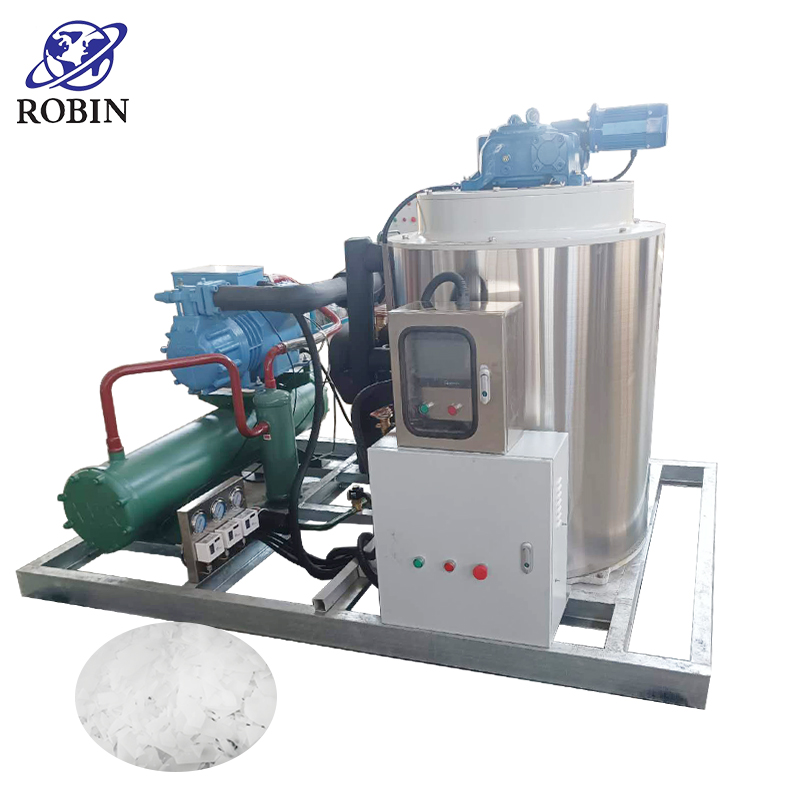
Risk Mitigation and Flexibility Through Flake Ice Machine Price Decisions
Strategic flake ice machine price management involves more than selecting the lowest-cost option or automatically choosing premium equipment. Smart processors evaluate mid-range flake ice machine price tiers that balance capability, reliability, and financial prudence. Many facilities benefit from modular approaches where an initial flake ice machine price investment includes core capacity with expansion options, avoiding overcommitment during uncertain growth phases. Lease versus purchase decisions also interact with flake ice machine price considerations, allowing operators to match equipment costs with revenue cycles and maintain flexibility for technology upgrades. flake ice machine price analysis becomes a strategic tool for managing risk and maintaining operational agility in volatile seafood markets.
FAQ
What factors should I evaluate beyond the flake ice machine price tag?
Beyond the initial flake ice machine price, evaluate energy consumption rates, daily production capacity, footprint requirements, water usage, maintenance accessibility, warranty coverage, and availability of service support in your region. Consider the expected lifespan and how flake ice machine price relates to total cost per ton of ice produced over the equipment's operational life. Installation complexity and facility modifications needed also impact true flake ice machine price in economic terms.
How does flake ice machine price vary by geographic region?
Flake ice machine price varies significantly based on local supply chains, import duties, service infrastructure, and market competition. Coastal regions with established seafood industries typically offer lower flake ice machine price options due to higher demand and more service providers. Remote locations may face higher flake ice machine price due to shipping costs and limited competition. Energy costs also vary regionally, making the long-term cost implications of flake ice machine price different in each market.
Should we lease or purchase equipment considering flake ice machine price?
The lease versus purchase decision depends on your facility's cash flow situation, equipment lifespan expectations, and business stability. Leasing allows flexibility and shifts flake ice machine price risk to the lessor, beneficial for seasonal operations or uncertain growth. Purchasing is more economical long-term if you maintain consistent high-volume operations, despite the initial flake ice machine price outlay. Analyze your break-even point between total lease payments and purchase price to determine which strategy aligns with your financial structure.