
 EN



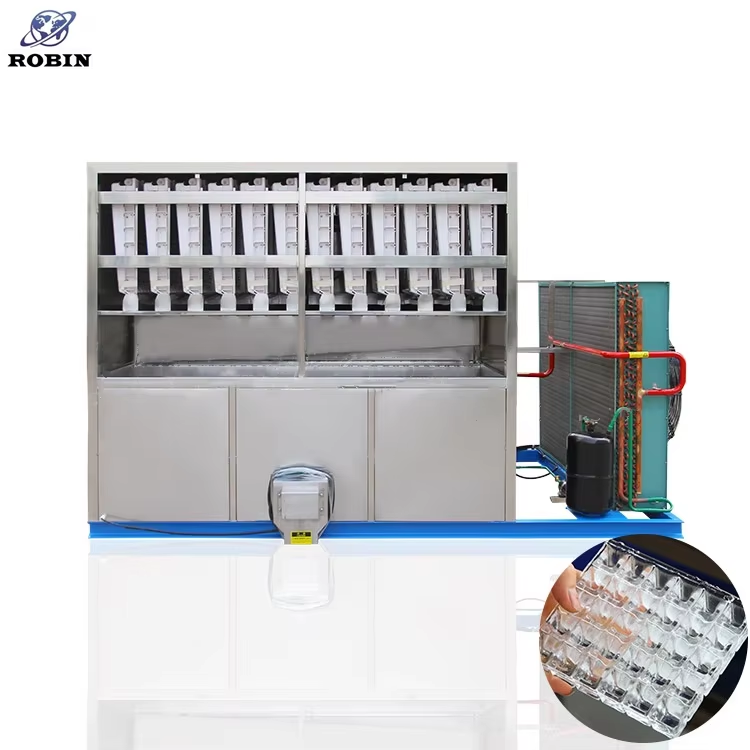
Beverage businesses face persistent challenges maintaining consistent ice supply during peak service periods. An industrial cube ice machine directly addresses this operational bottleneck by delivering high-volume, reliable ice production tailored to commercial demand. Whether managing a busy restaurant, hotel bar, or beverage distribution center, the decision to invest in an industrial cube ice machine represents a strategic step toward operational stability and customer satisfaction.
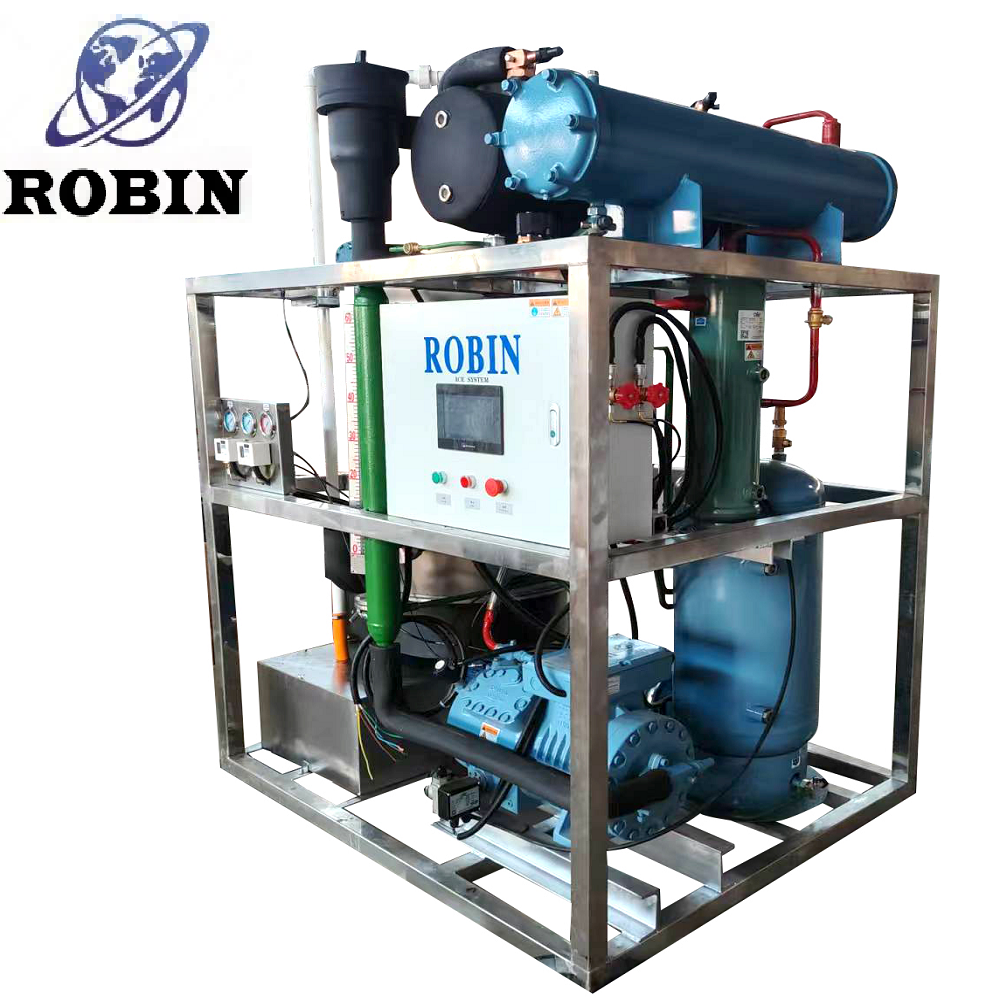
An industrial cube ice machine generates thousands of pounds of cube ice daily, far exceeding traditional ice maker capacity. Cube-shaped ice melts slowly, maintains beverage temperature longer, and presents a professional appearance in customer-facing applications. The operational efficiency gained through an industrial cube ice machine transforms how beverage businesses handle peak demand, minimize downtime, and reduce operational costs associated with ice shortages.
Enhanced Operational Reliability Through Continuous Production
Meeting Peak Demand Without Interruption
Beverage businesses experience fluctuating demand throughout the day, with summer seasons and special events creating unpredictable ice consumption spikes. An industrial cube ice machine maintains consistent output regardless of external conditions, producing ice continuously rather than cycling on and off like smaller units. This reliability eliminates scenarios where staff must ration ice or turn away customers due to supply constraints. The industrial cube ice machine ensures that during Friday night service rushes, summer outdoor events, or unexpected catering requests, adequate ice remains available without inventory concerns.
Reducing Operational Downtime and Lost Revenue
When conventional ice makers fail or reach capacity limits, beverage businesses face cascading operational challenges including compromised drink quality, customer dissatisfaction, and potential revenue loss. An industrial cube ice machine provides capacity buffer and redundancy, allowing businesses to maintain service continuity even during maintenance periods or supply disruptions. Multiple industrial cube ice machine units deployed across larger operations create independent production zones, ensuring that a single equipment failure does not halt the entire beverage service. This redundancy transforms ice supply from a potential weakness into a competitive strength.
Cost Efficiency and Operational Savings
Eliminating Dependency on External Ice Suppliers
Many beverage businesses purchase bagged ice from external suppliers, incurring recurring delivery costs, storage space demands, and price volatility tied to seasonal fluctuations. An industrial cube ice machine shifts ice production in-house, eliminating supplier relationships and associated markups. The cost per pound of ice produced by an industrial cube ice machine typically decreases significantly after the equipment pays for itself within 18 to 36 months, depending on current ice consumption rates. Beverage businesses that purchase multiple tons of ice weekly experience the fastest return on investment when transitioning to an industrial cube ice machine.
Maximizing Space Utilization and Inventory Control
Bagged ice storage demands substantial freezer space, strains building refrigeration systems, and creates inventory management complexity. An industrial cube ice machine occupies minimal floor space relative to storage requirements for equivalent ice supplies, freeing facility capacity for higher-margin products or services. The industrial cube ice machine connects directly to water and electrical systems, producing ice on-demand and eliminating the need to forecast ice purchasing, schedule delivery windows, or manage inventory rotation. Beverage operations gain cleaner warehousing, improved organization, and reduced waste from expired or damaged ice supplies.
Operational Integration and Technical Advantages
Seamless Integration into Existing Beverage Systems
Modern industrial cube ice machine models integrate smoothly with existing beverage infrastructure without requiring extensive facility modifications. The industrial cube ice machine connects to standard water supplies, municipal drainage systems, or recirculation loops, accommodating diverse facility configurations from small bars to large distribution centers. Built-in filtration systems within the industrial cube ice machine protect ice quality by removing chlorine, sediment, and other contaminants from source water, ensuring that every batch meets commercial beverage standards. Staff training for an industrial cube ice machine remains straightforward, as operational interfaces use intuitive controls and minimal maintenance procedures.
Quality Consistency and Customer Experience Enhancement
Cube-shaped ice produced by an industrial cube ice machine melts slowly, allowing beverages to remain properly chilled throughout extended consumption periods without becoming diluted. This quality consistency strengthens customer satisfaction and brand perception, particularly in premium beverage segments where drink presentation and temperature control directly influence purchasing decisions. An industrial cube ice machine produces uniform ice sizes and shapes, enabling standardization across all customer transactions and reducing variability that customers perceive when comparing ice quality between visits. Beverage businesses leveraging an industrial cube ice machine gain a tangible competitive advantage through demonstrable drink quality improvements.
FAQ
How much daily production capacity does an industrial cube ice machine provide?
Industrial cube ice machine capacity varies by model, ranging from 500 pounds to over 5,000 pounds daily, with commercial-grade units typically producing 1,000 to 3,000 pounds per day. Selection depends on peak consumption rates, storage capacity, and operational requirements specific to the beverage business. Most beverage operations begin with mid-range industrial cube ice machine models and expand capacity as demand grows.
What maintenance does an industrial cube ice machine require?
An industrial cube ice machine requires routine cleaning of water filtration systems, periodic descaling to prevent mineral buildup, and annual professional inspections to ensure mechanical components function properly. Regular maintenance on an industrial cube ice machine extends equipment lifespan, maintains production efficiency, and prevents costly emergency repairs during peak business periods.
Can an industrial cube ice machine adapt to different water quality conditions?
Yes, an industrial cube ice machine incorporates advanced water filtration and treatment systems that accommodate municipal water supplies, well water, and varying mineral content levels. Installation professionals can configure an industrial cube ice machine specifically for local water conditions, ensuring consistent ice quality regardless of source water characteristics.